Crochet Butterfly: 7 Must-Try Designs + a Free Layered Pattern
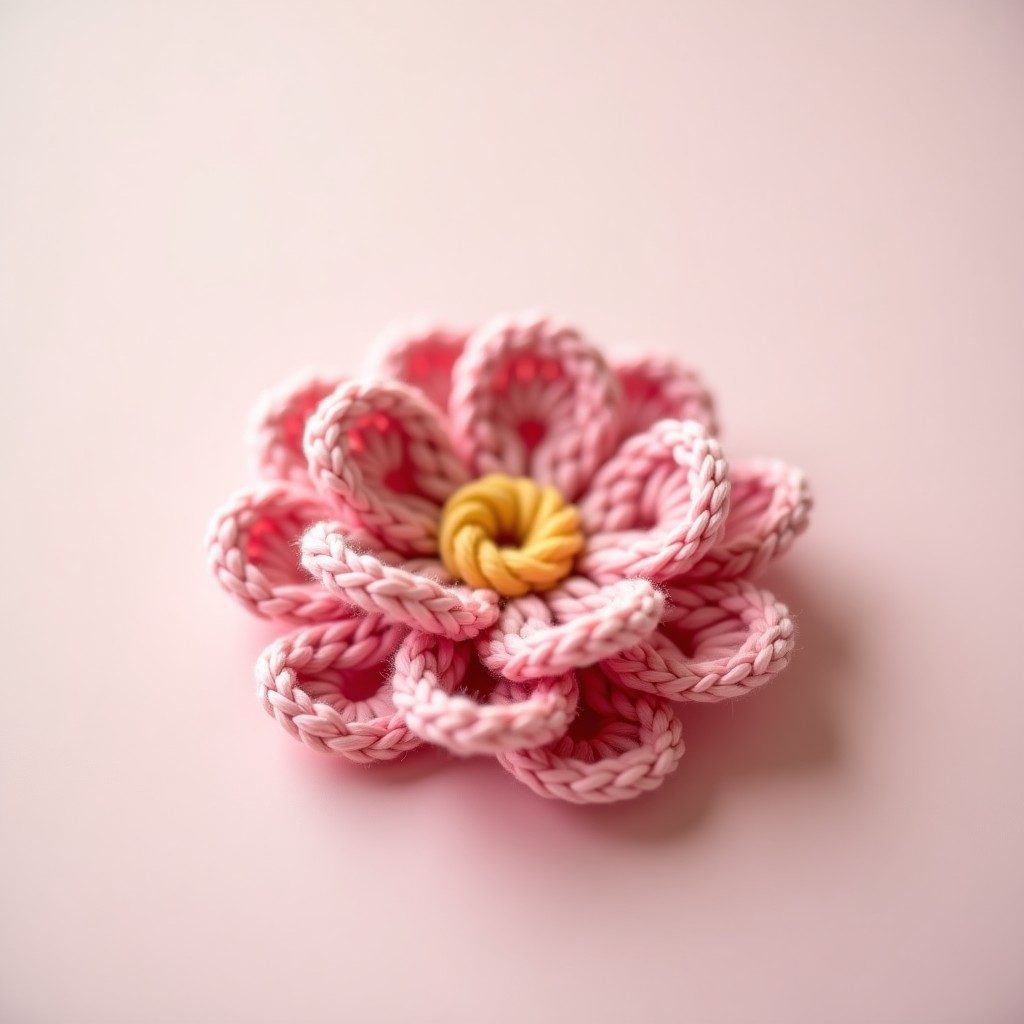
Featured Free Pattern: Layered Statement Butterfly
This is KnotToYarn’s own original pattern, free to use, and you’re welcome to sell what you make from it.
Where the one-round butterfly is a quick accent, this one is the centerpiece version: two-round wings with picot tips, worked in two colors, big enough to carry a whole bag flap or wall hoop. Complete pattern below.
Materials
- DK cotton in two colors (10 g main, 5 g edge)
- 4.0 mm (US G) crochet hook
- Yarn needle, scissors
Finished size: About 9 cm (3.5 in) wide
Skill level: Confident beginner
Abbreviations (US terms): ch (chain), sc (single crochet), hdc (half double crochet), dc (double crochet), tr (treble crochet), sl st (slip stitch), sp (space), picot (ch 3, sl st into the 3rd ch from hook)
Instructions
Round 1: the wing skeleton (main color)
Into a magic ring: [ch 4, tr, ch 4, sl st into ring] twice, two upper wing loops; [ch 3, dc, ch 3, sl st into ring] twice, two lower wing loops. Pull the ring closed. Four open loops, paired big over small.
Round 2: filling the wings (edge color)
Upper wings: into each ch-4 loop work (sc, hdc, 3 dc, picot, 3 dc, hdc, sc), the picot makes the wingtip. Sl st into the ring between wings.
Lower wings: into each ch-3 loop work (sc, hdc, 2 dc, picot, 2 dc, hdc, sc). Sl st into the ring.
The Body and Antennae (main color)
Ch 5 up the center; working back down: sl st in the 2nd ch from the hook, sc in the next ch, hdc, sc, anchor with a sl st into the ring, a tapered body, fatter at the bottom.
Antennae: rejoin at the head, (ch 4, sl st in the 2nd ch from the hook, ch 1, anchor) twice.
Finishing
Block hard: pin all four wings open, mist, dry. The picots should point outward like wingtips. Sew through the body line only, wings left free flutter when whatever they are sewn to moves, which is the entire charm.
Made this? We’d love to show off your work, send a photo through our contact page and we’ll feature it here with credit to you.
Tip: High contrast between Round 1 and Round 2 colors makes the skeleton read as wing veins. Two near-identical colors waste the layered construction, go bold or go back to the one-round version.
Quick Answer
A crochet butterfly pattern is a set of instructions for creating decorative butterfly shapes using yarn and a crochet hook. These versatile designs can be used as appliqués on bags and blankets, standalone decorations, garlands, hair clips, or even incorporated into granny square projects for a whimsical touch.
Tip: Block your finished butterflies with starch or fabric stiffener for crisp, professional-looking wings that hold their shape.
At a Glance
- Skill level: beginner to intermediate
- Time needed: 30 minutes to 2 hours per butterfly
- Best yarn: cotton or acrylic worsted weight for small butterflies, bulky for large decor pieces
- Hook size: 3.5mm to 5mm for appliqués, larger for statement pieces
Common Mistakes → Quick Fixes
- Wings curling or not lying flat: block with steam and pins, or lightly starch before assembling
- Butterfly too small or misshapen: check your gauge and try a larger hook size for more defined wings
- Colors bleeding when blocking: test a small swatch first and use cold water for dark-colored yarns
Mini Glossary
CH (chain), SC (single crochet), DC (double crochet), TC (treble crochet), SL ST (slip stitch), FO (fasten off), magic ring (adjustable starting loop), appliqué (decorative motif sewn onto fabric), blocking (shaping finished crochet with moisture and pins), starch stiffener (product to hold shape)
If you are searching for the perfect crochet butterfly pattern, you have come to the right place. Butterflies are one of the most beloved motifs in the fiber arts world because they are quick to work up, endlessly customizable, and add a touch of whimsy to almost any project. A well-written crochet butterfly pattern can help you achieve gorgeous results with just a few basic stitches, whether you are embellishing a baby blanket, creating a delicate garland for a nursery, or designing an eye-catching brooch.
In this full guide, we are going to walk through seven distinct butterfly designs, explore popular stitch combinations, discuss color theory for gorgeous wings, and share professional tips for stiffening and shaping your finished pieces. Even if you are brand new to the craft and still learning how to crochet for beginners, you will find approachable projects here that build your confidence one wing at a time.
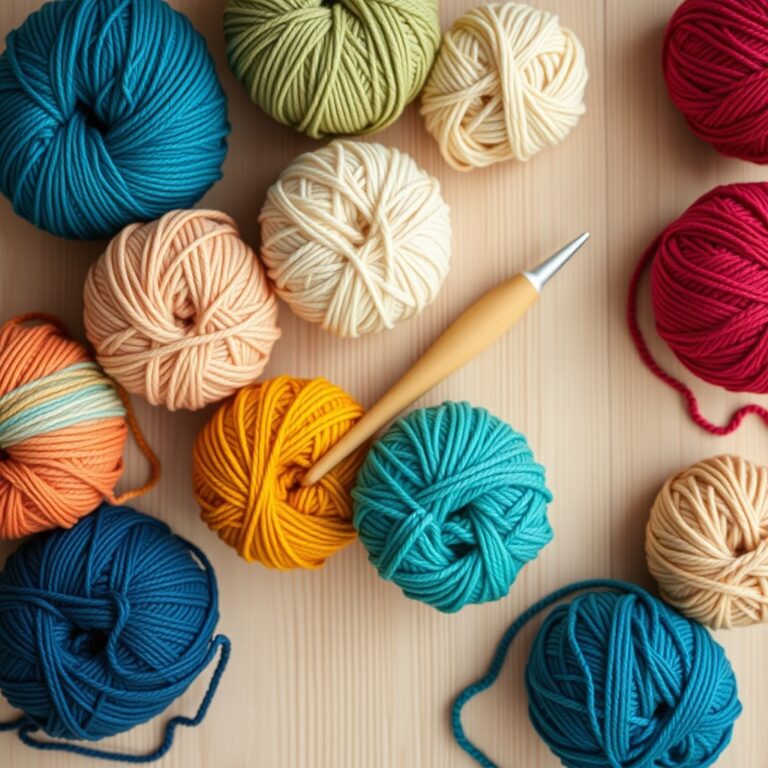
Before we get into the designs themselves, make sure you have the right supplies on hand. Choosing the best yarn for beginners is essential for a positive first experience. A smooth, worsted weight acrylic or cotton yarn in a light color will help you see your stitches clearly, and a comfortable ergonomic hook in the 3.5mm to 5mm range will keep your hands happy through every chain and double crochet.
What Types of Crochet Butterfly Patterns Are There?
Not all butterfly designs are created equal. Understanding the main categories will help you pick the right design for your specific project and skill level. Let us explore the three most popular styles.
Appliqué Butterflies
Appliqué butterflies are flat, two-sided motifs designed to be sewn onto larger projects like blankets, scarves, tote bags, and hats. They are typically the fastest type of butterfly pattern to complete, often requiring just 30 to 45 minutes from start to finish. Most appliqué butterflies use a simple construction: you crochet one side of the wing, chain a few stitches for the body, then mirror the stitches for the opposite wing. A quick slip stitch and fasten off, and you have a charming little butterfly ready to attach.
Appliqué designs work wonderfully on baby items because they add visual interest without creating a choking hazard when sewn down securely. You can also scatter several small butterflies across an afghan for a garden-themed blanket that any child would love. For a coordinated look, pair your butterfly appliqué with an easy crochet flower pattern so your motifs share a cohesive color palette.
3D and Pop-Up Butterflies
Three-dimensional butterflies add depth and texture to any project. These designs typically feature wings that are crocheted separately and then layered or joined at the center to create a realistic pop-up effect. A 3D project might use two or three overlapping wing panels per side, giving the finished piece a lovely sense of movement, as though the butterfly has just landed on your work.
These designs are especially popular for wedding décor, gift toppers, and dimensional wall art. Imagine a shadow box filled with colorful 3D butterflies in graduated sizes, or a spring wreath adorned with butterflies that appear to flutter in the breeze. The extra effort of crocheting separate wing pieces pays off in a more professional-looking result.
Amigurumi Butterflies
Amigurumi-style butterflies are stuffed, three-dimensional figures worked in continuous rounds. They tend to be larger than appliqués and are often used as standalone toys, keychains, or nursery decorations. An amigurumi butterfly design usually begins with a crochet magic ring for the body, then transitions into flat panels for the wings. Safety eyes and embroidered antennae give these little creatures personality and charm.
If you have never tried amigurumi before, a butterfly is a fantastic starter project because it uses only a few simple techniques: the magic ring, single crochet increases and decreases, and basic shaping. Once you master these fundamentals, you will be ready to tackle more complex amigurumi animals with confidence.
Popular Stitch Combinations for Butterfly Wings
The beauty of any pattern lies in its stitch work. Different stitch combinations create dramatically different wing textures, from lacy and delicate to bold and sculptural. Here are some of the most popular approaches used by designers around the world.
The Classic Chain-and-Double-Crochet Method
This is the most common construction for appliqué butterflies. You begin with a foundation chain, then work a series of double crochet clusters (often called “shell stitches”) on each side of the chain to form the upper and lower wings. The result is a symmetrical, openwork butterfly that works up in minutes. This method is ideal if you are comfortable with crochet abbreviations and can follow a standard pattern chart.
Treble Crochet Fan Wings
For more dramatic, ruffled wings, treble crochet fans create a gorgeous effect. Each wing is built from a group of three to five treble crochet stitches worked into the same stitch or space, fanning outward like peacock feathers. This technique produces larger, more eye-catching butterflies that work well as statement pieces like shawl pins, curtain tiebacks, or gift package decorations.
Bobble and Popcorn Stitch Wings
If you want wings with genuine texture and dimension, bobble and popcorn stitches are your best friends. These raised stitches create little puffs across the wing surface, mimicking the veined, organic look of real butterfly wings. A butterfly using bobble stitches will take a bit longer to complete, but the tactile result is absolutely worth the extra effort. These textured butterflies look especially striking when worked in a single solid color so the stitch definition really pops.
Color Theory for Gorgeous Butterfly Wings
Choosing the right colors can turn a simple design from cute into something genuinely eye-catching. Nature is the best teacher here. Real butterflies use bold, contrasting colors for their wing markings, and you can do the same with your yarn selections.
Monochromatic Elegance
Working your butterfly in a single color family, such as multiple shades of blue ranging from navy to sky, creates an elegant, sophisticated look. This approach is especially effective for wedding and home décor projects where you want a refined, understated aesthetic. Vary the shade slightly between the upper and lower wings for subtle visual interest.
Complementary Color Pairs
For maximum visual impact, pair complementary colors from opposite sides of the color wheel. Purple and yellow, blue and orange, or pink and green create bold, energetic butterflies that draw the eye immediately. Use one color for the upper wings and the complementary shade for the lower wings, or alternate within a single wing panel for a bold striped effect.
Rainbow and Gradient Wings
Nothing says spring like a rainbow butterfly. Work each wing section in a different color of the spectrum for a playful, joyful design. You can also use gradient or ombre yarns that shift colors naturally as you crochet, creating a seamless watercolor effect across the wings. This is a particularly fun approach for children’s accessories and party decorations.
How to Attach Butterflies to Your Projects?
Once you have finished your butterfly pattern, the next step is attaching it to your chosen project. The method you choose depends on whether the butterfly is permanent or removable, and whether the finished project will be washed frequently.
Sewing Appliqués Permanently
For blankets, garments, and items that will be laundered, sewing is the most durable attachment method. Use a yarn needle and a length of matching yarn to whipstitch around the center body of the butterfly, securing it firmly to the fabric. Take small, even stitches and knot securely on the wrong side of the work. For extra reinforcement on baby items, add a few stitches through each wing tip.
Safety Pin and Brooch Backs
If you want removable butterflies for scarves, hats, or bags, attach a safety pin or a glue-on brooch back to the center of the butterfly body. This allows you to move the butterfly from one item to another, giving you maximum versatility from a single project. It also makes your finished butterflies wonderful handmade gifts because the recipient can style them however they like.
Gluing for Decor Projects
For non-washable items like wreaths, picture frames, and shadow boxes, a hot glue gun or craft adhesive provides a quick, strong bond. Apply a small dot of glue to the center back of the butterfly and press firmly against the surface. Hold for 30 seconds until the glue sets. This method is ideal for mass-producing butterfly garlands and party decorations.
Seasonal Crochet Butterfly Ideas
One of the wonderful things about a versatile butterfly design is that you can adapt it for any season or holiday simply by changing your colors and project type. Here are some inspiring ideas for year-round crafting.
Spring and Summer
Pastel butterflies in soft pinks, lavenders, mint greens, and baby blues look absolutely magical on spring-themed projects. Create a butterfly garland to drape across a mantel, attach tiny butterflies to Easter baskets, or crochet a set of butterfly coasters for your garden table. A granny square pattern with a butterfly motif in the center makes a gorgeous throw pillow cover.
Fall and Winter Holidays
Swap your pastels for rich autumn tones like burnt orange, deep crimson, golden yellow, and chocolate brown. Fall butterflies look gorgeous pinned to a cornucopia centerpiece or arranged around a Thanksgiving table setting. For winter holidays, work butterflies in metallic gold, silver, or red yarn and use them as gift toppers, ornament hangers, or stocking stuffers. A white snowflake-white butterfly with silver thread accents is an unexpectedly elegant addition to a holiday wreath.
What Are the Best Tips for Stiffening and Shaping Your Butterflies?
Stiffening is the secret to professional-looking butterfly appliqués and decorations. Without it, your wings may curl, flop, or lose their shape over time. Here is a complete guide to getting crisp, beautiful results every time.
Choosing a Stiffening Method
There are three main options for stiffening your finished pattern pieces. Commercial fabric stiffener is the most reliable choice and comes in spray or liquid formulas. Spray starch is convenient and works well for light to medium stiffening. A homemade mixture of equal parts white school glue and water is an affordable, effective alternative that many crafters swear by. Each method produces slightly different results, so experiment with scraps before committing to your final piece.
Blocking for Perfect Shape
Blocking is the process of pinning your crochet into the desired shape while it dries. Lay a clean towel or blocking mat on a flat surface, arrange your butterfly with wings spread symmetrically, and pin each wing tip in place. Apply your chosen stiffener evenly with a small brush or spray bottle, making sure to saturate the stitches without soaking the piece. Allow it to dry completely for at least 24 hours. The result will be a perfectly shaped butterfly with crisp, well-defined wings that maintain their form indefinitely.
Adding Wire for Poseable Wings
For the ultimate in shaping control, insert thin craft wire along the edges of each wing before or after crocheting. This technique allows you to pose your butterflies with wings open, partially folded, or at any angle you choose. Wire-framed butterflies are particularly effective for mobiles, bouquet accents, and dimensional art pieces where you want the appearance of natural movement.
For additional guidance on yarn weights and recommended hook sizes for different butterfly sizes, the Craft Yarn Council’s yarn weight system is an excellent reference that standardizes terminology across the industry.
Frequently Asked Questions
How do I crochet a butterfly for beginners?
Start with a simple chain of 10 stitches, then work double crochet clusters on each side to form wings. A basic crochet butterfly pattern uses chains, single crochet, and double crochet stitches, which makes it manageable for beginners who already know the fundamentals. Practice with a light-colored worsted weight yarn and a 4mm hook for the clearest stitch visibility.
What is the best yarn for a crochet butterfly pattern?
Cotton or acrylic worsted weight yarn is the best choice for most crochet butterfly patterns. Cotton holds its shape beautifully for appliqués and decorations, while acrylic offers a wider color range and is more budget-friendly for large projects. For larger statement butterflies, bulky weight yarn creates bold, visible wing shapes that make an impact from across the room.
How do I stiffen a crochet butterfly?
You can stiffen a crochet butterfly using commercial fabric stiffener, spray starch, or a homemade mixture of white glue and water. Pin the butterfly into shape on a blocking mat, apply your stiffener evenly with a brush, and let it dry completely for 24 hours before handling. This step transforms floppy wings into crisp, professional-looking motifs.
Can I sell items made from a free crochet butterfly pattern?
It depends on the designer’s license. Many free patterns allow you to sell finished items but require you to credit the original designer. Always read the pattern’s terms of use carefully before selling products made from any crochet butterfly pattern. When in doubt, reach out to the designer directly for permission.
How long does it take to crochet a butterfly?
A small crochet butterfly appliqué typically takes 30 to 60 minutes, while a detailed 3D or amigurumi butterfly can take 1 to 2 hours. The time depends on the complexity of the pattern, your skill level, and the yarn weight you choose. With practice, you will be able to whip up a simple butterfly in under 30 minutes.
For even more inspiration and thousands of free butterfly designs, browse the community patterns on Ravelry, where crocheters from around the world share their creations and modifications.
We hope this guide has inspired you to pick up your hook and try a new crochet butterfly pattern today. Whether you are decorating a nursery, personalizing a gift, or simply enjoying a relaxing afternoon of crafting, butterfly motifs bring joy and beauty to every project. Happy crocheting!