
Explore crochet yarn guide reviews and recommendations from the crafting community on Ravelry.
As an Amazon Associate we earn from qualifying purchases: some supply links in this post are affiliate links, at no extra cost to you.
Best Yarn For Beginner Crochet: The best yarn for beginner crochet is a smooth, light-colored worsted-weight acrylic or cotton. These yarns are affordable, easy to work with, and make it simple to see your stitches as you learn. Tip: Avoid dark-colored or highly textured yarns for your first projects, smooth, light yarn shows stitches clearly.
What Should You Know About Yarn Fiber Types?
One of the first things you will notice when shopping for the best yarn for beginner crochet is that yarn comes in many different fiber types. The fiber you choose affects everything from how easy the yarn is to work with to how your finished project looks and feels. Let us walk through the most common options so you can make a confident choice.
Acrylic Yarn
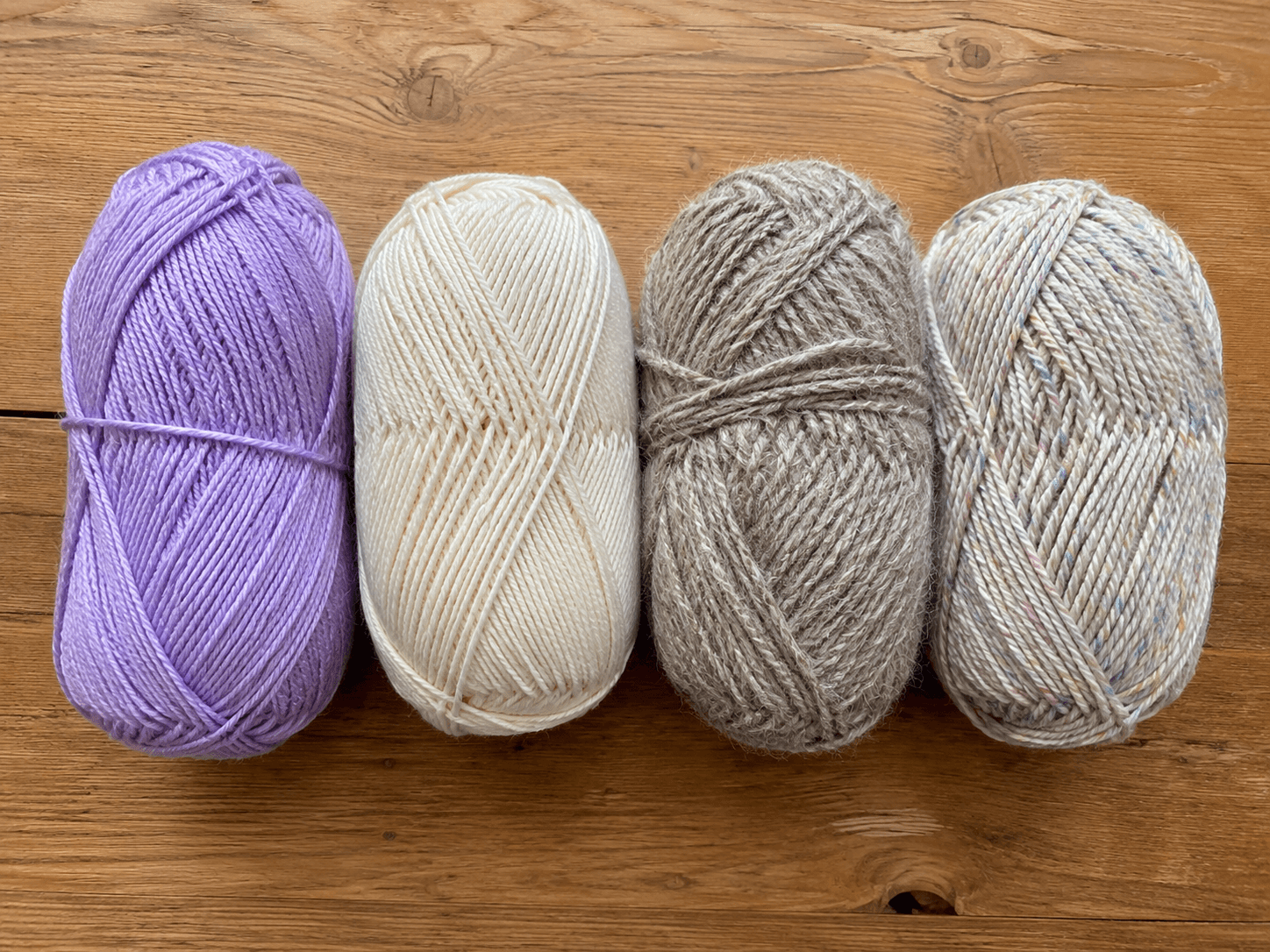
Acrylic is the most popular choice for beginners, and for good reason. It is affordable, widely available, and comes in an enormous range of colors. Acrylic yarn is synthetic, which means it is lightweight, easy to wash, and holds its shape well over time. For your first few projects, acrylic is an excellent starting point because it is forgiving and budget-friendly.

Cotton Yarn
Cotton yarn is another great option when you are picking the beginner yarn. It has a smooth, firm texture that makes it easy to see your stitches, which is incredibly helpful when you are still learning. Cotton works well for dishcloths, market bags, and summer wearables. Keep in mind that cotton has less stretch than acrylic, so your hands may feel a bit more tension while working with it.

Wool Yarn
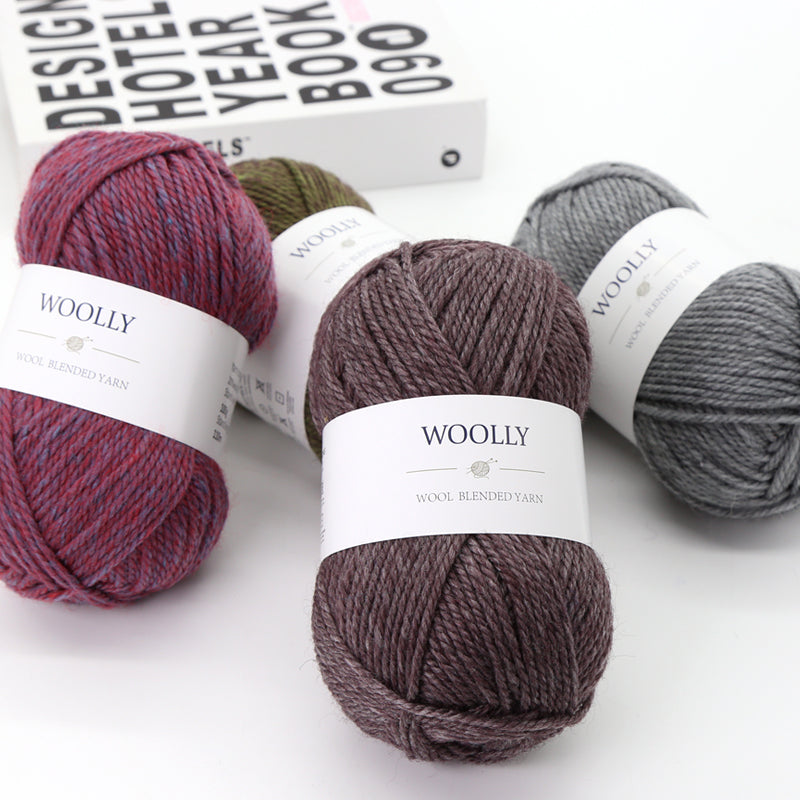
Wool is a natural fiber that many crocheters love for its warmth and elasticity. It is easier on your hands than cotton because the natural give in wool reduces strain during longer crochet sessions. However, wool can be more expensive and requires gentler washing. If you want to try wool as a beginner, look for a medium-weight blend that is not too slippery.

Blended Yarns
Blended yarns combine two or more fibers to give you the best of both worlds. For example, a wool-acrylic blend offers warmth and softness at a lower price point, while a cotton-acrylic blend gives you the stitch definition of cotton with the flexibility of acrylic. Blends are a smart choice when you want the right yarn without committing to a single fiber type.
Yarn Weight Categories Explained
Yarn weight refers to the thickness of the yarn strand, and it plays a big role in how your projects turn out. The Craft Yarn Council has standardized yarn weights into numbered categories that make it easier to match yarn to patterns.
- Weight 3, DK or Light Worsted: Slightly thinner than worsted, DK yarn is great for lightweight projects like baby blankets and delicate accessories.
- Weight 4, Worsted (Medium): This is the gold standard for the starter yarn. Worsted weight yarn is thick enough to work with quickly but thin enough to show stitch detail clearly. Most beginner patterns are written for worsted weight.
- Weight 5, Bulky (Chunky): Bulky yarn works up fast, which is satisfying for beginners who want quick results. It is ideal for scarves, hats, and cozy blankets. The trade-off is that bulky yarn can hide stitch mistakes, which might slow down your learning.
- Weight 6, Super Bulky: Super bulky yarn is the thickest category and works up in almost no time. While it is fun for simple projects, it can be harder to control for brand-new crocheters.
How to Read a Yarn Label?
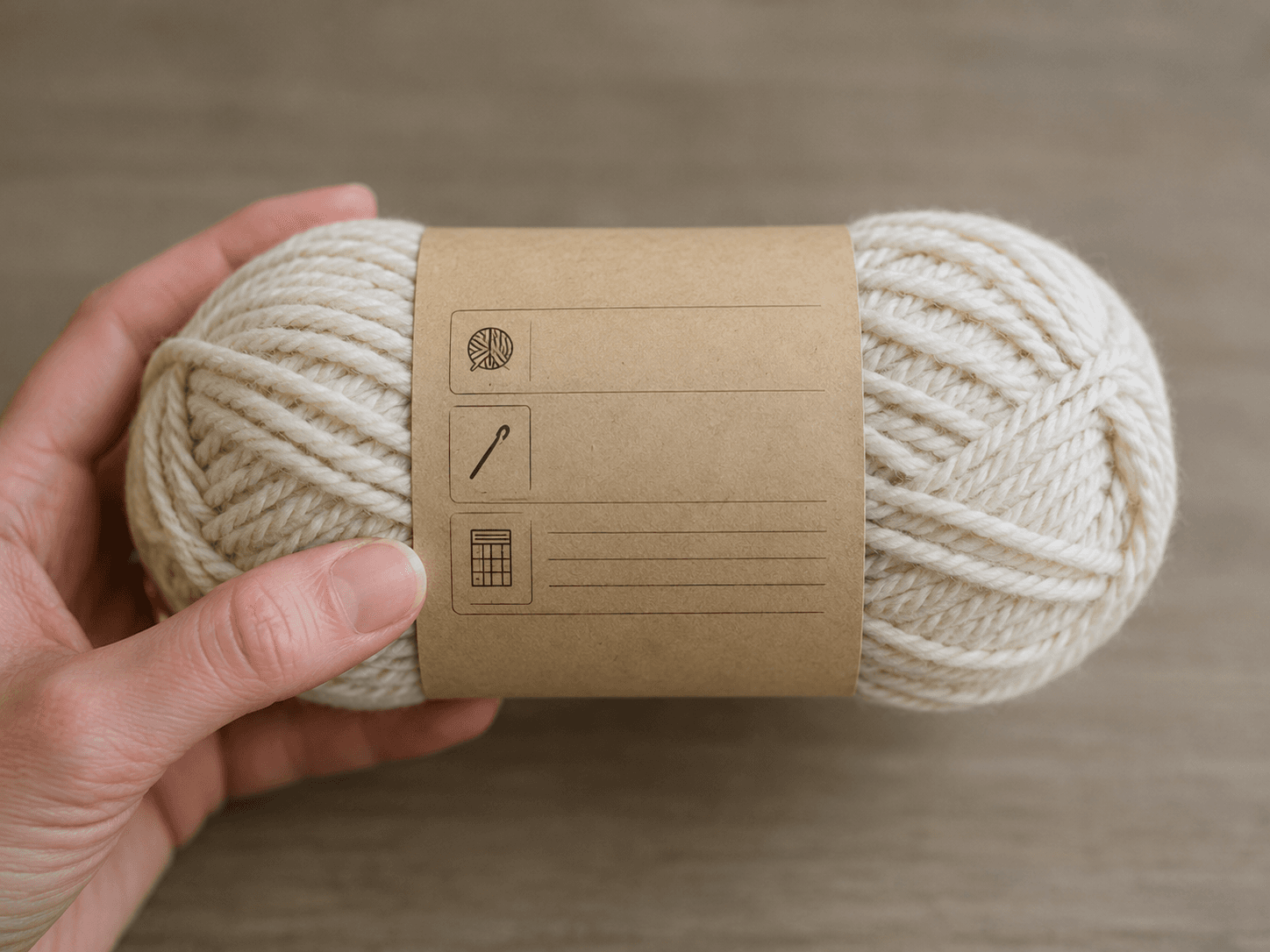
Learning to read a yarn label is an essential skill when you are choosing the beginner-friendly yarn. Every skein or ball of yarn comes with a wrapper that contains valuable information. Here is what to look for:
- Yarn weight symbol: A small icon with a number (like 4 for worsted) that tells you the thickness category.
- Recommended hook size: Usually shown as a number inside a small hook icon. For worsted weight, this is typically 5.0 mm to 5.5 mm (US H-8 to I-9).
- Fiber content: A percentage breakdown of the materials, such as “100% acrylic” or “80% cotton, 20% nylon.”
- Care instructions: Look for washing and drying symbols. As a beginner, machine-washable yarn is usually the most practical choice.
- Gauge information: A small square that shows how many stitches and rows fit into a 4-inch square using the recommended hook. This becomes more important as you advance.
For a deeper look at matching hooks to yarn, check out our guide to crochet hook sizes.
Budget-Friendly Yarn Recommendations
You do not need to spend a lot of money to get great results. Here are some budget-friendly tips for finding the beginner yarn without breaking the bank:
- Start with skeins that cost between $3 and $7 each. Big-box craft stores frequently run sales where you can buy worsted weight acrylic for under $3 per skein.
- Buy yarn in solid or lightly variegated colors at first. Dark colors like navy or black make it hard to see your stitches, and highly variegated yarns can create a confusing visual pattern while you work.
- Light-colored yarns in cream, beige, soft pink, or light blue are ideal for beginners because every stitch is clearly visible.
- Consider buying a beginner crochet kit that includes multiple skeins of yarn and a set of hooks. These kits are usually priced well and give you everything you need to start.
Common Beginner Yarn Mistakes to Avoid
Even with the right yarn, a few common mistakes can make your learning curve steeper than it needs to be. Here are the pitfalls to watch out for:
- Choosing yarn that is too dark: Dark yarn hides your stitches, making it nearly impossible to see where to insert your hook. Stick with light or medium tones until you are confident with your stitch placement.
- Using novelty yarn too early: Bouclé, eyelash, and fuzzy yarns are fun, but they hide your stitches and make it difficult to count. Save these for later projects.
- Mismatching yarn weight and hook size: Using a tiny hook with bulky yarn makes tight, stiff fabric. Using a huge hook with thin yarn creates loose, holey fabric. Follow the recommendations on the yarn label, or check our guide on how to fix crochet tension.
- Switching yarn mid-project without checking: Different dye lots can look noticeably different, even within the same brand. Buy enough yarn from the same dye lot before you start your project.
How Do You Choose the Right Yarn for Specific Projects?
Not all yarn works equally well for every type of project. Understanding which starter yarn pairs best with different project categories helps you make smarter purchases and get better results right from the start.
- Scarves and cowls: Soft, medium-weight yarns with good drape work best here. A wool-acrylic blend in worsted weight creates a cozy, wearable fabric that is warm without being bulky. Avoid stiff cottons for scarves because they lack the flowing drape that makes scarves comfortable to wear.
- Dishcloths and washcloths: 100% cotton is a common choice for kitchen projects because it handles repeated washing. Choose a yarn weight that suits the pattern and the thickness you want.
- Hats and beanies: Worsted weight acrylic or a soft wool blend works beautifully for hats. These fibers provide enough structure to hold the hat’s shape while keeping your head warm. Budget-friendly acrylics work well for practicing hat construction.
- Amigurumi and toys: Smooth, tightly spun acrylic or cotton in worsted weight is ideal for stuffed toys. The smooth texture helps maintain tight stitches so the stuffing does not show through. Choose light or medium colors so you can see your stitch placement clearly.
- Blankets and afghans: This is where personal preference really shines. Acrylic is affordable for large projects, cotton-blend blankets feel luxurious, and wool provides unmatched warmth. For your first blanket, a soft worsted acrylic in a light, neutral color is the most practical choice.
What Should Every Beginner Yarn Stash Include?
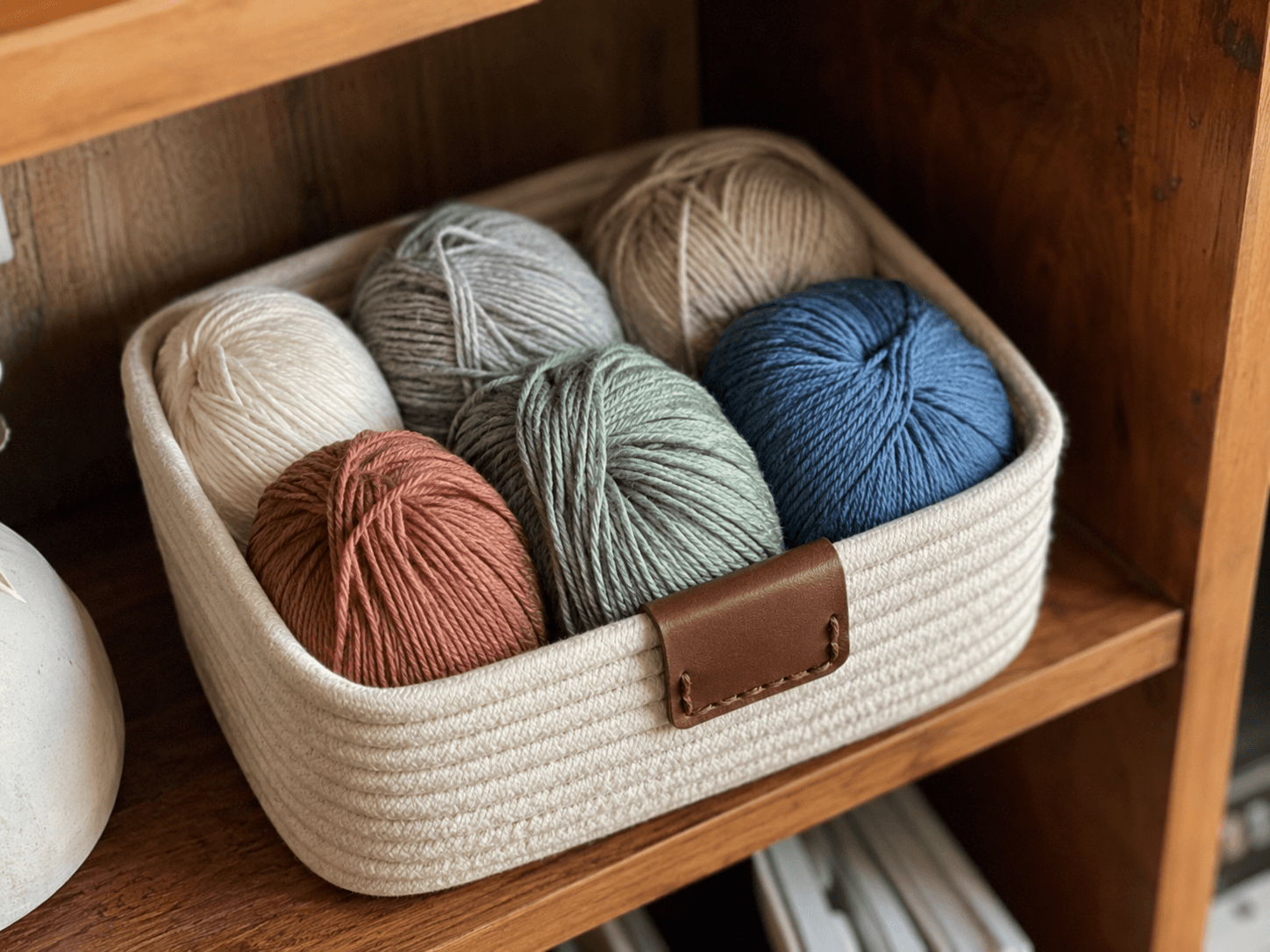
Building your first yarn collection does not require a massive investment. A well-rounded beginner stash gives you the flexibility to tackle a wide range of projects without making a special trip to the store each time. Here is what we recommend stocking up on when you are choosing the beginner-friendly yarn:
- Two to three skeins of worsted weight acrylic in a light, neutral color like cream or beige. This is your everyday workhorse yarn for practice and projects.
- One or two skeins of worsted weight cotton in white or ecru for dishcloths, market bags, and home decor items.
- A few skeins in accent colors that coordinate with your neutrals. Having two or three additional colors opens up possibilities for stripes, colorwork, and multi-piece projects.
- One skein of a bulky or super bulky yarn for quick weekend projects like ear warmers, cowls, or small gift items. The fast results of bulky yarn are incredibly motivating for beginners.
Store your stash in a cool, dry location away from direct sunlight. Clear plastic bins or hanging organizers let you see your colors at a glance while protecting the yarn from dust and moisture. As your skills grow, your stash will naturally expand to include specialty fibers, but these basics will cover almost everything you want to make in your first year of crochet. For more guidance on building your collection, check out our complete crochet yarn guide.