Crochet Rug: 7 Easy Home Ideas + a Free Chunky Round Pattern

Crochet Rug: 7 Easy Home Ideas + a Free Chunky Round Pattern

Crochet Rug: 7 Easy Home Ideas + a Free Chunky Round Pattern

This is KnotToYarn’s own original pattern, free to use, and you’re welcome to sell what you make from it.

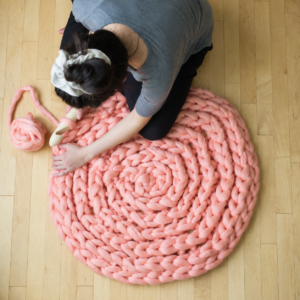
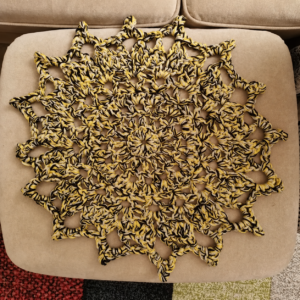
A proper floor rug needs bulk, so this one is worked in super-bulky yarn (or three strands of worsted held together) in a flat spiral with a rope-like ridge. Complete pattern below.

Materials

  • Super bulky (category 6) yarn or T-shirt yarn, 400-600 g, or 3 strands of worsted held as one
  • 9.0 mm (US M) crochet hook
  • Stitch marker, yarn needle, non-slip rug pad (genuinely, buy one)

Finished size: About 70 cm (27 in) diameter; the formula keeps going as far as your yarn does
Skill level: Beginner
Abbreviations (US terms): ch (chain), sc (single crochet), hdc (half double crochet), inc (2 sts in one st), BLO (back loop only), st(s) (stitch/es)

Instructions

Worked in a continuous spiral. Move your marker every round.

Round 1: 6 sc in a magic ring: 6 sts.

Round 2: Inc around: 12 sts.

Round 3: (Hdc 1, inc) around: 18 sts. From here on, work hdc in the BLO, the unworked front loops form the spiral ridge that gives the rug its coiled-rope look.

Round 4: (Hdc 2, inc) around, BLO: 24 sts.

Round 5: (Hdc 3, inc) around, BLO: 30 sts.

Continue the rhythm, one more hdc between increases each round, always +6 per round, always BLO, until the rug reaches your size. 70 cm is usually 20-22 rounds in super bulky.

THE FLATNESS LAW: if the edge ripples, you are increasing too much, do one round with only 3 evenly spaced increases. If it cups upward, too little, add 3 extra. Rugs are big enough that gauge drift WILL happen; correct it per-round and nobody will ever know.

Finishing

Final round: sc in each st (through both loops) for a clean closed edge, then sl st 3 and fasten off invisibly. Weave the fat ends with a needle, splitting plies. Put the non-slip pad under it, a chunky rug on hard floor without one is a skating rink, and no pattern note has ever been more sincere.

Made this? We’d love to show off your work, send a photo through our contact page and we’ll feature it here with credit to you.

Tip: Three worsted strands held together make a beautiful marled rug from stash leftovers, keep one strand constant (say, cream) and rotate the other two for stripes that blend instead of band.

Quick Answer

A crochet rug is a handmade floor covering you make with yarn and a hook. Cozy bathroom mat, chunky living-room rug, colorful kitchen accent, crochet rugs are practical, washable, and easy to match to your decor.

Tip: Always use a non-slip rug pad underneath your crochet rug for safety on hard floors.

At a Glance

  • Skill level: beginner to intermediate
  • Time needed: 4-12 hours depending on size
  • Best yarn: cotton or bulky acrylic for durability
  • Hook size: 8mm to 12mm depending on yarn weight

Common Mistakes to Quick Fixes

  • Rug curling at edges: add 2-3 more chain stitches at each row end or switch to a larger hook
  • Rug too thin or flimsy: hold two strands of yarn together or use bulky/super bulky weight yarn
  • Rug sliding on floor: attach a non-slip rubber backing or use a gripper pad underneath

Mini Glossary

SC (single crochet), HDC (half double crochet), DC (double crochet), CH (chain), SL ST (slip stitch), FO (fasten off), t-shirt yarn (recycled fabric yarn), bulky weight (thick yarn category), gauge swatch (test piece for sizing)

The right rug can add warmth, texture, and handmade charm to any room, something a store-bought rug just can’t match. Complete beginner on your first home project or an old hand after fresh ideas, this guide covers seven easy free designs, yarn tips, construction methods, and everything else you need to make great floor coverings.

If you are brand new to the craft, be sure to check out our guide on how to crochet for beginners before diving in. Having the foundational skills will make every crochet rug pattern much easier to follow and enjoy.

Why Every Crocheter Needs a Great Crochet Rug Pattern?

A rug is one of the more rewarding projects because it’s creative and genuinely practical. Unlike decor that sits on a shelf, a handmade rug gets used every day, and there’s a real sense of pride each time you walk across it. They also make thoughtful, one-of-a-kind gifts for housewarmings, weddings, and holidays.

Another big plus is how customizable it is, from the color palette to the exact dimensions. Want a rug that matches your living-room curtains? Pick matching yarn. Need a specific size for a narrow hallway? Adjust the stitch count. That kind of personalization is what makes crocheted decor special.

How Do You Choose the Best Yarn for Your Crochet Rug Pattern?

The yarn is arguably your most important decision. It affects not just how the rug looks but how well it holds up to foot traffic, washing, and daily wear. For a full overview of fibers and weights, see our best yarn for beginners guide.

Cotton Yarn

Cotton is the top choice for bathroom and kitchen rugs because it is naturally absorbent, machine washable, and extremely durable. It holds its shape well over time and resists pilling. Look for worsted or chunky cotton varieties for the best results with any crochet rug pattern.

Acrylic Yarn

Acrylic is budget-friendly, soft underfoot, and available in virtually every color imaginable. It works wonderfully for bedroom and living room rugs that will not be exposed to moisture. When selecting acrylic, choose a bulky or super bulky weight to ensure your rug has enough body and thickness.

T-Shirt Yarn

Recycled t-shirt yarn has become incredibly popular for rug making. It produces thick, sturdy, and eco-friendly rugs that hold up well in high-traffic areas. Because t-shirt yarn is so thick, projects work up quickly, making it ideal for beginners tackling their first crochet rug pattern.

For detailed information about yarn weight categories and how they affect your projects, the Craft Yarn Council’s yarn weight system is an excellent reference.

Basic Crochet Rug Construction Methods

Knowing the basic construction methods helps you approach any rug with confidence. Most are built one of three ways: worked in rows, worked in the round, or made from joined motifs.

Row-by-Row Construction

This is the simplest approach and an excellent starting point for newcomers. You chain your starting length, then work back and forth in rows until the rug reaches the desired width. The single crochet stitch creates a dense, durable fabric that works well for rug making. If you notice your edges curling, you may need to fix crochet tension issues or switch to a larger hook.

Working in the Round

Round rugs are constructed by starting with a magic ring or chain loop and working outward in continuous spirals or joined rounds. The key challenge with round rugs is keeping the piece flat. If your rug begins to ruffle, you are adding too many stitches. If it starts to bowl upward, you need more increases. Learning proper crochet hook sizes and when to change them is essential for round rug success.

Motif Joining

This method involves crocheting individual shapes, such as squares or hexagons, and then joining them together to form the finished rug. A classic granny square pattern is the most popular choice for motif-based rugs, and we will explore this approach in more detail below.

7 Popular Crochet Rug Patterns to Try

Here are seven rug designs, from beginner-friendly to impressively detailed, each one offering something different for your home.

1. Classic Granny Square Rug

The granny square rug is a timeless favorite. Make multiple squares in coordinating colors, then join them with slip stitches or a whip stitch seam. This crochet rug pattern is highly portable because you can work on individual squares anywhere and assemble them later. It is also a fantastic stash-busting project.

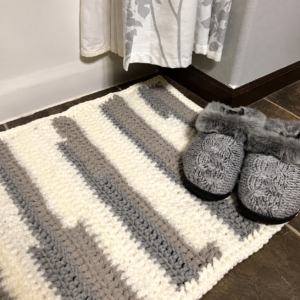
2. Simple Single Crochet Rectangle

This ultra-easy rectangular rug uses only single crochet stitches worked back and forth in rows. It is the perfect first crochet rug pattern for absolute beginners because it requires no increases, decreases, or complex shaping. Choose two or three colors for stripe variations.

3. Chunky Round Floor Mat

Worked in the round with bulky yarn, this circular mat creates a cozy focal point for any room. Using two strands of worsted weight yarn held together can achieve a similar effect if you do not have bulky yarn on hand. This crochet rug pattern works up surprisingly fast.

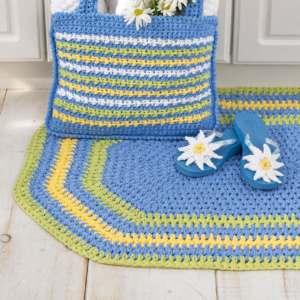
4. Oval Bathroom Rug

Oval rugs are constructed similarly to round rugs but with elongated starting chains. They fit beautifully in front of bathtubs and sinks. Cotton yarn is highly recommended for this crochet rug pattern because of its absorbency and washability.

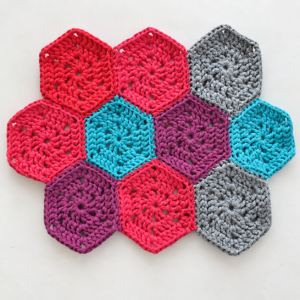
5. Hexagon Motif Rug

For something a little different, hexagon motifs create a gorgeous honeycomb effect when joined together. Each hexagon is worked individually, making this another excellent on-the-go project. This crochet rug pattern looks stunning in gradient color schemes.

6. Ripple Crochet Rug

The ripple or chevron stitch creates beautiful waves of color across your rug. While it requires a bit more attention to stitch placement, the visual payoff is absolutely worth it. This crochet rug pattern is great for adding a bohemian or coastal vibe to your space.

7. T-Shirt Yarn Braided Rug

This incredibly thick and plush rug is made by working single crochet with recycled t-shirt yarn using a very large hook, typically 12mm or larger. The result is a dense, cushioned mat that feels luxurious underfoot. It is one of the fastest crochet rug pattern projects you can complete.

Sizing Tips for Every Room

Getting the dimensions right means your finished rug fits its space. Always work a gauge swatch first so you can accurately work out how many stitches and rows you need.

  • Bathroom rugs: 18 x 24 inches is the standard bath mat size
  • Kitchen rugs: 20 x 30 inches works well in front of sinks or stoves
  • Living room accent rugs: 36 x 48 inches or larger for a statement piece
  • Bedside rugs: 24 x 36 inches provides a comfortable step-out area
  • Entryway rugs: 24 x 36 inches for a standard front door mat

To adjust the size of any crochet rug pattern, simply add or subtract rows for rectangular designs, or increase or decrease the number of rounds for circular and oval rugs.

Finishing Techniques and Edging Ideas

The finishing touches take a rug from homemade to polished. A well-worked border frames the piece and adds structural stability.

Simple Border Options

  • Single crochet border: One or two rounds of SC around the entire edge for a clean, neat finish
  • Crab stitch (reverse SC): Creates a beautiful corded edge that looks sophisticated
  • Shell stitch border: Adds a decorative, scalloped edge suited to feminine or vintage-style rugs
  • Picot border: Small decorative loops that add delicate charm

After completing your border, weave in all yarn ends with a tapestry needle. For the most secure finish, weave each tail through at least six stitches in different directions. Then block your rug by laying it flat on a towel, shaping it to the correct dimensions, and allowing it to dry completely.

How to Care for Your Crochet Rug?

Proper care ensures your crochet rug pattern creation lasts for years. Always check the yarn label for specific washing instructions, but here are some general guidelines.

  • Machine washing: Use cold water on a gentle cycle. Place the rug in a mesh laundry bag to prevent stretching.
  • Drying: Lay flat to dry to maintain shape. Never hang a wet rug, as the weight of the water will distort it.
  • Spot cleaning: Blot spills immediately with a clean cloth and mild soap.
  • Storage: Roll rugs instead of folding to prevent crease lines. Store in a cool, dry place.

For more crochet home decor inspiration and pattern ideas, browse the free patterns available on Ravelry.

Frequently Asked Questions

What is the easiest crochet rug pattern for beginners?

The simplest rug for beginners is a rectangle worked in single crochet rows. One basic stitch, no shaping, so you can focus on even tension. Start at bath-mat size to build confidence before going bigger.

What yarn is best for a durable crochet rug pattern?

Cotton yarn is the most durable choice for rugs, especially in high-traffic and moisture-prone areas like bathrooms and kitchens. T-shirt yarn is another excellent option for its thickness and strength. Acrylic works well for low-traffic areas such as bedrooms and living rooms.

How do I keep my crochet rug from curling?

If your rug curls at the edges, try a larger hook, add a few chain stitches at the end of each row, or block the finished piece. Curling usually comes from stitching too tightly, so relaxing your grip helps too.

Can I make a crochet rug without a pattern?

Yes, once you understand basic construction methods, you can design your own rug. Start by choosing a shape and stitch, then work until you reach your desired size. However, following a crochet rug pattern ensures proper proportions and helps you avoid common mistakes.

How long does it take to complete a crochet rug pattern?

Time depends on size, complexity, and your skill level. A small bath mat might take 4 to 6 hours; a large living-room rug can run 12 or more. Thicker yarn and bigger hooks speed things up considerably.

Similar Posts

Leave a Reply

Your email address will not be published. Required fields are marked *