Granny Square Mosaic Crochet: 7 Ideas + a Free Starter Square

Granny Square Mosaic Crochet: 7 Ideas + a Free Starter Square

Granny Square Mosaic Crochet: 7 Ideas + a Free Starter Square

Quick Answer

A granny square mosaic crochet pattern combines the classic granny square structure with mosaic colorwork techniques, creating stunning geometric designs using only one color per row. This approach lets you achieve the look of complex color changes without ever carrying multiple yarn strands. Tip: always read your mosaic chart from right to left on right-side rows and left to right on wrong-side rows for the best results.

Tip: Start with a two-color mosaic chart before attempting multi-color designs: mastering the basics first will make every project easier.

At a Glance

  • Skill level: intermediate
  • Time needed: 2-4 hours per square
  • Best yarn: worsted weight cotton or acrylic blend
  • Hook size: 5.0 mm (H-8)

Common Mistakes → Quick Fixes

  • Skipping the chain-space stitch: always chain the required number of stitches before dropping your yarn to avoid tight tension
  • Forgetting to drop the unused color: keep the inactive yarn at the back of your work and pick it up on the return row
  • Reading the chart wrong: use a row counter and mark each completed row with a sticky note on your chart

Mini Glossary

Mosaic crochet (MC), overlay mosaic crochet (OMC), inset mosaic crochet (IMC), front post double crochet (FPDC), chain space (ch-sp), single crochet (SC), double crochet (DC)

This is KnotToYarn’s own original pattern, free to use, and you’re welcome to sell what you make from it.

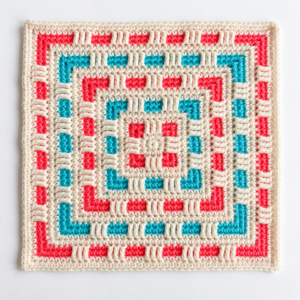
True inset mosaic uses charts; this square gives you the bold two-color geometry of mosaic crochet with nothing but double crochet and one trick, the spike stitch. It is the perfect first step before tackling the charted ideas below.

Materials

  • Worsted weight (category 4) yarn in two high-contrast colors, A (dark) and B (light), about 20 g each
  • 4.5 mm (US 7) crochet hook
  • Yarn needle, scissors

Finished size: About 15 cm (6 in) square
Skill level: Confident beginner
Abbreviations (US terms): ch (chain), dc (double crochet), sl st (slip stitch), st(s) (stitch/es), spike dc (a dc worked into the stitch TWO rounds below, in front of the current round’s fabric)

Instructions

Round 1: With color A, ch 4, sl st to form a ring. Ch 3 (counts as dc), 2 dc in the ring, ch 2, *3 dc in the ring, ch 2; repeat from * twice more, sl st to join, 4 groups of 3 dc with 4 corner spaces.

Round 2: With color B (join in any corner sp), ch 3, (2 dc, ch 2, 3 dc) in the same corner sp. *3 dc in the next gap between groups? No gaps yet on this round, work (3 dc, ch 2, 3 dc) in each corner sp around, with 1 dc in the single space between corner groups on each side; sl st to join.

Round 3: With color A, sl st to the corner sp. Ch 3, (2 dc, ch 2, 3 dc) in the corner. *1 spike dc into Round 1’s corner-adjacent stitch directly below, 3 dc in the side space, 1 spike dc below, (3 dc, ch 2, 3 dc) in the next corner; repeat from * around, sl st to join. The dark spikes over the light round create the first mosaic-style motif.

Round 4: With color B, repeat the structure of Round 3: corners as (3 dc, ch 2, 3 dc), sides filled with 3-dc groups, and one spike dc centered over each side worked two rounds below.

Rounds 5-6: Continue alternating colors every round. On each round, place spike dc stitches so they stack in vertical columns, always inserting two rounds below into the same column. Two columns per side on Round 5, then three on Round 6, keeps the grid growing evenly.

Work corners as (3 dc, ch 2, 3 dc) on every round, and fill remaining side space with regular dc so each side grows by one group per round.

Finishing

Fasten off and weave in the ends along same-color rounds. Block firmly, mosaic-style fabric looks dramatically sharper after blocking because the spikes settle flat against the surface.

Made this? We’d love to show off your work, send a photo through our contact page and we’ll feature it here with credit to you.

Tip: Spike stitches eat more yarn than regular dc. Work them loosely: pull the loop up to the full height of the current round before completing the stitch, or the fabric will pucker.

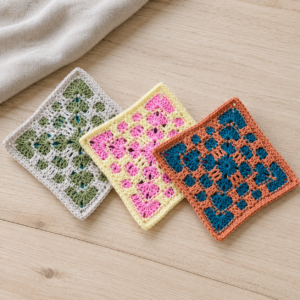
Mosaic granny squares are one of the most fun ways to add intricate geometric colorwork to your projects. By combining the granny square build with mosaic technique, you get bold designs that look complex but only ever use one color per row. Seasoned crocheter or an intermediate crafter after a new challenge, these will add something fresh to your project list.

Mosaic crochet has taken off the last few years, and for good reason: it makes flat, reversible fabric that’s great for blankets, pillows, bags, and garments. Pair it with the familiar granny square structure and the results are genuinely striking. This guide walks through seven free patterns that do exactly that.

You can learn more about standard crochet abbreviations and techniques from the Craft Yarn Council, which provides authoritative resources for crocheters of all levels. For free pattern inspiration, browse the Ravelry pattern database, which features thousands of granny square designs from designers worldwide.

What Is a Granny Square Mosaic Crochet Pattern?

A granny square mosaic crochet pattern merges two beloved crochet techniques into one innovative approach. how to make a granny square are built from rounds of double crochet stitches and chain spaces, creating open, lacy motifs. Mosaic crochet, on the other hand, uses a grid-based chart system where you work with one color at a time, dropping and picking up colors to create geometric patterns.

There are two primary methods used in mosaic crochet: overlay mosaic crochet and inset mosaic crochet. In overlay mosaic, you work special stitches (usually front post double crochet) over the previous row to create the color pattern. In inset mosaic, you work stitches around the posts of previous-row stitches to achieve the same effect. Both methods produce gorgeous results, and choosing between them often comes down to personal preference.

The beauty of mosaic crochet is that you never need to carry more than one color of yarn at a time. This makes it far less fiddly than traditional colorwork methods like tapestry crochet or intarsia. Each row is worked entirely in one color, and you simply drop the unused yarn at the end of the row before picking up the next color on the following row.

Essential Tools and Materials

Before your first mosaic square, get your supplies together, a few key materials make all the difference to how it turns out.

Yarn Selection

Choose a worsted weight yarn in high-contrast colors for the best visual impact. Cotton blends like Berroco Vintage or acrylics like Red Heart Super Saver work wonderfully. The key is selecting two colors that have enough contrast so the mosaic pattern reads clearly. Avoid colors that are too similar in value, as the design will become muddled.

For a first project, pair a dark navy or charcoal with a bright cream or white, that high contrast makes every stitch pop. Once you’re comfortable, branch out into bolder pairings like terracotta and sage, mustard and teal, or burgundy and cream.

Hooks and Notions

A 5.0 mm (H-8) hook is ideal for most worsted weight mosaic projects. You may also want to have a slightly smaller hook (4.5 mm) on hand for tighter gauge work, especially if you tend to crochet loosely. Other helpful notions include stitch markers, a row counter, and a chart holder or magnetic board to keep your pattern visible.

7 Stunning Free Granny Square Mosaic Crochet Patterns

Here are seven free patterns that show off what this technique can do. Each one comes with a chart and written instructions so you can follow along.

Pattern 1: Geometric Diamond Mosaic Square

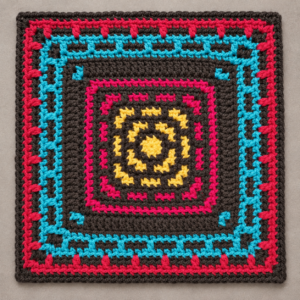
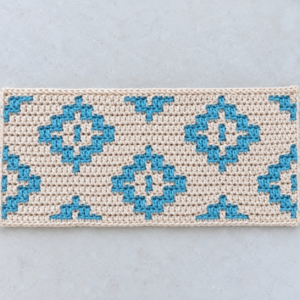
This foundational pattern features a bold diamond shape in the center, created using the overlay mosaic technique. It is an excellent starting point because the repeat is simple and rhythmic. The diamond motif works up quickly and looks fantastic when multiple squares are joined together for a blanket. Use two contrasting colors to make the geometric design really stand out.

Pattern 2: Zigzag Mosaic Granny Square

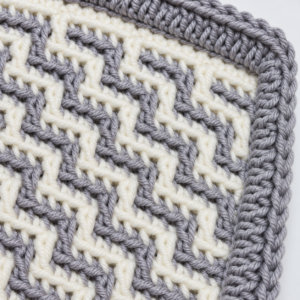
The zigzag pattern creates a dynamic, energy-filled design well suited to modern projects. This granny square mosaic crochet pattern uses a four-row repeat that is easy to memorize once you get into the rhythm. The zigzag motif looks especially striking when worked in rainbow gradients or ombre yarns paired with a solid contrast color.

Pattern 3: Heart Motif Mosaic Square

This sweet pattern features a heart shape worked in mosaic colorwork at the center of the granny square. It works well for Valentine-themed projects, baby blankets, and gift items. The heart design uses a combination of single crochet stitches and front post double crochet stitches to create clean, crisp lines.

Pattern 4: Starburst Mosaic Square

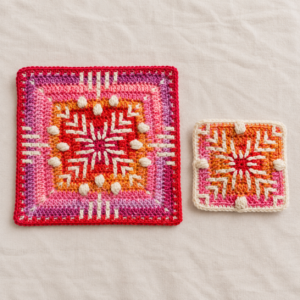
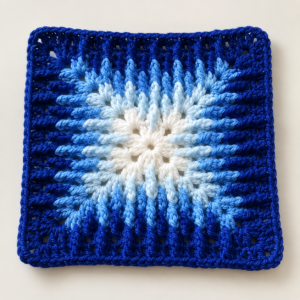
The starburst pattern radiates outward from the center, creating a sun-like effect that adds warmth to any project. This intermediate-level granny square mosaic crochet pattern uses a slightly more complex chart but produces stunning results. Try it in golden yellow and deep navy for a celestial-inspired look.

Pattern 5: Chevron Mosaic Granny Square

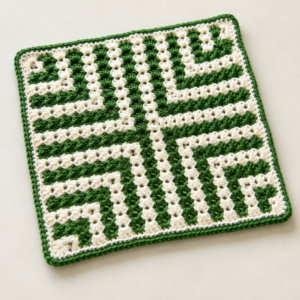
Chevron patterns are timeless, and this mosaic version is no exception. The chevron granny square mosaic crochet pattern creates gentle waves of color that flow beautifully across multiple joined squares. This design works especially well for throws and afghans, where the repeating chevrons create a cohesive, professional-looking fabric.

Pattern 6: Floral Inset Mosaic Square

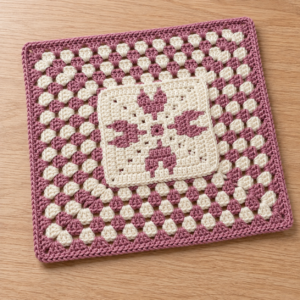
This unique pattern uses the inset mosaic technique to create a delicate flower motif at the center of each square. The inset method produces a slightly different texture than overlay, with stitches that nestle into the fabric rather than sitting on top. The result is a beautifully textured square with subtle dimension.

Pattern 7: Aztec-Inspired Mosaic Square

Drawing inspiration from traditional Aztec textiles, this bold pattern features interlocking triangles and stepped motifs. It is the most complex of the seven patterns but also the most rewarding. Work this granny square mosaic crochet pattern in earthy tones like terracotta, turquoise, and cream for an authentic southwestern aesthetic.

How to Read Mosaic Crochet Charts?

Reading mosaic crochet charts is an essential skill for any crocheter working with this technique. If you already know how to read a crochet pattern, you will find that mosaic charts follow a similar logic but with some unique conventions.

Mosaic charts are typically presented as a grid where each square represents one stitch. The color of the square indicates which yarn color to use for that stitch. Special symbols within the grid indicate whether to work a regular stitch or a drop-stitch/overlay stitch. In overlay mosaic, you will often see symbols for front post double crochet (FPDC), while inset mosaic uses different symbols for stitches worked around previous-row posts.

When working from a chart, always start at the bottom-right corner for right-side rows and read left to right. For wrong-side rows (which you will encounter if working in turned rows), read the chart from left to right. Use a magnetic chart marker or washi tape to track your current row, this simple trick will save you countless hours of frogging and reworking.

What Are the Best Tips for Perfect Mosaic Crochet Tension?

Tension is arguably the most important factor in successful mosaic crochet. If your tension is too loose, the mosaic stitches will look sloppy and undefined. If it is too tight, your fabric will curl and the dropped yarn strands will be difficult to work over on the return row.

To maintain even tension throughout your granny square mosaic crochet pattern, focus on keeping your chain spaces consistent. When you drop the unused color and chain across the stitches, make sure each chain is the same size. A common mistake is chaining too tightly, which causes the fabric to pucker. Practice chaining loosely and evenly, this single adjustment will dramatically improve your mosaic crochet results.

Another helpful tip is to block your finished squares before joining them. Blocking evens out your stitches, relaxes the fabric, and ensures all your squares are the same size. Wet block or steam block your squares, pinning them to the correct dimensions and letting them dry completely before seaming.

Joining Mosaic Granny Squares

Once you have completed your squares, joining them is the next exciting step. There are several methods for joining granny squares, each producing a different visual effect. The flat slip stitch join creates a nearly invisible seam, while the single crochet join adds a decorative ridge between squares. For mosaic squares specifically, the join-as-you-go method works beautifully and eliminates the tedious finishing process.

Whichever joining method you choose, take the time to plan your layout before seaming. Lay all your squares out on a flat surface and arrange them in the most pleasing color distribution. This is especially important with granny square mosaic crochet pattern designs, where the direction of the mosaic design can create different visual effects depending on placement.

What Are the Best Tips for Your Mosaic Crochet Project?

When you shop for yarn, pick high-contrast colors so the geometric design reads clearly, value contrast matters more than the exact hues.

Working these squares builds chart-reading skills that carry over to plenty of other crochet techniques.

Before a complex chart, practice the overlay stitch on a small swatch until the motion feels natural.

When a chart calls for dropped stitches, keep the inactive yarn relaxed at the back so your tension stays even.

These squares are easy to take along, good for commutes, travel, and waiting rooms.

The finished fabric is naturally thick and warm, which makes it well suited to cozy winter blankets and afghans.

When you join several squares, plan the color placement carefully, small changes in orientation create very different overall effects.

Blocking your squares evens out the size and sharpens stitch definition across the whole project.

There are loads of free resources out there, video tutorials, printable charts, and community forums, if you want extra help.

It’s worth having one go-to mosaic square in your repertoire for quick, impressive gift-making.

A good pattern gives you both a visual chart and complete written instructions, row by row.

The repetitive rhythm makes these a meditative, relaxing project once you settle into it.

Cotton or a cotton blend gives the clearest, most defined stitches, ideal for showing off the colorwork.

It’s the kind of project that earns compliments from crafters and non-crafters alike.

The geometric precision really appeals to crocheters who like structured, pattern-based work.

For your very first one, start with a simple two-color design before moving on to multi-color charts.

Frequently Asked Questions

Is mosaic crochet suitable for beginners?

While mosaic crochet is generally considered an intermediate technique, ambitious beginners can absolutely learn it with patience. The key is to start with a simple two-color chart and work slowly. Practice the overlay stitch on a small swatch before committing to a full project. Many crocheters find that once the basic mechanics click, mosaic crochet becomes one of their favorite techniques.

What is the difference between overlay and inset mosaic crochet?

Overlay mosaic crochet works special stitches (typically front post double crochet) over the top of the previous row’s stitches, creating a layered effect. Inset mosaic crochet works stitches around the posts of previous-row stitches, creating a flatter fabric where the color changes are embedded within the fabric. Both produce beautiful results, but overlay tends to create more defined lines while inset creates a smoother, more integrated look.

Can I use any granny square tutorial for mosaic crochet?

Not every granny square pattern is suitable for mosaic crochet. Mosaic requires a grid-based chart where the pattern is built row by row rather than in the round. However, many traditional granny square motifs can be adapted to mosaic by converting the round-based instructions into row-by-row chart format. Look specifically for patterns labeled as “mosaic granny squares” to ensure they are designed for this technique.

How do I prevent my mosaic crochet from curling?

Curling in mosaic crochet is usually caused by tension issues, particularly tight chaining when dropping the yarn. To prevent curling, make sure your chain stitches are the same size as your regular stitches. You can also try going up a hook size or using a more relaxed grip. Blocking your finished work also helps flatten any minor curling.

What type of yarn works best for mosaic crochet?

A smooth, plied worsted weight works best for mosaic crochet because it makes clean, defined stitches that show the colorwork clearly. Cotton and cotton blends are excellent, they hold their shape and keep stitch definition crisp. Skip fuzzy or textured yarns like mohair or bouclé, which blur the pattern.

Similar Posts

Leave a Reply

Your email address will not be published. Required fields are marked *