Easiest Crochet Stitch: 7 Helpful Tips for Beginners
For stitch diagrams and tutorials from other crafters, visit Ravelry.
Quick Answer
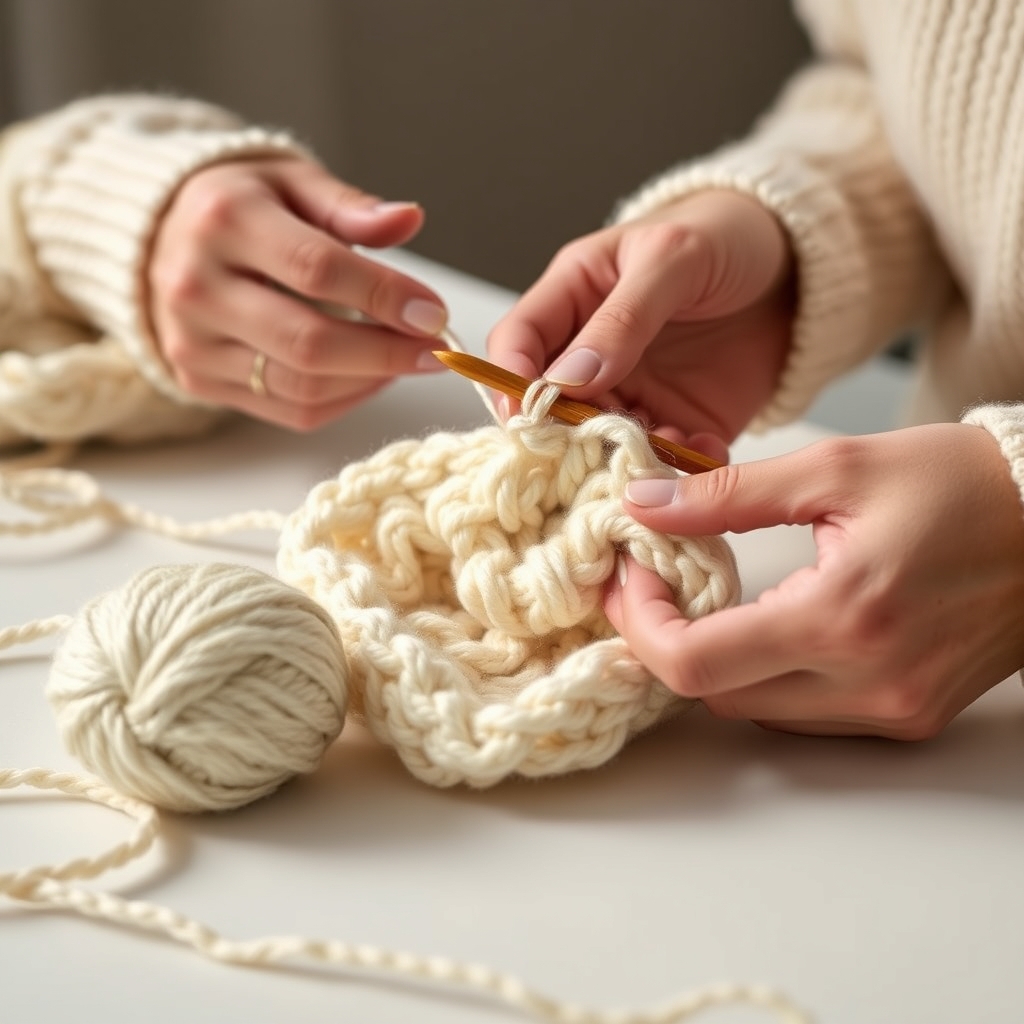
The easiest crochet stitch for beginners is the single crochet stitch. It uses the simplest motion of any crochet stitch, insert hook, yarn over, pull through, yarn over, pull through both loops, and creates a firm, easy-to-count fabric that builds essential tension control. Tip: Start with single crochet and practice until your edges are even before moving to taller stitches.
At a Glance
- Skill level: beginner
- Time needed: 15-30 minutes to learn the basic stitch
- Best yarn: worsted-weight (#4) acrylic or cotton blend
- Hook size: 5mm (H/8)
Common Mistakes → Quick Fixes
- Tension too tight: Relax your grip on the hook and let the yarn flow more naturally through your fingers.
- Uneven edges: Count your stitches at the end of every row before turning.
Mini Glossary
sc (single crochet), dc (double crochet), hdc (half double crochet), ch (chain stitch), YO (yarn over), tension (how tightly you hold the yarn).
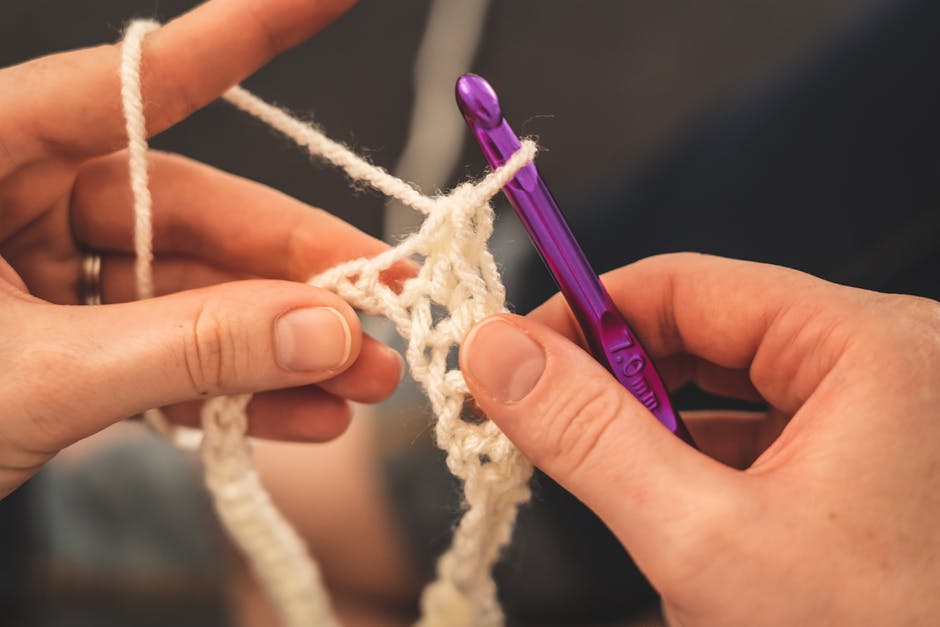
If you are picking up a hook for the very first time, the single crochet is the stitch to start with. It is short, sturdy, easy to count, and it teaches you the core motion that every other stitch is built on. The seven tips below will help you learn it cleanly and avoid the small habits that frustrate most beginners.
7 Helpful Tips for the Easiest Crochet Stitch
1. Start with single crochet
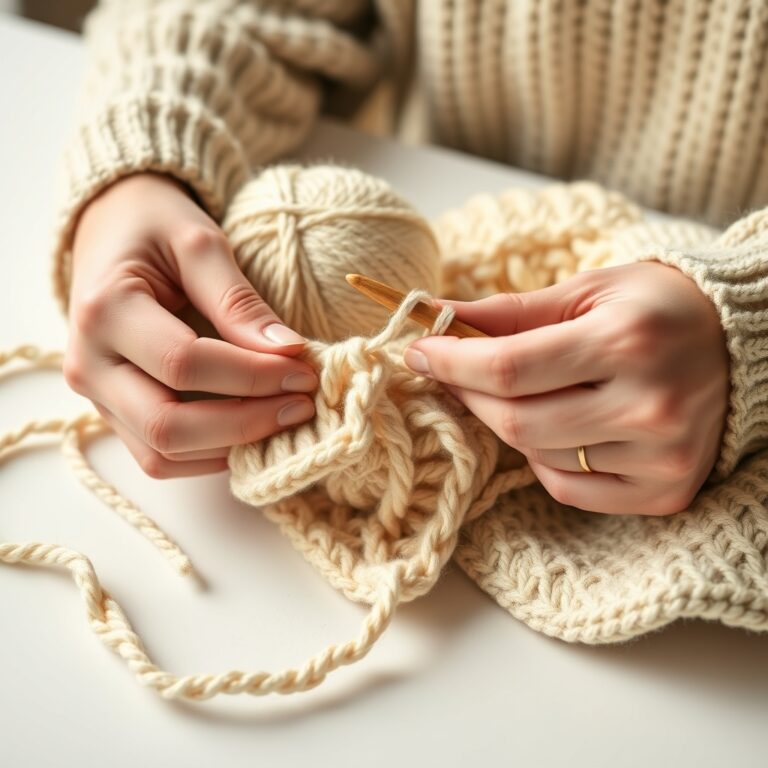
Single crochet uses the simplest motion of any stitch: insert the hook, yarn over, pull up a loop, yarn over, and pull through both loops. Because it is short and dense, the stitches are easy to see and count, which makes mistakes obvious early. Master this one stitch and every taller stitch will feel like a small variation on it.
2. Choose light, smooth worsted-weight yarn
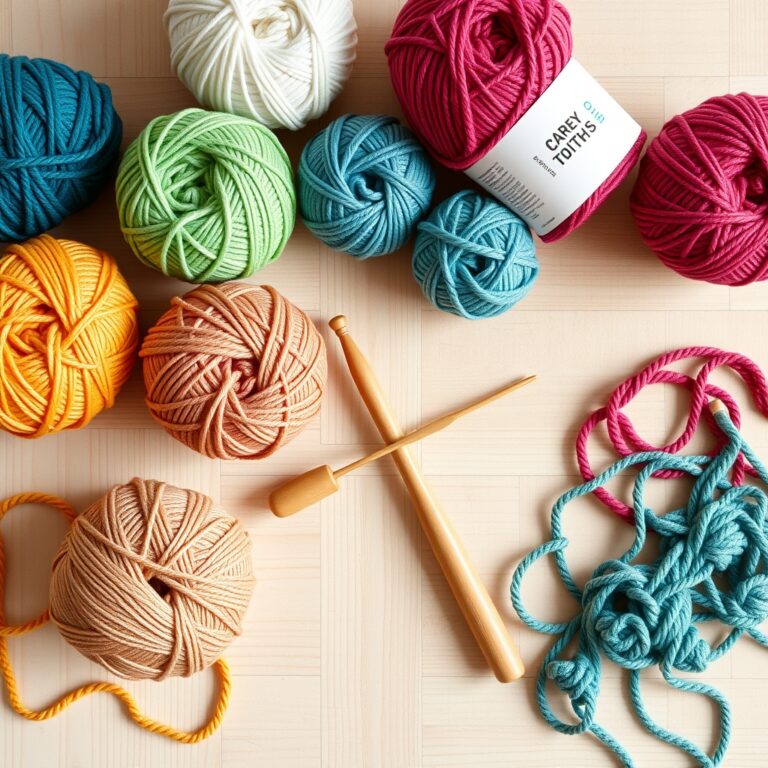
Worsted-weight (#4) acrylic or a cotton blend in a light, solid color is the best practice yarn. It is affordable, easy to find, and the light color makes every loop visible so you can spot a missed or extra stitch right away. Avoid dark, fuzzy, or novelty yarns until your hands know the motion.
3. Keep your tension relaxed and even
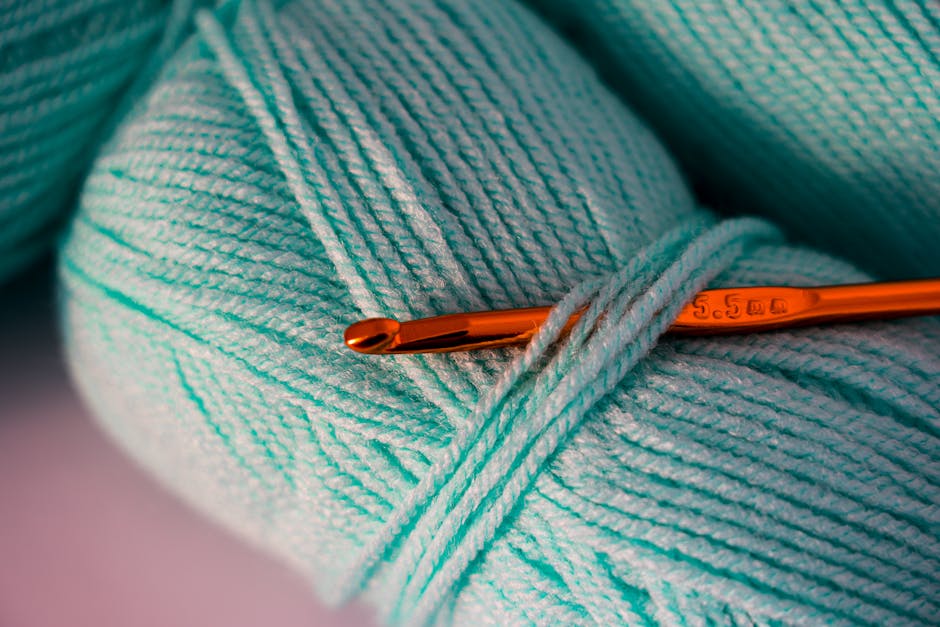
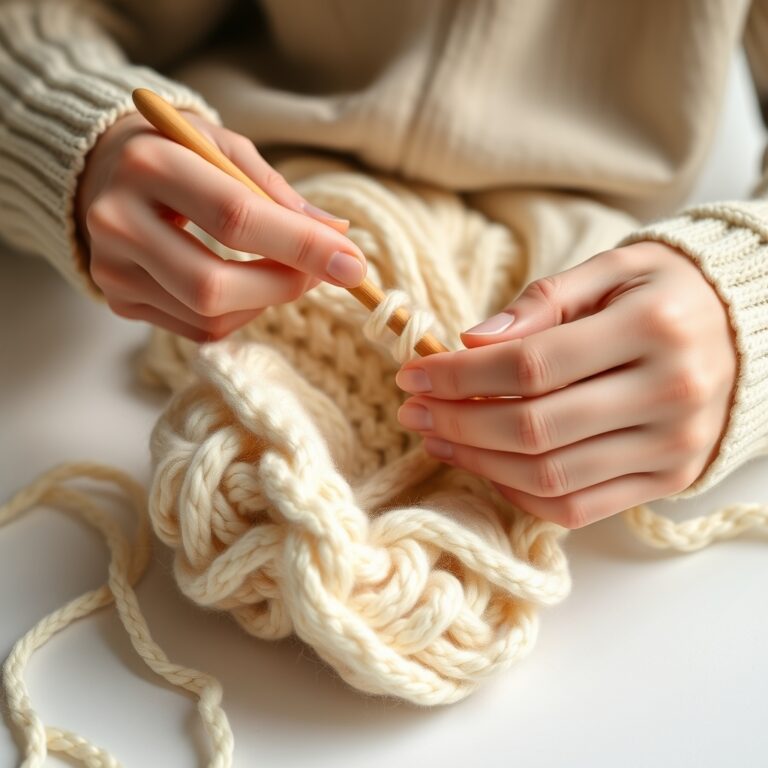
Most beginner problems come from gripping too tightly. Let the yarn flow through your fingers rather than pinching it, and try to keep the same tension on every stitch. Even tension is what produces even, professional-looking rows, and it keeps your hook moving smoothly instead of fighting tight loops.
4. Count your stitches at the end of every row
Before you turn your work, count the stitches in the row you just finished. Catching a missed or added stitch immediately means ripping back one row instead of ten. This single habit prevents the slanted, widening, or narrowing edges that discourage so many beginners.
5. Practice with stripe patterns
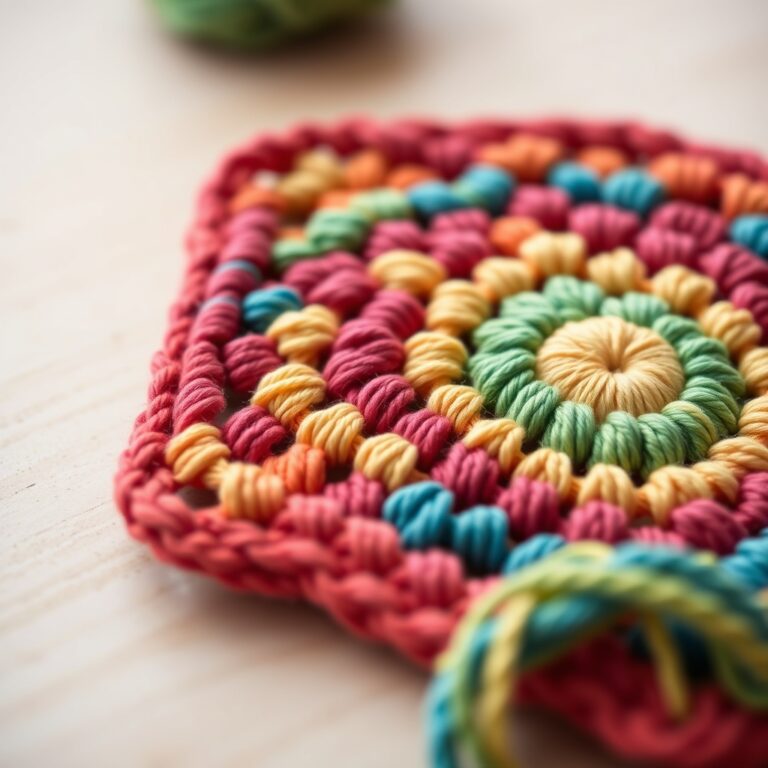
Alternating colors every two rows creates a natural rhythm and a built-in checkpoint. Work two rows in one color, then two in another. If your edges stay straight and the color changes line up, you know your tension and stitch count are consistent.
6. Make a quick gauge swatch
Before starting any pattern, work a small swatch in the stitch it calls for, then measure how many stitches fit in four inches and compare it to the pattern’s gauge. This ten-minute step can save hours of frustration. If your gauge does not match, go up or down a hook size and test again.
7. Practice in short, daily sessions
Twenty to thirty focused minutes a day builds muscle memory far faster than one long weekly marathon. Keep a small bag with your hook, yarn, and project by your favorite chair so there is no setup time, and take a photo of your swatches now and then, looking back is surprisingly motivating.
Transitioning Between Stitches Smoothly
Once you are confident with single crochet, most real patterns will ask you to combine stitches. Being comfortable switching between stitch types makes you far more versatile. A great way to practice is with ripple or chevron patterns, which alternate increases and decreases in a repeating sequence, for example, three double crochets, a decrease, three more, then a skip. The steady rhythm teaches your hands the feel of different combinations naturally. For more guidance, see the Craft Yarn Council learning hub.
How to Practice Without Wasting Yarn
Practice does not have to be expensive. A few simple strategies let you crochet as much as you need on a budget:
- Use scrap yarn. Leftovers from past projects are perfect, practice fabric does not need to be pretty, just useful for building muscle memory.
- Frog and reuse. “Frogging” means unraveling your work (“rip it, rip it”). Acrylic and cotton hold up well, so you can unravel a swatch, rewind it, and use it again.
- Thrift-store yarn. Many thrift stores sell bags of yarn for a few dollars, ideal for practice even if the colors are dated.
- Make dishcloths. Instead of swatches that go nowhere, work simple single-crochet cotton dishcloths. You get practice and a genuinely useful item at once.
Reading Stitch Patterns Like a Pro
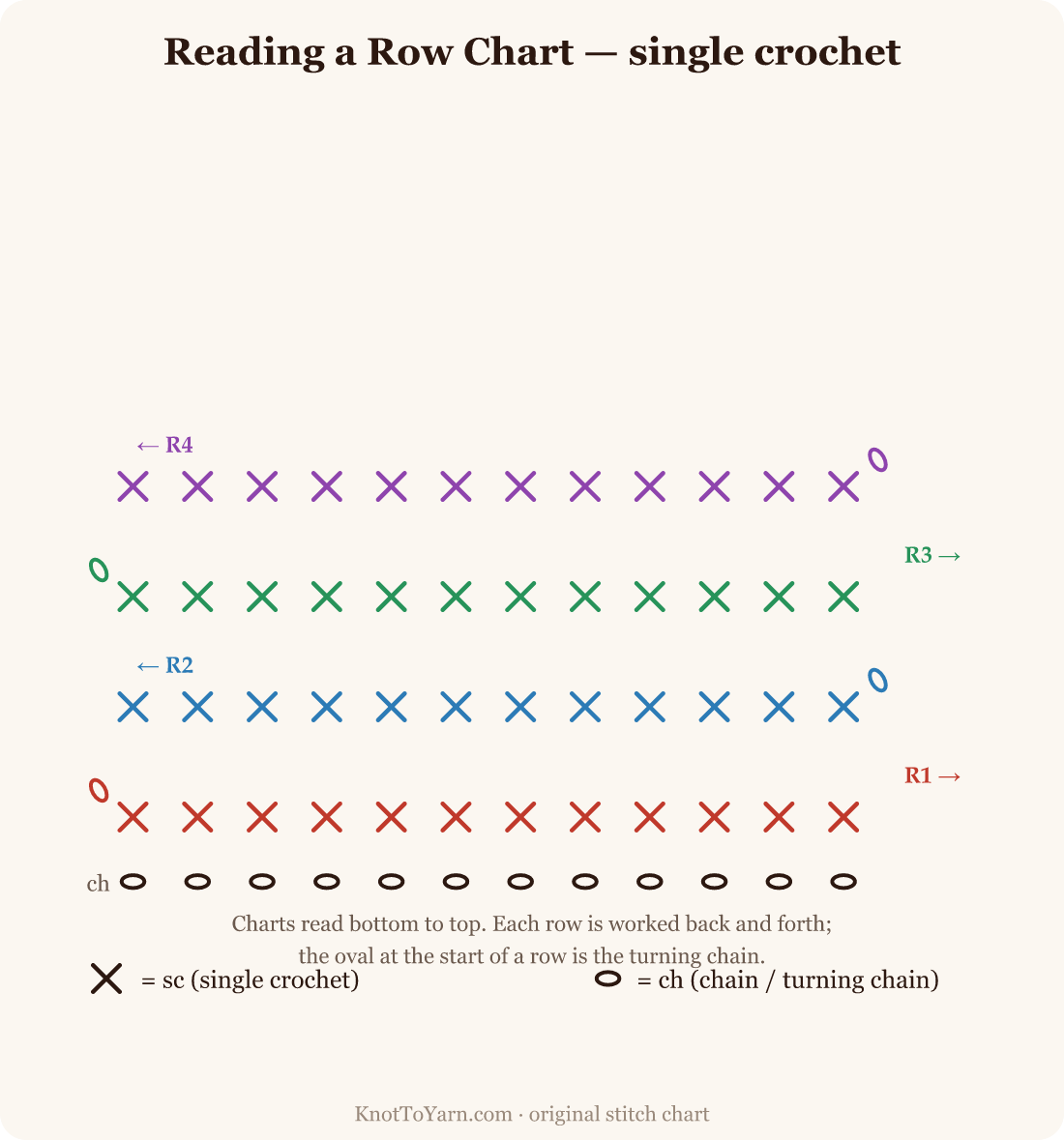
As you grow more comfortable, you will meet stitch patterns, a sequence of stitches repeated across a row to create texture. Most are written as a repeat: for example, “sc 1, skip 1, repeat across” means single crochet in one stitch, skip the next, and continue to the end of the row. The part between the repeat markers is the pattern repeat. When you are starting out, count your stitches at the end of every row until the repeat becomes second nature, it is far easier to fix a mistake one row back than ten rows later.
Related Guides
- Beginner Crochet hub
- How to Read a Crochet Pattern
- Crochet Hook Sizes
- Best Yarn for Beginner Crochet
- Free Patterns hub
Frequently Asked Questions
What is the easiest crochet stitch for beginners to learn first?
The single crochet stitch is widely considered the easiest crochet stitch for beginners to learn first because it uses the most basic technique of all. With just a yarn over and pull through two loops, single crochet builds the foundation for understanding how all other stitches work. Once you master it, learning taller stitches feels natural and intuitive.
How many basic stitches should a beginner learn?
A beginner should start by learning four basic stitches in this order: chain stitch, single crochet, half double crochet, and double crochet. These four cover the vast majority of beginner patterns and form the building blocks for more advanced techniques. Focusing on them first ensures you develop proper tension and technique.
Can I make a blanket with just single crochet?
Yes, you can absolutely make a beautiful blanket using just the single crochet stitch. A single crochet blanket has a dense, warm texture and a clean, modern look that many people prefer over more complex patterns. It also lets you practice your tension and rhythm while creating a usable, cozy project.
How do I practice the easiest crochet stitch?
Make small, flat swatches about 20 stitches wide and 10 rows tall, focusing on consistent tension and straight edges. Once your swatches look even, try simple projects like dishcloths, coasters, or a scarf using only single crochet. Small, achievable projects build confidence quickly and keep you motivated.
If you enjoyed this guide, you might also love our tutorial on Crochet Stitch Counter App For Beginners.