Single vs Double Crochet: 7 Things Beginners Need
For stitch diagrams and tutorials from other crafters, visit Ravelry.
Combining both stitches in one project. Who says you have to choose? Many of the most beautiful crochet patterns combine single and double crochet within the same piece. A blanket with a single crochet border and a double crochet body gets the warmth and density of single crochet where it matters most while benefiting from the speed of double crochet for the main body. Experiment with combining both stitches and you will discover endless creative possibilities that put the unique strengths of each on display.
Which stitch should beginners learn first? We recommend starting with single crochet because it gives you the most control over your tension. Once you can produce even, consistent single crochet stitches, moving to double crochet will feel natural. The muscle memory you develop with single crochet transfers directly to double crochet and all other stitches, so this approach actually speeds up your overall learning process even though it seems like the longer path at first.
Practice makes the difference. Set aside just ten minutes a day to alternate between a row of single crochet and a row of double crochet. Within two weeks, switching between the two stitches will feel completely natural and you will instinctively know which one to reach for based on what you are trying to create.
Speed Comparison: Which Stitch Works Faster?

If you’re deciding which stitch to use for a deadline project, a gift, say, speed matters. Here’s an honest look at how long each takes for common projects at typical speeds.
Blanket time comparison. A standard throw blanket using single crochet takes approximately 35 to 50 hours. The same blanket in double crochet takes about 18 to 25 hours. That is nearly half the time. For a baby blanket, single crochet takes roughly 15 to 20 hours while double crochet takes about 8 to 12 hours.
Why double crochet is faster. Each double crochet covers about twice the vertical distance of a single crochet, so you need fewer rows for the same height. And because the stitch is wider, rows often have fewer stitches too, so you make far fewer stitches overall to finish the same project.
When to Choose Single Crochet Over Double Crochet

Both stitches are versatile, but some projects suit one more than the other. Knowing which to pick saves time and gives better results. Here’s where single crochet wins:
Amigurumi and stuffed toys. Single crochet creates a tight, dense fabric with very small gaps between stitches. This is exactly what you want for amigurumi because stuffing will not poke through. Double crochet, with its taller and more open structure, would leave gaps that stuffing can escape through. If you plan to make any stuffed animals or toys, single crochet is your go-to stitch.
Dishcloths and scrubbers. The dense texture of single crochet makes it ideal for items that need to be sturdy and absorbent. A single crochet dishcloth will hold up to repeated washing and use much better than a lacier double crochet version.
Warm winter accessories. Because single crochet creates a tighter weave, it traps more warmth. Hats, mittens, and scarves made with single crochet will be noticeably warmer than those made with double crochet. If you live in a cold climate and want maximum warmth, single crochet is the better choice.
Bags and totes. For a bag that needs to hold weight without stretching, single crochet gives you the structure. Double crochet bags tend to stretch and sag under load, while single crochet holds its shape much better.
Projects That Shine With Double Crochet
Double crochet has its own strengths, mainly speed and drape. Because each stitch is about twice as tall as a single crochet, you finish in roughly half the time.
Blankets and afghans. If you want to make a blanket quickly, double crochet is your best friend. A throw blanket that might take 40 hours with single crochet could be done in 20 hours with double crochet. The slightly more open fabric also creates a beautiful, cozy drape that works well for blankets.
Lightweight shawls and wraps. The natural drape of double crochet fabric makes it well suited to shawls. Single crochet shawls can feel stiff and heavy, while double crochet creates a fabric that flows and moves beautifully when you wear it.
Summer tops and cardigans. Garments made with double crochet tend to be lighter and more breathable, which is ideal for warm-weather clothing. The stitch creates enough texture to be interesting while remaining comfortable to wear.
What Is the Quick Answer for Single vs Double Crochet?
Single crochet vs double crochet: the single crochet (SC) is a short, dense stitch made by inserting your hook once and pulling through two loops, while the double crochet (DC) is taller and more open because you yarn over before inserting and pull through the loops in stages. The SC creates a firm, sturdy fabric ideal for amigurumi and dishcloths, while the DC works up faster and produces a softer, drapier fabric well suited to blankets, scarves, and shawls. Tip: Start with single crochet to build tension control, then move to double crochet once your edges feel even.
At a Glance
- Skill level: beginner
- Time needed: 15-30 minutes to learn each stitch
- Best yarn: worsted-weight (#4) acrylic or cotton blend
- Hook size: 5mm (H/8)
Common Mistakes → Quick Fixes
- Missing the turning chain: Always chain 1 for SC and chain 2 (or 3) for DC at the end of each row before turning.
- Uneven edges: Count your stitches at the end of every row and make sure you are working into the correct stitch.
Mini Glossary
SC (single crochet), DC (double crochet), YO (yarn over), turning chain (chain stitches at the end of a row before turning), tension (how tightly you hold the yarn while crocheting), gauge (number of stitches per inch).
What You Will Learn
- the quick answer
- why beginners struggle
- step-by-step fixes or methods
- common mistakes
- helpful next steps
This guide gives beginners a quick, useful answer on single crochet vs double crochet, then gets into the practical details that make a project easier.
What Are the Most Common Mistakes to Avoid?
Beginners usually struggle when the first project combines too many new skills at once. A cleaner starting point almost always leads to a better result.
Related guides
- Single Crochet Stitch
- Double Crochet Stitch
- Easiest Crochet Stitch for Beginners
- Beginner Crochet hub
When to Use Single Crochet
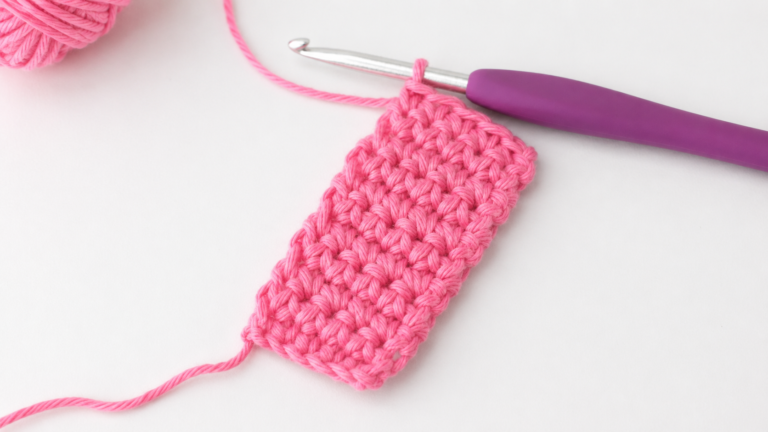
Single crochet is the best choice when you need a dense, tightly woven fabric. It is ideal for amigurumi (stuffed toys), pot holders, dishcloths, and any project that needs to hold its shape. Because each stitch is short and compact, single crochet creates a sturdy fabric that does not stretch much. It is also the easiest stitch for counting rows and maintaining consistent gauge, which makes it a great practice stitch for beginners who are still developing their tension control.
When to Use Double Crochet
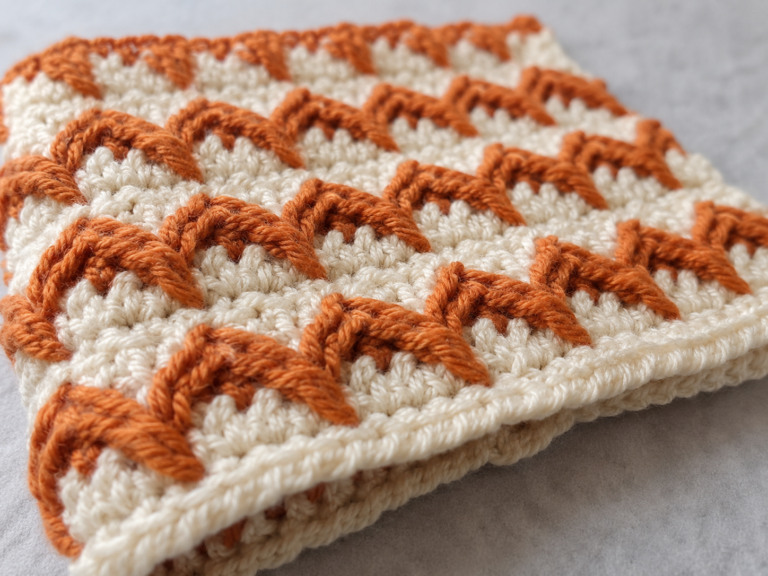
Double crochet works up roughly twice as fast as single crochet because each stitch is taller. This makes it the go-to stitch for larger projects like blankets, scarves, cowls, and shawls. The taller stitches create a fabric with more drape and flexibility, which feels softer against the skin. Double crochet is also the foundation for many decorative stitch patterns, including shells, fans, and V-stitches. If you want a project that finishes quickly and looks airy and light, double crochet is usually the better option.
Side-by-Side Comparison
- Height: SC is one chain tall; DC is roughly three chains tall
- Density: SC produces a tight, firm fabric; DC produces a loose, flexible fabric
- Speed: DC works up significantly faster than SC
- Yarn usage: DC uses slightly more yarn per inch than SC
- Best for: SC is best for structured items; DC is best for draped items
Helpful next steps
Single Crochet Vs Double Crochet mistakes beginners make
Beginners usually improve faster when they know the exact mistakes to watch for early. The most common issues come from changing too many variables at once, rushing the first rows or rounds, and skipping simple checks that would prevent frustration later.
If something looks off, test one correction at a time and compare the result after a small sample. That makes it easier to understand what actually helped.
Trusted external reference
For an authoritative reference, see the Craft Yarn Council.
You Might Also Like
Frequently Asked Questions
How do I know if my crochet gauge is correct?
To check your gauge, crochet a small swatch using the pattern’s recommended hook and yarn, then measure it. If your swatch is too large, try a smaller hook; if too small, go up a hook size. Matching gauge ensures your project turns out the right size.
What’s the difference between US and UK crochet terms?
US and UK crochet terminology uses different names for the same stitches. For example, a US single crochet is a UK double crochet. Always check which terminology your pattern uses before starting to avoid confusion.
How do I keep my crochet edges straight?
To maintain straight edges, count your stitches at the end of every row and use stitch markers at the first and last stitches. Also, ensure you’re chaining the correct number of turning chains for your stitch pattern.
Why does my crochet keep getting wider or narrower?
Your crochet growing wider usually means you’re adding extra stitches, often by working into the turning chain. Getting narrower typically means you’re skipping stitches at row ends. Counting stitches regularly helps prevent both issues.
What’s the best way to count crochet rows?
You can count rows by counting the V-shaped stitches along the edge of your work, or use a stitch counter app, row counter ring, or simply make tally marks on paper. For complex patterns, running a thread through the last stitch of each row helps track progress.