Crochet Hooks Guide: 5 Essential Styles
Crochet hooks come in various materials, sizes, and styles that directly affect your stitching experience. Choosing the right crochet hook can make the difference between a frustrating project and an enjoyable one.
Tip: Always test a new hook with a small swatch before starting your full project, this ensures the hook material and size feel comfortable in your hand.
Why hook choice matters
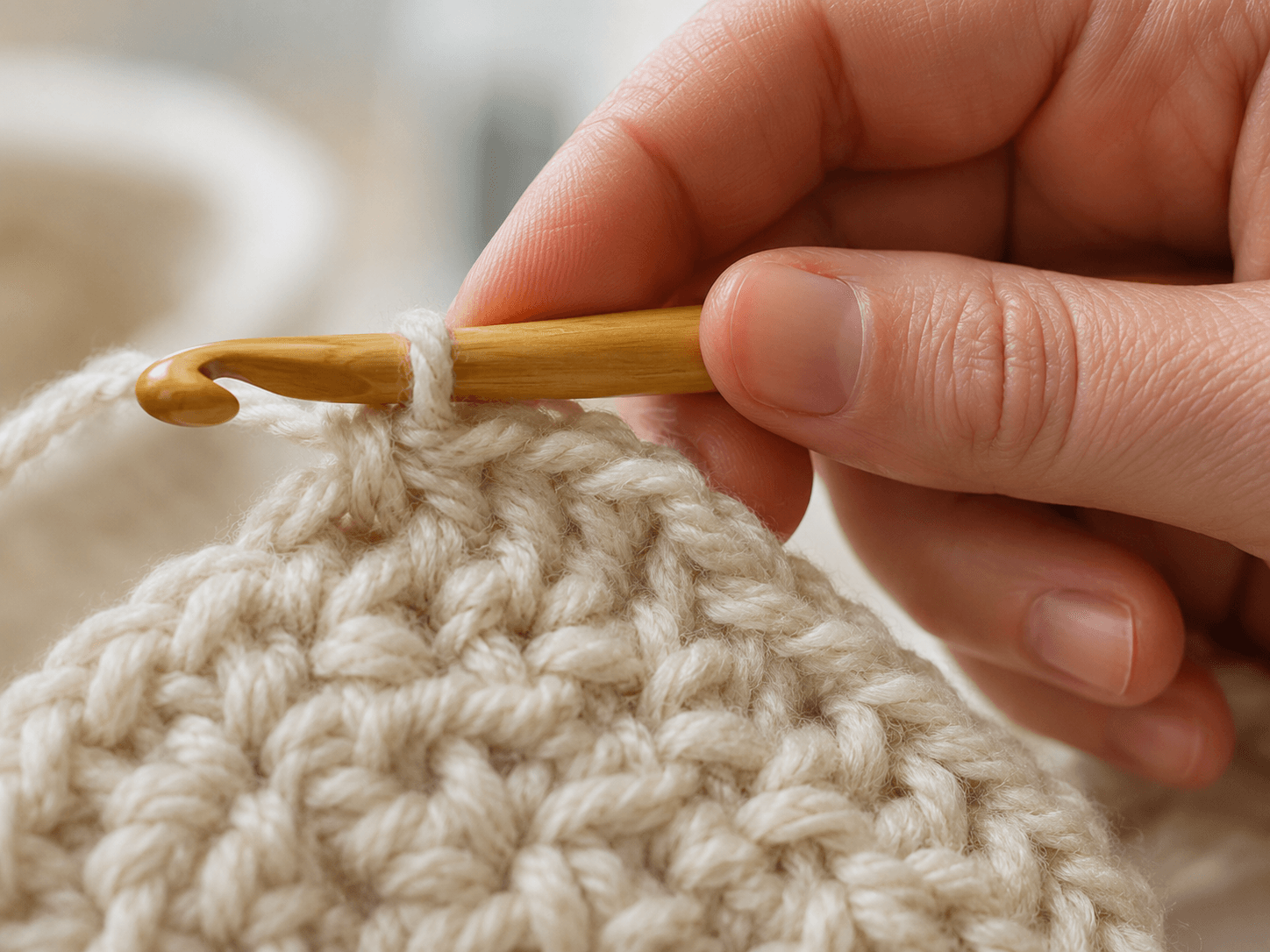
crochet hooks come in a wide variety of materials, shapes, and sizes, and each combination produces a noticeably different outcome. A slick aluminum hook glides through acrylic yarn effortlessly, while a grippy bamboo hook gives you better control over slippery silk threads. Understanding these differences is the first step toward becoming a more confident and versatile crocheter.
As a rule of thumb: match your hook material to your yarn fiber. A smooth aluminum or steel hook pairs well with textured or fuzzy yarns, since it lets the fibers slide instead of catching, while a grippier bamboo or wood hook helps control slick, smooth yarns like silk or bamboo blends.
5 Essential Types of Crochet Needles
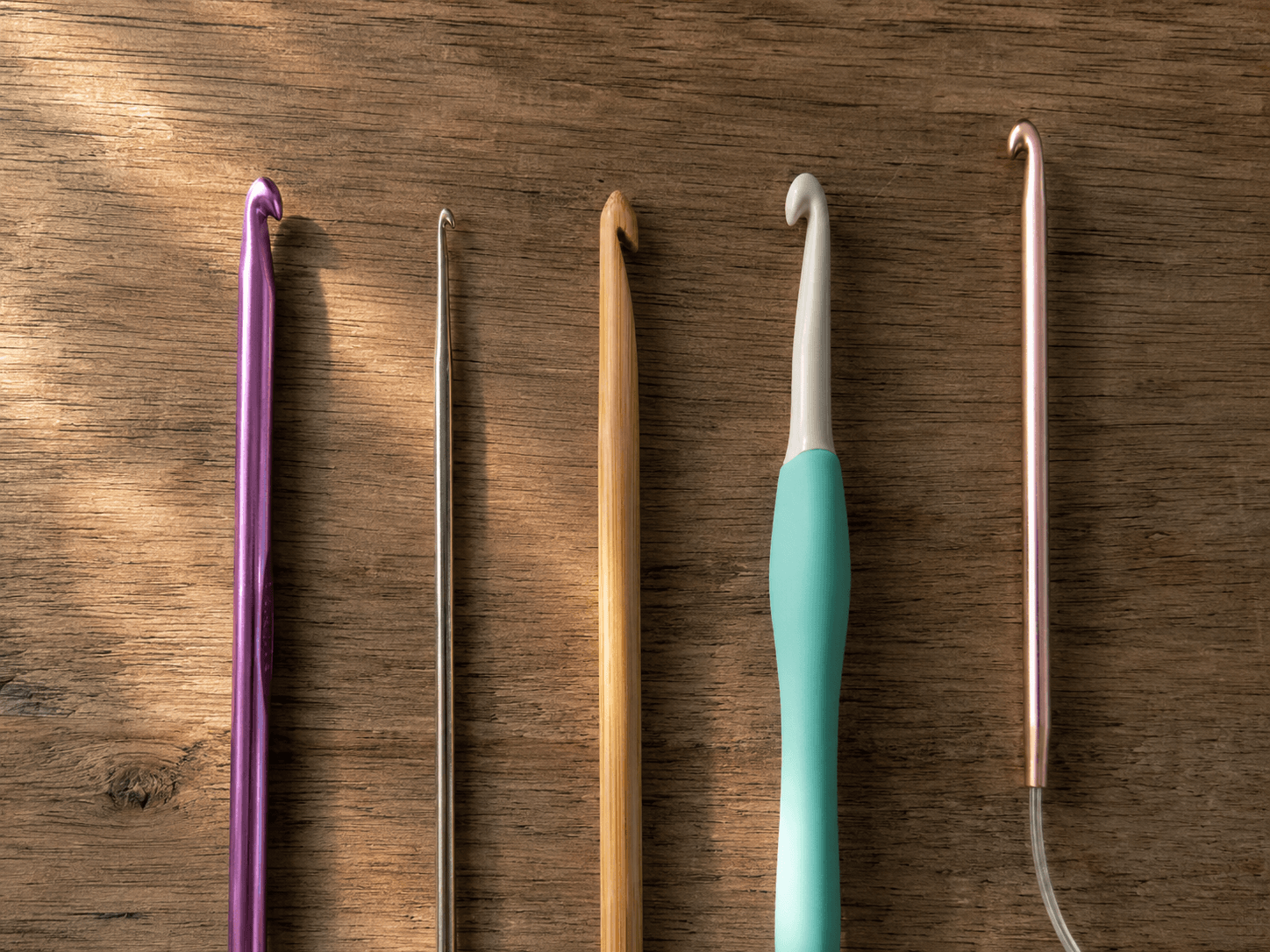
Not all hooks are created equal. Let us explore the five most common types and what makes each one special.
1. Aluminum Crochet Hooks
Aluminum hooks are the workhorse of the crafting world. They are lightweight, affordable, and incredibly durable, making them a staple in almost every crocheter’s collection. The smooth metal surface allows yarn to slide easily, which means less hand fatigue during extended crafting sessions. If you are new to the craft and looking for a reliable starting point, check out our guide on the best crochet hooks for beginners to see which aluminum sets we recommend.

2. Steel Crochet Hooks
Steel crochet hooks are the go-to choice for delicate work. They come in very small sizes and are typically used with crochet thread to create intricate doilies, lace patterns, and fine jewelry. Because they are so thin, steel hooks offer excellent precision and allow you to maintain tight, even stitches in fine-gauge projects. For more on working with fine threads, visit our crochet hook sizes reference page.

3. Bamboo and Wooden Crochet Hooks
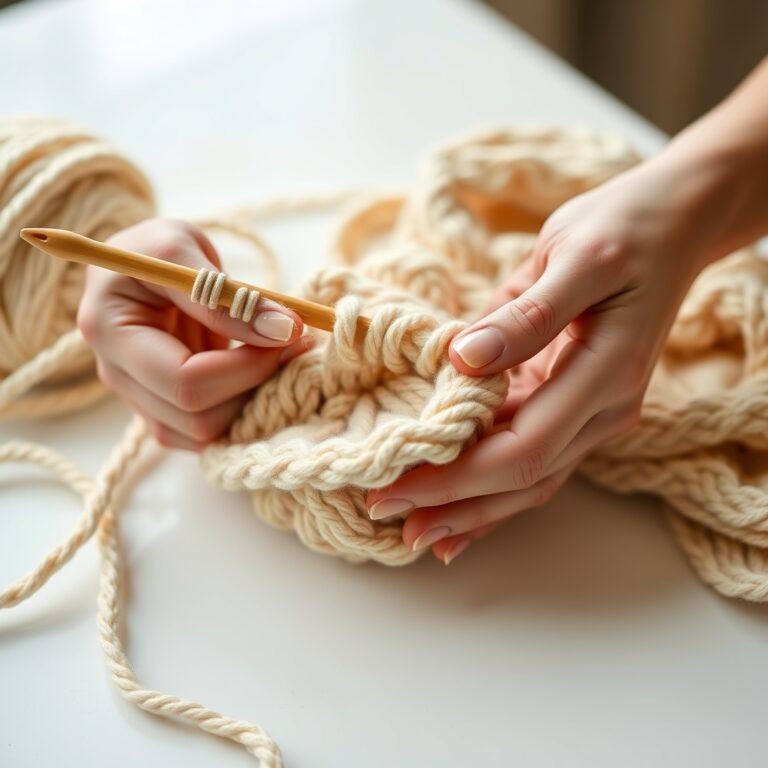
Bamboo and wooden hooks bring a natural warmth to your crafting. They are slightly grippier than metal, which can be a big advantage when you are working with slippery yarns like silk or rayon. Many crafters also find that the lightweight feel of bamboo reduces hand strain during marathon crafting sessions. These hooks develop a beautiful patina over time and feel wonderful in the hand.

4. Ergonomic Crochet Hooks
If you experience wrist pain or cramping after long sessions, an ergonomic hook could make a real difference. These hooks feature specially designed handles that promote a more natural grip, reducing pressure on your joints. Brands like Clover and Furls have become incredibly popular for their thoughtfully sculpted handles. Ergonomic hooks are especially recommended for anyone who crochets daily or manages conditions like carpal tunnel syndrome.

5. Tunisian Crochet Hooks (Afghan Hooks)
Tunisian crochet is a unique technique that requires a specialized tool. Tunisian hooks are longer than standard hooks and sometimes feature a cable attachment, which allows you to hold many loops on the hook at once. This makes them essential for projects like Tunisian blankets, scarves, and textured garments. If you are just getting started with this technique, our how to crochet for beginners guide includes a section on Tunisian basics.

Crochet hook sizes, explained
Crochet hooks are labeled using either metric measurements (in millimeters) or letter/number systems that vary by region. A size H/8 hook in the United States corresponds to 5.00 mm, while a size 6 hook in the UK is also 5.00 mm. This can be confusing, so it is always best to refer to a standardized size chart. The Craft Yarn Council provides an excellent reference chart that covers all major sizing systems.
Generally speaking, smaller hooks create tighter, denser fabric, while larger hooks produce looser, more open stitches. The yarn label on almost every skein will recommend a hook size range, and starting with that recommendation is a smart approach. From there, you can adjust up or down depending on whether your personal gauge tends to be tight or loose.
Crochet Needles vs. Knitting Needles
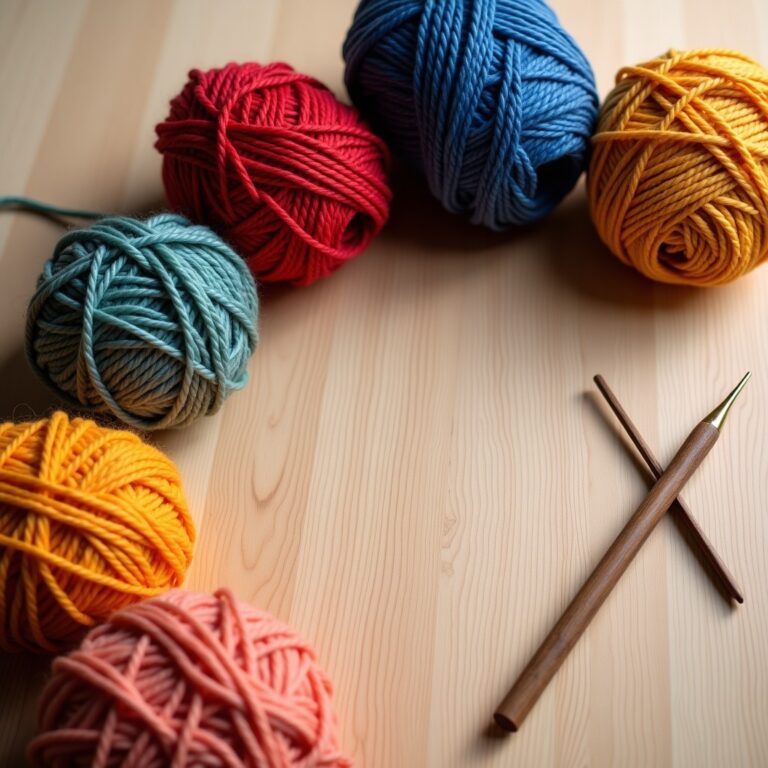
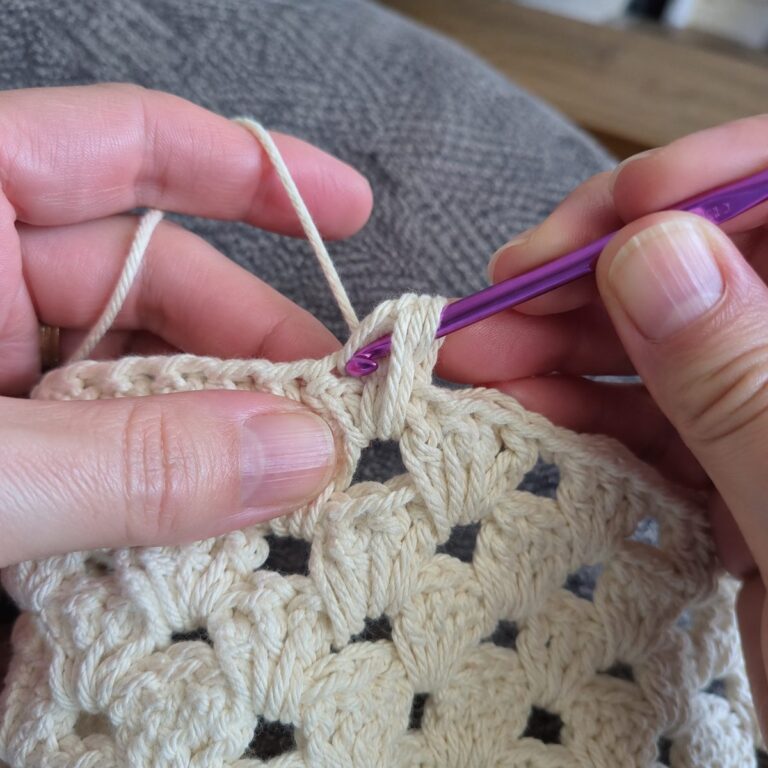
One of the most common questions from newcomers is whether crochet hooks and knitting needles are interchangeable. The short answer is no. While both tools are used to create fabric from yarn, they function very differently. A crochet hook has a single hook at one end and is used to pull loops of yarn through other loops one at a time. Knitting needles, on the other hand, are long, straight (or circular) rods that hold multiple active stitches simultaneously.
Crochet tends to be a bit more forgiving for beginners because you are only managing one active stitch at a time. Knitting can produce thinner, drapier fabric but requires coordinating two needles and maintaining a row of live stitches. If you are deciding which craft to learn first, both are wonderful, but many people find that the hook offer a gentler learning curve.
How to care for your crochet hooks
Proper care extends the life of your tools significantly. Here are some practical tips for keeping your hooks in excellent condition:
- Store them properly: Use a dedicated hook case or roll to prevent scratches and tangles. Many crafters swear by canvas rolls with individual pockets.
- Keep them clean: Wipe metal and wooden hooks with a soft, dry cloth after each use. Avoid harsh chemicals, especially on bamboo and wood.
- Avoid extreme temperatures: Do not leave your hooks in a hot car or damp environment. Wood and bamboo can warp, and metal may expand or contract.
- Inspect regularly: Check for rough spots, bends, or cracks. A damaged hook can snag your yarn and ruin an otherwise beautiful project.
For quality yarn recommendations that pair well with any hook type, browse our guide on the best yarn for beginner crochet projects.
Matching Hooks to Your Project
Choosing the right hook for a specific project involves considering the yarn weight, the desired drape, and your personal tension. Here is a quick reference to get you started:
- Lace and thread projects: Steel hooks in sizes 0.75 mm to 1.50 mm
- Fine-weight yarn (fingering/sport): Aluminum or bamboo hooks in sizes 2.25 mm to 3.50 mm
- Medium-weight yarn (worsted/Aran): Aluminum or ergonomic hooks in sizes 4.00 mm to 6.00 mm
- Bulky and super-bulky yarn: Large aluminum or ergonomic hooks in sizes 8.00 mm to 15.00 mm
When you are ready to shop for new hooks, you can find a wide selection on platforms like Etsy for handmade and artisan options, or browse mainstream retailers for budget-friendly sets.