Crochet Thread Sizes Explained: Size 3, 10, 20 & 30 Compared
Crochet Thread is a thin, strong cotton or nylon yarn used for delicate crochet projects like doilies, lace, tablecloths, and filet crochet. Unlike regular yarn, thread is sized by numbers where smaller numbers mean thicker thread, and it requires a smaller steel hook for precise stitch work.
As an Amazon Associate we earn from qualifying purchases: some supply links in this post are affiliate links, at no extra cost to you.
Tip: Start with size 10 crochet thread if you are a beginner, it is thick enough to work with easily while still producing beautiful lace results.
Crochet thread is a remarkably versatile material that opens the door to some of the most delicate and intricate projects in the crafting world. Whether you are a seasoned artisan or just starting to explore fine-gauge work, understanding how to choose and use this specialized material properly can transform your results entirely.
Crochet Thread
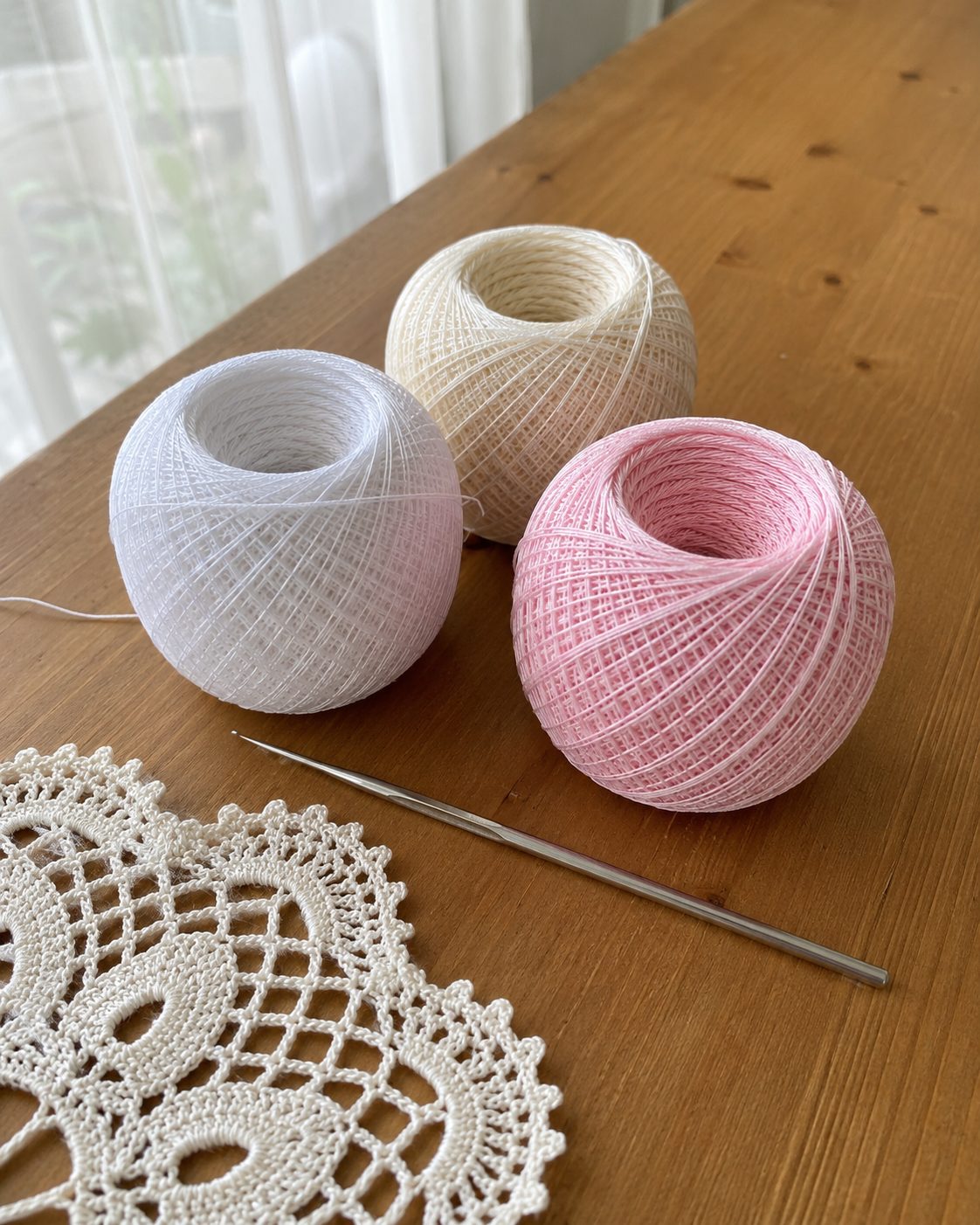
This material is a thin, tightly spun product specifically designed for fine-gauge crochet work. Unlike standard yarn for beginner crochet, thread is much thinner and is typically made from mercerized cotton, which gives it a smooth, lustrous finish. The mercerization process also strengthens the fibers and improves their ability to hold dye, resulting in bright, colorfast threads that maintain their beauty over time. The art of crochet has a rich history that stretches back centuries, with thread work representing some of its finest traditions.
Working with fine thread requires patience and precision. The thinner the material, the smaller the hook size you will need, and the more delicate your finished project will appear. Many crafters find that thread work produces some of the most rewarding and visually impressive results in their entire portfolio.
Quick Reference: Thread Size Chart
- Size #3: Light worsted equivalent, great for larger motifs and household items
- Size #10: The most popular size, ideal for doilies, tablecloths, and edgings
- Size #20: Finer weight, excellent for detailed lace patterns and delicate motifs
- Size #30: Ultra-fine, used for intricate filet crochet and miniature projects
- Size #40 and above: Extremely fine, reserved for the most advanced lacework
What Should You Know About Thread Sizes?
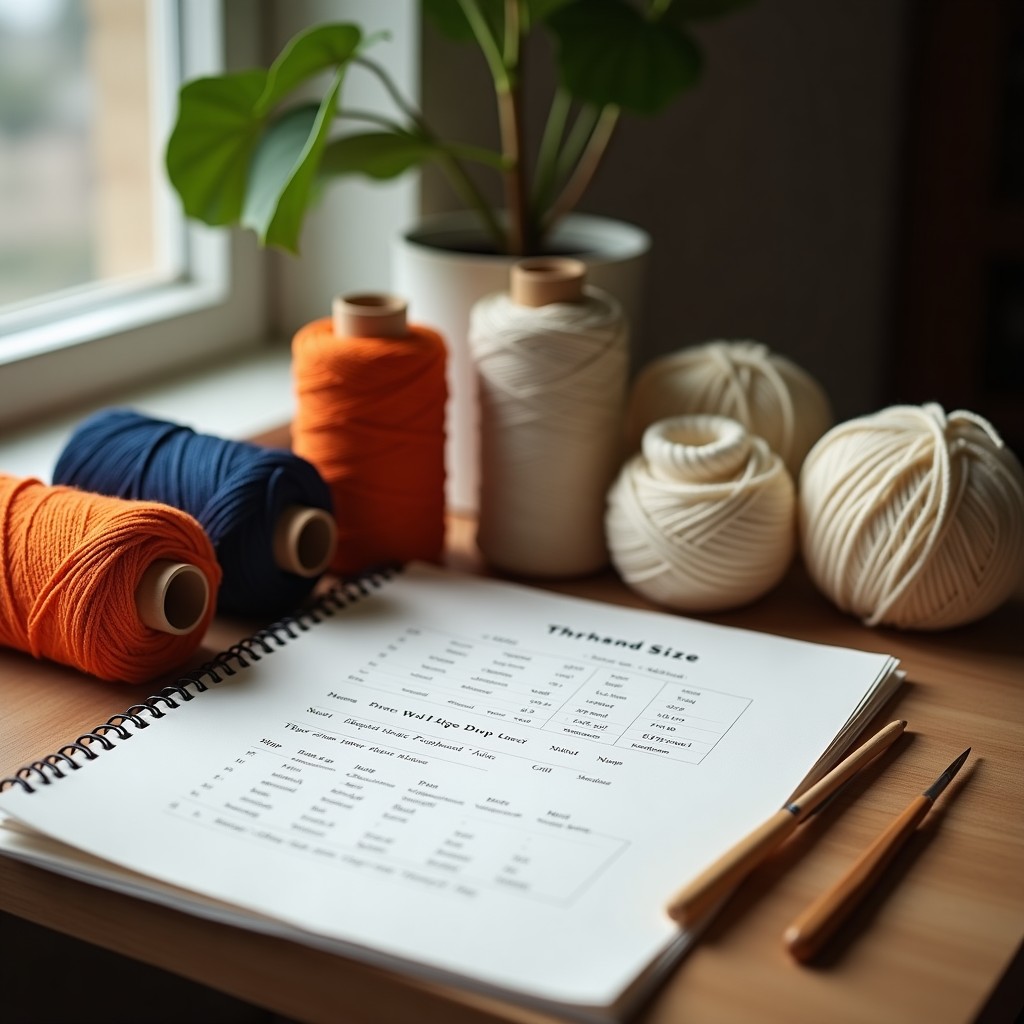
The sizing system for these threads can be confusing at first glance. Unlike yarn weights that follow a standard naming convention (DK, worsted, bulky), this material uses a numerical system where higher numbers indicate thinner thread. This is counterintuitive for many beginners, so it is worth memorizing early on.
Size #10 is by far the most widely available and commonly used weight. It strikes an excellent balance between fineness and durability, making it suitable for doilies, coasters, bookmarks, and lightweight lace. Most major brands including Aunt Lydia’s and DMC produce extensive color ranges in size #10.
Size #20 is noticeably thinner than size #10. It produces finer, more delicate stitches well suited to intricate lacework, snowflake ornaments, and detailed table runners. You will typically use a hook size between 1.25 mm and 1.75 mm with this weight.
Size #30 is where thread work starts becoming noticeably fine. Projects made with size #30 thread have an ethereal, almost weightless quality. This size is popular for filet crochet pieces, christening gowns, and intricate wall hangings. Expect to use hook sizes in the 0.75 mm to 1.25 mm range.
Crochet Thread vs. Regular Yarn
One of the most common questions crafters ask is how fine cotton thread differs from the yarn they normally use. The distinctions are significant and affect every aspect of your project, from gauge and tension to the final drape and feel of the piece.
Material composition is the primary difference. While yarn comes in a vast array of fibers including wool, acrylic, alpaca, and blends, these threads are almost exclusively made from cotton. Mercerized cotton provides the strength, sheen, and stitch definition needed for fine lace work that wool or acrylic simply cannot match.
Thickness is another major factor. Even the thickest option (size #3) is thinner than the lightest fingering-weight yarn. This thinness allows for much finer stitch detail but also means projects take considerably longer to complete. A single doily made with size #10 might require thousands of individual stitches.
Project suitability also differs greatly. Yarn is ideal for garments, blankets, amigurumi, and accessories, while thread excels in decorative and ornamental pieces. The rigid structure of cotton thread ensures that items maintain their shape, such as doilies, coasters, and bookmarkers.
Best Uses for Crochet Thread
Once you understand the properties of fine-gauge thread, a world of creative possibilities opens up. Here are some of the most popular and rewarding projects you can create:
Doilies and Table Centerpieces
Doilies remain the quintessential thread project. These circular or oval pieces display intricate stitch patterns and serve as elegant home decor. A well-made doily can become a family heirloom, passed down through generations. The stiff nature of cotton ensures that doilies maintain their shape and lie flat without additional blocking.
Lace Edgings and Trims
Adding a lace edging to pillowcases, handkerchiefs, or curtains is a wonderful way to personalize household items. Thread edgings can range from simple scalloped borders to incredibly complex picot patterns that rival machine-made lace in their delicacy and precision.
Amigurumi and Miniatures
While most amigurumi projects use standard yarn, miniature amigurumi creations benefit greatly from fine cotton thread. Tiny animals, decorative figures, and dollhouse accessories all come to life with the fine detail that thin thread work allows. If you are new to amigurumi, check out our guide to choosing the best crochet hooks for small-scale work.
Jewelry and Accessories
Bracelets, necklaces, and earrings crafted from fine thread have a unique handmade appeal. By combining thread with beads or metallic accents, you can create stunning statement pieces that look professional and polished. Size #20 or #30 works best for most jewelry applications.
Holiday Ornaments and Decorations
Crocheted snowflakes, stars, and other decorative ornaments are popular holiday projects. Made with white or metallic thread, these pieces capture the beauty of winter and can be starched to maintain their shape for years of seasonal display.
Matching Hooks to Your Crochet Thread
Selecting the right hook size for your chosen thread is critical to achieving the correct gauge and desired finished look. As a general rule, the hook should be roughly two to three times the diameter of the material itself.
For size #10, a steel hook between 1.5 mm and 2.0 mm is typically recommended. Size #20 works well with hooks in the 1.0 mm to 1.5 mm range, while size #30 usually requires hooks from 0.75 mm to 1.25 mm. Always check your pattern’s recommended gauge before starting, and create a small swatch to verify your tension matches. Understanding basic crochet techniques will help you maintain consistent tension throughout your thread projects.
Storage and Care Tips
Proper storage of your thread collection is essential to prevent tangling, fading, and moisture damage. Store your collection in a cool, dry place away from direct sunlight. Ball winders or thread organizers can keep your skeins neat and accessible. When working on a project, use a small zip-close bag to protect the active ball from dust and pet hair.
Finished thread items should be hand-washed in cool water with a mild detergent. Lay pieces flat to dry, and if needed, block them using rust-proof pins on a padded surface. Proper blocking can transform a slightly uneven piece into a perfectly shaped finished product.
Frequently Asked Questions
What is the best crochet thread for beginners?
Size #10 in a light color is the best starting point. Light colors make it easier to see your stitches, and size #10 is thick enough to work with comfortably while still producing delicate results. Cotton in white or ecru is widely available and affordable for practice projects.
Can you use crochet thread for clothing?
Yes, but with some caveats. This material is not stretchy, so garments made from it will not have the same drape and flexibility as those made from yarn. Thread works best for warm-weather tops, shawls, and beach cover-ups where a crisp, structured fabric is desirable.
How do you prevent crochet thread from tangling?
Pull your working strand from the center of the ball rather than the outside. Keep the ball in a small container or bag while you work, and avoid letting the material hang freely. If your thread does become tangled, resist the urge to pull, gently unknot it from the loosest end to prevent damage to the fibers.
Is crochet thread the same as embroidery floss?
No, they are different materials. Cotton crochet thread is a tightly twisted, multi-ply cotton designed for structural integrity in crochet stitches. Embroidery floss is made of six loosely twisted strands that can be separated, and it lacks the strength needed for most crochet applications. For more detailed comparisons, the Craft Yarn Council’s weight standards provide useful reference charts.
What size hook should I use with size #10 crochet thread?
A steel crochet hook in the range of 1.5 mm to 2.0 mm (US sizes 7 through 8) is ideal for size #10. The exact size depends on your personal tension and the specific pattern requirements. Always make a gauge swatch before beginning your project to ensure accurate sizing.