How to Crochet a Lemon: 3 Ideas + a Free Amigurumi Pattern

How to Crochet a Lemon: 7 Ideas + a Free Amigurumi Pattern

Crocheted amigurumi rabbit toy

Quick Answer

Crochet lemon patterns are fun, beginner-friendly projects that let you create adorable citrus-themed items like coasters, appliques, amigurumi lemons, and garlands. These quick projects are perfect for summer decor and handmade gifts. Visit KnotToYarn.com for more free easy crochet patterns.

Tip: Use bright yellow cotton yarn with a tiny touch of leaf green for the most realistic lemon look.

At a Glance

  • Skill level: beginner to intermediate
  • Time needed: 30-60 minutes per lemon
  • Best yarn: cotton or acrylic in bright yellow and leaf green
  • Hook size: 3.5mm-5mm depending on yarn weight

Common Mistakes to Quick Fixes

  • Lemon too round: add an increase round in the middle then decrease to create an oval lemon shape
  • Leaves look floppy: use a smaller hook for the leaf or add a strand of craft wire
  • Color change shows gaps: carry the unused color under the stitches for a seamless transition

Mini Glossary

SC (single crochet), HDC (half double crochet), DC (double crochet), MR (magic ring), FO (fasten off), inc (increase), dec (decrease)

This is KnotToYarn’s own original pattern — free to use, and you’re welcome to sell what you make from it.

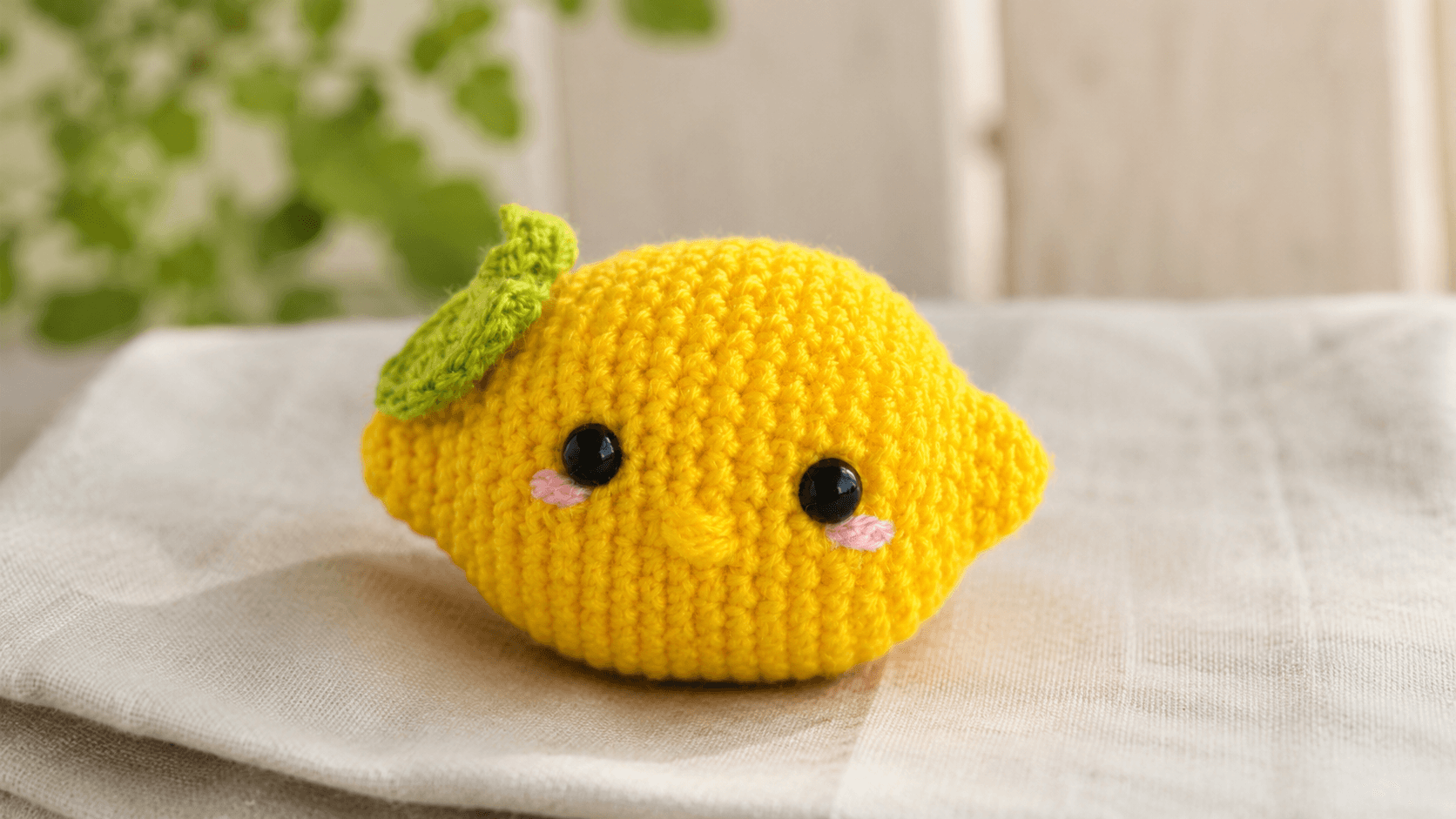
The crochet lemon is a sphere with two gentle points — a five-minute shaping lesson disguised as fruit. Complete pattern with the leaf included.

Materials

  • Worsted weight yarn in lemon yellow (20 g) and leaf green scraps
  • 3.5 mm (US E) crochet hook
  • Fiberfill, stitch marker, yarn needle

Finished size: About 8 cm (3 in) long — life-size
Skill level: Beginner
Abbreviations (US terms): ch (chain), sc (single crochet), hdc (half double crochet), dc (double crochet), inc (2 sc in one st), dec (sc 2 together), sl st (slip stitch), st(s) (stitch/es)

Instructions

The Lemon (spirals, end to end)

Round 1: With yellow, 6 sc in a magic ring — 6 sts.

Round 2: Sc around — 6 sts (this plain round creates the first nub).

Round 3: Inc around — 12 sts.

Round 4: (Sc 1, inc) around — 18 sts.

Round 5: (Sc 2, inc) around — 24 sts.

Rounds 6–11: Sc around — 24 sts (the fat middle).

Round 12: (Sc 2, dec) around — 18 sts.

Round 13: (Sc 1, dec) around — 12 sts. Stuff firmly, shaping the oval as you go.

Round 14: Dec around — 6 sts.

Round 15: Sc around — 6 sts (the second nub). Fasten off, cinch closed, and pull the tail OUT through the lemon’s far end and snip — this slightly dimples both ends, exactly like the real fruit.

The Leaf (green)

Ch 7. Sc in the 2nd ch from the hook, hdc, dc, dc, hdc, 3 sc in the last ch; back along the other side: hdc, dc, dc, hdc, sc, sl st. Fasten off with a sewing tail.

Finishing

Sew the leaf beside one nub at a jaunty angle. Optional stem: green ch-3 with a sl st back, sewn under the leaf. Make three lemons and they become bowl filler, baby-toy clusters, or the market-bag prop every craft fair booth needs.

Made this? We’d love to show off your work — send a photo through our contact page and we’ll feature it here with credit to you.

Tip: The two plain 6-st rounds at the ends are the whole lemon-ness of the lemon. Skip them and you have crocheted an egg — which, to be fair, is next month’s project.

A crochet lemon is one of the most delightful, versatile little projects you can make. Brighten a kitchen with citrus coasters, add a playful touch to a nursery with amigurumi fruit, or string a sunny summer garland — lemon designs deliver cheerful results every time. The bright yellow is instantly mood-boosting, and the simple shape keeps these accessible at any skill level.

This guide rounds up seven lemon ideas, from quick beginner projects to slightly more detailed intermediate designs. Each uses basic stitches and standard materials, so you can start with whatever yarn you have. Let’s dive into citrus crochet.

Why Crochet Lemon Patterns Are So Popular?

Lemon crochet has taken off the last few years, driven by the cottagecore and summer aesthetics all over Pinterest and TikTok. A well-made lemon blends handmade-decor charm with cheerful citrus color — perfect for kitchen accessories, table settings, and seasonal decorations — and the trend shows no sign of slowing.

They’re practical, too. A lemon coaster protects your furniture from cold drinks while adding color; an amigurumi lemon makes a sweet pincushion; a garland turns a plain brunch table festive. Once you’ve got the basic lemon shape, you can adapt it for dozens of uses around the home.

Another reason they’re so loved is accessibility. Unlike garments or big blankets, most lemons finish in under an hour — great for quick gifts, market stock, or a satisfying weekend session. New to crochet? A lemon coaster or appliqué is an excellent confidence-builder.

What Is the Best Yarn for Crochet Lemon Patterns?

The right yarn makes the lemon look. The Craft Yarn Council weight standards help you pick a category. Cotton is the top choice for most projects since it makes a firm, durable fabric that holds its shape and absorbs moisture — ideal for coasters and trivets. Go for a bright, saturated yellow and pair it with fresh green for stems and leaves.

If cotton is not available, acrylic yarn works well too, especially for amigurumi lemons where you want a softer, plusher finish. Acrylic comes in a wider range of colors and is generally more affordable, making it a great choice when you need to make multiple lemons for a garland or party decoration. For the best results with beginner crochet yarn, choose a medium (worsted) weight yarn in a smooth, twist-free ply that shows stitch definition clearly.

For specialty projects like lemon dishcloths or washcloths, consider using a cotton-bamboo blend. Bamboo adds a silky sheen and natural antibacterial properties that make your kitchen items both beautiful and functional. The key is to always match your yarn weight to your crochet hook sizes so your lemon stitches look even and consistent throughout the project.

fresh lemons in a bowl perfect for crochet lemon pattern inspiration

What Are the 7 Stunning Crochet Lemon Pattern Ideas?

1. Lemon Coaster Set

A crochet lemon coaster is the perfect introduction to fruit-themed crochet. These coasters use simple single crochet stitches worked in the round, with increases and decreases to create that classic lemon oval shape. Make a set of four or six coasters and arrange them on your dining table for an instant summer refresh. The best part is that each coaster takes less than 30 minutes to complete, so you can whip up an entire set in a single afternoon.

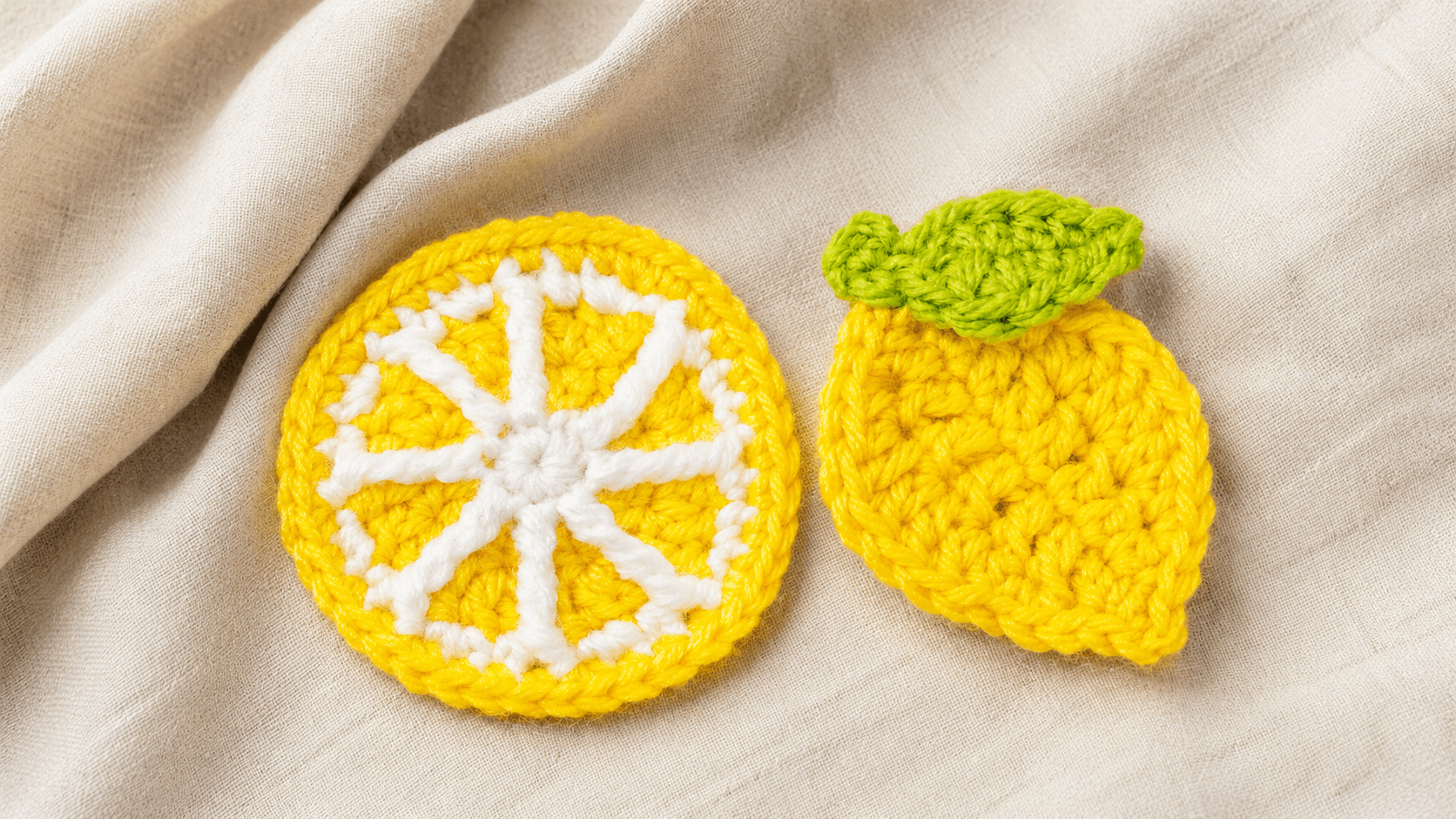
To add a realistic touch, work two rounds in yellow, then switch to white for a thin pith line, and finish with a few stitches of green for a small leaf accent. This layered colorwork technique is a hallmark of a well-designed crochet lemon pattern and gives your coasters a polished, professional appearance that guests will admire.

2. Amigurumi Lemon Pincushion

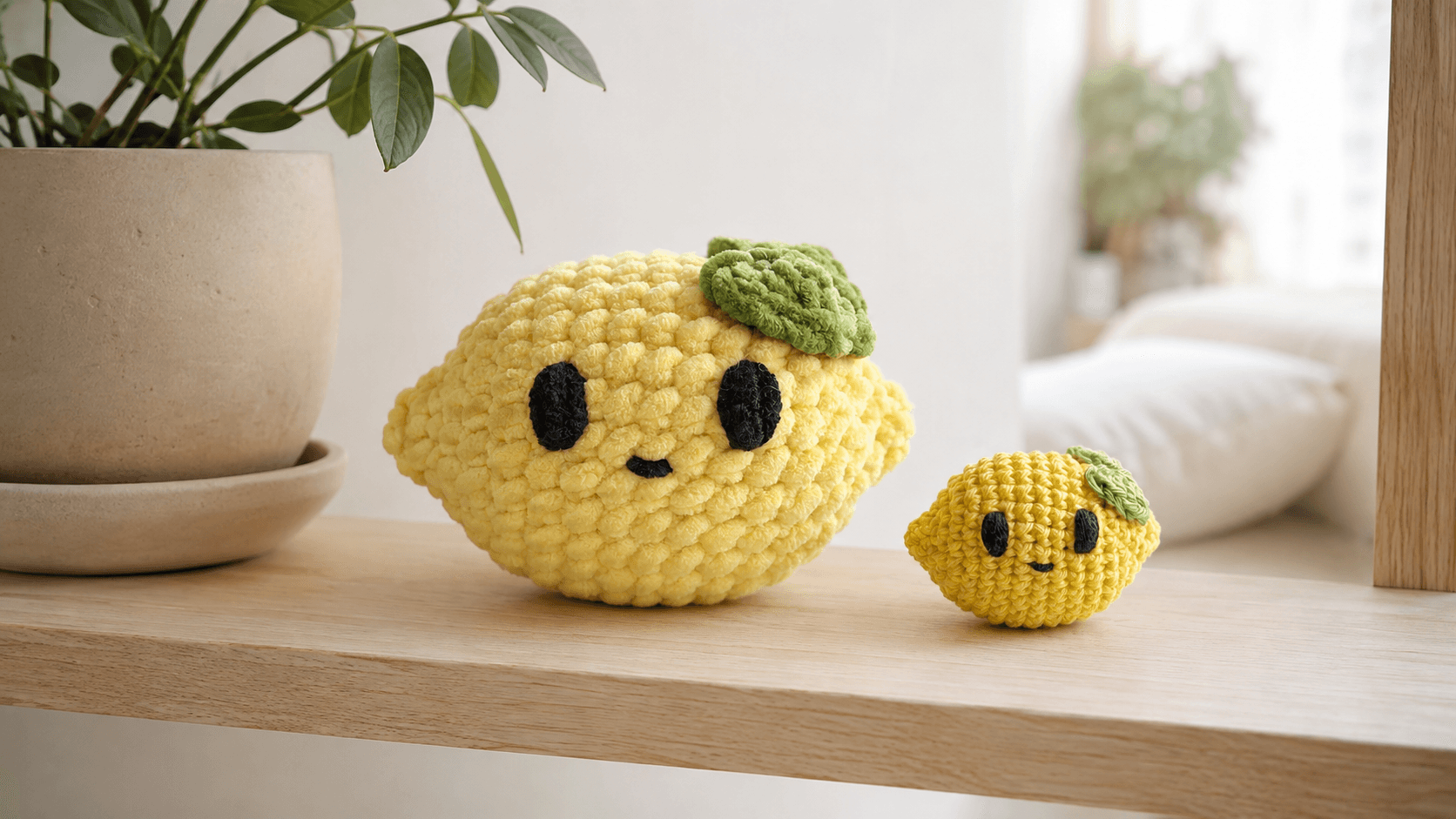
Take your crochet lemon pattern into three dimensions with an adorable amigurumi lemon pincushion. This pattern uses the magic ring technique to start a sphere shape, then adds subtle shaping increases in the middle and decreases at the top to create an organic lemon form. Stuff it firmly with fiberfill and add a small green leaf at the top for the perfect finishing touch.

Amigurumi lemons make wonderful gifts for crafters, teachers, and anyone who appreciates handmade desk accessories. They are also excellent for selling at craft fairs because they are small, quick to make, and have broad appeal. The magic ring crochet technique used in this pattern is a fundamental skill that will serve you well in countless future amigurumi projects.

3. Lemon Applique for Bags and Hats

Flat crochet lemon appliques are incredibly versatile embellishments that you can sew onto tote bags, sun hats, picnic blankets, or children’s clothing. A lemon project applique typically uses just ten to fifteen rows of simple stitches and can be completed in about twenty minutes. The flat design means you can customize the size easily by changing your hook and yarn weight.

For the most professional-looking appliques, block them flat after finishing and use a steam iron on a low setting to set the shape. Sew them onto your projects using a matching yellow thread and small, neat stitches that are invisible from the front. Consider adding a small embroidered smile or seed stitch dots on the lemon rind for extra personality and charm.

4. Lemon Slice Trivet

A lemon slice trivet is a showstopping kitchen accessory that protects your countertops from hot pots and pans. Unlike a simple coaster, a trivet is larger and features detailed stitch work that mimics the segments of a real lemon slice. The center is worked in pale yellow or white to represent the fruit flesh, surrounded by yellow segments radiating outward like a citrus cross-section.

This lemon requires slightly more patience than simpler designs but the result is absolutely worth the effort. The finished trivet measures approximately eight to ten inches across, making it the perfect size for most pots, casseroles, and serving dishes. Use a sturdy cotton yarn so the trivet can withstand heat without scorching or stretching out of shape over time.

5. Lemon and Lime Garland

Combine yellow lemons with green limes to create a cheerful bunting garland that is perfect for summer parties, outdoor brunches, and kitchen decoration. Each lemon and lime in the garland follows the same basic crochet lemon shape, just in different colors. String them together with a simple chain stitch cord or a length of jute twine for a rustic, farmhouse look.

To make your garland extra special, alternate between solid-colored fruits and two-tone lemons with a white pith detail. You can also add small green leaves between each fruit for a more botanical, realistic appearance. A typical garland requires eight to twelve fruits and takes about two to three hours to complete from start to finish. Hang it on a mantel, across a window, or above a dessert table for instant summer vibes.

6. Lemon Basket Liner

A crocheted lemon basket liner transforms an ordinary wire or woven basket into a charming kitchen accent piece. This lemon design features a rectangular base with raised lemon motifs around the sides, creating a decorative border that peeks above the basket edge. The liner is worked flat in rows, then seamed together at the sides and bottom to fit snugly inside your basket.

Basket liners are practical because they prevent small items like fruit, napkins, or bread rolls from falling through the gaps in a wire basket. They are also easy to remove and machine wash, making them both decorative and functional. Choose a worsted weight cotton yarn in yellow with green accent leaves for the most vibrant, long-lasting results.

yellow lemon backdrop inspiring your next crochet lemon pattern project

7. 3D Lemon Keychain

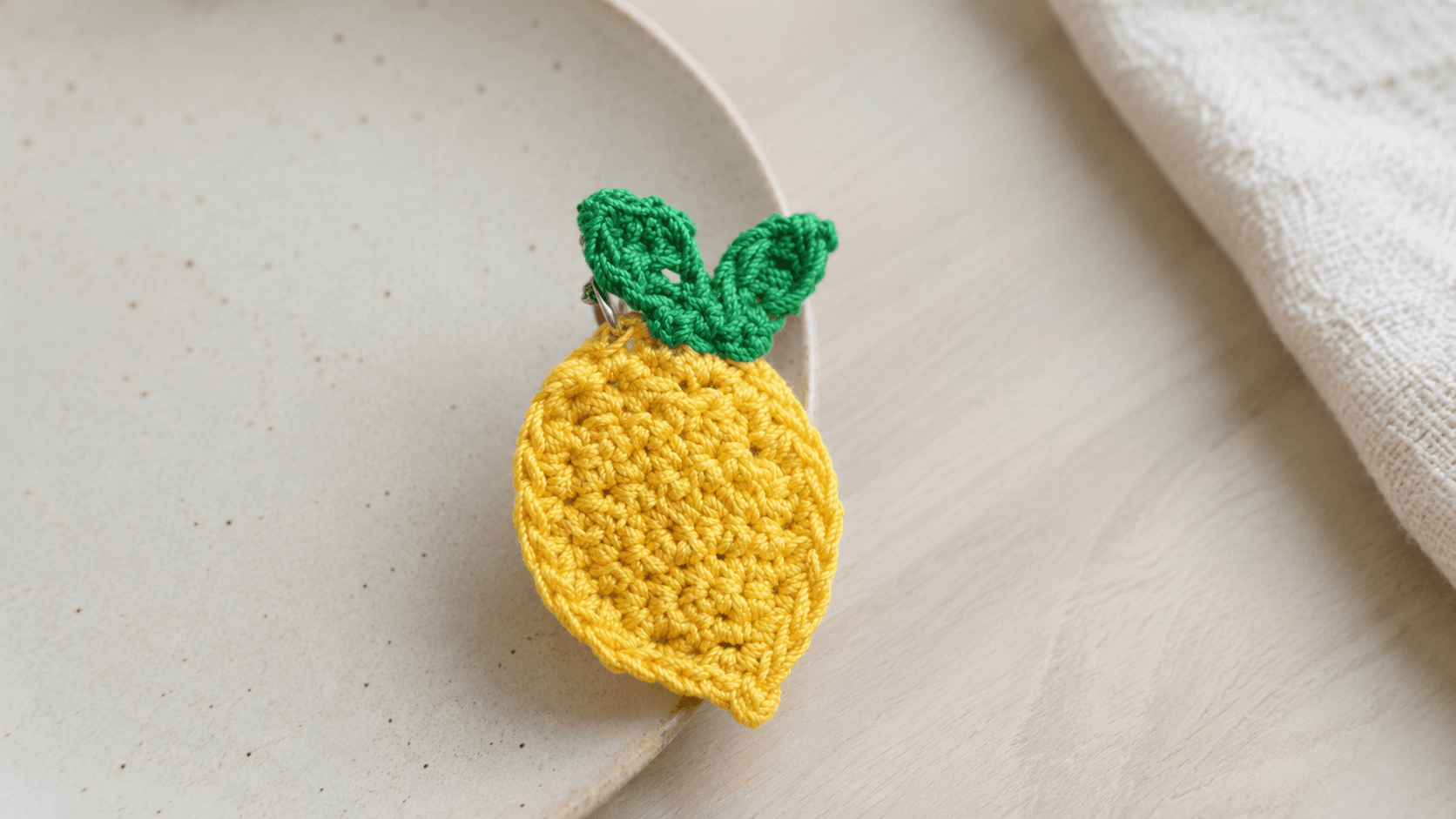
A miniature three-dimensional lemon keychain is one of the quickest and most giftable lemon project projects you can make. These tiny lemons measure just two to three inches long and feature the same oval shaping as larger amigurumi versions, but scaled down to a micro size. Attach a small metal keychain ring through the top of the leaf, and you have a charming accessory for your keys, backpack, or purse.

These keychains are excellent for using up scrap yarn, since each lemon requires only a few grams of yellow and a tiny amount of green. They are also fantastic items for craft markets and online shops because they are inexpensive to make, easy to ship, and have universal appeal. Consider making a batch of ten to fifteen keychains in different shades of yellow for variety, and package them with a small care card explaining that they are handcrafted.

Essential Stitches for Crochet Lemon

Most lemon designs use just a handful of basic stitches. The single crochet stitch is the workhorse — a tight, dense fabric that holds stuffing for amigurumi and makes a sturdy surface for coasters and trivets. Half double crochet is a bit taller and faster, good for larger pieces like basket liners and garlands.

The magic ring technique is essential for starting any lemon that begins in the round, such as coasters, amigurumi, and trivets. If you are not yet comfortable with the magic ring, you can substitute a chain-two and work into the first chain, though the magic ring produces a much neater, gap-free center that looks more professional. Practice the crochet abbreviations so you can read any lemon pattern with confidence.

Color changing is another important skill for lemon patterns. Most designs require at least two colors, yellow for the rind and white or pale yellow for the pith or flesh. The cleanest color change happens when you complete the last yarn-over of a stitch with the new color, which creates a nearly invisible transition between shades. Practice this technique on a small swatch before starting your actual crochet lemon project.

Frequently Asked Questions

What is the best yarn for a crochet lemon coaster?

Cotton yarn in worsted weight is the best choice for lemon coasters. It absorbs moisture, holds its shape, and creates a firm fabric that protects your furniture. Bright yellow cotton with a green accent for the leaf gives the most realistic look.

How long does it take to make a crochet lemon?

Most simple crochet lemon patterns take between 20 and 60 minutes to complete, depending on the size and complexity. A small applique or keychain takes about 20 minutes, while a detailed trivet or basket liner may take up to two hours.

Can I sell items made from a free crochet lemon pattern?

Most free patterns allow you to sell finished items made from them, but always check the designer’s specific terms of use. Some require credit or have limits on commercial production. When in doubt, reach out to the designer directly for permission.

How do I get my crochet lemon to look round instead of oval?

To create a round lemon shape, work even increases around the magic ring (6, 12, 18, 24 stitches) for the first few rounds. For an oval shape, work increases on both ends of a starting chain. Adjusting your increase placement controls the final shape of your lemon.

What size hook should I use for a crochet lemon pattern?

For most medium-weight yarn lemon patterns, a 4mm or 5mm crochet hook works well. Use a smaller hook for tighter, firmer coasters and a slightly larger hook for softer amigurumi. Always check the pattern’s recommended gauge before starting.

Crocheting lemons is one of the most enjoyable ways to bring a little sunshine into your home. From practical coasters and trivets to whimsical amigurumi and charming garlands, there’s a citrus project for every level and occasion. The bright yellow is cheerful, and the simple construction means most finish in a single sitting.

Making them for yourself, as gifts, or as shop inventory, every project here was chosen for its mix of visual appeal, easy construction, and versatility. So grab your brightest yellow yarn and a comfy hook — your summer crafting just got more refreshing.

You Might Also Like

Similar Posts

Leave a Reply

Your email address will not be published. Required fields are marked *