Crochet Hook Size Chart: US, UK & MM Conversion Guide
How Do You Crochet Hook Size Chart at a Glance?
- Topic: crochet hook size chart
- Skill level: beginner
- Main goal: help the reader understand crochet hook sizes, match the right hook to their yarn weight, and use the size chart as a reliable reference for every project
- Related topics: yarn weight, crochet hook materials, tension, gauge swatch, beginner crochet
Quick Answer
A crochet hook size chart is a reference table that matches hook sizes (both metric millimeters and US letter sizes) to the correct yarn weights. The most common hook size for beginners is 5mm (H/8), which pairs with medium weight (#4 worsted) yarn — the most versatile yarn for projects like scarves, beanies, and blankets. Using the right hook size for your yarn is one of the most important steps in crochet because it directly affects your stitch tension, fabric drape, and finished project size.
\nTip: always check the yarn label first — it recommends a specific hook size range that works best with that particular yarn weight.
At a Glance
- Skill level: Beginner
- Time needed: 5 minutes to read and bookmark this chart
- Best for: matching hooks to yarn, understanding metric vs US sizes, and avoiding gauge problems
- Hook material: aluminum is best for beginners (smooth, affordable, lightweight)
Common Mistakes → Quick Fixes
- Using the wrong hook size: always check the yarn label for the recommended hook size range before starting any project.
- Confusing metric and US sizes: 5mm and H/8 are the same hook — use this crochet hook size chart as a reference until you memorize the conversions.
- Tension too tight or loose: if your stitches feel off, try going up or down one hook size — even a 0.5mm change makes a noticeable difference.
Mini Glossary
millimeter (mm), US letter size, UK/Canadian size, yarn weight (#0–#7), worsted weight, gauge, tension, swatch, crochet hook, ergonomic hook, aluminum hook, inline hook, tapered hook.
 KnotToYarn
Subscribe to KnotToYarn!
Get the best free crochet patterns, tutorials & tips delivered straight to your inbox. Join our growing community!
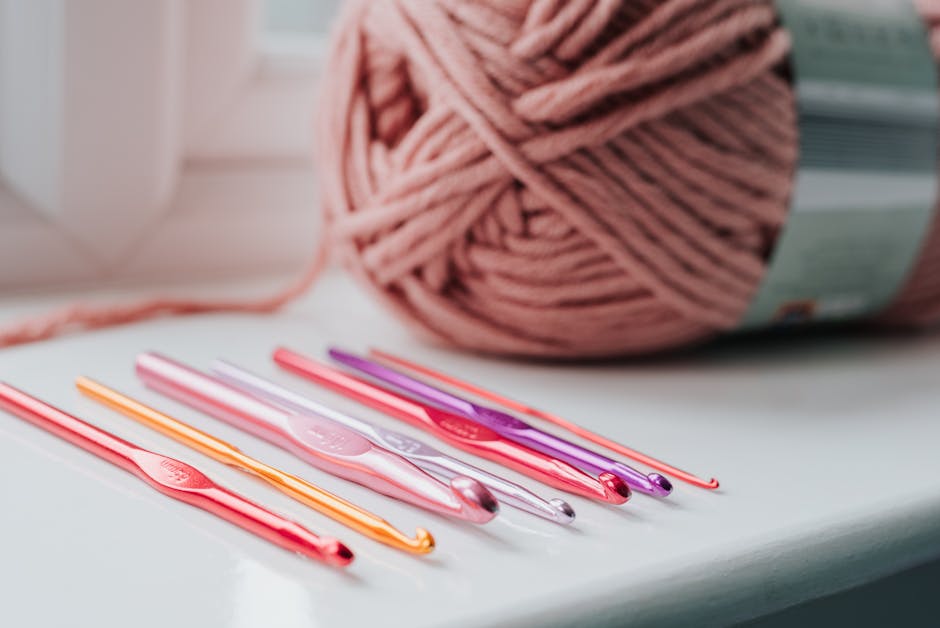
Understanding how to read a crochet hook size chart is one of the most important skills a beginner can develop. The right hook size can mean the difference between a scarf that drapes beautifully and one that feels stiff as cardboard. Yet many beginners skip this step entirely and just grab whatever hook is nearby, which almost always leads to frustration. In this full guide to the crochet hook size chart, we will explain every size system, break down which hook works best with each yarn weight, and give you printable reference tables you can bookmark for every future project.
How Do You Crochet Hook Size Chart: Metric, US, and UK Sizes Explained?
The biggest source of confusion for beginners looking at a crochet hook size chart is that there are three different sizing systems used around the world. Metric sizes (millimeters) are used in Europe, Australia, and most of the world. US letter sizes (like H, I, J) are used primarily in North America. UK sizes use a completely different numbering system that can be especially confusing because a UK size 4 is NOT the same as a US size 4. Understanding how these three systems relate to each other is the key to reading any crochet hook size chart with confidence.
Here is a complete crochet hook size chart covering the most commonly used sizes from smallest to largest. Bookmark this table — you will come back to it constantly as you try new patterns and yarns.
| Metric (mm) | US Letter | UK/Canada | Yarn Weight | Best For |
|---|---|---|---|---|
| 2.0mm | B/1 | 14 | #0 Lace | crochet thread sizes crochet, doilies |
| 2.25mm | B/1 | 13 | #1 Super Fine | Fine socks, lace details |
| 2.75mm | C/2 | 12 | #1 Super Fine | Lightweight amigurumi |
| 3.25mm | D/3 | 10 | #2 Fine | Light scarves, baby items |
| 3.5mm | E/4 | 9 | #2 Fine / #3 Light | Socks, gloves, shawls |
| 3.75mm | F/5 | – | #3 Light | Light blankets, tops |
| 4.0mm | G/6 | 8 | #3 Light / #4 Medium | Amigurumi, home decor |
| 4.5mm | 7 | 7 | #4 Medium | Afghans, cardigans |
| 5.0mm | H/8 | 6 | #4 Medium | Scarves, beanies, blankets |
| 5.5mm | I/9 | 5 | #4 Medium / #5 Bulky | Hats, cowls, bags |
| 6.0mm | J/10 | 4 | #5 Bulky | Chunky scarves, rugs |
| 6.5mm | K/10.5 | 3 | #5 Bulky | Quick blankets, baskets |
| 8.0mm | L/11 | 0 | #6 Super Bulky | Chunky beanies, cowls |
| 9.0mm | M/13 | 00 | #6 Super Bulky | Extra chunky blankets |
| 10.0mm | N/15 | 000 | #7 Jumbo | Jumbo rugs, oversized throws |
| 12.0mm | O | – | #7 Jumbo | Mega chunky projects |
| 15.0mm | P/Q | – | #7 Jumbo | Arm knitting, giant blankets |
The 5.0mm (H/8) hook highlighted in the chart above is the most versatile size in crochet. It pairs perfectly with medium weight (#4 worsted) yarn, which is the most widely available and beginner-friendly yarn on the market. If you only buy one hook to start your crochet journey, make it a 5.0mm. Check out our best crochet hooks for beginners guide for specific product recommendations at every size.
How to Match Crochet Hook Size to Yarn Weight?
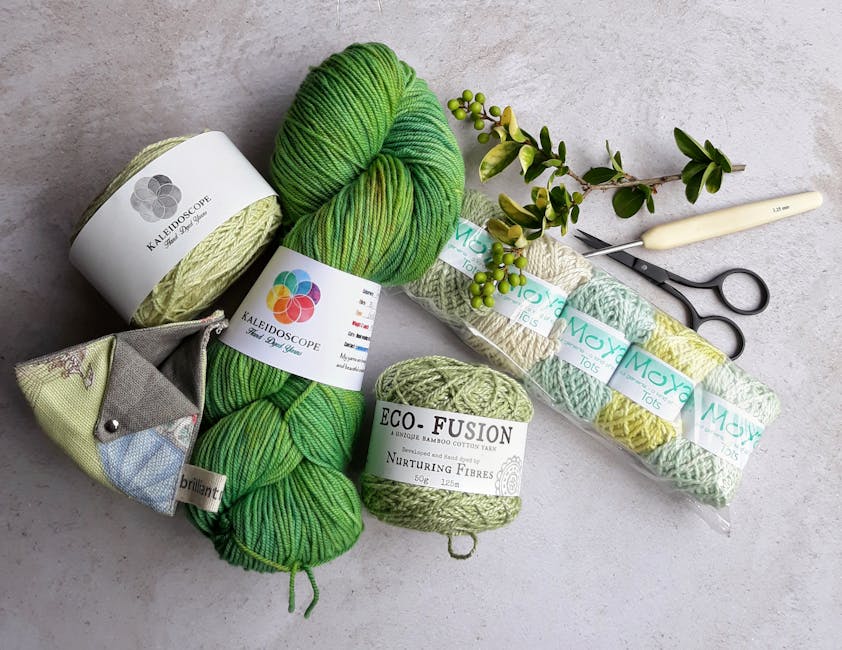
Matching your crochet hook to your yarn weight is the most practical use of a crochet hook size chart. Every yarn label includes a recommended hook size range, and following that recommendation gives you the best chance of producing fabric with proper drape, tension, and stitch definition. If you are not sure which yarn to choose, our guide on the best yarn for beginner crochet will help you navigate the options.
Here is a simple rule of thumb for pairing hooks and yarns using the crochet hook size chart: thinner yarns need smaller hooks and thicker yarns need larger hooks. If you use a hook that is too large for your yarn, your stitches will be loose, floppy, and full of visible gaps. If you use a hook that is too small, your stitches will be tight, stiff, and difficult to work through. The sweet spot is usually right in the middle of the recommended range printed on the yarn label.
That said, hook size is also a matter of personal tension and preference. Some crocheters naturally work with tight tension and need a larger hook to compensate. Others crochet loosely and prefer a smaller hook. This is exactly why making a gauge swatch is so important — it tells you whether your personal tension, hook choice, and yarn combination are producing the correct fabric for your pattern. Always make your gauge swatch before starting a project that needs to fit a specific size, like a sweater, hat, or pair of mittens.
How Do You Crochet Hook Size Chart: What Happens When You Use the Wrong Size?
Using the wrong hook size is the number one reason beginners get frustrated with their first projects. Understanding what goes wrong — and how to fix it — will save you hours of unraveling and reworking. Here are the most common problems caused by incorrect hook sizing and how the crochet hook size chart helps you avoid them.
Hook too large: Your stitches will be tall, loose, and have visible holes between them. The fabric will lack structure and feel flimsy. This is common when beginners try to use a 6mm or 7mm hook with fine yarn — the result looks like a fishing net rather than a solid piece of crochet. If your project looks holey, check the crochet hook size chart and try dropping down one or two sizes. The difference will be immediate and dramatic.
Hook too small: Your stitches will be tiny, tight, and extremely difficult to work through. Your fingers will cramp, each stitch will take twice as long, and the finished fabric will be stiff and uncomfortable to wear. This happens most often when beginners use a 3.5mm or 4mm hook with bulky yarn. If you find yourself struggling to insert your hook into each stitch, the crochet hook size chart probably says you need to go up a size or two.
Project turns out the wrong size: Even if your stitches look fine, using the wrong hook size will make your finished project larger or smaller than the pattern intended. A blanket that should measure 50 inches wide might end up at 60 inches with a too-large hook, or 40 inches with a too-small one. This is why patterns specify exact hook sizes — and why the crochet hook size chart is your best friend for understanding why those sizes matter. If your crochet pattern calls for a 5.5mm hook, that is not a suggestion — it is a critical part of achieving the correct finished dimensions.
How Do You 3 Tips for Getting the Most Out of Your Crochet Hook Size Chart?
These three tips will help you use the crochet hook size chart like a pro from day one.
1. Buy a crochet hook set with multiple sizes. Instead of purchasing individual hooks one at a time, invest in a complete set that includes every size from 2mm to 10mm. A full set costs only slightly more than two or three individual hooks and gives you the flexibility to match any yarn weight. Many beginner sets also include a convenient carrying case, ergonomic handles, and size markings printed directly on the handle. According to the Craft Yarn Council, having access to multiple hook sizes is essential for any crocheter who wants to work with different yarn weights and pattern styles.
2. When in doubt, go up a hook size. If you are between two sizes on the crochet hook size chart, it is almost always better to go with the larger hook. Loose, drapey fabric can be improved by going down a size on your next project, but tight, stiff fabric is harder to fix and much more frustrating to work with. Starting with a slightly larger hook also builds your confidence because the stitches are easier to see and manipulate. As your skills and tension improve, you can gradually move to smaller hooks for finer work.
3. Label your hooks if the size wears off. Over time, the size markings on cheaper crochet hooks can fade or rub off, especially with heavy use. This is incredibly frustrating when you need a specific size and cannot tell which hook is which. Keep a permanent marker or nail polish handy and mark the size directly on the handle when you first buy your hooks. Alternatively, store them in a labeled case using the crochet hook size chart as your guide. This small habit saves time and confusion on every single project.
Inline vs Tapered Hooks: Does Hook Shape Matter on the Size Chart?
The crochet hook size chart covers sizes, but there is another factor that affects your results even when you are using the exact right size: hook shape. There are two main hook head styles — inline and tapered — and choosing between them is largely a matter of personal preference. An inline hook has a straight shaft that meets the head at a sharp angle, similar to a pencil. A tapered hook has a smooth, rounded transition from shaft to head, like a knife handle tapering into a blade.
KnotToYarn
Subscribe to KnotToYarn!
Get the best free crochet patterns, tutorials & tips delivered straight to your inbox. Join our growing community!
Inline hooks are preferred by crocheters who want precise stitch placement and consistent sizing, because the straight shaft makes it easy to control your tension. Tapered hooks glide more smoothly through stitches, which makes them comfortable for long crochet sessions and great for working with fuzzy or textured yarns. Neither style is objectively better — but once you find your preference, you will want to stick with it. Both styles are available at every size on the crochet hook size chart, so you can choose your ideal shape at your ideal size. The Spruce Crafts guide to crochet hooks provides excellent comparisons of the top hook brands in both styles to help you decide.
Whether you are just learning how to crochet or you have been stitching for years, keeping a crochet hook size chart bookmarked is one of the smartest moves you can make. It takes the guesswork out of every project, helps you troubleshoot tension problems, and ensures your finished pieces come out the right size every time. Happy crocheting!
Frequently Asked Questions
Why do I need a crochet hook size chart?
A crochet hook size chart helps you match the right hook to your yarn weight and project requirements. Using the wrong hook size can lead to stitches that are too tight, too loose, or a finished piece that does not match the pattern dimensions. Keeping a chart handy saves time and frustration on every project.
What happens if I use the wrong crochet hook size?
Using a hook that is too small makes tight, stiff fabric, while a hook that is too large creates loose, floppy stitches. Both issues can change the overall size and drape of your finished piece. Always check your gauge with a small swatch before committing to a full crochet hook size chart recommendation.
Does a crochet hook size chart differ between metric and US sizes?
Yes, crochet hook sizing varies between metric (millimeters), US (letter and number), and UK (number) systems. A crochet hook size chart is essential for translating between these systems, especially when following international patterns. For example, a 5 mm hook is labeled H/8 in the US and 6 in the UK.
Where can I find a reliable crochet hook size chart?
You can find a trustworthy crochet hook size chart right here on KnotToYarn or from organizations like the Craft Yarn Council. Many yarn labels also include a recommended hook size for that specific yarn weight. Bookmark a chart so you always have it available when starting a new pattern.
Do crochet hook sizes vary between brands?
Yes, hook sizes can vary slightly between manufacturers, even when they are labeled the same. A 5 mm hook from one brand might feel slightly different from another brand’s 5 mm hook. This is why making a gauge swatch is so important, even when you are using the crochet hook size chart as a guide.
If you enjoyed learning about choosing the right tools, you might also love our guide on crochet needles.