Crochet Poncho: 7 Stunning Free Patterns for Beginners
Crochet Poncho at a Glance
- Topic: crochet poncho
- Skill level: beginner to intermediate
- Main goal: help you create a beautiful wearable poncho
- Related topics: crochet cardigan, crochet shawl, crochet cape, granny square projects
Quick Answer
A crochet poncho is one of the most versatile and rewarding garments a crocheter can make. Whether you are a complete beginner or have years of experience, this type of garment offers a forgiving silhouette, simple construction, and endless customization possibilities. Tip: always choose a yarn weight that matches your skill level—worsted weight (#4) is ideal for first-time poncho makers because it works up quickly and produces clear, even stitches.
At a Glance
- Skill level: beginner to intermediate
- Time needed: 8–15 hours for most adult sizes
- Best yarn: worsted weight (#4) acrylic or wool blend
- Hook size: 5.5mm (US I-9) to 6.5mm (US K-10.5)
Common Mistakes → Quick Fixes
- Wrong gauge: Always make a swatch before starting
- Poncho too tight: Add 4–6 inches of ease to measurements
- Curling edges: Block your finished piece and relax tension — see our guide on why crochet curls
Mini Glossary
ch (chain), dc (double crochet), sc (single crochet), hdc (half double crochet), fpdc (front post double crochet), yo (yarn over)
If you have been searching for the perfect beginner-friendly wearable project, look no further than a crochet poncho. Ponchos are incredibly popular because they flatter every body type, require minimal shaping, and can be dressed up or down depending on the occasion. In this comprehensive guide, we will walk you through everything you need to know about crafting your very own poncho from start to finish.
Unlike fitted garments like sweaters, a crochet poncho does not require complex armhole shaping or precise bust measurements. That makes it one of the best projects for crocheters who want a stunning finished piece without the stress of exact sizing. Whether you prefer a classic granny square design, a modern chevron stripe, or an elegant ripple pattern, there is a poncho pattern out there that matches your taste and skill level.
Why Every Crocheter Should Try a Crochet Poncho
There are many reasons why the crochet poncho deserves a spot in your project queue. First, ponchos are wearable art. They make thoughtful handmade gifts for friends and family, and they sell beautifully at craft fairs. Second, this garment is a fantastic stash-busting project—you can combine leftover skeins of yarn to create a colorful, one-of-a-kind piece. Third, ponchos are seasonless. A lightweight cotton version works beautifully for cool summer evenings, while a chunky wool one keeps you cozy through the harshest winter months.
From a learning perspective, making a crochet poncho helps you practice and master several essential crochet techniques. You will gain confidence in working in the round, creating even tension across large panels, joining motifs, and finishing techniques like blocking and seaming. If you need a refresher on foundational stitches, check out our guides on the single crochet stitch and the double crochet stitch.
Choosing the Right Yarn for Your Poncho
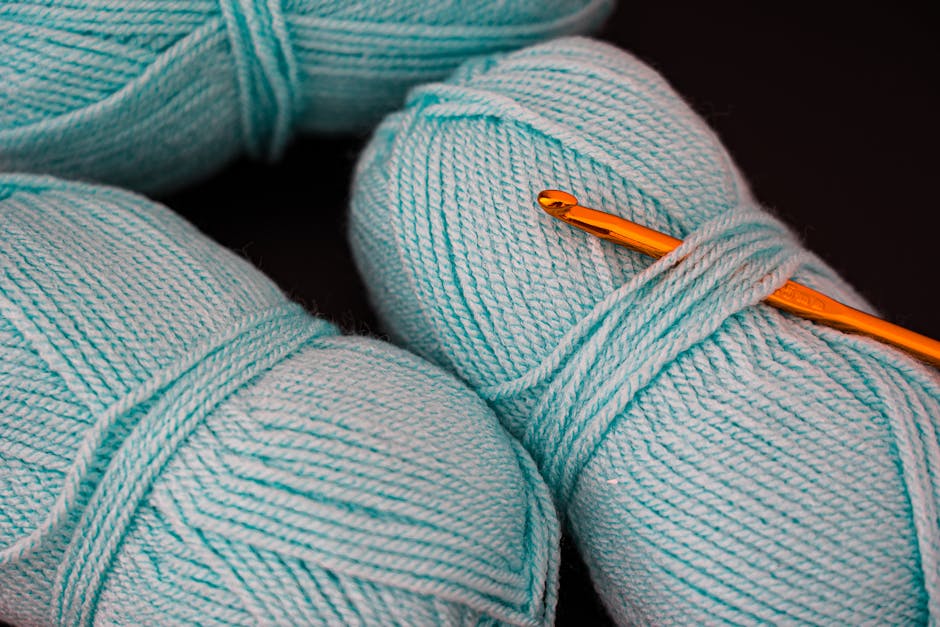
Yarn selection can make or break your crochet poncho. The right yarn ensures your garment drapes beautifully, feels comfortable against the skin, and holds up through years of wear. Here are the top yarn choices for these projects:
- Worsted weight acrylic: Affordable, easy to care for, and available in hundreds of colors. This is the best choice for your first poncho. If you are new to yarn shopping, our guide to the best yarn for beginner crochet will help you make smart choices.
- Wool blend (wool/acrylic): Offers excellent warmth and stitch definition. Perfect for winter garments that need extra insulation.
- Cotton or cotton blend: Breathable and lightweight, ideal for spring and summer ponchos. Creates a lovely drape that flatters the shoulder line.
- Bulky or super bulky yarn: If you want a fast project, use a bulky weight with a large hook. You can finish a crochet poncho in a single weekend.
For accurate sizing and consistent results, always refer to the Craft Yarn Council’s standards for yarn weight classifications and hook size recommendations. Matching the correct hook to your yarn weight is the single most important step in ensuring your poncho turns out the right size.
7 Stunning Crochet Poncho Patterns for Beginners
1. Classic Granny Square Poncho
The granny square poncho is the most iconic style of crochet poncho you can make. It uses simple clusters of double crochet stitches worked in the round, making it incredibly beginner-friendly. You will join multiple granny squares together to form two large panels, then seam the panels at the shoulders to create the garment shape. For a step-by-step granny square tutorial, visit our granny square pattern guide.
2. Two-Panel Rectangle Poncho
This beginner-friendly design is essentially two large rectangles crocheted flat and seamed together at the shoulders, leaving an opening for the head. It is the simplest construction method for a crochet poncho and works beautifully with basic stitches like half double crochet or double crochet. The edges can be finished with a simple border or fringe.
3. Ripple Chevron Poncho
The ripple stitch creates gorgeous wave-like color changes that make any poncho look professional and eye-catching. This pattern is worked in rows using increases and decreases to form the chevron peaks and valleys. It is an excellent pattern for practicing consistent tension control across color changes.
4. Filet Crochet Poncho
Filet crochet uses a grid of open and filled squares to create intricate designs and images within the fabric. A filet crochet poncho looks elegant and delicate, yet the technique is surprisingly simple once you understand the grid system. This style works best with a smooth, lightweight yarn in a single color.
5. Hooded Poncho
Add a cozy hood to a traditional poncho for extra warmth and style. The hooded variation is perfect for autumn and winter wear, and it makes a wonderful gift for teenagers and adults alike. The hood is typically worked separately and then attached to the neck opening.
6. Poncho with Fringe Trim
Fringe instantly elevates the look of any crochet poncho, giving it a bohemian, free-spirited vibe. You can add fringe to the bottom edge, the front opening, or both. Simply cut equal lengths of yarn, fold each strand in half, pull the loop through the edge stitch with a hook, and pull the ends through the loop to secure.
7. Color Block Poncho
Use bold, contrasting color sections to create a modern geometric poncho. This pattern lets you experiment with color theory and create a truly unique garment. Each color block can be a different stitch pattern for added texture and visual interest.
Essential Tips for a Perfect Poncho
No matter which pattern you choose, these tips will help your crochet poncho look professional and polished:
- Make a gauge swatch: This is non-negotiable. Even a half-stitch difference per inch can change your poncho size by several inches. Spend ten minutes on a swatch to save hours of frustration later.
- Block your finished piece: Wet blocking or steam blocking transforms a wavy, uneven poncho into a smooth, professionally finished garment. It also helps set the stitches and improves drape.
- Use stitch markers: Place markers at regular intervals when working in the round to keep track of your stitch count and ensure symmetrical shaping.
- Weave in ends securely: A well-made poncho can last for years, but only if you weave in all loose ends properly. Thread the tail through several stitches in different directions for a secure hold.
- Read your pattern carefully: Before you begin, read through the entire pattern. If you are new to reading patterns, our guide on how to read a crochet pattern will be invaluable.
How to Size Your Crochet Poncho
One of the best things about a crochet poncho is the relaxed fit, which means exact sizing is more forgiving than fitted garments. However, you still want to hit the right ballpark. Here is a general sizing guide:
- Child (ages 4–10): Panel width approximately 14–18 inches
- Teen/Small Adult: Panel width approximately 18–22 inches
- Medium/Large Adult: Panel width approximately 22–26 inches
- Plus Size Adult: Panel width approximately 26–30 inches
Remember that each panel folds in half at the shoulder, so the actual width of the fabric is doubled. When in doubt, make your poncho slightly larger rather than smaller. You can always add a belt or pin to cinch the waist for a more fitted look.
Crochet Poncho vs. Other Crochet Wearables
If you are debating between a crochet poncho and other wearable projects like cardigans, shawls, or capes, consider the following comparisons:
A poncho is easier to make than a cardigan because it requires no armhole shaping or buttonhole placement. Compared to a crochet shawl, a poncho provides more coverage and warmth because it sits over both shoulders. And unlike a cape, which can feel cumbersome, a poncho offers a comfortable, balanced fit that stays in place while you move. For inspiration beyond ponchos, browse the poncho pattern collection on Ravelry.
Frequently Asked Questions
How long does it take to make a crochet poncho?
Most crocheters can complete a basic crochet poncho in 8 to 15 hours, depending on the pattern complexity, yarn weight, and your personal speed. A simple two-panel rectangle poncho in worsted weight yarn is the fastest option and can often be finished in a weekend.
What is the best yarn for a beginner crochet poncho?
Worsted weight (#4) acrylic yarn is the best choice for beginners making their first poncho. It is affordable, widely available, easy to work with, and comes in an extensive color range. Acrylic yarn is also machine washable, which is a bonus for everyday wear.
Can I make a crochet poncho without a pattern?
Yes, experienced crocheters can certainly create a crochet poncho without a formal pattern. The simplest approach is to crochet two identical rectangles to your desired dimensions, then seam them together at the shoulders. However, if you are a beginner, following a pattern ensures correct proportions and a polished result.
How do I care for my finished crochet poncho?
Care instructions depend on the yarn you used. For acrylic and cotton ponchos, machine wash on a gentle cycle and lay flat to dry. For wool ponchos, hand wash in cool water with a gentle detergent and reshape while damp. Always check the yarn label for specific care recommendations to keep your poncho looking its best.
Is a crochet poncho suitable for selling at craft fairs?
Absolutely. Ponchos are among the most popular handmade items at craft markets because they are unique, practical, and make excellent gifts. To maximize your sales, offer your crochet poncho in multiple colorways and sizes, and display them attractively with coordinating accessories like hats and scarves.