Crochet Shawl: 7 Stunning Ideas + a Free Granny Triangle Pattern
Crochet shawl patterns are among the most versatile accessories you can make, they work as wraps, cover-ups, and cozy layering pieces. They range from simple rectangle shapes to intricate triangular designs. Explore more free patterns at KnotToYarn.com.
As an Amazon Associate we earn from qualifying purchases: some supply links in this post are affiliate links, at no extra cost to you.
Tip: Choose a yarn with excellent drape like merino wool or a cotton-silk blend for the best shawl results.
Featured Free Pattern: Granny Triangle Shawl
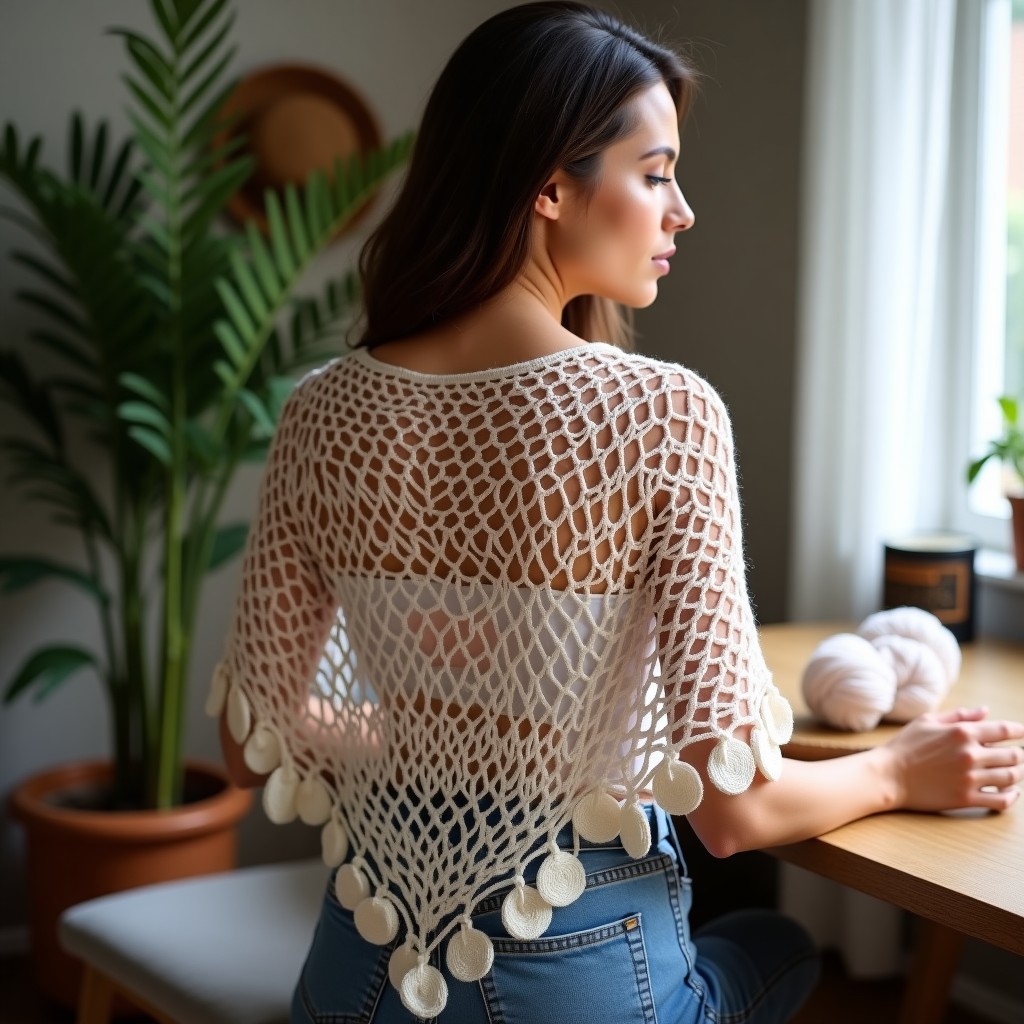
This is KnotToYarn’s own original pattern, free to use, and you’re welcome to sell what you make from it.
The granny triangle shawl is the one-skein-at-a-time project crocheters return to forever: it starts at the center of the long edge and grows outward, so every row is a complete shawl. Here is the full pattern.
Materials
- DK or fingering yarn, 300-500 g (gradient cakes are spectacular in this pattern)
- 5.0 mm (US H) crochet hook for DK; 4.0 mm for fingering
- Yarn needle, blocking pins
Finished size: Grows until you stop, 150-180 cm wingspan is a classic adult shawl
Skill level: Confident beginner
Abbreviations (US terms): ch (chain), dc (double crochet), sl st (slip stitch), sp (space), cluster (3 dc in one space)
Instructions
The shawl is worked flat in rows, starting from the center-top. Each row has a (cluster, ch 2, cluster) SPINE in the middle and cluster groups along both wings.
Row 1: Ch 5. In the 5th ch from the hook work: 3 dc, ch 2, 3 dc, the first spine. Ch 3, turn.
Row 2: 3 dc in the first gap (between the turning chain and the first cluster), (3 dc, ch 2, 3 dc) in the ch-2 spine space, 3 dc in the last gap, dc in the top of the turning chain. Ch 3, turn.
Row 3 onward: 3 dc in every gap between clusters across the wing, (3 dc, ch 2, 3 dc) in the spine space, 3 dc in every gap along the second wing, ending dc in the turning chain. Every row, each wing gains one cluster and the spine pushes the point downward.
Continue until the wingspan reaches 150-180 cm, or you run out of yarn, granny triangles look finished at every size, which is what makes them a good fit for gradient cakes and stash odds.
Finishing
Final row: *sc in the gap, ch 3;* across both wings with (sc, ch 3, sc) in the spine, a quick scalloped edge. Wet-block the shawl, pinning the top edge straight and the point sharp: blocking is what turns granny clusters into open lace. A shawl pin or a simple ch-60 tie at the front corners finishes the look.
Made this? We’d love to show off your work, send a photo through our contact page and we’ll feature it here with credit to you.
Tip: Color changes hide best at the start of a row, but gradient yarn does the work for you, this pattern exists to show off a long color repeat. One 400 g gradient cake, no decisions, maximum effect.
A crochet shawl is one of the most rewarding projects you can tackle, whether you are brand new to the craft or looking for your next relaxing weekend make. Shawls are forgiving, stylish, and incredibly useful, you can wear them year-round as a light layer, a cozy wrap, or a bold statement piece.
In this guide, you will discover seven gorgeous shawl patterns that suit every skill level. We will walk through the best yarn choices, essential stitches, and common pitfalls so you can finish your project with confidence. Let’s dive in!
Why Every Crocheter Needs a Crochet Shawl Pattern?
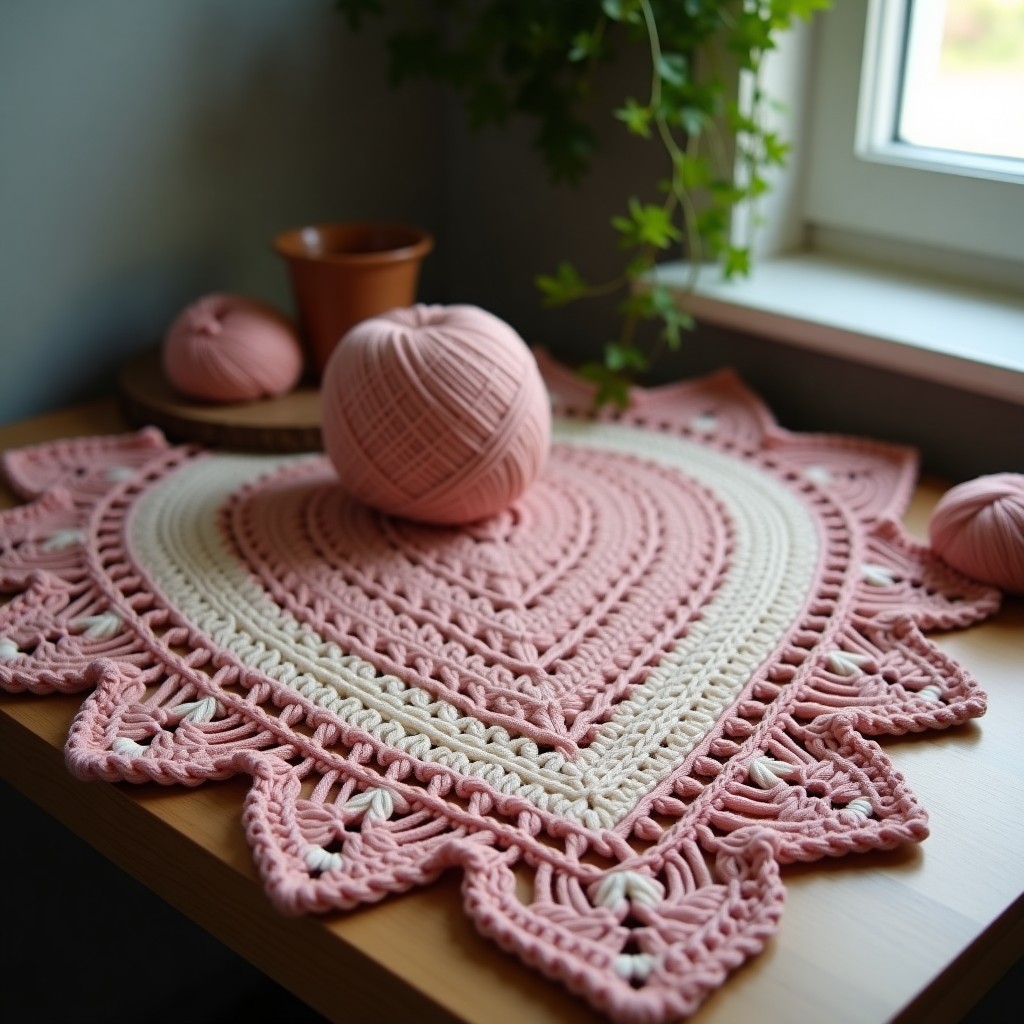
If you have never made a crochet shawl before, you are in for a treat. Unlike garments that require precise sizing, a shawl is naturally adjustable. You simply keep working until it reaches the length and width you want. This makes it the perfect project for beginners who are still building their confidence.
Beyond ease of construction, a crochet shawl is a wardrobe staple. Throw one over a sundress in summer, drape it across your shoulders on a chilly evening, or gift one to a friend for the holidays. The versatility is unmatched.
Ready to start? If you need a refresher on the basics, check out our how to crochet for beginners guide before jumping into these patterns.
How Do You Choose the Best Yarn for Your Shawl?
The yarn you pick makes or breaks your handmade shawl. Drape is everything, you want the fabric to flow gracefully around your shoulders, not stand stiff like a board.
Here are the top yarn choices for a beautiful handmade shawl:
- Merino wool DK: Incredibly soft with gorgeous drape. Great for winter wraps.
- Cotton-silk blend: Lightweight and elegant. Ideal for spring and summer layers.
- Alpaca worsted: Warm, fuzzy, and luxurious. Great for cozy autumn evening wraps.
- Bamboo yarn: Silky sheen with beautiful fluidity. A fantastic budget-friendly option.
Not sure which yarn to start with? Visit our best yarn for beginner crochet guide for detailed recommendations and brand suggestions.
7 Stunning Crochet Shawl Patterns to Try
Below are seven beautiful shawl patterns, each with its own character and charm. Whether you love simple stitches or crave a challenge, there is something here for you.
1. The Classic Triangle Shawl
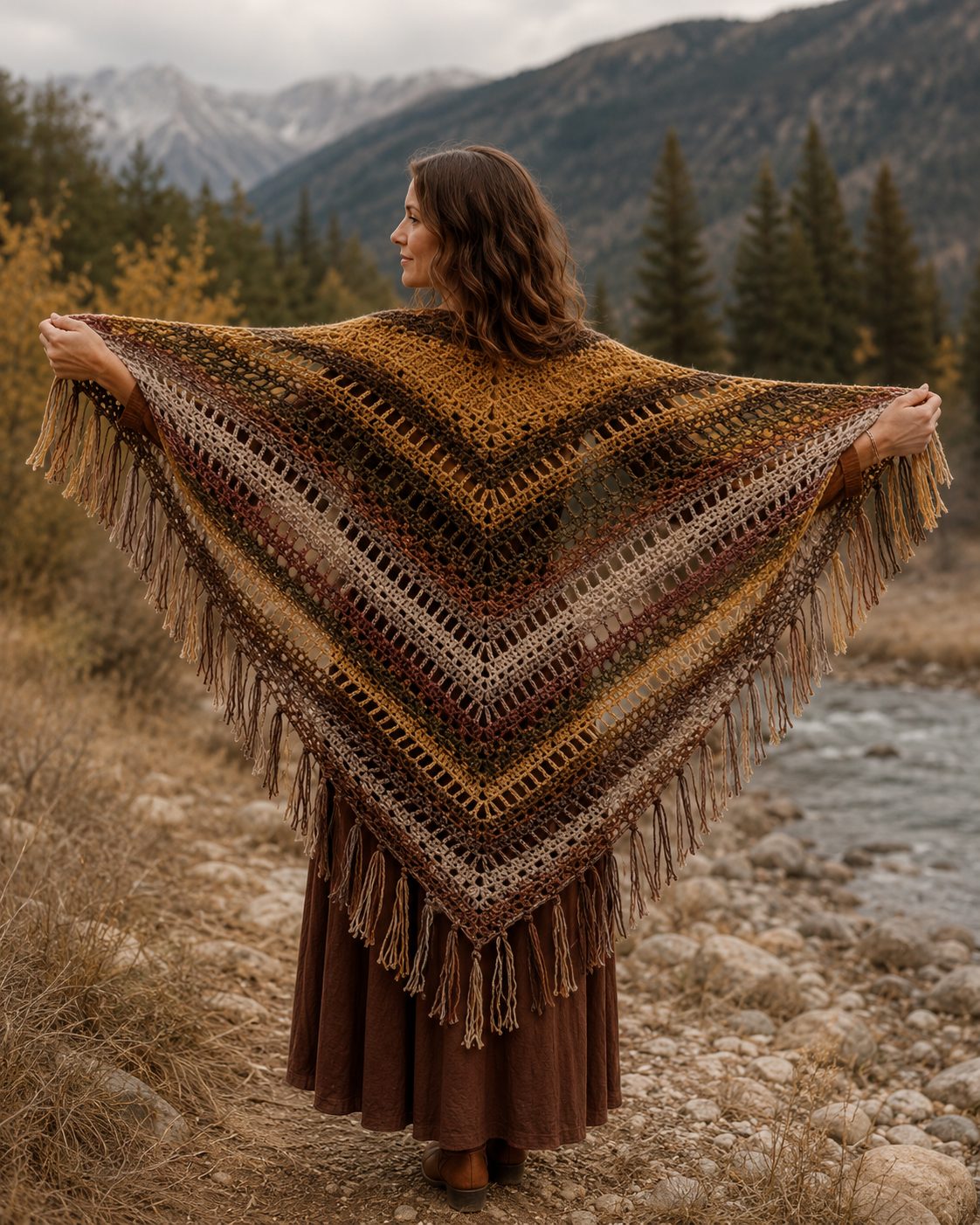
The triangle shawl is the most iconic shape in the shawl world. You start with a small chain, increase at both edges, and watch the triangle grow row by row. This pattern typically uses a combination of DC and ch stitches for an open, airy fabric.
Tip: Use a gradient yarn cake to create a stunning color transition without changing skeins.
Free pattern: My First Triangle Shawl by Winding Road Crochet, written for a true first shawl with the increases spelled out.
2. The Beginner-Friendly Rectangle Wrap
If the thought of shaping makes you nervous, a rectangular shawl is your best friend. You simply chain your desired width and work back and forth in rows. A double crochet stitch pattern creates beautiful texture with minimal effort. For a tutorial on this essential stitch, see our double crochet stitch guide.
Free pattern: Rectangle Granny Stitch Shawl by Simply Hooked by Janet, no shaping at all, just rows until it is long enough.
3. The Feather-and-Fan Lace Shawl
This lace wrap uses a classic wave stitch pattern that looks far more complicated than it actually is. The feather-and-fan motif creates elegant scalloped edges that drape beautifully. Work it in a fine merino or silk blend for an heirloom-quality piece.
Free pattern: Lace Feather and Fan Shawl by RaffamusaDesigns, a triangle worked from the center out, with the fan motif charted.
4. The Granny Stitch Shawl
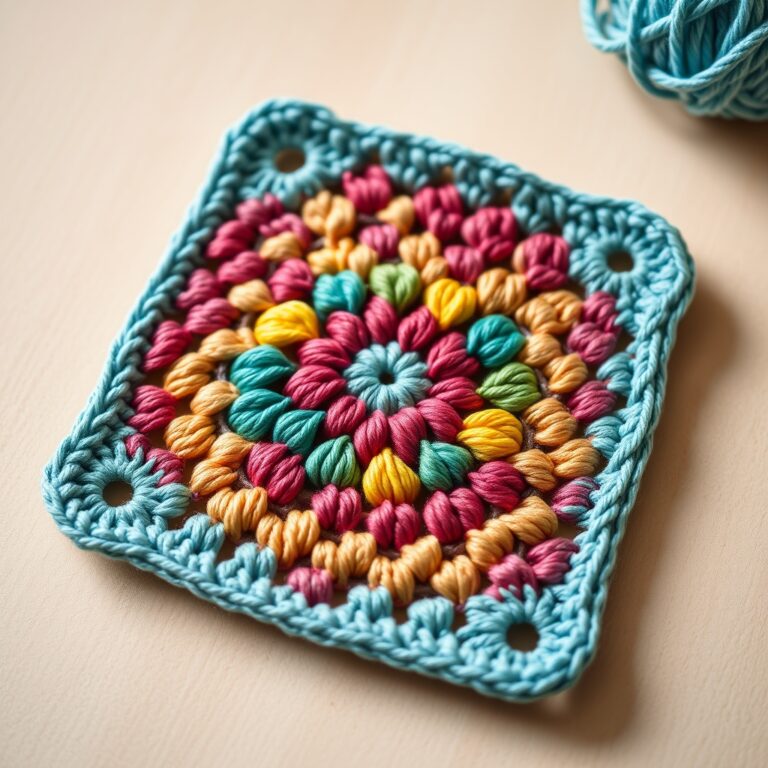
The granny stitch is a beloved classic, and it translates beautifully into a shawl pattern. Worked in rows with increases at each end, this piece grows into a generous triangle with lovely open clusters. It is an excellent stash-busting project because each cluster can be a different color.
Free pattern: Traditional Granny Stitch Shawl by B.Hooked, written plus a video, and a perfect stash-buster.
5. The Moss Stitch Everyday Shawl
The moss stitch (also called the linen stitch or granite stitch) produces a dense, textured fabric with a modern look. A shawl in moss stitch is warm, cozy, and well suited to cool-weather layering. Use a worsted-weight yarn and a 5.5mm hook for best results.
Free pattern: Moss Stitch Shawl by Hooked by Robin, a one-row repeat with a video tutorial.
6. The Pineapple Lace Shawl
Pineapple lace is a traditional technique that creates stunning openwork. A pineapple lace pattern is a showstopper, it is the kind of project that makes people ask, “You made that?!” Work it in a light fingering-weight yarn for maximum delicacy.
Free pattern: Pineapple Lace Stitch Shawl by Meladora’s Creations, the showstopper, with photo and video support for the lace.
7. The Oversized Poncho-Style Shawl
For those who love dramatic silhouettes, an oversized wrap worn poncho-style is a must. This pattern creates a wide, sweeping triangle that you can drape over one shoulder or wear centered. It is bold, cozy, and effortlessly stylish.
Essential Stitches for Shawls
Most shawl patterns rely on a handful of core stitches. Mastering these will open up dozens of design possibilities:
- Chain (ch): The foundation of every project. Practice until your chains are even and not too tight.
- Single crochet (SC): Creates a dense, sturdy fabric. Great for edgings and borders.
- Double crochet (DC): The workhorse of shawl patterns. Tall enough for speed, short enough for texture.
- Half double crochet (HDC): A perfect middle ground between SC and DC. Produces a lovely, slightly dense fabric.
- Treble crochet (TR): Adds height and openness. Used in lace patterns for dramatic, airy results.
For more stitch ideas and beginner-friendly patterns, browse our collection of crochet scarf patterns for beginners, many of the same techniques apply to shawls!
How to Block Your Crochet Shawl?
Blocking is the secret weapon that transforms a good shawl into a professional-looking masterpiece. Here is a simple step-by-step process:
- Soak: Submerge your finished piece in lukewarm water with a gentle wool wash for 15-20 minutes.
- Press: Gently squeeze out excess water (never wring or twist). Roll in a towel and press to remove more moisture.
- Pin: Lay the shawl flat on a blocking mat or clean towels. Use rust-proof T-pins to stretch and shape the edges to your desired dimensions.
- Dry: Let it air dry completely, usually 24-48 hours. Steam lightly if your yarn fiber allows it.
Blocking smooths out uneven stitches, opens up lace patterns, and gives your shawl that gorgeous, polished drape.
Find the Right Size
One of the best things about making a shawl is that sizing is flexible. However, if you want a reliable starting point, here are common dimensions:
- Shoulder shrug: approximately 45 cm x 150 cm
- Standard triangle: approximately 170 cm wingspan x 80 cm center depth
- Oversized wrap: approximately 200 cm x 100 cm
- Poncho-style: approximately 180 cm wingspan x 90 cm center depth
Remember, these are guidelines, the beauty of a handmade shawl is that you can adjust as you go. Simply try it on periodically and keep working until it feels right.
What Are the Best Tips for a Perfect Crochet Shawl?
Here are some expert tips to improve your next shawl project:
- Use stitch markers: Place one at the center stitch of each row to keep your increases aligned.
- Count your stitches: Taking a few seconds at the end of each row prevents the dreaded “growing triangle” problem.
- Swatch first: Even for a project as forgiving as a shawl, a small swatch helps you confirm gauge and drape before committing.
- Add fringe or tassels: A simple fringe along the bottom edge adds movement and a professional finish.
- Weave in ends as you go: Do not wait until the end, weaving in ends along the way saves hours of finishing work.
For standardized hook sizes and yarn weight information, the Craft Yarn Council is the definitive resource used by designers worldwide.
Common Shawl Mistakes (and How to Avoid Them)
Even experienced crocheters run into issues with shawls. Here are the most common problems and their solutions:
- Shawl curling at the edges: This usually means your foundation chain was too tight. Try going up a hook size or using a foundation double crochet instead.
- Uneven shaping: You may be accidentally adding or skipping increases. Use a stitch marker and count every row.
- Fabric feels stiff: Switch to a larger hook or choose a yarn with more natural fiber content.
- Colors pooling unexpectedly: If using variegated yarn, make a small swatch first to see how the colors distribute.
For more troubleshooting tips, the Ravelry shawl pattern database is a great place to explore community-tested patterns and read other crocheters’ project notes.
Frequently Asked Questions
How long does it take to crochet a shawl?
A simple crochet shawl can be completed in 6-8 hours by an experienced crocheter, while more intricate lace patterns may take 15-25 hours. Beginners should plan for 10-20 hours depending on the complexity of the design.
What is the easiest crochet shawl pattern for beginners?
The rectangle wrap is the easiest wrap pattern for beginners. It uses only chains and double crochet stitches worked in straight rows, no shaping or increases required. The granny stitch triangle is another great beginner-friendly option.
How much yarn do I need for a crochet shawl?
Most standard-sized shawls require 400-800 meters (450-875 yards) of DK or worsted-weight yarn. Always check your specific pattern for exact requirements and buy an extra skein to be safe.
Can I use acrylic yarn for a crochet shawl?
Yes, you can use acrylic yarn, but be aware that acrylic tends to have less drape than natural fibers. For the best results, choose a soft, premium acrylic or blend it with a natural fiber. A cotton-acrylic blend is a great middle ground.
How do I wear a crochet shawl?
A shawl can be worn in many ways: draped over both shoulders like a traditional wrap, folded in half diagonally and worn as a triangle scarf, pinned at one shoulder with a shawl pin, or even belted at the waist for a modern boho look. Experiment and find your favorite style!
If you enjoyed this guide, you might also love our tutorial on How To Change Colors In Crochet. For each design below you’ll find an overview of the construction, the stitches it uses, and tips to make your own version.
Free pattern: Granny Square Shawl by The Purple Poncho, oversized and easy to wear poncho-style over one shoulder.