
Crochet Slip Stitch Tutorial: The slip stitch (abbreviated sl st) is the shortest and most versatile crochet stitch. Whether you are closing a round, seaming panels together, or creating a smooth decorative edge, this stitch is a foundational skill every crocheter needs. At KnotToYarn.com, we break down five essential techniques so you can start using the slip stitch with confidence today.
As an Amazon Associate we earn from qualifying purchases: some supply links in this post are affiliate links, at no extra cost to you.
If you have been searching for a clear, beginner-friendly crochet slip stitch tutorial, you are in the right place. The slip stitch is one of the first stitches most crocheters learn, yet many people only use it to close rounds. Here, we explore five essential slip stitch techniques that will level up your projects, from seamless seaming to decorative surface details. Let’s walk through each one step by step.
What Is a Slip Stitch?
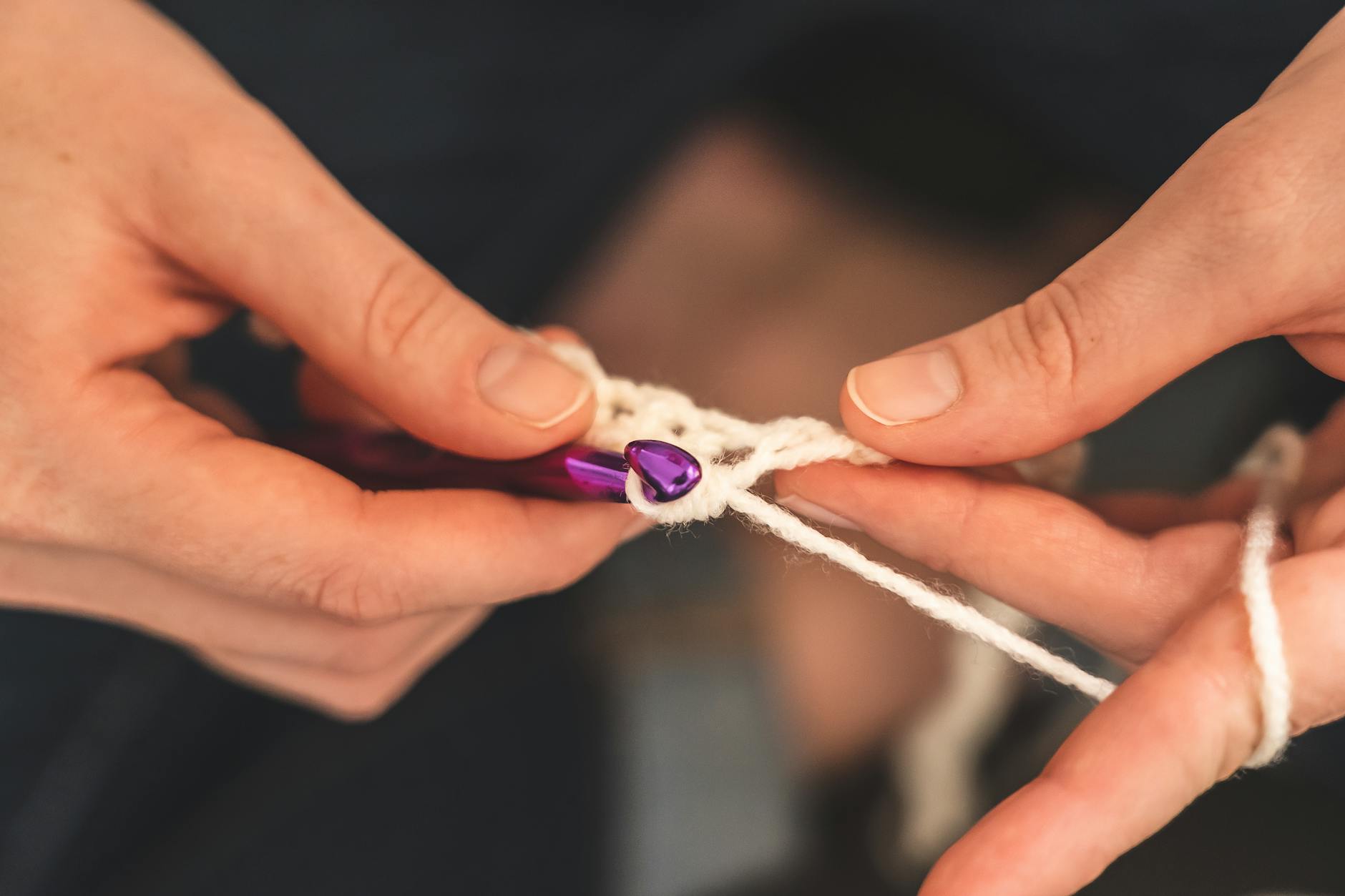
The slip stitch (sl st) is the shortest crochet stitch. Unlike a single crochet or a half double crochet, the slip stitch does not add any height to your work. You simply insert your hook, yarn over, and pull through both the stitch and the loop already on your hook in a single motion. If you are completely new to crochet, our how to crochet for beginners guide is a great starting point before diving into this tutorial.
Stitch abbreviations and conventions can vary between publishers and regions. Check the pattern key before you begin, especially when a pattern uses UK terms or gives a specific instruction for closing a round.
Technique 1: Closing Rounds
The most common use of the slip stitch is closing a round. When you work in the round, like when making a granny square, you need a way to join the last stitch to the first without adding height. That is exactly what the slip stitch does.
- Complete the last stitch of your round.
- Insert your hook into the first stitch of the round (or into the top of the chain-1 turning chain, depending on the pattern).
- Yarn over and pull through both loops on the hook.
This technique keeps your work flat and even. Practice it a few times with any scrap yarn and you will find it becomes second nature.
Technique 2: Slip Stitch Seaming
A slip-stitch seam can join two crochet panels without a tapestry needle. Hold the pieces in the orientation the pattern specifies, insert the hook through the matching edge stitches, yarn over, and pull through the fabric and the loop on your hook in one motion. Repeat evenly across the seam. The finish can leave a small ridge, so make a short swatch first if you need a particularly flat or invisible join.
For best results, match your seaming yarn color to the project and keep an even tension. If your seams look wavy, check out our guide on how to fix crochet tension.
Photo by Castorly Stock via Pexels
Technique 3: Slip Stitch Edge
A slip-stitch edging is a low-profile finish for an already completed edge. Insert the hook into the next edge stitch, yarn over, and pull through the stitch and the loop on your hook in one motion. Repeat around the edge, keeping the stitches loose enough that the fabric does not pucker.
This is different from crab stitch, also called reverse single crochet. Crab stitch uses single crochet worked in the reverse direction; it is not a slip stitch.
Technique 4: Surface Slip Stitch
Surface crochet is a decorative technique where you work slip stitches on top of a finished piece of crochet fabric. This works well for adding stripes, letters, or freehand designs without having to change colors mid-row. Simply insert your hook through the fabric from front to back, yarn over, pull up a loop, then insert the hook a short distance away and pull through both loops.
Technique 5: Moving Across Stitches
Patterns sometimes use slip stitches at the beginning of a row to move the working yarn to a later stitch before the next instruction begins. This can reposition the working edge, but it is not a universal substitute for shaping. Work only the number of slip stitches stated in the pattern, then continue with the specified stitch.
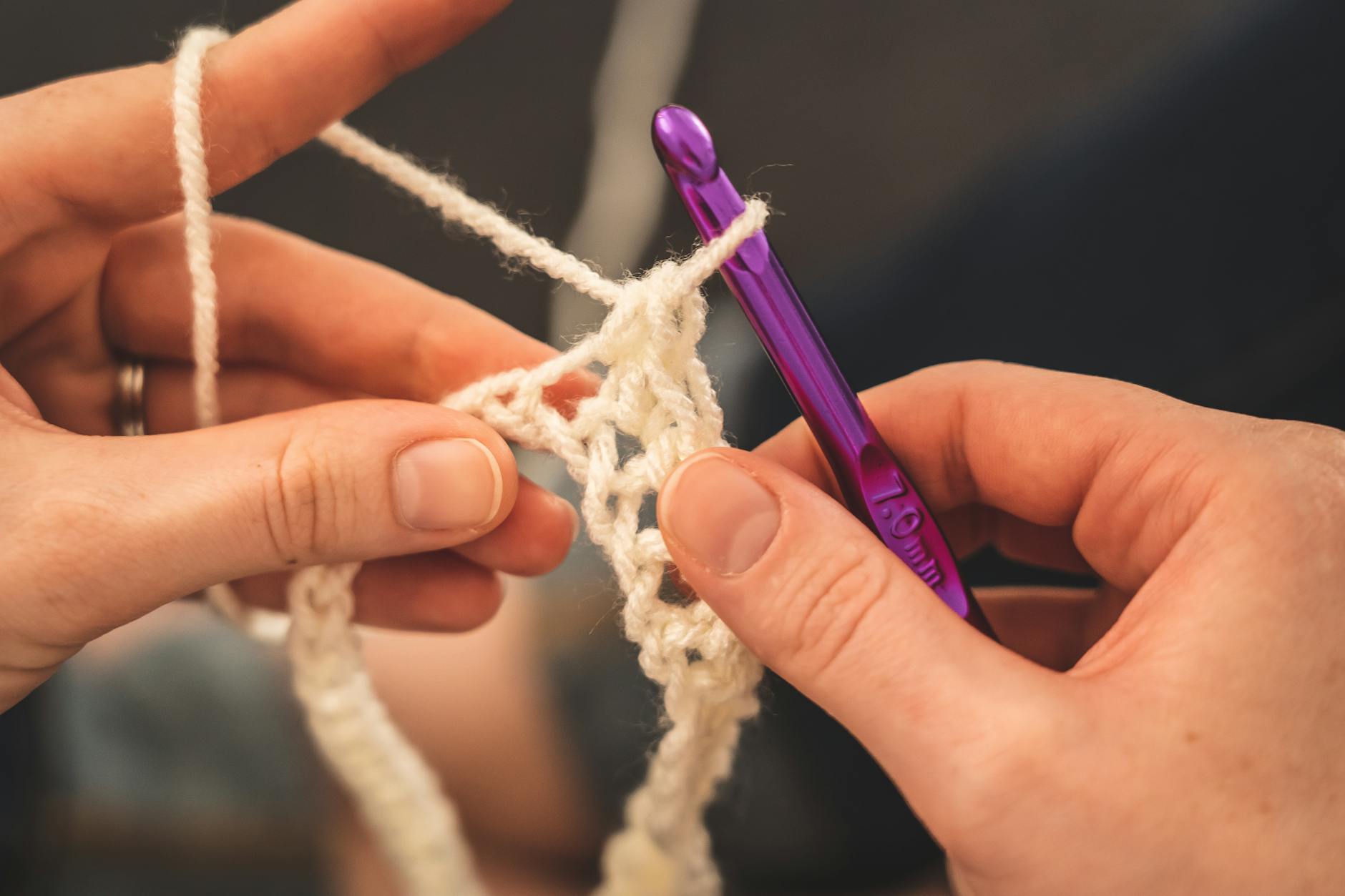
Photo by Miriam Alonso via Pexels
What Are the Best Tips for Perfect Slip Stitches Every Time?
This guide would not be complete without some practical tips to perfect your technique. Keep these in mind as you practice each of the five methods covered above.
- Choose the right hook: A slightly larger hook can help if your slip stitches are consistently too tight. See our best yarn for beginner crochet guide for yarn-hook pairing tips.
- Count your stitches: Place a stitch marker every 10 stitches to catch mistakes early. This habit is covered in our crochet abbreviations for beginners reference.
- Watch your tension: Even tension is the secret to beautiful crochet. Practice with a smooth worsted-weight yarn until your stitches are consistent.
For more stitch guides and free patterns, explore the full library at free crochet patterns for beginners on KnotToYarn.com. We hope this walkthrough has given you the confidence to use the slip stitch in new and creative ways.
Thank you for following along with this tutorial. We hope these five techniques have given you a solid foundation.