How to Make a Slip Knot: 3 Easy First Steps
Learning how to start a crochet chain is the first skill every crocheter needs. Begin with a slip knot on your hook, then yarn over and pull through each loop to create a chain. Keep your tension even and count each chain stitch as you go for accurate patterns.
Tip: Make your foundation chain slightly looser than your working stitches: tight chains cause curling edges in your final project.
If you want to learn to start a crochet chain, you have come to the right place. The foundation chain is the very first technique every new crocheter must master before moving on to more complex stitches and patterns. Without a solid starting chain, your entire project can become uneven or frustrating to work through. In this guide, we will walk you through seven easy tips that make starting your first crochet chain simple and enjoyable, even if you have never picked up a hook before.
Why does the Foundation Chain matter?

The foundation chain, often abbreviated as ch in patterns, serves as the base row for nearly every crochet project you will ever create. Think of it as the backbone of your work. Whether you are making a simple scarf, a cozy blanket, or an amigurumi toy, every single project begins with this essential chain of loops. If your foundation chain is too tight, too loose, or uneven, the rest of your stitches will follow that same uneven path. That is exactly why starting a chain properly from the beginning makes such a huge difference in your finished results.
A well-made foundation chain gives your project structure and flexibility. It sets the stage for the single crochet stitch, double crochet, and every other stitch in your pattern. When you invest time in practicing your foundation chain, you build muscle memory that will serve you throughout your entire time crocheting. The Craft Yarn Council recommends mastering the chain stitch before attempting any other technique, as it forms the structural foundation for all crochet work.

How to Start a Crochet Chain: Step by Step?
Now let us break down the exact process of creating a foundation chain into three clear, manageable steps. Grab your yarn and hook, and follow along at your own pace. There is no rush here, practice makes perfect.
Make a Slip Knot
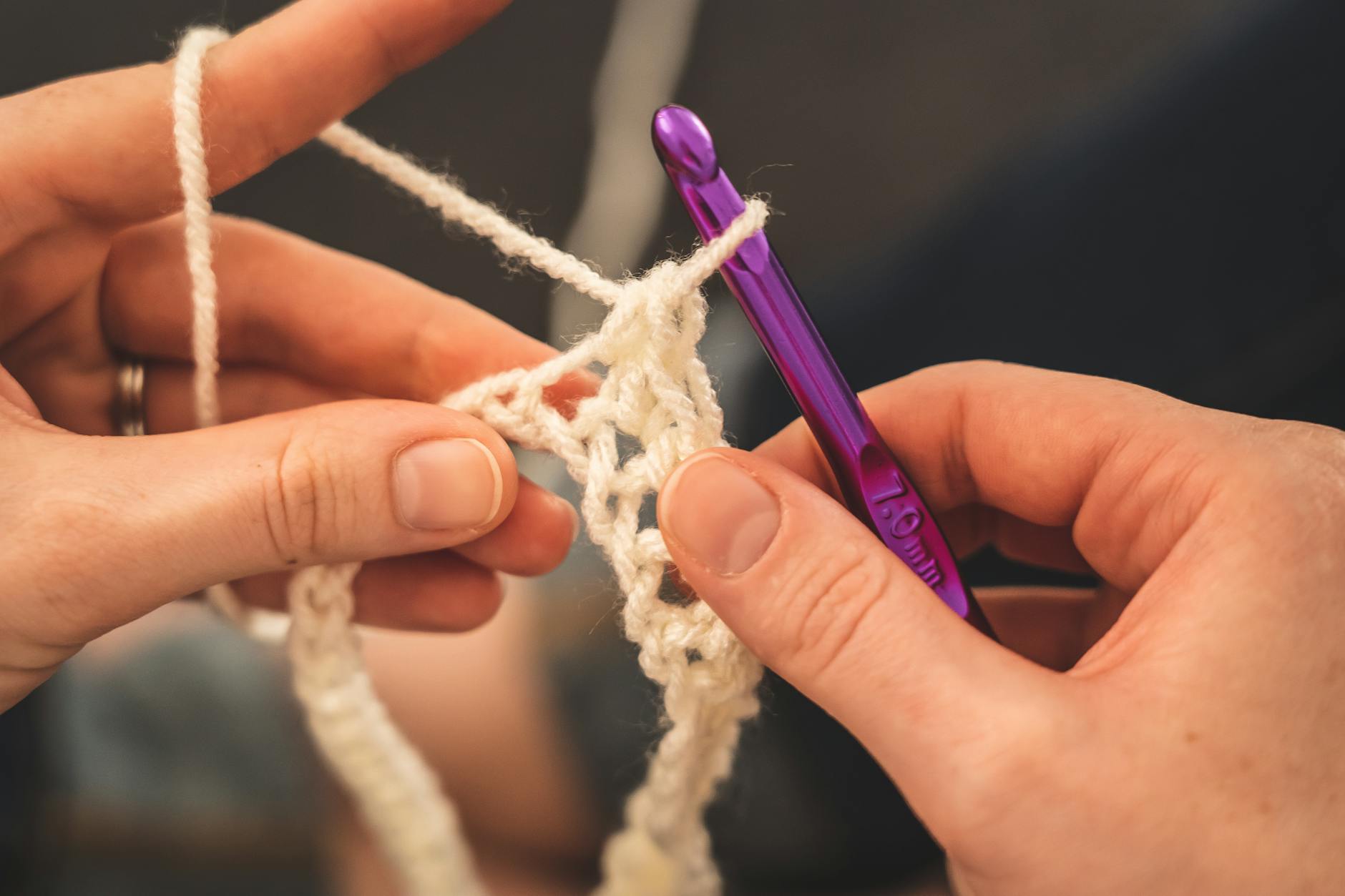
The first step when starting a crochet chain is creating a slip knot. This small loop anchors your yarn to the hook and counts as your first chain stitch in most patterns. To make a slip knot, wrap the yarn around your index and middle fingers twice to form an X shape. Then pull the back loop through the front loop, slip it onto your hook, and gently tighten. The loop should slide easily on your hook without being too loose or too tight. Choosing the right hook from our crochet hook sizes guide can make this step feel much more comfortable.
Your First Chain Stitch
With your slip knot on the hook, you are ready to create your first real chain stitch. Hold the hook in your dominant hand and the yarn in your non-dominant hand. Wrap the yarn over the hook from back to front, this motion is called a yarn over (abbreviated as yo in patterns). Then rotate the hook slightly downward and pull the yarn through the loop already on your hook. Congratulations, you just made one chain stitch! Repeat this yarn-over-and-pull-through motion to build a long chain. When you are first working on your chain stitches, aim for a smooth, consistent rhythm rather than speed.
Counting Your Chain Stitches
Counting your chain stitches accurately is one of the most important skills you will develop. Each chain stitch looks like a small V-shape, and the loop currently on your hook does NOT count as a stitch. The slip knot itself counts as chain one in most patterns. As you practice your chain stitch, get into the habit of counting out loud or using a stitch marker every ten chains. This simple habit prevents miscounts that could derail an entire project later. For a quick reference on pattern abbreviations, check our crochet abbreviations guide.
How to Start a Crochet Chain: 5 Common Mistakes to Avoid?
Even the most experienced crocheters made mistakes when they were first learning. Here are the five most common pitfalls beginners face when learning chain stitch basics, along with simple fixes for each one.
1. Chains that are too tight. This is the number one beginner mistake. Tight chains make it nearly impossible to insert your hook for the next row of stitches. The fix is simple: relax your grip on the yarn and consciously make each chain a little looser than feels natural. You can also try using a hook one size larger for your foundation chain, then switching back for the rest of the project. Tension issues are incredibly common, and our guide on how to fix crochet tension covers this topic in depth.
2. Skipping stitches while counting. When chains bunch together, it is easy to skip one or two while counting. Lay your chain flat on a table and count the V-shapes one by one. Placing a stitch marker every ten chains helps you keep track of longer foundation chains.
3. Working into the wrong loop. A foundation chain has a top loop, a bottom loop, and a back bump. Most patterns instruct you to work under the top two loops, but working into the back bump creates a cleaner, more professional edge. Experiment with both methods as mastering the chain stitch to discover which feels most natural to you.
4. Twisting the foundation chain. If your chain twists before you begin the next row, your entire project will spiral. Always lay your chain flat and verify that every V-shape faces the same direction before starting your first row of stitches.
5. Using the wrong yarn weight. Thick, fuzzy, or dark-colored yarn makes it very difficult to see your stitches. When practicing your chain technique, choose a smooth, light-colored worsted weight yarn so you can clearly see each stitch. The Spruce Crafts website has excellent recommendations for beginner-friendly yarns if you need guidance on choosing the right materials.
Foundation Chain vs Foundation Single Crochet
As you grow more confident with the basic chain stitch, you will discover an alternative technique called the foundation single crochet (FSC). Unlike the traditional method where you chain a long row and then work stitches into it, the FSC creates the chain and the first row of single crochet simultaneously. This technique produces a much stretchier and more elastic base edge, which is especially useful for garments and accessories that need to drape naturally.
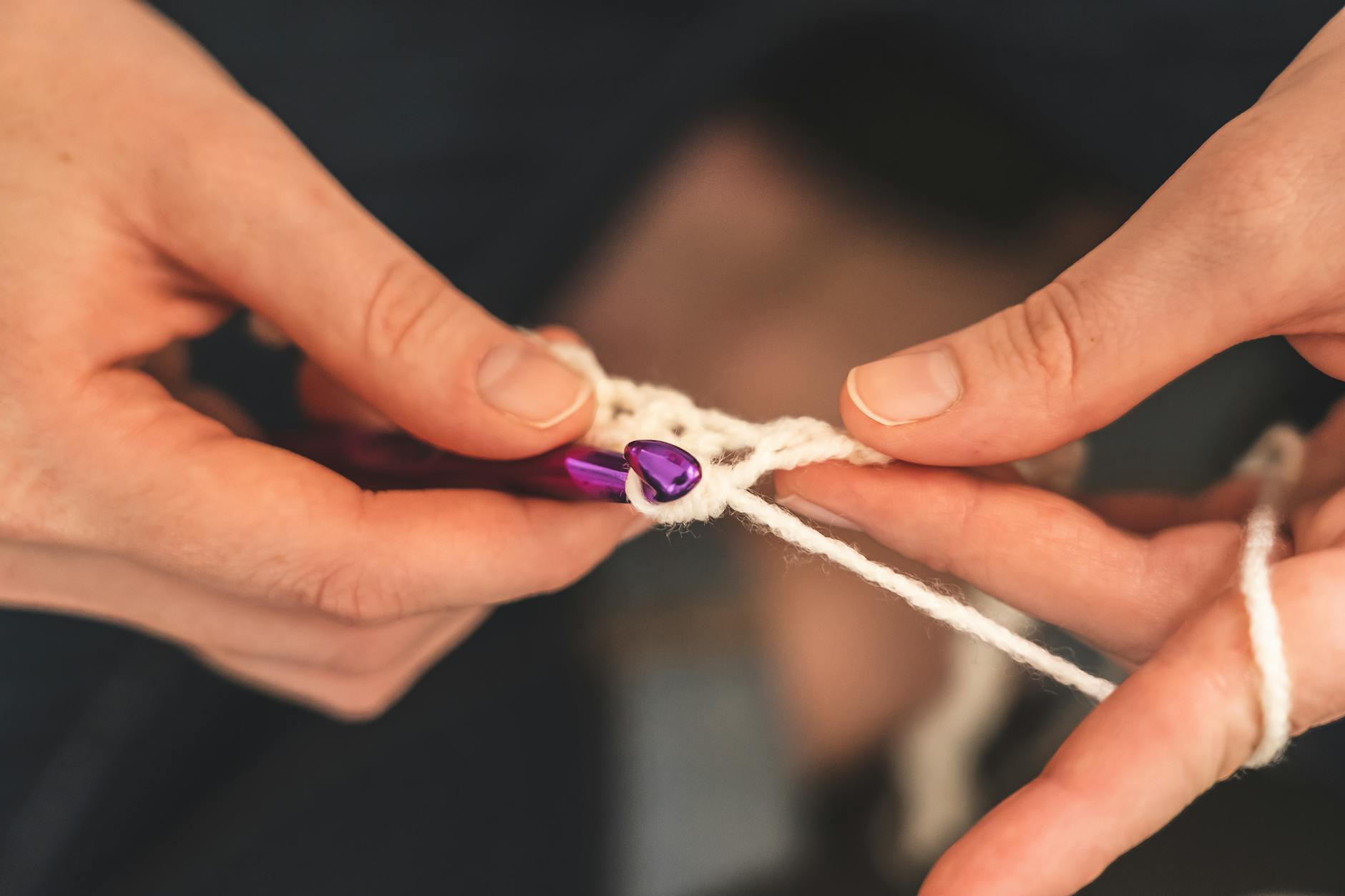
That said, the traditional foundation chain remains the most versatile and widely used starting method. Almost every crochet pattern you encounter will begin with a standard chain. Both techniques are valuable additions to your skill set, and learning the traditional chain first gives you the foundational understanding needed to tackle the FSC later. Mastering the traditional chain stitch is essential before branching out to alternative methods. If you are looking for the easiest way to start crocheting, our article on the easiest crochet stitch for beginners is a great next step after mastering the chain.
Practice Projects for Beginners
The best way to solidify your new skill is to jump into a simple project right away. Here are three beginner-friendly patterns that rely heavily on the foundation chain:
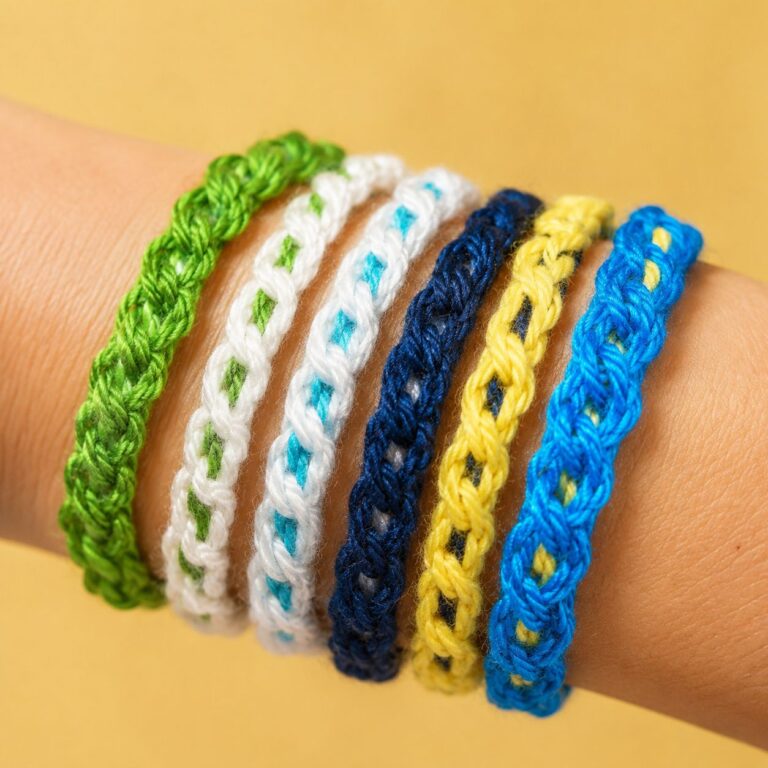
Chain stitch garland. Simply chain 100 to 200 stitches, fasten off, and drape the chain as a decorative garland. This is the perfect zero-pressure project for building confidence with your tension and rhythm. It is an ideal first project when you are just mastering the basic chain because you only need the chain stitch itself.
Simple dishcloth. Chain 25 stitches, then work rows of single crochet until your piece is square. This small project lets you practice both the foundation chain and the single crochet stitch in one sitting.
Starting a magic circle project. Many amigurumi and mandala patterns use a magic circle instead of a foundation chain. Once you are comfortable with the chain stitch, learning the magic circle crochet technique opens up a whole new world of round projects.
Remember, every expert crocheter started exactly where you are right now. The key is consistent, patient practice. Set aside just ten to fifteen minutes a day to work on your chains, and you will notice dramatic improvement within a single week. Now that you have the chain stitch down, the entire world of crochet is waiting for you to explore.
Frequently Asked Questions
How many chains should I make for a beginner project?
For your very first practice session, chain 20 to 30 stitches. This gives you enough length to see a clear pattern of V-shapes without feeling overwhelmed. Once you can chain 30 stitches evenly, try extending to 50 or even 100 chains for a garland project.
Why does my crochet chain keep twisting?
Chain twisting usually happens because your tension is inconsistent or you are rotating the hook as you pull through each stitch. Focus on keeping the hook pointing straight ahead and maintaining even yarn tension throughout the motion. Laying the chain flat on a table between practice rounds also helps you identify where the twist begins.
Can I use any yarn for my foundation chain?
Technically yes, but beginners should stick with smooth, light-colored, worsted weight yarn. Bulky, fuzzy, or dark yarns make it much harder to see individual stitches, which leads to frustration and uneven chains. Acrylic and cotton blends in medium weight are the most forgiving choices for learning chain stitch basics.
Does the slip knot count as a chain stitch?
In most standard crochet patterns, the slip knot does count as your first chain stitch (chain one). However, some patterns specify whether the slip knot is included or excluded from the count, so always read your pattern carefully. When in doubt, check the how to crochet for beginners guide for clarification on counting conventions.
What hook size is best for practicing chains?
A 5.0 mm (H-8) hook paired with worsted weight yarn is the gold standard combination for beginners. This size is large enough to see your stitches clearly but small enough to maintain good control. As you become more comfortable with the foundation chain, you can experiment with different hook sizes to see how they affect your tension and stitch appearance.