Front Post Double Crochet: 3 Easy Cable Patterns
How Do You Front Post Double Crochet at a Glance?
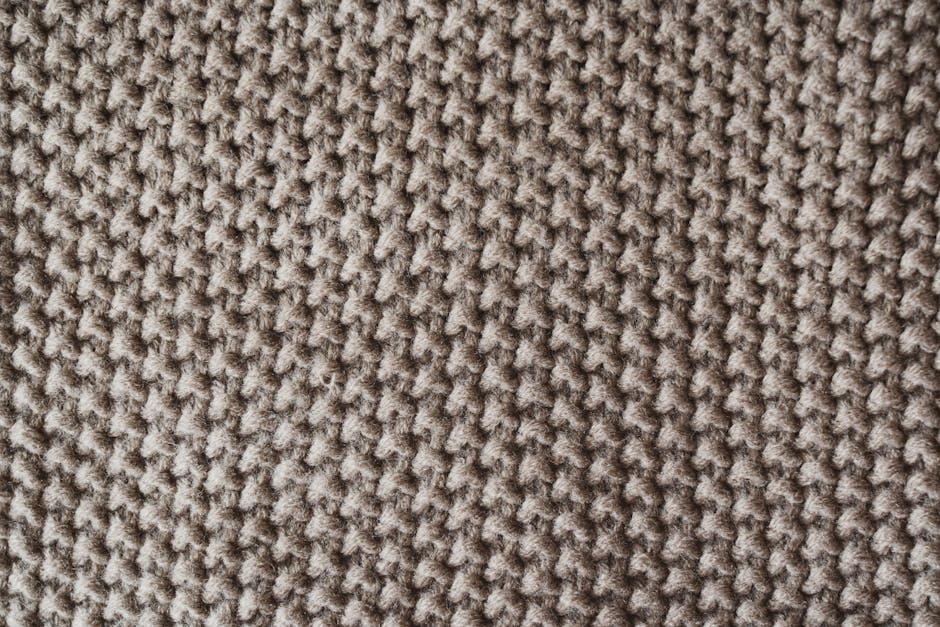
- Topic: front post double crochet
- Skill level: beginner
- Main goal: help the reader learn and master the front post double crochet stitch
- Related topics: back post double crochet, crochet cables, crochet ribbing, textured stitches
Quick Answer
Front post double crochet (FPDC) is a textured crochet stitch worked by inserting your hook around the post (the vertical bar) of the stitch from the previous row, rather than through the top loops. This creates a raised ridge on the front of your fabric. At KnotToYarn.com, we recommend practicing this stitch with smooth, light-colored yarn so you can clearly see the post placement.
Tip: The most common beginner mistake with front post double crochet is accidentally working into the top loops instead of around the post — tilt your work slightly to see the vertical bars more easily.
At a Glance
- Skill level: beginner
- Time needed: 30-60 minutes to feel comfortable
- Best yarn: smooth worsted weight in a light color
- Hook size: 5.0mm (H-8) to 5.5mm (I-9)
Common Mistakes → Quick Fixes
- Stitch looks flat instead of raised: you likely worked through the top loops — reinsert your hook around the post from front to back to front
- Fabric is too tight: front post double crochet naturally uses slightly more yarn — go up a half hook size if your fabric feels stiff
- Posts are uneven in height: maintain consistent tension as you yarn over and pull through, especially on the final two loops
Mini Glossary
front post double crochet (FPDC), back post double crochet (BPDC), post, yarn over (YO), chain (ch), stitch marker (sm), gauge swatch, tension
 KnotToYarn
Subscribe to KnotToYarn!
Get the best free crochet patterns, tutorials & tips delivered straight to your inbox. Join our growing community!
For stitch diagrams and tutorials from other crafters, visit Ravelry.
Front Post Double Crochet feels much easier once you stop looking for the top loops and start looking for the post of the stitch itself. That is the key to getting the raised texture this technique is known for.
How Do You Front Post Double Crochet at a glance?
- Topic: front post double crochet
- Skill level: beginner to lower-intermediate
- Main goal: help the reader understand post placement, avoid common mistakes, and use this stitch for texture confidently
- Related topics: double crochet, ribbing, textured crochet, crochet hats, crochet blankets
What Is Front Post Double Crochet?
This technique is worked around the body of a stitch instead of through the top loops. That difference creates a raised effect, which is why it shows up in ribbing, textured rows, borders, and patterns that need more surface definition.
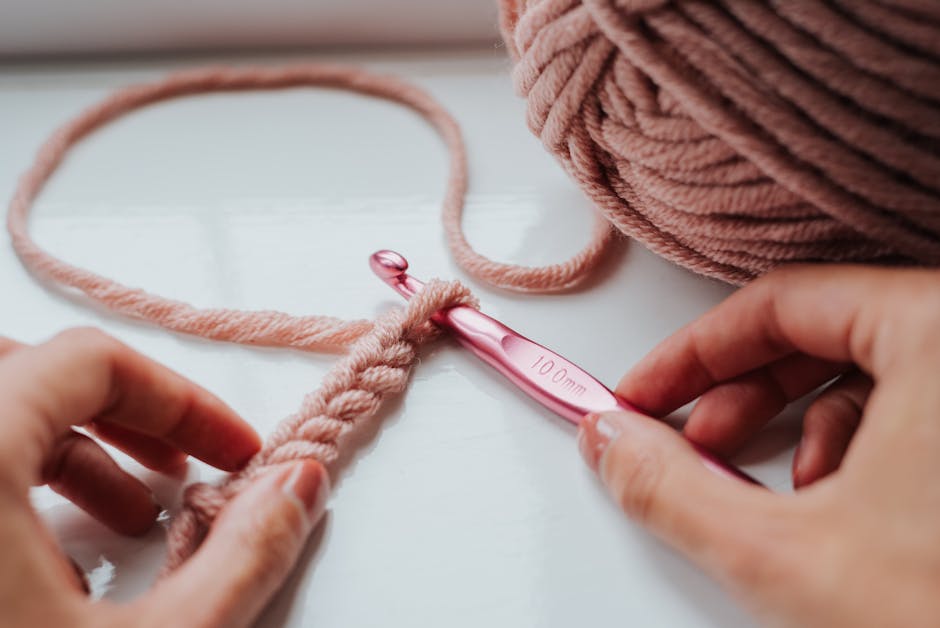
Quick answer
This is a variation of double crochet worked around the stitch post. The result stands out from the fabric and adds clear dimension to the project.
Why this stitch feels awkward at first?
Beginners often try to use normal top-loop placement out of habit. That makes the stitch confusing. Once the post becomes the visual target, the movement starts to make much more sense.
How Can Beginners Master Step-by-step beginner method?
1. Yarn over first
Start exactly as you would for a regular double crochet.
2. Wrap around the stitch post
Bring the hook from front to back around the body of the stitch below and return it to the front.
3. Pull up a loop with steady tension
If you pull too tightly here, the rest of the stitch becomes harder to complete neatly.
4. Finish it like a regular double crochet
Yarn over and pull through two loops twice until the stitch is complete.
How Can Beginners Master Where beginners use this stitch most?
This raised stitch is useful for hat brims, textured blankets, ribbed edges, decorative rows, and any project that needs stronger stitch definition.
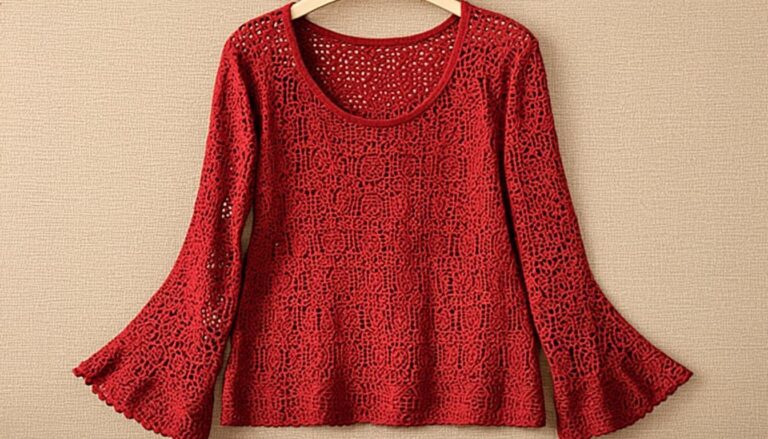
The image above illustrates this pattern step in detail.
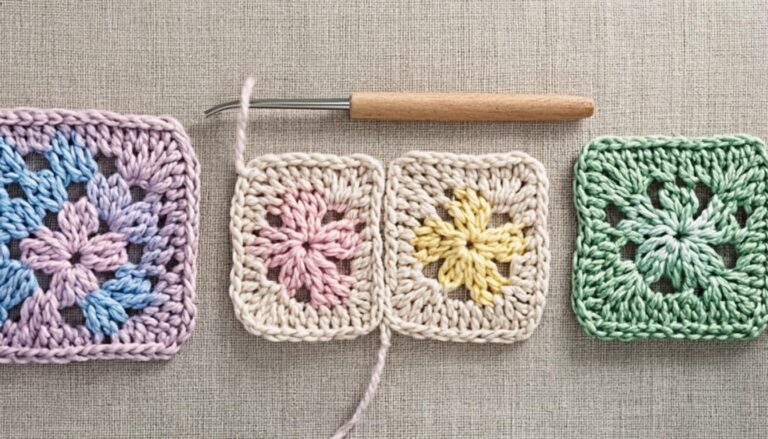
Here you can see how the stitch work comes together in this section.
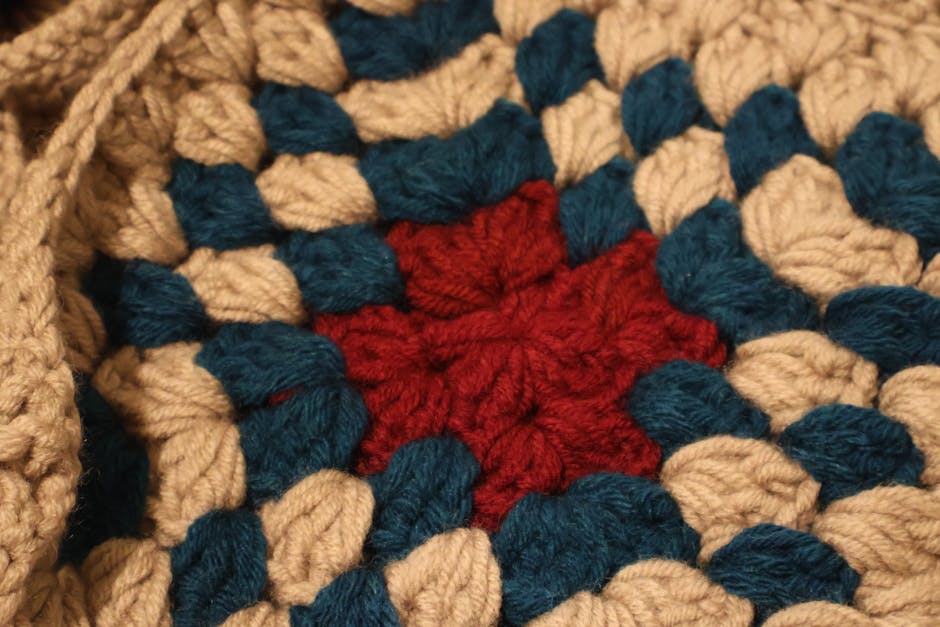
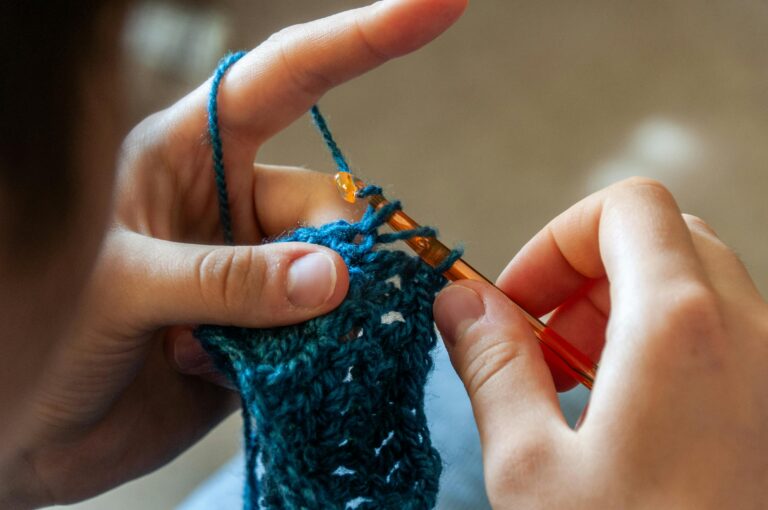
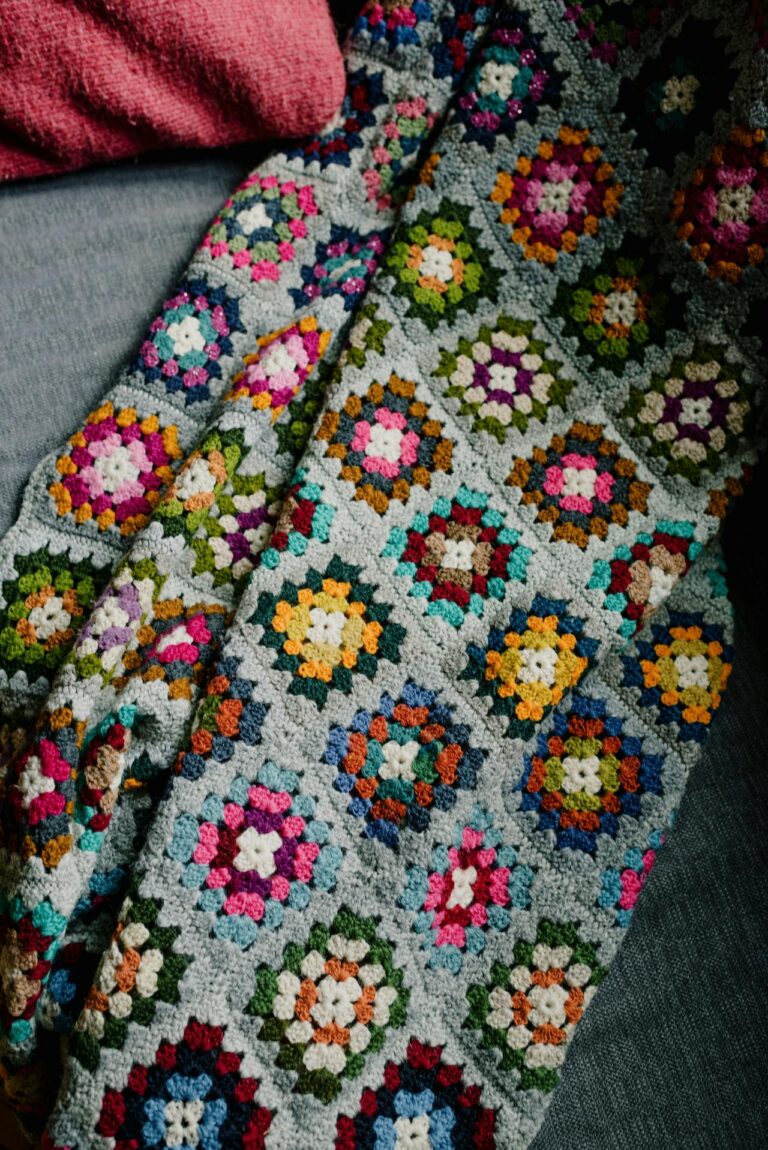
This close-up shows the texture and technique used for this design.
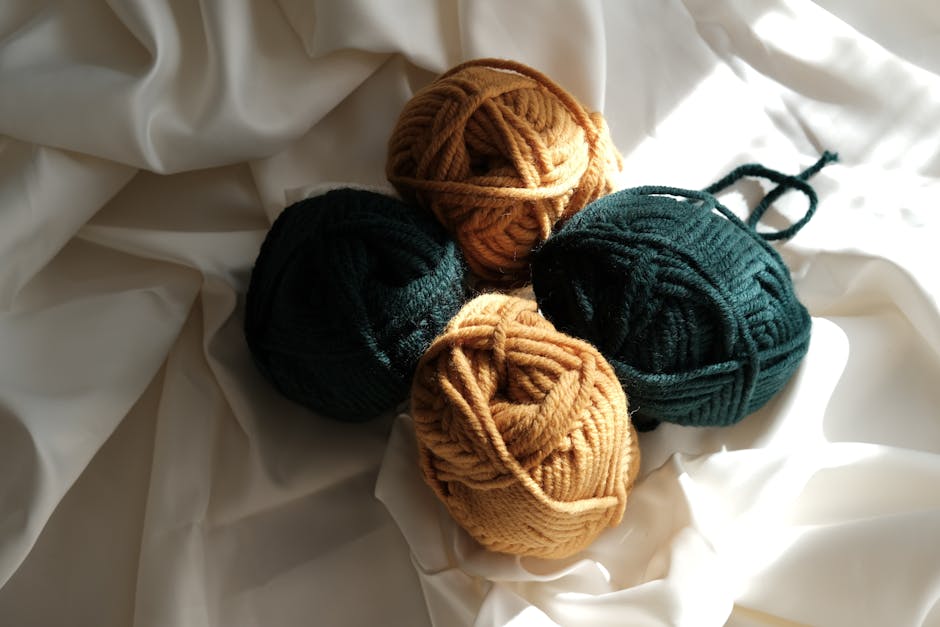
Notice the color transitions and stitch definition shown above.
Another view highlighting the shape and structure of this piece.
The detail in this image demonstrates the key technique for this pattern.
What Are the Most Common Mistakes to Avoid?
The most common problems are wrapping around the wrong stitch, tightening the loop too much, and losing the rhythm in patterns that alternate ordinary stitches with raised ones.
What Is Front Post Double Crochet tips?
The easiest way to learn it is by practicing on a swatch of regular double crochet rows first. Clear posts make placement easier to understand, and a short swatch lets you repeat the movement without project pressure.
How Can Beginners Master Helpful beginner crochet links?
- Double Crochet Stitch
- How to Crochet for Beginners
- Crochet Hook Sizes
- Best Yarn for Beginner Crochet
What Is Helpful external reference?
For stitch terminology support, review the Craft Yarn Council crochet abbreviations guide.
What Is Front Post Double Crochet FAQ?
Is front post double crochet hard for beginners?
It can feel unusual at first, but it becomes much easier once you identify the post clearly and stop aiming for the top loops.
What is it used for?
It is used for texture, ribbing, raised details, and stronger stitch definition in many projects.
Why does mine look uneven?
Uneven stitches usually come from inconsistent tension or incorrect hook placement around the post.
KnotToYarn
Subscribe to KnotToYarn!
Get the best free crochet patterns, tutorials & tips delivered straight to your inbox. Join our growing community!
How Do You When to Use Front Post Double Crochet in Your Projects?
Front post double crochet is one of the most versatile textured stitches you can learn. Once you feel comfortable inserting your hook around the post, a whole range of new project possibilities opens up. Here are some of the best ways to incorporate this stitch into your everyday crocheting.
Crochet ribbing. Alternating front post double crochet with back post double crochet creates a stretchy, elastic ribbing that looks very similar to knitted ribbing. This combination is perfect for hat brims, cuffs on sweaters, and the waistbands of skirts or pants. To create a simple ribbing panel, work a row of back post double crochet followed by a row of front post double crochet, repeating this two-row pattern for as many rows as you need.
Crochet cables. Front post double crochet is the foundation of most crochet cable patterns. By crossing front post stitches over one another in specific sequences, you can create braided, twisted, and rope-like textures that look incredibly impressive. Start with a simple two-stitch cable crossover before moving on to wider cable panels. The key to clean cables is keeping your tension even across all the post stitches.
Textured blankets and scarves. Even on its own, a fabric made entirely from front post double crochet has a beautiful ridged texture that adds visual interest to blankets, scarves, and dishcloths. The raised ridges catch the light differently depending on the angle, giving your finished piece a rich, dimensional quality that flat stitches simply cannot achieve.
Gussets and shaping. Because front post double crochet naturally draws the fabric slightly inward, it is an excellent choice for subtle shaping. Many pattern designers use post stitches to create waist shaping in garments or to gently curve the edges of hat crowns without needing complex increase and decrease sequences.
Practice these different applications on small swatches first. Each one uses the same fundamental front post double crochet motion, but the way the stitches interact with each other changes the overall fabric dramatically. The more you experiment, the more intuitive the stitch will become.
What Is Bottom line?
Front Post Double Crochet opens up a lot of texture once the placement makes sense. Learn the path of the hook first, and the rest of the stitch becomes much more manageable.
Add texture to your projects with our complete bobble stitch crochet guide with free patterns.
How Can Beginners Master More beginner practice help?
If this raised stitch still feels awkward, work two or three short practice rows on top of ordinary double crochet first. That makes the posts easier to identify and reduces confusion about where the hook should travel.
This is also why many beginners improve faster on hats, cuffs, or textured swatches once they understand how the post sits in front of the fabric. Clearer structure makes the stitch easier to control.
You Might Also Like
You Might Also Like
Frequently Asked Questions
What is front post double crochet used for?
Front post double crochet is primarily used to create textured ribbing, cables, and dimensional designs in crochet projects. By working around the post of a stitch from the previous row rather than through the top loops, the front post double crochet pushes the stitch forward, creating a raised ridge. This technique is essential for making sweater ribbing, hat bands, and decorative cable patterns in crochet.
Is front post double crochet difficult to learn?
Front post double crochet is not difficult to learn once you understand the basic mechanics of where to insert your hook. Instead of going under the top two loops of the stitch, you simply insert your hook from front to back around the vertical post of the stitch below. With a few practice rows, most crocheters find the front post double crochet becomes second nature and opens up many new pattern possibilities.
What is the difference between front post and back post double crochet?
The difference between front post and back post double crochet is the direction from which you insert your hook around the stitch post. Front post double crochet is worked by inserting the hook from front to back around the post, pushing the stitch toward you. Back post double crochet is worked by inserting the hook from back to front, pushing the stitch away from you. Combining both techniques creates beautiful ribbed and cable textures.
Can front post double crochet be used for cable patterns?
Yes, front post double crochet is the foundation of most crochet cable patterns, often combined with back post double crochet to create twists and braids. By crossing front post and back post stitches over each other in a specific sequence, you can create rope cables, diamond cables, and complex Aran-style designs. Learning the front post double crochet is the first step toward mastering all types of crochet cablework.