How to Crochet the Moss Stitch: Easy Guide
With these speed tips and a bit of practice, you will find that moss stitch projects go much faster than you expected. The rhythmic, meditative nature of the stitch makes it easy to lose track of time while making steady progress on your project. Whether you’re new or experienced, a solid moss stitch crochet is always worth having.
How Do You Working Moss Stitch in the Round vs. Flat?
Moss stitch looks different depending on whether you work it flat in rows or in the round. Understanding these differences will help you choose the right approach for your project and avoid unexpected results.
Working flat. When working moss stitch flat, you alternate between a chain stitch and a single crochet, shifting the pattern by one stitch at the start of each row. This creates a diagonal texture that looks like tiny seeds or pebbles. The right side and wrong side look slightly different, which adds visual interest to scarves and blankets.
Working in the round. When you work moss stitch in the round (like for a hat or cowl), you do not need to shift the pattern because there are no turning chains. You simply continue the same alternating pattern around and around. The resulting texture is more uniform and symmetrical compared to the flat version. Hats made with moss stitch in the round have a beautiful, consistent texture all the way around.
KnotToYarn
Subscribe to KnotToYarn!
Get the best free crochet patterns, tutorials & tips delivered straight to your inbox. Join our growing community!
Converting between the two. If a pattern calls for moss stitch in the round but you prefer working flat (or vice versa), the conversion is straightforward. The only adjustment you need to make is accounting for the turning chain when working flat. When working in the round, you skip the turning chain entirely and just keep the pattern going continuously.
How Do You Speed Tips for Large Moss Stitch Projects?
Because moss stitch alternates between single crochet and chain stitches, it is slower than working continuous rows of the same stitch. For large projects like blankets, this can feel tedious. Here are proven strategies to speed up your moss stitch projects without sacrificing quality.
Use a larger hook. Going up one or two hook sizes from what the yarn label recommends makes each stitch larger, which means fewer stitches per row and fewer rows overall. This can reduce your total project time by 30% or more while still maintaining the beautiful moss stitch texture.
Work with two strands held together. Holding two strands of the same yarn together as if they were one effectively doubles your yarn weight. This means you can use a much larger hook and finish your project in roughly half the time. The resulting fabric will be thicker and warmer, which is actually ideal for winter blankets and throws.
Batch your rows. Instead of stopping after every row to check your work, try to complete 5 to 10 rows in one sitting before taking a break. This minimizes the time lost to starting and stopping and helps you get into a rhythm. The moss stitch pattern is very repetitive, so once you find your rhythm, your hands will practically work on autopilot.
Use a row counter. It is easy to lose track of how many rows you have completed, especially on larger projects. A simple row counter (either digital or the kind you click) saves time because you never have to count your rows to figure out where you are. This also prevents the frustrating mistake of realizing you need to undo several rows because you miscounted.
What Is Moss Stitch Crochet at a Glance?
- Topic: moss stitch crochet
- Skill level: beginner
- Main goal: help the reader master the moss stitch (also called linen stitch or granite stitch)
- Related topics: single crochet, half double crochet, crochet tension, crochet blanket patterns
Quick Answer
Moss stitch crochet is a simple two-row repeat that alternates single crochet and chain stitches offset by one stitch each row. This creates a beautiful woven texture that looks complex but is perfect for absolute beginners.
Tip: Use a light-colored yarn when learning moss stitch so you can easily see the stitch placement and avoid mistakes.
At a Glance
- Skill level: beginner
- Time needed: 15-20 minutes to learn the pattern repeat
- Best yarn: worsted weight in any fiber
- Hook size: 5.0 mm (H-8) or one size larger than yarn label suggests
Common Mistakes to Quick Fixes
- Skipping the chain space: always work into the chain-1 space from the previous row, not into the chain itself
- Accidentally increasing: count your stitches at the end of every row until the pattern feels natural
- Rows looking uneven: keep consistent tension — moss stitch shows tension issues more than other stitches
Mini Glossary
SC (single crochet), ch (chain), st (stitch), sp (space), linen stitch, granite stitch, woven stitch
Many crafters search for a reliable moss stitch crochet to build their skills and confidence.
moss stitch is one of the easiest textured stitches for beginners because it repeats a calm rhythm and creates a fabric that looks polished without becoming hard to control. Once the chain-space pattern becomes familiar, the stitch often feels more relaxing than denser beginner stitches.

The image above illustrates this pattern step in detail.

What Is Moss Stitch Crochet at a glance?
- Topic: moss stitch
- Skill level: beginner
- Main goal: help the reader learn the stitch rhythm, avoid common spacing mistakes, and use it confidently in simple projects
- Related topics: single crochet, chain spaces, crochet texture, beginner scarves, baby blankets
What Is moss stitch?
Moss stitch crochet is built from a simple repeat of single crochet stitches and chain spaces. That repeat creates a balanced, lightly textured fabric that works especially well in scarves, blankets, washcloths, and other beginner-friendly projects that benefit from a neat modern look.

Quick answer
The moss stitch is a beginner-friendly crochet stitch pattern made by alternating single crochet with chain spaces. It creates a soft texture, a steady rhythm, and a fabric that looks clean on both sides.
Why beginners like this stitch?
Many beginners enjoy this stitch because it is easy to memorize and visually easy to follow. The chain spaces help separate the rhythm, which makes counting simpler and often reduces the cramped feeling that some tighter stitch patterns can create.
How to work moss stitch step by step?
1. Start with a foundation chain
Choose a chain length that fits your practice swatch or project. Keep the foundation even so the rest of the stitch pattern stays easier to read. You’ll find that a structured moss stitch crochet saves time and reduces frustration.
2. Set up the first row carefully
The setup row matters because it teaches the rhythm you will keep repeating. Going slowly here usually saves a lot of confusion later.
3. Work single crochet and chain spaces in rhythm
Once the pattern is established, the repeat becomes much easier. The goal is to keep the spacing even and avoid tightening the chain spaces too much.
4. Check the alignment every row
If the stitch starts drifting or looking uneven, stop early and confirm that each stitch is landing where the repeat expects it to land.
What Is Best yarn for moss stitch crochet?
Smooth yarn with good stitch definition usually gives the easiest result. A lighter or medium-weight yarn often makes the spacing easier to see, which helps beginners understand how the texture is forming.

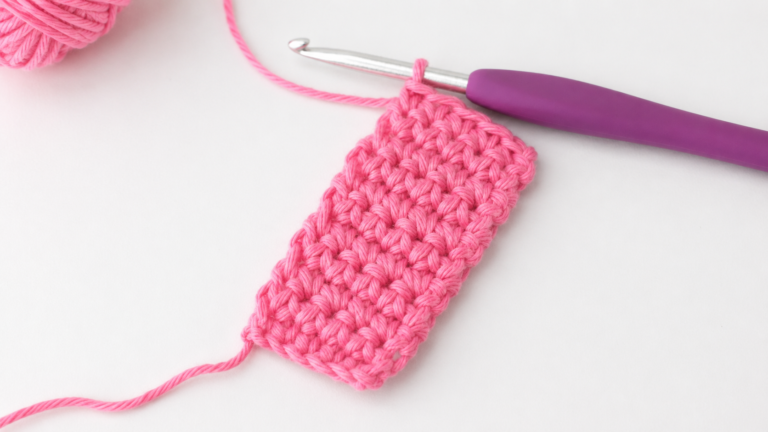
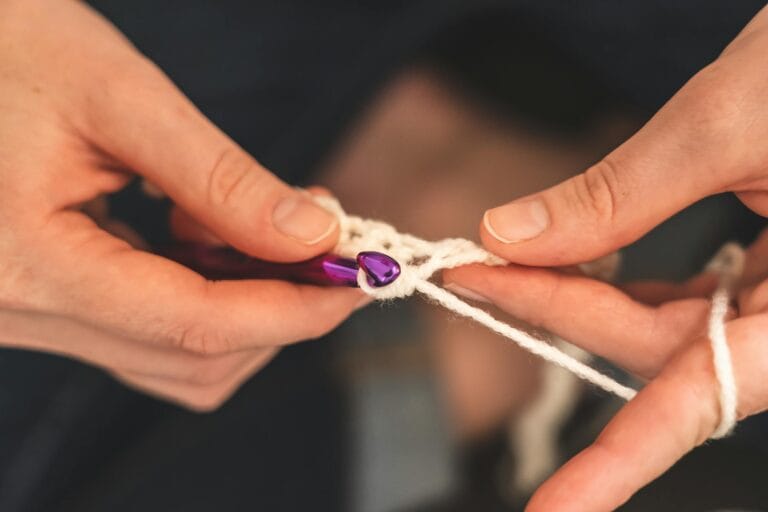
Here you can see how the stitch work comes together in this section.

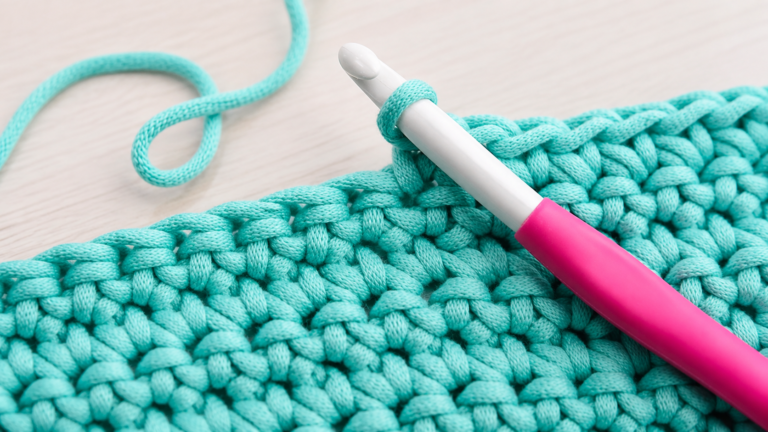
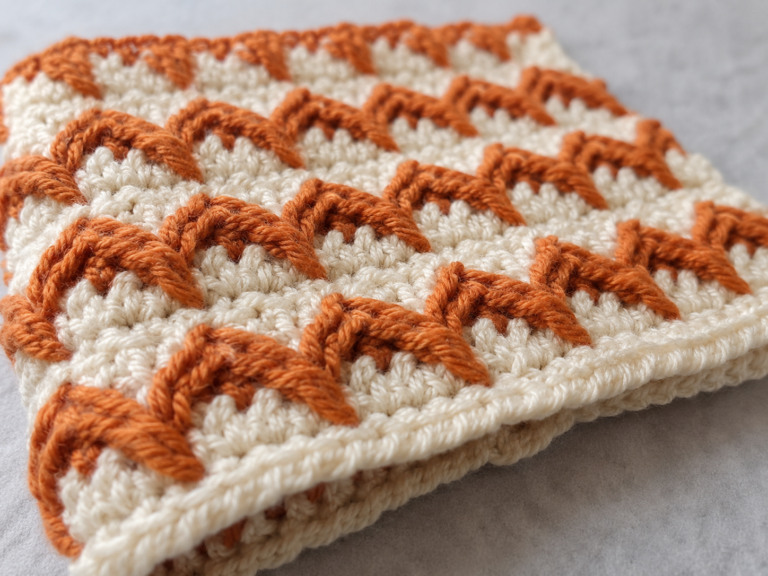
This close-up shows the texture and technique used for this design.

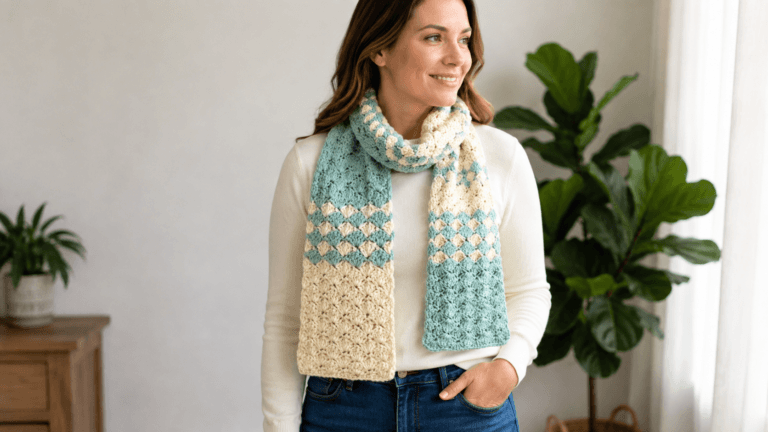
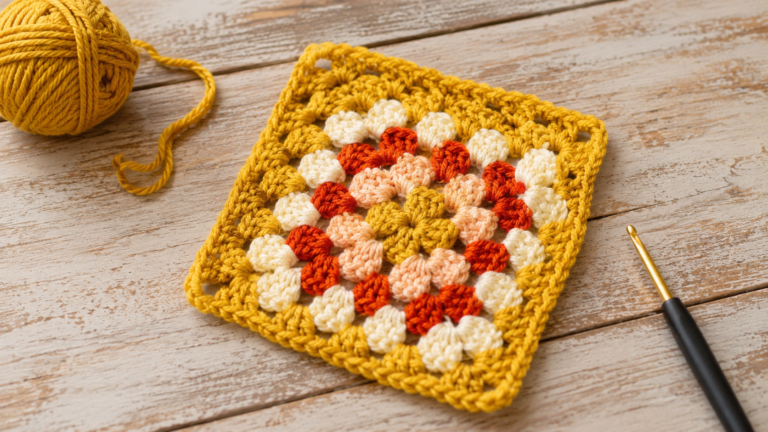
Notice the color transitions and stitch definition shown above.

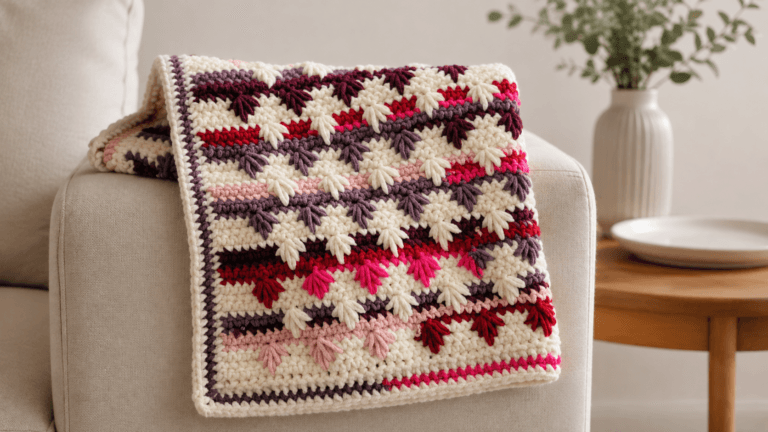
Another view highlighting the shape and structure of this piece.
What Is Common moss stitch mistakes?
The most common mistakes are losing the chain-space rhythm, tightening the chain too much, and accidentally adding or skipping a stitch at the row edge. These mistakes are easier to fix early than after several rows, so frequent visual checks help a lot.
What Is moss stitch tips?
If you want a cleaner result, practice on a small square first, keep your hands relaxed enough for the chain spaces to stay visible, and use a yarn color that makes the stitch pattern easy to inspect.
How Do You Projects that work well with moss stitch crochet?
This stitch works especially well in scarves, baby blankets, simple wraps, washcloths, and other projects where you want texture without heavy bulk. It gives beginners a satisfying result because the finished fabric looks refined while still being simple to make.
This extra visual helps connect the stitch or project idea to real beginner practice before moving into the next guidance block.

How Can Beginners Master Helpful beginner crochet links?
- How to Crochet for Beginners
- Crochet Hook Sizes
- Best Yarn for Beginner Crochet
- What Is the Easiest Crochet Stitch for Beginners?
What Is Helpful external reference?
For stitch terminology help while learning moss stitch, review the Craft Yarn Council crochet abbreviations guide.
What Is Moss Stitch Crochet FAQmoss stitch”ez-toc-section-end”>?
Is moss stitch crochet good for beginners?
Yes. It is repetitive, readable, and usually feels easier once the chain-space rhythm becomes familiar.

The detail in this image demonstrates the key technique for this pattern.

Does moss stitch crochet use a lot of yarn?
It uses a moderate amount of yarn and often feels lighter than some denser textured stitches.
What can I make with moss stitch crochet?
Scarves, blankets, dishcloths, wraps, and other simple accessories all work well with this stitch.
KnotToYarn
Subscribe to KnotToYarn!
Get the best free crochet patterns, tutorials & tips delivered straight to your inbox. Join our growing community!
What Is Bottom line?
Moss stitch crochet is a strong next step for beginners who want texture without confusion. Once the rhmoss stitchomes one of the easiest stitches to repeat cleanly.
How to keep the stitch rhythm consistent?
The easiest way to keep this stitch consistent is to slow down enough to recognize the chain space before every single crochet. Beginners often improve very quickly once they stop trying to crochet by speed and instead let the visual rhythm guide the motion. This is especially important in the first few rows, because early mistakes can make the whole swatch look uneven later.
Another useful habit is to pause at the row edge and confirm that the stitch count still makes sense before turning. That small check helps prevent the drifting pattern that makes beginners think they are “bad at the stitch” when the real problem is just one missed space.
Add texture to your projects with our complete bobble stitch crochet guide with free patterns.
How to practice moss stitch in a useful way?
Instead of making a giant first project immediately, start with a square or rectangle large enough to repeat the stitch several times without becoming overwhelming. A washcloth-sized sample is often enough to teach the stitch rhythm, edge control, and spacing. Once that feels comfortable, moving into scarves or baby blankets becomes much easier and more enjoyable.
It also helps to choose yarn that clearly shows where the chain spaces and single crochet stitches are landing. When the structure is visible, the stitch becomes much easier to follow thoughtfully instead of mechanically.
Browse more stitch tutor
Mastering moss stitch crochet takes time, but the key is consistent practice. Start with simple projects and gradually work your way up to more complex patterns.
Many experienced crocheters recommend keeping a journal of your moss stitch crochet projects to track your progress and note what worked well for future reference.
follow noopener
When you master moss stitch crochet, you will find that your overall crafting confidence grows significantly with each completed project.
221; target=”_blank”>Ravelry.
You Might Also Like
You Might Also Like
Frequently Asked Questions
What is the moss stitch crochet pattern?
The moss stitch crochet pattern, also known as the linen stitch or granite stitch, is created by alternating single crochet and chain one stitches across each row and offsetting them by one stitch in the next row. This simple offset creates a beautiful woven, textured fabric that is dense yet flexible. The moss stitch crochet is one of the most popular beginner-friendly stitch patterns because it is easy to memorize and produces gorgeous results.
Is the moss stitch crochet good for blankets?
Yes, the moss stitch crochet is excellent for blankets because it creates a dense, warm fabric with a beautiful uniform texture that looks more complex than it actually is. The stitch works up relatively quickly and produces very little curling at the edges, which means less blocking is needed for your finished blanket. Many crocheters consider the moss stitch crochet their go-to pattern for baby blankets, throw blankets, and afghans.
Does the moss stitch crochet use more yarn?
The moss stitch crochet uses a moderate amount of yarn—slightly less than highly textured stitches like bobbles or puff stitches but more than a plain single crochet fabric. The chain one spaces between stitches create a slightly more open fabric, which helps stretch your yarn a bit further. For most projects using moss stitch crochet, you can follow the standard yarn estimates for your chosen yarn weight and finished dimensions.
Can I do moss stitch crochet in the round?
Yes, you can adapt the moss stitch crochet for working in the round, though the pattern requires a slight modification since you will not have row-by-row offsets. To work moss stitch crochet in the round, you alternate between single crochet and chain one around the circle, staggering the placement each round as you would in flat rows. This technique works beautifully for hats, cowls, and bags made with the moss stitch.