|

Granny Spike Stitch: 7 Essential Beginner Tips You Need

Granny Spike Stitch at a Glance

  • Topic: granny spike stitch
  • Skill level: intermediate
  • Main goal: help you master the granny spike stitch technique for bold, textured crochet projects
  • Related topics: granny square crochet pattern, half double crochet, textured crochet stitches, granny cluster stitch

Quick Answer

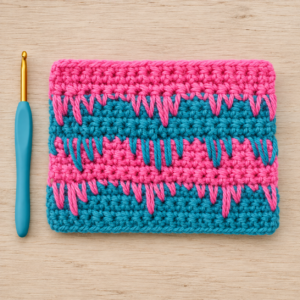
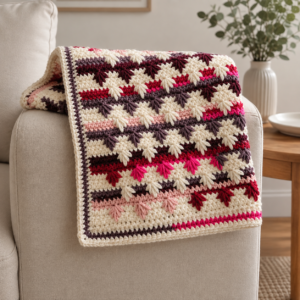
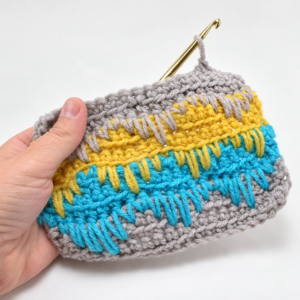
The granny spike stitch is a textured crochet variation where you insert your hook two or more rows below the current row and pull up a long loop, creating dramatic diagonal “spikes” of color across your work. It builds on the classic granny stitch pattern and is one of the easiest ways to add bold visual interest to blankets, bags, and scarves.

Tip: Use at least three colors when working the granny spike stitch — the color shifts are what make the spikes pop and give the pattern its signature modern look.

At a Glance

  • Skill level: intermediate (must know double crochet)
  • Time needed: 2-3 hours for a practice swatch, 15-20 hours for a blanket
  • Best yarn: worsted weight cotton or acrylic blend (held together with 2-3 colors)
  • Hook size: 5.5 mm (I-9) or 6.0 mm (J-10)

Common Mistakes to Quick Fixes

  • Tension too tight on spikes: loosen your grip — the long loops should pull up easily without fighting the yarn
  • Inconsistent spike depth: always count down the same number of rows (usually 2) for uniform spikes
  • Color bleeding between spikes: change colors at the start of each new row and carry yarn neatly along the side edge

Mini Glossary

DC (double crochet), CH (chain), SP (space), SK (skip), ST (stitch), RS (right side), WS (wrong side), FO (fasten off)

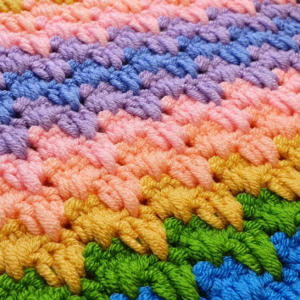
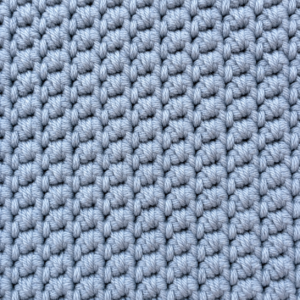
Closeup of textured yarn for granny spike stitch crochet projects

KnotToYarn KnotToYarn

Subscribe to KnotToYarn!

Get the best free crochet patterns, tutorials & tips delivered straight to your inbox. Join our growing community!

Free newsletter. No spam, ever.

What Is the Granny Spike Stitch?

The granny spike stitch is a gorgeous variation of the traditional granny stitch family. Instead of working stitches into the previous row like a standard double crochet, you insert your hook two rows below and pull up an extended loop before completing the stitch. This creates a striking diagonal spike of color that crosses over the rows beneath it, producing a textured, almost woven fabric that looks far more complex than it actually is to crochet.

What makes the granny spike stitch so popular right now is its viral success on TikTok and Pinterest. Crocheters love it because it delivers a bold, modern aesthetic with minimal effort — you only need to know the basic double crochet stitch to get started. The long color carries create a stained-glass effect that works beautifully in blankets, cushion covers, market bags, and scarves.

If you already know how to work a granny square crochet pattern or a half double crochet, you have all the skills needed to master this technique. The granny spike stitch is essentially a modified double crochet worked into a granny stitch foundation, making it one of the most approachable textured stitches for ambitious beginners.

How Does the Granny Spike Stitch Differ from Regular Granny Stitch?

Understanding the difference between the granny spike stitch and the standard granny stitch is essential before you begin. The traditional granny stitch — used in classic granny square blankets — consists of clusters of three double crochet stitches separated by chain spaces, all worked into the row directly below. Every stitch stays close to the surface, creating a flat, grid-like texture.

The granny spike stitch takes that same cluster foundation and adds one game-changing move: instead of inserting your hook into the previous row, you push it down through two rows (or sometimes three) and pull up a much longer loop. This extended loop becomes the first half of a double crochet stitch that reaches across multiple rows, creating a visible diagonal line of color. The result is a fabric with genuine three-dimensional texture and a rhythmic, zigzag pattern that shifts with each color change.

Another key difference is color management. While standard granny stitch patterns often use one color per round or row, the granny spike stitch demands multiple colors worked simultaneously. Most patterns use three to five colors, carried along the side edge and picked up at the start of each row. This multi-color approach is what gives the spike stitch its characteristic stained-glass appearance. If you are new to working with multiple colors, check out our how to crochet for beginners guide for foundational color-changing techniques.

Colorful yarn balls arranged for a granny spike stitch crochet project

7 Essential Tips for Mastering the Granny Spike Stitch

Tip 1: Start with a Granny Stitch Foundation Row

Every granny spike stitch project begins with two to three foundation rows of standard granny stitch (3 DC clusters separated by chain-2 spaces). These base rows are crucial because the spikes need established rows to reach down into. Work at least two complete rows of regular granny stitch before attempting your first spike — this gives you enough vertical depth for the extended loops to look balanced.

Chain a multiple of 4 plus 3 for your starting chain (for example, chain 35 for a swatch that is 8 clusters wide). Work your first DC into the fourth chain from the hook, then work a cluster of 3 DC, chain 2, 3 DC — repeat across the row. Build two full rows of this pattern before moving on to the spike technique. This foundation is also where your crochet tension habits get established, so focus on keeping your stitches even and relaxed during these early rows.

Tip 2: Count Down Exactly Two Rows for Consistent Spikes

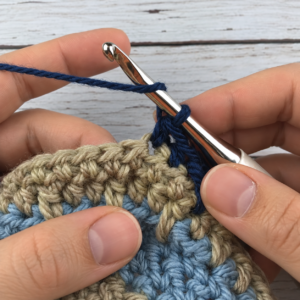
The magic of the granny spike stitch lies in consistency. When you are ready to create a spike, identify the chain-2 space directly below your current position, then look down one more row to find the chain-2 space two rows beneath. Insert your hook through that lower space, yarn over, and pull up a long loop. You should have a clearly visible loop that extends well above your current working row before you complete the double crochet.

The most common beginner mistake here is inconsistently counting rows. If one spike reaches down two rows and the next reaches down three, the finished fabric will look uneven and messy. Place a stitch marker in the row you are targeting, or simply count the horizontal bars of yarn between your hook and the target space. With practice, your fingers will develop a natural feel for the correct depth. Consistent spike depth is the single biggest factor in making your granny spike stitch look professional.

Tip 3: Keep Your Spike Loops Loose and Even

Tension management is critical for the granny spike stitch. When you pull up the extended loop, resist the urge to tighten it. The loop should be long enough to create a visible spike without distorting the surrounding stitches. If your spikes look flat or barely visible, you are pulling the loops too tight. If they look floppy or sloppy, you are pulling too loose.

A good rule of thumb is to pull the loop up until it is roughly the same height as two standard double crochet stitches stacked on top of each other. Hold the base of the loop gently with your non-hook hand while you yarn over and complete the DC — this prevents the loop from shrinking as you finish the stitch. If tension is a recurring challenge for you, our guide on how to fix crochet tension offers exercises specifically designed to help you develop consistent gauge across different stitch types.

Colorful yarn bundles for selecting granny spike stitch blanket colors

Tip 4: Use Three or More Colors for Maximum Impact

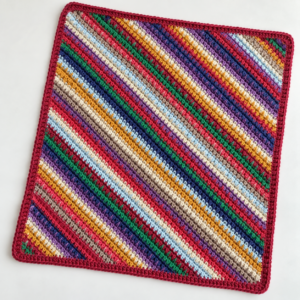
The granny spike stitch truly comes alive when you work with multiple colors. The spikes create diagonal lines of color that travel across the fabric, and the more colors you use, the more dynamic the pattern becomes. Most crocheters work with three colors in rotation (A, B, C, A, B, C…), but you can use four or five for even more visual complexity.

Choose colors with good contrast — adjacent colors should be clearly different so the spikes are easy to distinguish. A classic combination is navy blue, mustard yellow, and cream white. Another popular option is sage green, dusty rose, and charcoal gray. Avoid placing two very similar shades next to each other in your rotation, as this will make the spikes blend together and lose their defining diagonal effect. For affordable, high-quality yarn recommendations, check the best yarn for beginner crochet guide.

Tip 5: Change Colors at the Start of Every Row

Unlike traditional granny stitch patterns where you might work several rows in the same color, the granny spike stitch requires a color change at the beginning of every single row. This is what creates the clean, diagonal color shifts that define the pattern. To change colors, complete the last stitch of the previous row with the new color (drop the old color, yarn over with the new color, and pull through the final two loops).

When you are not using a color, carry it loosely along the side edge of your work. Do not cut and rejoin yarn at every row change — this creates too many tails to weave in and weakens the fabric. Instead, simply pick up the next color from the carried strand when it is time to switch. Keep the carried yarn relaxed; if it is too tight, the side edges will pucker and curl. For a complete list of abbreviations used in patterns like this, see our crochet abbreviations for beginners reference.

Tip 6: Block Your Finished Granny Spike Stitch Project

Blocking is not optional for granny spike stitch projects — it is essential. The long spike loops naturally want to curl and twist, and the multi-color rows can create slight waviness along the edges. Wet blocking (soaking the piece in cool water, gently squeezing out excess moisture, and pinning it flat to dry) will relax the stitches, even out the spike heights, and give your finished piece a polished, professional look.

Lay your blocked piece on a clean towel or blocking mat, pin the corners first, then pin along all four edges every 2 to 3 inches. Make sure the spikes are laying in their natural diagonal direction — do not force them flat. Let the piece dry completely (usually 12 to 24 hours) before removing the pins. The difference between an unblocked and a blocked granny spike stitch project is dramatic, and it only adds about 15 minutes of active work to your finishing process.

Tip 7: Practice with a Swatch Before Starting a Full Project

Before committing to a full-size granny spike stitch blanket or bag, work a practice swatch that is at least 20 stitches wide and 12 rows tall. This gives you enough rows to see the full spike pattern develop and to practice your color changes, tension control, and spike depth consistency. A swatch also lets you test your yarn and hook combination — if your spikes look too thin, try going up a hook size. If the fabric feels too loose and holey, go down a hook size.

Use your swatch to check your gauge as well. Most granny spike stitch patterns recommend a gauge of roughly 12 stitches and 8 rows per 4 inches (10 cm) using worsted weight yarn and a 5.5 mm hook. If your gauge is significantly different, adjust your hook size accordingly. The Craft Yarn Council maintains standardized sizing charts that can help you match gauge across different yarn weights.

Granny Spike Stitch Pattern Summary

Here is a quick reference for the core granny spike stitch pattern repeat. This is the basic version — you can adapt it for wider or narrower projects by adjusting your starting chain.

Foundation: Chain a multiple of 4 + 3.

KnotToYarn KnotToYarn

Subscribe to KnotToYarn!

Get the best free crochet patterns, tutorials & tips delivered straight to your inbox. Join our growing community!

Free newsletter. No spam, ever.

Rows 1-2: Standard granny stitch (3 DC, CH 2, 3 DC in each CH-2 space across). Work with Color A.

Row 3 (first spike row): Join Color B. Work 3 DC in first CH-2 space. For the next cluster, insert hook into the CH-2 space two rows below, pull up a long loop, and work 3 DC normally. Repeat across. Chain 2, turn.

Row 4: Work standard granny clusters across with Color C.

Row 5 (spike row): Repeat Row 3 pattern with the next color. Continue alternating spike rows and regular rows.

Best Projects for the Granny Spike Stitch

The granny spike stitch works beautifully in a wide range of crochet projects. Blankets and afghans are the most popular choice because the large, flat surface showcases the diagonal color pattern perfectly. A throw-sized granny spike stitch blanket (approximately 50 inches by 60 inches) typically takes 15 to 20 hours to complete and uses roughly 1,500 to 2,000 yards of worsted weight yarn across three or four colors.

Beyond blankets, the granny spike stitch is excellent for tote bags, cushion covers, scarves, and table runners. The dense, textured fabric it creates is durable and holds its shape well, making it ideal for items that need some structure. Smaller accessories like headbands, bookmarks, and pencil cases are great quick projects that let you practice the technique without committing to a large piece. Each project type uses the same core stitch pattern — the only thing that changes is your starting chain width and total row count.

Granny Spike Stitch FAQ

Is the granny spike stitch hard to learn?

Not at all. If you know how to double crochet, you can learn the granny spike stitch in about 20 minutes. The only new skill is inserting your hook two rows down instead of one. The challenging part is keeping your spike depth consistent, which improves quickly with practice.

Can I use any yarn weight for the granny spike stitch?

Worsted weight (category 4) is the most common choice because it provides good stitch definition without being too heavy. However, you can use DK weight for lighter, more delicate projects or bulky weight for faster, chunkier results. Adjust your hook size according to the yarn label recommendation.

How many colors do I need for the granny spike stitch?

You need a minimum of two colors, but three to five colors produce the most visually striking results. The spikes create diagonal lines of color, and more colors mean more visual complexity and movement across the fabric.

Why do my granny spike stitches look uneven?

Uneven spikes are almost always caused by inconsistent loop height. Make sure you are pulling up the extended loop to the same height every time, and that you are inserting your hook into the correct row below. Blocking your finished work also helps even out minor inconsistencies.

Is the granny spike stitch the same as the granny cluster stitch?

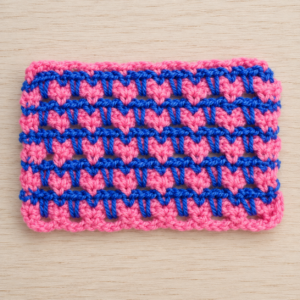
No. While both belong to the granny stitch family, the granny spike stitch creates long diagonal spikes by reaching down multiple rows, while the granny cluster stitch works tight, compact groups of stitches into the previous row. They produce very different visual effects.

For more crochet stitch tutorials and free patterns, visit KnotToYarn. For additional stitch variations and inspiration, check out these granny stitch variations from The Spruce Crafts.

Similar Posts

Leave a Reply

Your email address will not be published. Required fields are marked *