How to Slip Stitch: 3 Easy Join & Edge Methods
Mastering slip stitch crochet opens up a world of creative possibilities. These techniques barely scratch the surface of what the humble slip stitch can do. As you experiment with different approaches, you will discover even more creative ways to incorporate this versatile stitch into your projects.
How Do You Creative Uses for Slip Stitch Beyond Joining?
Most crocheters think of the slip stitch as just a joining technique or a way to move across a row without adding height. But this humble little stitch is capable of so much more. Once you see these creative applications, you will start looking for opportunities to use slip stitch in entirely new ways.
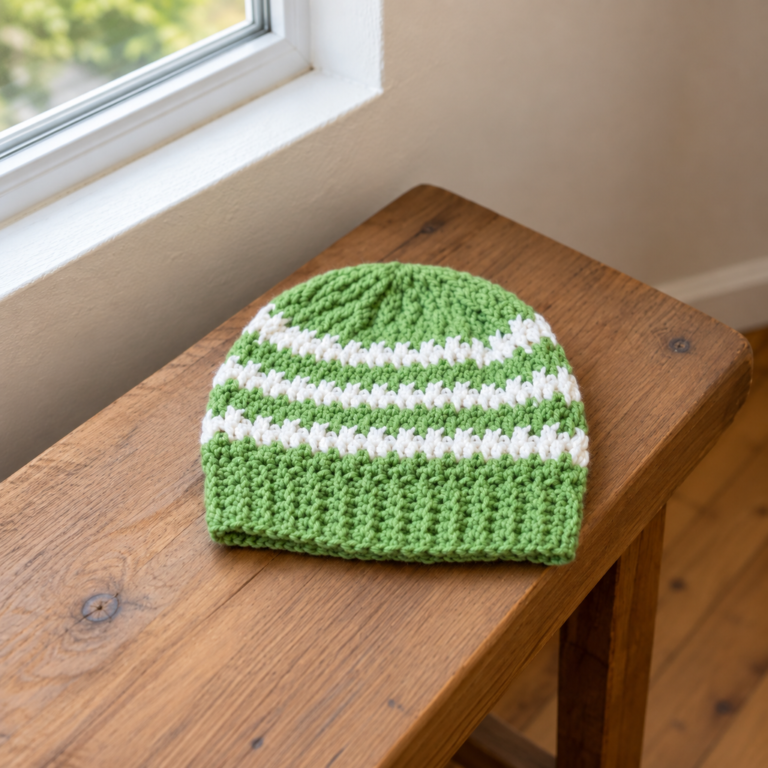
Slip stitch ribbing. Working slip stitches in the back loop only creates a stretchy, knit-like ribbing that is perfect for sweater cuffs, hat brims, and sock tops. The resulting fabric looks almost identical to knitted ribbing, which is impressive for a technique that requires only the most basic crochet skills. Try it on your next hat pattern and see the difference it makes.
Slip stitch colorwork. By carrying two colors of yarn and alternating which color you use for each slip stitch, you can create beautiful geometric patterns that look like Fair Isle knitting. This technique, sometimes called “bosnian crochet,” creates a dense, warm fabric that is perfect for winter accessories like mittens and ear warmers.
KnotToYarn
Subscribe to KnotToYarn!
Get the best free crochet patterns, tutorials & tips delivered straight to your inbox. Join our growing community!
Slip stitch crochet fabric. Working entire rows of slip stitch creates a dense, thick fabric with a beautiful texture. Some crocheters use this to make baskets, hot pads, and even handbag bases. The fabric is firm enough to hold its shape without any stiffening, making it incredibly versatile for structured projects.
Decorative slip stitch surface details. You can add slip stitch lines on top of a finished piece to create decorative borders, geometric patterns, or even letters. This is called surface crochet, and it works by inserting your hook through the top layer of the finished fabric and working slip stitches on the surface. It is an easy way to add visual interest to a plain project.
What Is Fixing Common Slip Stitch Problems?
Even though the slip stitch is one of the simplest crochet stitches, a few common issues can trip up beginners. Understanding these problems and their solutions will help you achieve clean, professional results every time.
Stitches too tight to insert hook. This is the most common slip stitch problem. Because the slip stitch is inherently small, beginners often work it too tightly, making it nearly impossible to insert the hook for the next stitch. The fix is to consciously loosen your tension when working slip stitches. Think of it as giving each stitch a little breathing room. If you are a tight crocheter in general, go up one hook size when working slip stitch sections.
Uneven edges in slip stitch rows. When working rows of slip stitch, the edges can look wavy or uneven. This usually happens because the stitch height varies slightly across the row. To fix this, pay close attention to keeping each slip stitch the same size. Some crocheters find it helpful to count each stitch as they go and pause briefly after every fifth stitch to check their consistency.
Slip stitch colorwork showing the wrong color. When working slip stitch colorwork, the carried color can sometimes peek through to the front of the fabric. To minimize this, keep the carried yarn slightly loose behind your work and consistently hold it on the same side (either always in front or always behind). With a little practice, your colorwork will look clean and professional.
What Is Slip Stitch Crochet at a Glance?
- Topic: slip stitch crochet
- Skill level: beginner
- Main goal: help the reader master the slip stitch for joins, edges, and subtle textured fabrics
- Related topics: single crochet, chain stitch, crochet seams, invisible join, foundation chains
Quick Answer
Slip Stitch Crochet is the simplest crochet stitch — you insert your hook, yarn over, and pull through both loops in one motion. It is used for joining rounds, creating seams, adding subtle texture, and moving your hook across a row without adding height.
Tip: Keep your slip stitches loose — if you pull them too tight, the fabric will pucker and your joins will be visible.
At a Glance
- Skill level: beginner
- Time needed: 5 minutes to learn
- Best yarn: any smooth worsted or DK weight
- Hook size: use the same hook as your main project
Common Mistakes → Quick Fixes
- Working too tight: Relax your grip and use a slightly larger hook for the slip stitch pass
- Misplaced insertion point: Always insert under both top loops unless the pattern specifies otherwise
- Confusing slip stitch with chain: A slip stitch connects to the SAME stitch; a chain creates a new stitch above
Mini Glossary
Sl stitch / sl st — slip stitch; join — connecting the end of a round to the beginning; seam — sewing two pieces together with slip stitches; BLO — back loop only; FLO — front loop only

The image above illustrates this pattern step in detail.

Slip Stitch Crochet is one of the smallest stitches in crochet, but it solves a surprising number of beginner problems. It helps join rounds neatly, move across stitches without adding height, and finish projects with cleaner edges.
What Is Slip Stitch Crochet at a glance?
- Topic: slip stitch crochet
- Skill level: beginner
- Main goal: help the reader understand where to use the stitch, keep it from becoming too tight, and use it more confidently in beginner projects
- Related topics: joining rounds, edging, surface crochet, stitch control, beginner finishing
What Is Slip Stitch Crochet?
The slip stitch is worked by pulling a loop through a stitch and through the loop already on the hook in one motion. Because it adds very little height, it is useful for joining, edging, shaping, and subtle decorative details that need a flatter finish.

Quick answer
A slip stitch is the shortest crochet stitch. It is commonly used to join rounds, travel across stitches, smooth edges, and add low-profile finishing details to a project.
Why this stitch matters for beginners?
Beginners often focus on taller stitches first, but this technique matters because it handles many of the practical moments that make a project look finished. It is especially useful when you want a tidy join or a flatter transition.
How to do slip stitch crochet step by step?
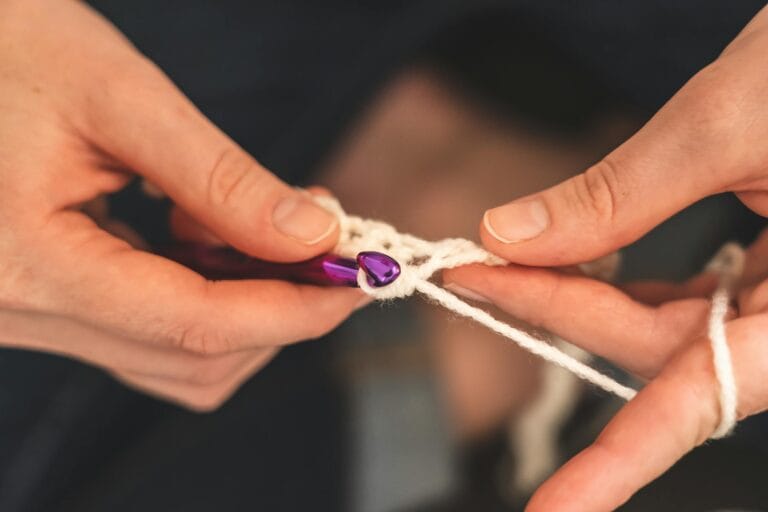
1. Insert the hook into the target stitch
Choose the stitch you want to join into or move across, and make sure the hook placement matches the result you want.
2. Pull up a loop
Bring the yarn through the stitch smoothly instead of yanking it tightly. That helps prevent the stitch from becoming too rigid.
3. Pull through the loop on the hook
This single pull-through motion is what makes the stitch flatter and shorter than almost every other common crochet stitch.
4. Repeat with even tension
If you are working several slip stitches in a row, consistent tension matters because tight slip stitches are much harder to work into later.
How Can Beginners Master Where beginners use slip stitch crochet most?
This stitch is most useful for joining rounds, finishing edges, moving across stitches without adding visible height, and creating small decorative details. It also appears in some ribbing and textured surface techniques.

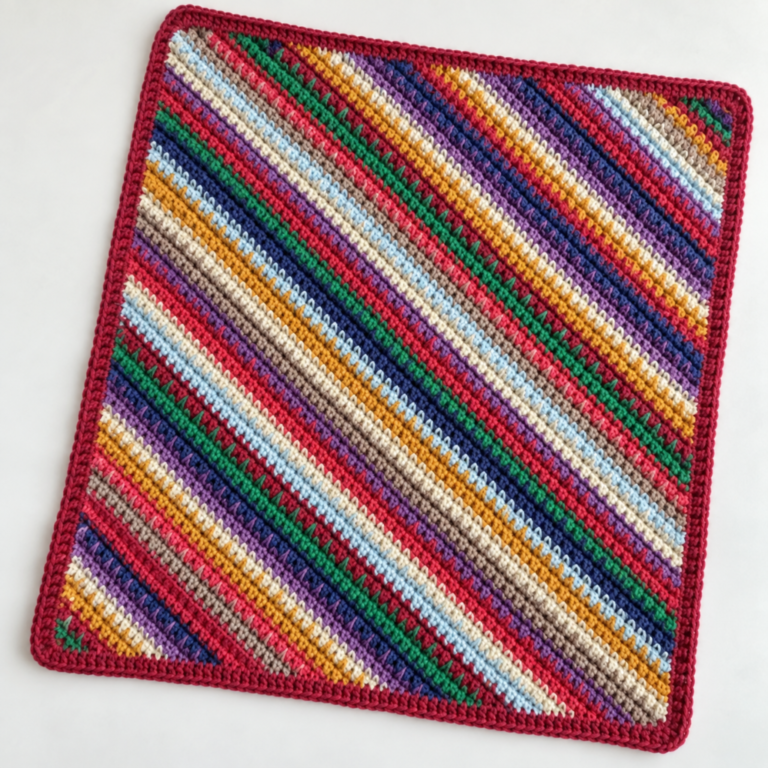
Here you can see how the stitch work comes together in this section.

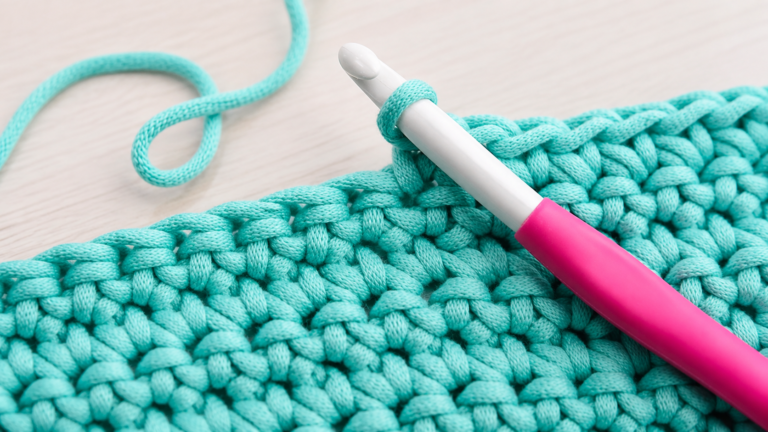
This close-up shows the texture and technique used for this design.

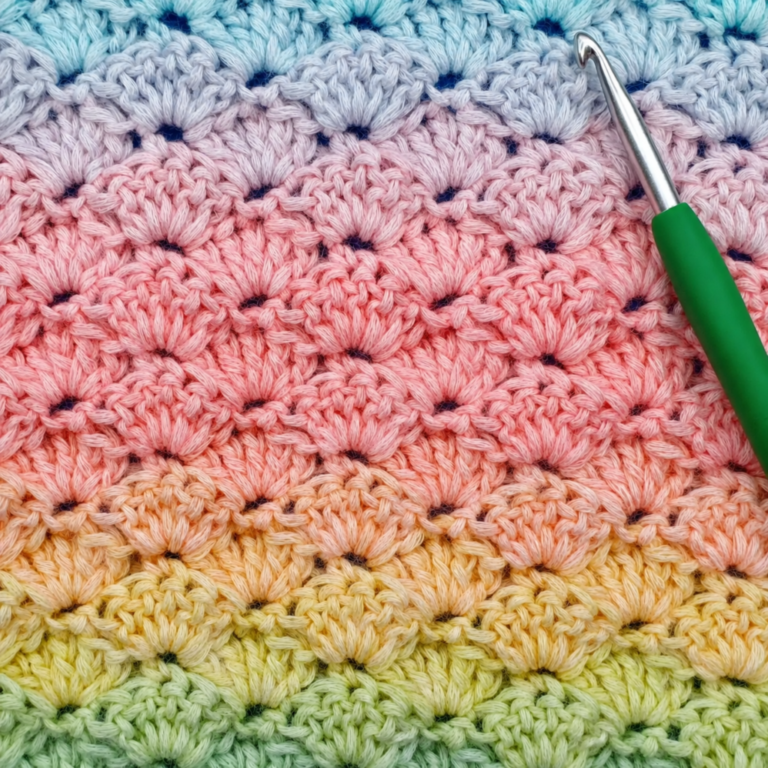
Notice the color transitions and stitch definition shown above.

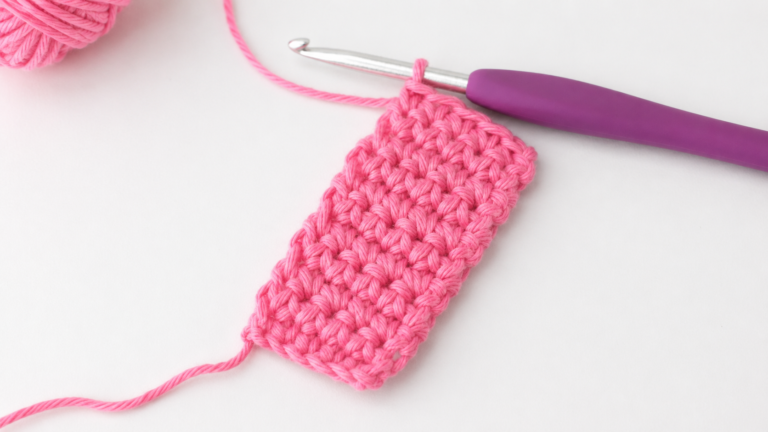
Another view highlighting the shape and structure of this piece.
What Is Common slip stitch crochet mistakes?
The most common mistake is tightening the stitch too much. That makes the next row difficult to work and can distort the fabric. Another mistake is confusing slip stitches with single crochet, which changes both height and texture.
What Is Slip stitch crochet tips?
If you want cleaner results, loosen your hands slightly, keep the loops moving in one smooth motion, and test the stitch on a practice swatch before using it in a larger project.

The detail in this image demonstrates the key technique for this pattern.

How Do You When to use it instead of single crochet?
Use this stitch when you want very little height, a flatter join, or a smoother finishing detail. Use single crochet when you need stronger fabric and more visible stitch structure.
This extra visual helps connect the stitch or project idea to real beginner practice before moving into the next guidance block.
KnotToYarn
Subscribe to KnotToYarn!
Get the best free crochet patterns, tutorials & tips delivered straight to your inbox. Join our growing community!

How Can Beginners Master Helpful beginner crochet links?
What Is Helpful external reference?
For stitch terminology help while learning this stitch, review the Craft Yarn Council crochet abbreviations guide. For free patterns and community support, visit Ravelry.
What Is Slip Stitch Crochet FAQ?
Is slip stitch crochet good for beginners?
Yes. It is simple in concept, though beginners often need a little practice to keep it from becoming too tight.
What is slip stitch crochet used for?
It is used for joining rounds, edging, moving across stitches, and creating flatter finishing details.
Why does my slip stitch crochet feel too tight?
Tightness usually comes from pulling each loop too snugly. Relaxing the motion slightly usually helps.
What Is Bottom line?
The slip stitch may be small, but it is one of the most practical stitches a beginner can learn early. It improves joins, edges, and finishing across many kinds of projects.
How to keep slip stitches from getting too tight?
The most helpful mindset is to think of slip stitch as a smooth transition stitch, not a stitch you should pull snugly for security. Many beginners tighten it instinctively, and that makes the next row harder to work as well as less attractive visually. Keeping your hand slightly softer during the pull-through motion usually improves the result right away.
If the stitch still feels too tight, practice on a larger hook for a few rows just to understand the movement. Once the motion becomes familiar, you can move back to the hook size you actually want for the project.
When slip stitch is actually the best choice?
Beginners often ask when they should use slip stitch instead of a taller stitch. The answer is usually when you want less height, a flatter finish, or a join that does not draw too much attention to itself. It is especially valuable when closing rounds neatly, creating tidy edges, or moving to a new part of the row without building extra bulk.
That is why this stitch matters more than it first appears. It may be small, but it controls many of the small finishing details that make a beginner project look cleaner and more intentional.
You Might Also Like
You Might Also Like
Frequently Asked Questions
Is slip stitch crochet the same as regular crochet?
Slip stitch crochet is a unique technique where the humble slip stitch—normally used only for joining or seaming—becomes the primary stitch used to create the entire fabric. Unlike regular crochet that builds height with taller stitches, slip stitch crochet creates a dense, knit-like fabric by working slip stitches row after row. This specialized form of slip stitch crochet produces a fabric with beautiful drape and stretch that is quite different from standard crochet.
What projects work well with slip stitch crochet?
Slip stitch crochet is perfect for projects that benefit from a dense, stretchy fabric with a knit-like appearance, such as hats, cowls, mittens, and winter accessories. The tight stitch structure also makes it ideal for bags, pillow covers, and even garments like cardigans. Many crocheters love using slip stitch crochet for colorwork patterns, as the short stitch height creates crisp, clean color transitions.
Why is my slip stitch crochet so tight?
Slip stitch crochet naturally produces a tight fabric because the slip stitch is the shortest possible crochet stitch, drawing each loop very close to the previous one. If your work feels impossibly tight, try going up one or two hook sizes from what the yarn label recommends to give your stitches more room. Using a hook with an ergonomic handle can also reduce hand fatigue when working tight slip stitch crochet over longer sessions.
Can I do colorwork with slip stitch crochet?
Yes, slip stitch crochet is actually one of the best techniques for colorwork because the short stitch height keeps color floats short and prevents the fabric from becoming bulky. You can create gorgeous geometric patterns and motifs by carrying two or more colors across your rows and slipping stitches in the inactive color. This type of slip stitch crochet colorwork is often called mosaic crochet and produces beautiful, complex-looking designs.
If you enjoyed this guide, you might also love our tutorials on , and Crochet Slip Stitch Tutorial. Each one comes with free patterns and step-by-step instructions perfect for crocheters of all skill levels.