Amigurumi Toy Patterns: 7 Free Designs for Beginners
Amigurumi Toy Patterns at a Glance
- Topic: amigurumi toy patterns
- Skill level: beginner
- Main goal: help the reader crochet adorable stuffed toys with seven free beginner-friendly amigurumi toy patterns
- Related topics: crochet stuffed toys, amigurumi animals, beginner amigurumi, magic ring crochet, safety toy eyes
Quick Answer
Amigurumi toy patterns are step-by-step crochet instructions designed to help you create small, stuffed toys such as animals, dolls, and playthings. These patterns use basic stitches worked in the round to build three-dimensional shapes, making them one of the most rewarding beginner crochet projects you can try. With the right yarn, hook, and stuffing, anyone can complete a first amigurumi toy in just a few hours.
Tip: Always use a hook one size smaller than your yarn label recommends so your stitches stay tight and stuffing stays hidden inside the finished toy.
At a Glance
- Skill level: beginner
- Time needed: 2–6 hours per toy
- Best yarn: worsted-weight cotton or acrylic
- Hook size: 3.5 mm (E/4) to 4.0 mm (G/6)
Common Mistakes → Quick Fixes
- Loose stitches showing stuffing: switch to a smaller hook and maintain consistent tension throughout
- Toy eyes pulling through fabric: add a safety backing or use embroidered eyes for child-safe amigurumi toy patterns
- Uneven shaping: count every round carefully and use a stitch marker at the start of each round
Mini Glossary
MC (magic circle), sc (single crochet), inc (increase), dec (decrease), FO (fasten off), BLO (back loop only), FLO (front loop only), hdc (half double crochet), ch (chain), sl st (slip stitch)
 KnotToYarn
Subscribe to KnotToYarn!
Get the best free crochet patterns, tutorials & tips delivered straight to your inbox. Join our growing community!
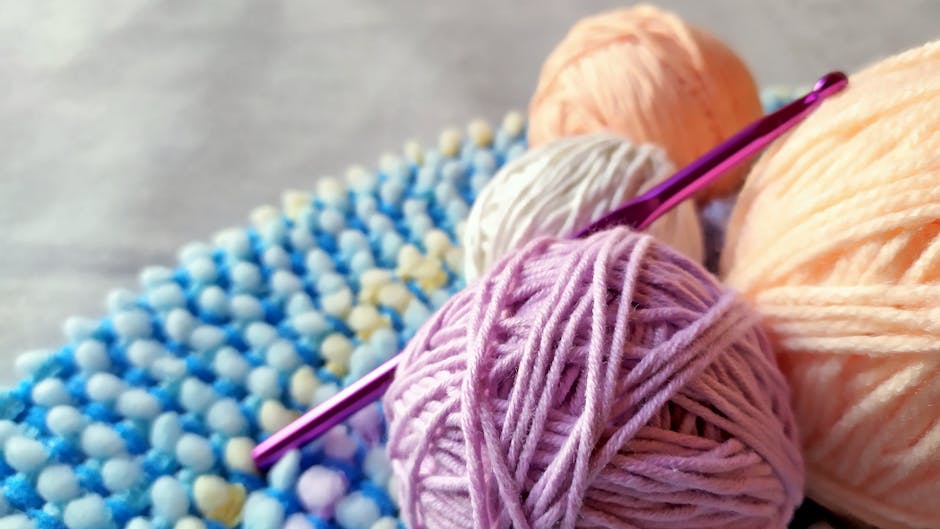
If you have been curious about making your own crocheted playthings, amigurumi toy patterns are the perfect place to start. These delightful designs cover everything from simple shapes to detailed characters, and the best part is that most of them require only the most fundamental crochet skills — if you are brand new, start with our how to crochet for beginners guide. Unlike wearable projects or large blankets, amigurumi toys are small, quick to finish, and incredibly satisfying for beginners looking to see fast results.
In this guide, you will discover seven free amigurumi toy patterns that are specifically written for newcomers. Each pattern focuses on the toy-making essentials: safe stuffing techniques, secure toy eye attachment, and child-friendly material choices that set these designs apart from general amigurumi. Whether you want to make a gift for a child or simply add a handmade touch to your craft collection, these amigurumi toy patterns will walk you through every step.
Why Amigurumi Toy Patterns Are Perfect for Beginners
Amigurumi is the Japanese art of crocheting small, stuffed creatures and objects. While a general amigurumi guide might cover the broad technique, amigurumi toy patterns zero in on a specific goal: creating finished toys that are safe, durable, and fun. This focus makes them an ideal first project because you are building something with a clear purpose from the very first round.
Most amigurumi toy patterns rely on just two core techniques: the single crochet stitch and working in a continuous spiral. If you already know how to chain and single crochet, you have everything you need to get started. If you are brand new, our how to crochet for beginners guide covers the basics in under thirty minutes.
The repetitive nature of working rounds in amigurumi builds muscle memory quickly, so you will notice your tension improving with every toy you complete. Plus, because amigurumi toy patterns produce small projects, you can finish one in an afternoon and feel the sense of accomplishment that keeps you motivated to learn more.
Essential Supplies for Making Amigurumi Toys
Before diving into the seven free patterns below, gather these core supplies. Having the right materials on hand makes a huge difference in how your finished toys turn out.
Yarn
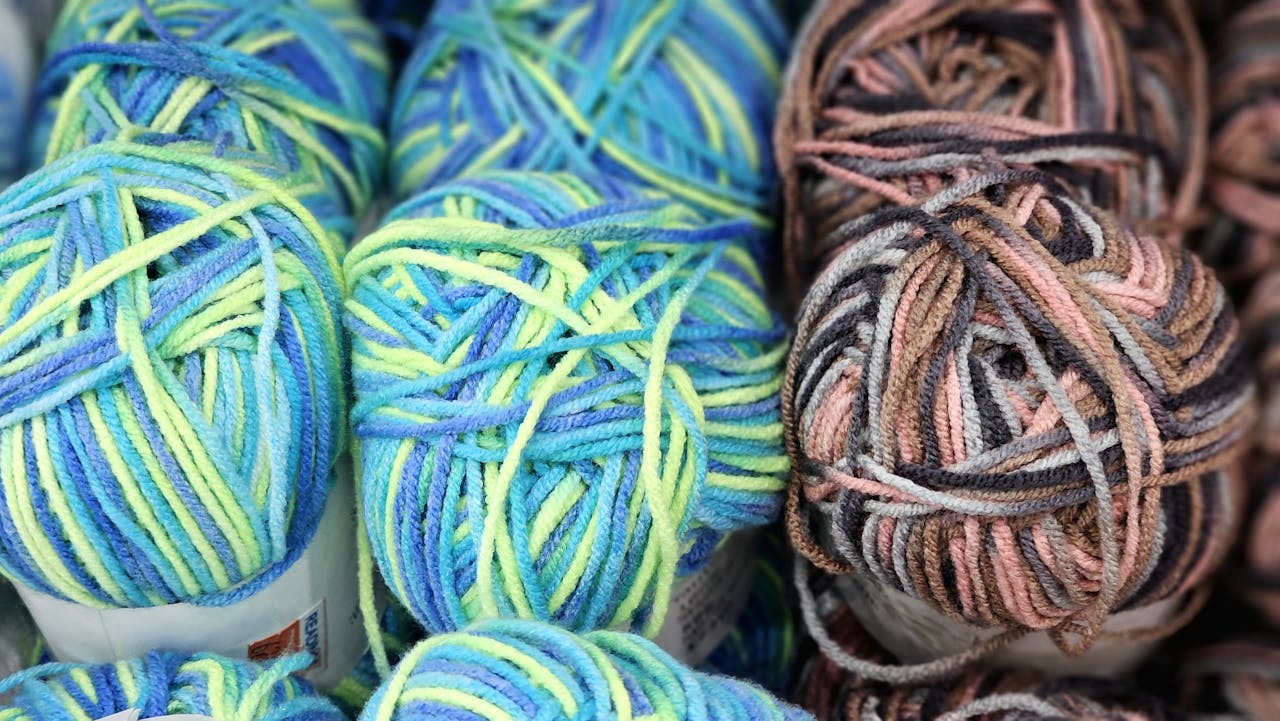
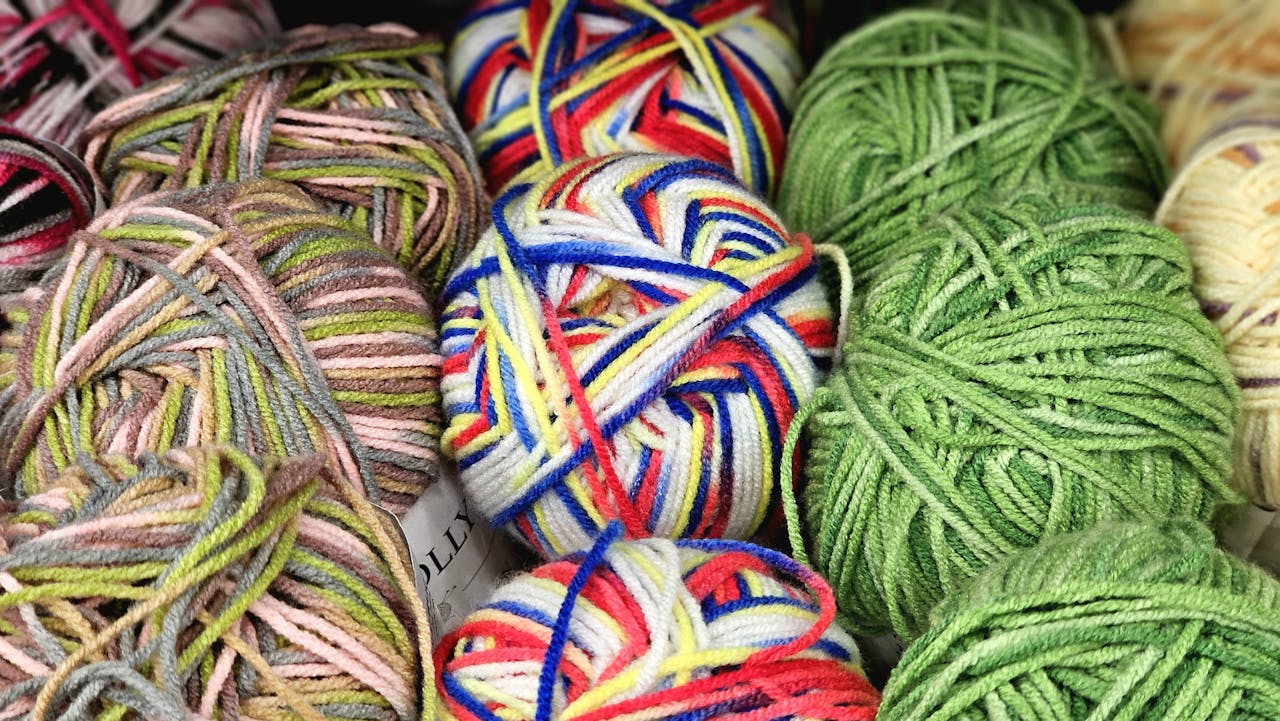
The best yarn for beginner crochet projects is a smooth, medium-weight (worsted) yarn in cotton or acrylic. Cotton gives your amigurumi toy patterns a crisp stitch definition and a firm fabric that holds stuffing well. Acrylic is softer and more affordable, making it a popular choice for gifts and charity projects. Avoid fuzzy or textured yarns for your first few toys — they make it harder to see your stitches and count rounds accurately.
Hooks
Use a crochet hook that is one size smaller than the yarn label suggests. For most worsted-weight yarns, a 3.5 mm (E/4) or 4.0 mm (G/6) hook works well. The tighter gauge prevents poly-fiber stuffing from peeking through the stitches. According to the Craft Yarn Council, choosing the correct hook size is one of the most important steps in achieving consistent gauge across any crochet project.
Safety Eyes and Noses
Plastic safety eyes with locking washers are the standard choice for amigurumi toy patterns intended for children over three years old. They snap into place from the inside and cannot be pulled out by small hands. For toys intended for babies and toddlers, embroider the eyes directly with yarn instead — this eliminates any choking hazard entirely.
Stuffing
Polyester fiberfill is the most common stuffing material. It is washable, lightweight, and hypoallergenic. When stuffing your amigurumi toy patterns, add filling gradually in small handfuls rather than one large clump. This produces an even, smooth shape without lumps.
Stitch Markers
Because amigurumi is worked in a continuous spiral without joining rounds, a stitch marker is essential for tracking where each round begins. Clip-on markers or a simple loop of contrasting yarn both work well.
Understanding Crochet Abbreviations in Toy Patterns
Amigurumi toy patterns use standard crochet abbreviations. Familiarizing yourself with these terms before you start will save time and prevent confusion. Common abbreviations you will encounter include sc (single crochet), inc (increase — two single crochets in the same stitch), dec (decrease — single crochet two stitches together), MR (magic ring), and FO (fasten off). For a complete reference, check our crochet abbreviations for beginners guide.
Most amigurumi toy patterns also include stitch counts at the end of each round, written in parentheses. For example, “(24)” at the end of a round means you should have twenty-four single crochet stitches in that round. Checking your count after every round is the single best habit you can build as a beginner.
7 Free Amigurumi Toy Patterns for Beginners
Below are seven free amigurumi toy patterns you can start today. Each one is designed to teach you a new skill while producing an adorable finished toy. For even more inspiration, browse free toy patterns on Ravelry.
1. Simple Sphere Rattle Toy
The sphere is the foundation shape for nearly all amigurumi toy patterns. This pattern teaches you the magic ring start, even increases, and invisible decreases. Work twelve single crochets into a magic ring, then increase evenly in each round until the sphere reaches your desired width. Work even rounds, then begin decreasing until you have a small opening for stuffing. Insert a small rattle insert before stuffing and closing for a baby-safe toy. This is one of the simplest amigurumi toy patterns and the perfect starting point.
2. Crochet Ball with Striping
Once you master the basic sphere, add color changes to create a striped ball toy. Change colors every two or three rounds to practice seamless color joins. This pattern also introduces the idea of creating visually engaging amigurumi toy patterns with just two colors of yarn. Striped balls make excellent baby toys, pet toys, and decorative elements.
3. Amigurumi Teddy Bear
A small teddy bear is one of the most popular amigurumi toy patterns for a reason. This pattern uses a round head, a cylindrical body, two flat ears, four limb tubes, and a small tail. Each piece is worked separately and then sewn together. The teddy bear pattern teaches you to work flat pieces (the ears) alongside in-the-round pieces, and to align parts during assembly. Use safety eyes for children over three and embroidered features for younger kids.
4. Crochet Baby Doll
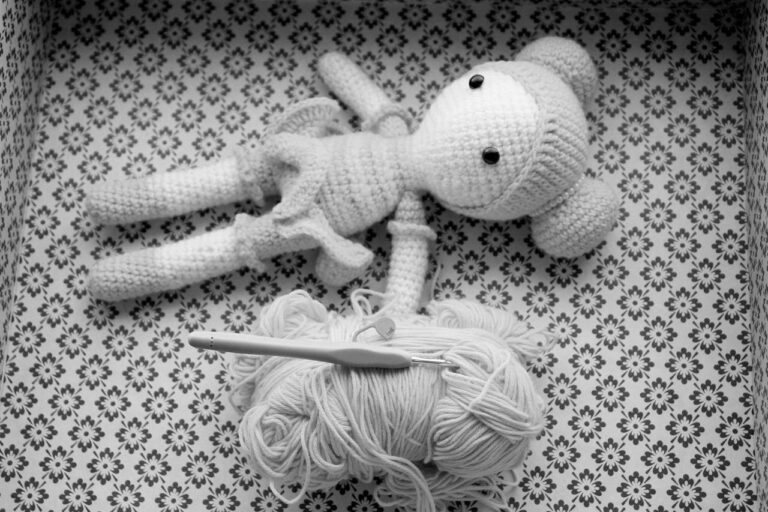
Amigurumi doll patterns are a wonderful introduction to character design. This beginner baby doll uses a simple round head, a small rectangular body, stubby arms and legs, and a tiny hat for personality. The pattern focuses on proportion and symmetry — skills that transfer directly to more advanced amigurumi toy patterns. Use skin-toned yarn for the head and limbs, and a pastel color for the body and hat.
5. Octopus Stuffed Toy
The crochet octopus has become a beloved amigurumi design. It begins like a sphere for the head, then eight chains are worked from the bottom opening and each chain is worked back along to create curly tentacles. This amigurumi toy pattern introduces chain-loop techniques and shows how a simple variation can create a completely different toy shape. Octopus amigurumi are commonly donated to neonatal intensive care units because the tentacles remind premature babies of the umbilical cord, providing comfort.
6. Crochet Car
Not all amigurumi toy patterns are creatures. This simple crochet car is worked flat in a rectangle for the body, with two small circles for wheels and a small rectangle for the window. The pattern introduces flat panel construction, which is a departure from the usual in-the-round approach. Crochet vehicles like cars, trucks, and rockets expand your amigurumi toy patterns collection into an entirely new category of playthings.
7. Star-Shaped Baby Toy
This five-pointed star toy is worked flat from the center outward, then two stars are crocheted and stuffed before being sewn together along the edges. The star shape makes an excellent teething toy and grasping toy for babies. It is one of the few amigurumi toy patterns that combines flat crochet with stuffing, giving you practice with both techniques in a single project.
Safety Tips for Amigurumi Toy Patterns
When creating toys for children, safety is just as important as aesthetics. Here are the essential guidelines every toy-maker should follow when working with amigurumi toy patterns:
- Embroider eyes and facial features for any toy intended for children under three years old. Safety eyes can be pulled out by determined toddlers and pose a serious choking risk.
- Secure all ends firmly. Weave in yarn tails for at least two inches inside the stuffed body. A loose tail can work its way out and become a strangulation or choking hazard.
- Overstuff slightly. A well-stuffed toy holds its shape better and feels more satisfying to hold. However, avoid stretching the stitches to the point where stuffing is visible between them.
- Test attachments. Pull firmly on all sewn-on parts — ears, limbs, tails — before giving the toy to a child. If anything feels loose, reinforce the seam with additional stitching.
- Choose washable materials. Babies and toddlers will chew on and drool over toys. Cotton yarn and polyester stuffing can both be machine washed on a gentle cycle, keeping the toy hygienic over time.
How to Assemble Amigurumi Toys Like a Pro
Assembly is where amigurumi toy patterns come to life. The way you pin, position, and sew pieces together determines whether your finished toy looks polished or homemade. Follow these steps for professional results every time.
KnotToYarn
Subscribe to KnotToYarn!
Get the best free crochet patterns, tutorials & tips delivered straight to your inbox. Join our growing community!
First, lay out all pieces on a flat surface before sewing anything. Position the head, body, arms, legs, ears, and any accessories where you think they belong. Use locking stitch markers or straight pins to hold each piece in place. Step back and look at the toy from different angles — sometimes pieces that look aligned from the front are crooked from the side.
When you are happy with the placement, use a long strand of yarn and a yarn needle to sew each piece. The whip stitch and mattress stitch are the two most common techniques for amigurumi toy patterns. The whip stitch is faster and easier for beginners, while the mattress stitch creates a nearly invisible seam. Work through both the piece and the body with each stitch so the connection is secure.
After sewing, weave the yarn tail through the body for two to three inches, then trim. Never cut a tail right at the knot — it will unravel over time, especially with play and washing.
Styling and Customizing Your Amigurumi Toys
One of the joys of amigurumi toy patterns is how easily you can customize each design. Swap yarn colors to match a nursery theme. Add a small crochet bow, a tiny hat, or a scarf to give each toy its own personality. You can even embroider initials or a small heart on the belly of a teddy bear for a personalized gift.
For a complete reference on understanding pattern instructions, our guide on how to read a crochet pattern will help you decode any modifications you want to make. Once you are comfortable reading amigurumi toy patterns, you can mix elements from different designs — putting bunny ears on a bear body, for instance — to create truly unique toys.
Frequently Asked Questions
What are amigurumi toy patterns?
Amigurumi toy patterns are crochet instructions specifically designed to create small, stuffed playthings such as animals, dolls, and shaped objects. Unlike general amigurumi, which may include decorative items or wearables, toy patterns focus exclusively on producing finished toys that are safe, durable, and fun. They typically use simple stitches worked in continuous rounds, making them accessible even to complete beginners.
How long does it take to complete a beginner amigurumi toy?
Most beginner amigurumi toy patterns can be completed in two to six hours, depending on the complexity of the design and your crochet speed. Simple shapes like spheres and balls take as little as one to two hours, while multi-part designs like teddy bears or dolls may require four to six hours including assembly time. The small size of these projects makes them perfect for completing in a single sitting or over a relaxed weekend.
Are amigurumi toys safe for babies and toddlers?
Amigurumi toys can be made completely safe for babies and toddlers with the right material choices. Always embroider facial features instead of using plastic safety eyes for children under three. Use washable cotton or acrylic yarn and polyester fiberfill stuffing, and weave in all yarn ends securely inside the body. Test all sewn attachments by pulling firmly before giving the finished toy to a child.
What is the best yarn for amigurumi toy patterns?
Worsted-weight cotton or acrylic yarn is the best choice for amigurumi toy patterns. Cotton provides excellent stitch definition and a firm fabric that holds stuffing securely, while acrylic is softer, more affordable, and available in a wider range of colors. Avoid novelty yarns like eyelash, boucle, or chunky textures, as they make it difficult to see individual stitches and maintain even tension throughout the pattern.
Do I need to know how to read crochet patterns to make amigurumi toys?
While knowing how to read patterns is helpful, many beginner amigurumi toy patterns include step-by-step written instructions alongside the abbreviations. Learning the core abbreviations — sc, inc, dec, MR, and FO — is enough to get started on most simple toy patterns. As you gain confidence, you can expand your knowledge with resources like our crochet abbreviations for beginners guide to tackle more advanced designs.