Slip Stitch Crochet: 7 Easy Beginner Tips to Use It Better
Slip Stitch Crochet is one of the smallest stitches in crochet, but it solves a surprising number of beginner problems. It helps join rounds neatly, move across stitches without adding height, and finish projects with cleaner edges.
Slip Stitch Crochet at a glance
- Topic: slip stitch crochet
- Skill level: beginner
- Main goal: help the reader understand where to use the stitch, keep it from becoming too tight, and use it more confidently in beginner projects
- Related topics: joining rounds, edging, surface crochet, stitch control, beginner finishing
Slip Stitch Crochet
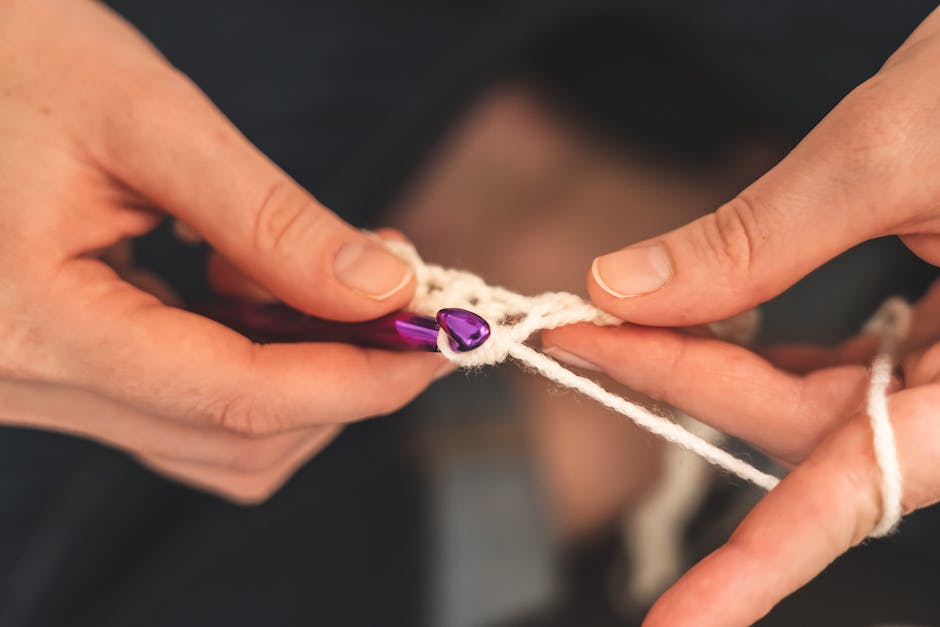
Slip stitch crochet is worked by pulling a loop through a stitch and through the loop already on the hook in one motion. Because it adds very little height, it is useful for joining, edging, shaping, and subtle decorative details that need a flatter finish.
Quick answer
A slip stitch is the shortest crochet stitch. It is commonly used to join rounds, travel across stitches, smooth edges, and add low-profile finishing details to a project.
Why this stitch matters for beginners
Beginners often focus on taller stitches first, but slip stitch crochet matters because it handles many of the practical moments that make a project look finished. It is especially useful when you want a tidy join or a flatter transition.
How to do slip stitch crochet step by step
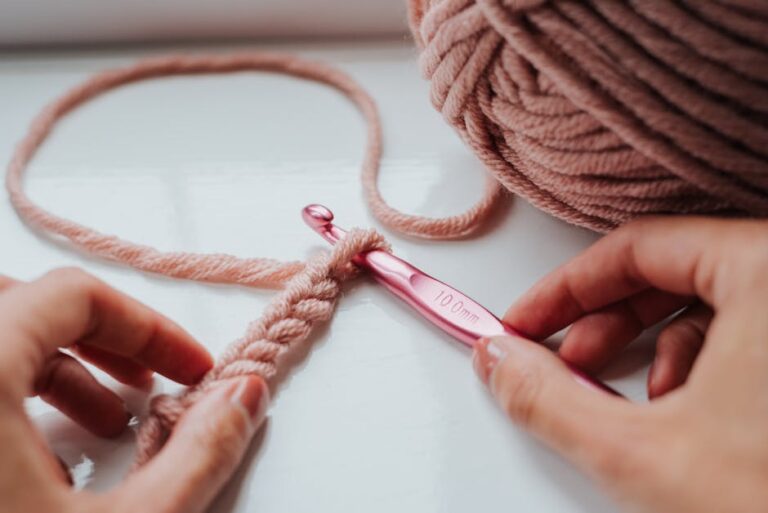
1. Insert the hook into the target stitch
Choose the stitch you want to join into or move across, and make sure the hook placement matches the result you want.
2. Pull up a loop
Bring the yarn through the stitch smoothly instead of yanking it tightly. That helps prevent the stitch from becoming too rigid.
3. Pull through the loop on the hook
This single pull-through motion is what makes the stitch flatter and shorter than almost every other common crochet stitch.
4. Repeat with even tension
If you are working several slip stitches in a row, consistent tension matters because tight slip stitches are much harder to work into later.
Where beginners use slip stitch crochet most
This stitch is most useful for joining rounds, finishing edges, moving across stitches without adding visible height, and creating small decorative details. It also appears in some ribbing and textured surface techniques.
Common slip stitch crochet mistakes
The most common mistake is tightening the stitch too much. That makes the next row difficult to work and can distort the fabric. Another mistake is confusing slip stitches with single crochet, which changes both height and texture.
Slip stitch crochet tips
If you want cleaner results, loosen your hands slightly, keep the loops moving in one smooth motion, and test the stitch on a practice swatch before using it in a larger project.
When to use it instead of single crochet
Use slip stitch crochet when you want very little height, a flatter join, or a smoother finishing detail. Use single crochet when you need stronger fabric and more visible stitch structure.
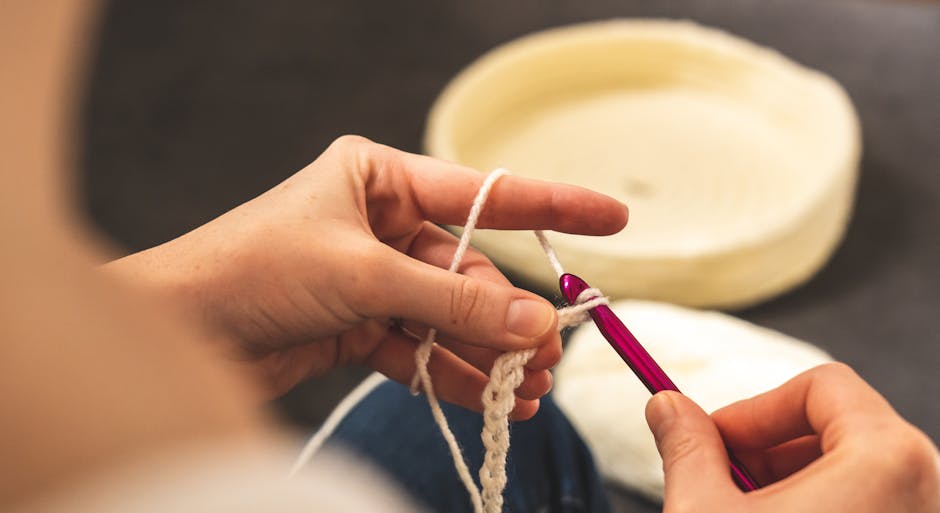
This extra visual helps connect the stitch or project idea to real beginner practice before moving into the next guidance block.
Helpful beginner crochet links
Helpful external reference
For stitch terminology help while learning slip stitch crochet, review the Craft Yarn Council crochet abbreviations guide.
Slip Stitch Crochet FAQ
Is slip stitch crochet good for beginners?
Yes. It is simple in concept, though beginners often need a little practice to keep it from becoming too tight.
What is slip stitch crochet used for?
It is used for joining rounds, edging, moving across stitches, and creating flatter finishing details.
Why does my slip stitch crochet feel too tight?
Tightness usually comes from pulling each loop too snugly. Relaxing the motion slightly usually helps.
Bottom line
Slip stitch crochet may be small, but it is one of the most practical stitches a beginner can learn early. It improves joins, edges, and finishing across many kinds of projects.
How to keep slip stitches from getting too tight
The most helpful mindset is to think of slip stitch as a smooth transition stitch, not a stitch you should pull snugly for security. Many beginners tighten it instinctively, and that makes the next row harder to work as well as less attractive visually. Keeping your hand slightly softer during the pull-through motion usually improves the result right away.
If the stitch still feels too tight, practice on a larger hook for a few rows just to understand the movement. Once the motion becomes familiar, you can move back to the hook size you actually want for the project.
When slip stitch is actually the best choice
Beginners often ask when they should use slip stitch instead of a taller stitch. The answer is usually when you want less height, a flatter finish, or a join that does not draw too much attention to itself. It is especially valuable when closing rounds neatly, creating tidy edges, or moving to a new part of the row without building extra bulk.
That is why this stitch matters more than it first appears. It may be small, but it controls many of the small finishing details that make a beginner project look cleaner and more intentional.