Crochet Poncho: 3 Easy Triangle Designs
Nothing wraps you in handmade comfort quite like a poncho. Whether you are picking up a hook for the first time or looking for your next weekend project, a poncho is one of the most rewarding garments you can make. Ponchos require minimal shaping, work up faster than sweaters, and look impressive when finished. This guide rounds up 7 stunning free crochet poncho patterns, each chosen for clear instructions, beginner-friendly construction, and beautiful results.
If you love the draped style of ponchos, this crochet hooded shawl pattern offers similar coverage with the added warmth of a built-in hood.
We also cover everything else you need to know before you start: how to pick the right yarn, how to size your poncho for a perfect fit, and answers to the most common questions crocheters ask when making their first poncho.
Why Crochet a Poncho?
A poncho is the ideal bridge between scarf-level simplicity and full garment construction. Unlike a sweater, a poncho has no armholes, no set-in sleeves, and no complicated stitch counting for bust increases. Most poncho patterns are built from simple geometric shapes, two rectangles joined at the shoulders, a large triangle folded in half, or a single long rectangle with a center slit for the neck. This straightforward construction is what makes the poncho such a popular first garment project.
Beyond ease of construction, ponchos are incredibly versatile. Layer one over a T-shirt in fall, pair it with leggings on a chilly evening, or toss it over a dress for a bohemian summer look. A handmade poncho also makes a thoughtful gift, it is one-size-friendly, does not require precise body measurements, and works up in a few evenings for most crocheters.
If you are brand new to crochet, our granny square tutorial is a great warm-up before tackling a wearable project. And if you already have a few projects under your belt, a poncho is a satisfying next step that will teach you garment construction without the stress of fitted pieces.
7 Free Crochet Poncho Patterns
1. Classic Two-Panel Rectangle Poncho
The simplest poncho construction is two rectangular panels worked flat and seamed at the shoulders. This style uses basic double crochet stitches throughout, making it an excellent choice for someone who has only ever made flat pieces like dishcloths or scarves.
To make this poncho, crochet two rectangles that measure roughly 16 inches wide by 28 to 32 inches long. Join them along the short edges with a simple single crochet seam, leaving a center gap for the neckline. The result is a cozy, blanket-like poncho with beautiful drape.
Use a worsted weight yarn in a solid color for a classic look, or work each panel in a different shade for a color-block effect. This pattern is easy to customize, add fringe to the hem, work a few rounds of border around the neckline, or experiment with a textured stitch like the corner-to-corner crochet technique for one of the panels.
2. Granny Square Poncho
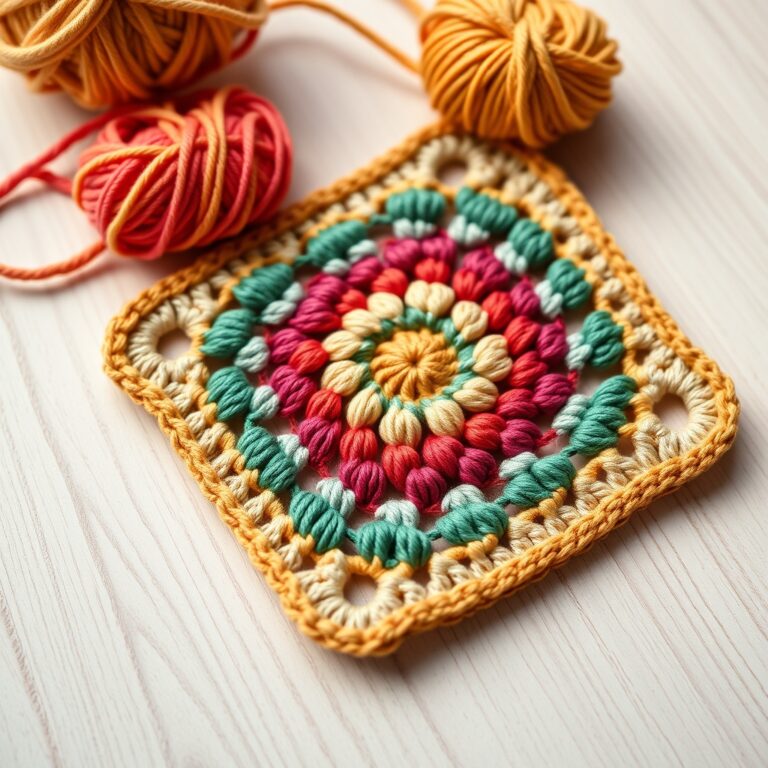
If you already love making granny squares, a granny square poncho takes that skill and turns it into a wearable piece. This style uses 16 individual squares arranged in two 2-by-4 panels, then joined at the shoulders.
Our detailed granny square poncho pattern walks you through the entire process, including a clever join-as-you-go method that eliminates hand-sewing entirely. The pattern uses four colors in a bold geometric layout and works up to a finished size that fits most adults.
This is one of the most popular crochet poncho styles because each square is a portable, manageable project. You can work on one or two squares during a commute or while watching TV, and the pieces come together quickly once all 16 squares are finished.
3. Ripple Stitch Poncho
The ripple or chevron stitch creates a wave-like texture that looks stunning in a poncho. This pattern works up as a single long rectangle that you fold in half and seam along one side, leaving a neck opening. The ripple pattern naturally creates a slight shaping that flatters the shoulders and upper body.
To get the best results with a ripple stitch poncho, use a yarn with good stitch definition. Smooth worsted or DK weight yarns in solid or semi-solid colors show the chevron peaks and valleys clearly. Highly variegated yarns can obscure the wave pattern, so save those for simpler stitches.
A ripple poncho is a fantastic stash-busting project because each color change in the chevron can use a different skein. Plan a gradient from light to dark for an ombré effect, or alternate between two contrasting colors for a bold stripe.
4. Chunky Yarn Poncho
When you want a finished project fast, nothing beats a chunky poncho. Worked in super bulky (category 6) yarn with a large hook, size N or P, this poncho can be completed in a single weekend, even for a beginner. The thick yarn creates a dense, warm fabric well suited to winter wear.
Because the yarn does so much of the visual work, keep the stitch pattern simple. A half double crochet or a basic moss stitch (single crochet, chain one, skip one) looks clean and modern in chunky yarn. The fewer fussy details, the better the oversized stitches will show.
One thing to keep in mind with a chunky poncho: the fabric will be heavier, so keep the overall length shorter to prevent the poncho from pulling at your neck. Aim for a length that hits at the hip rather than the mid-thigh.
5. Mesh and Lace Poncho
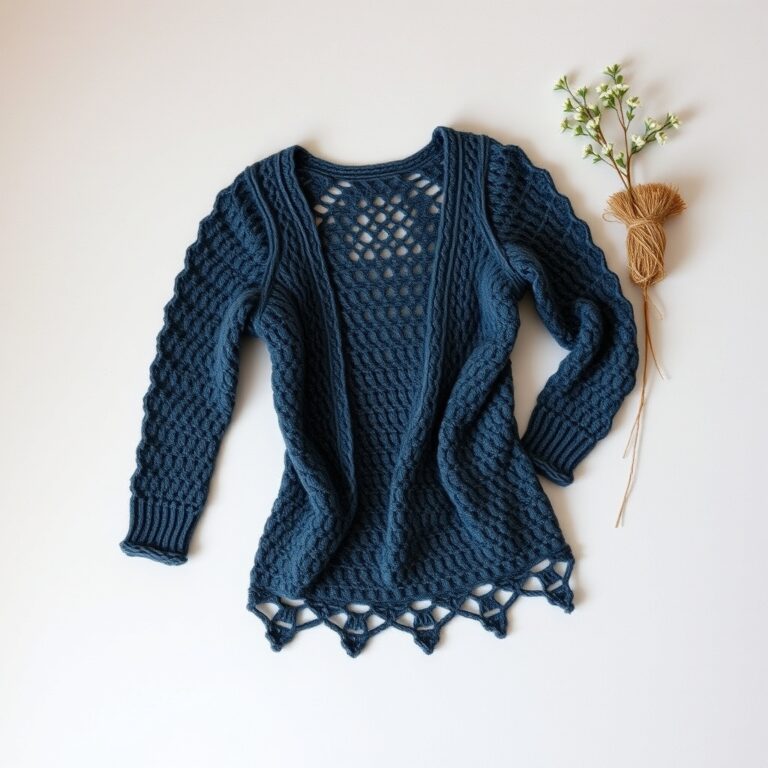
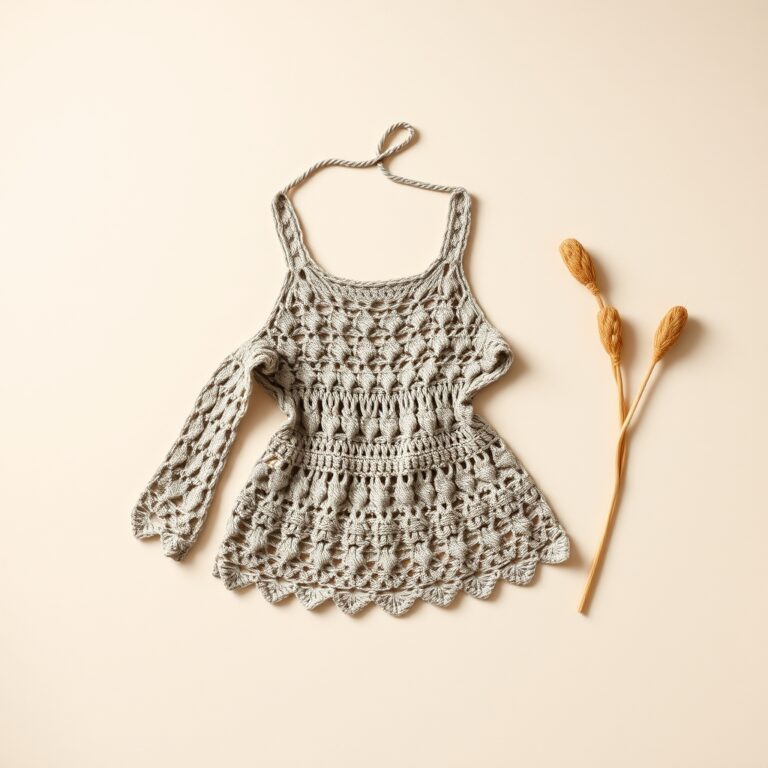
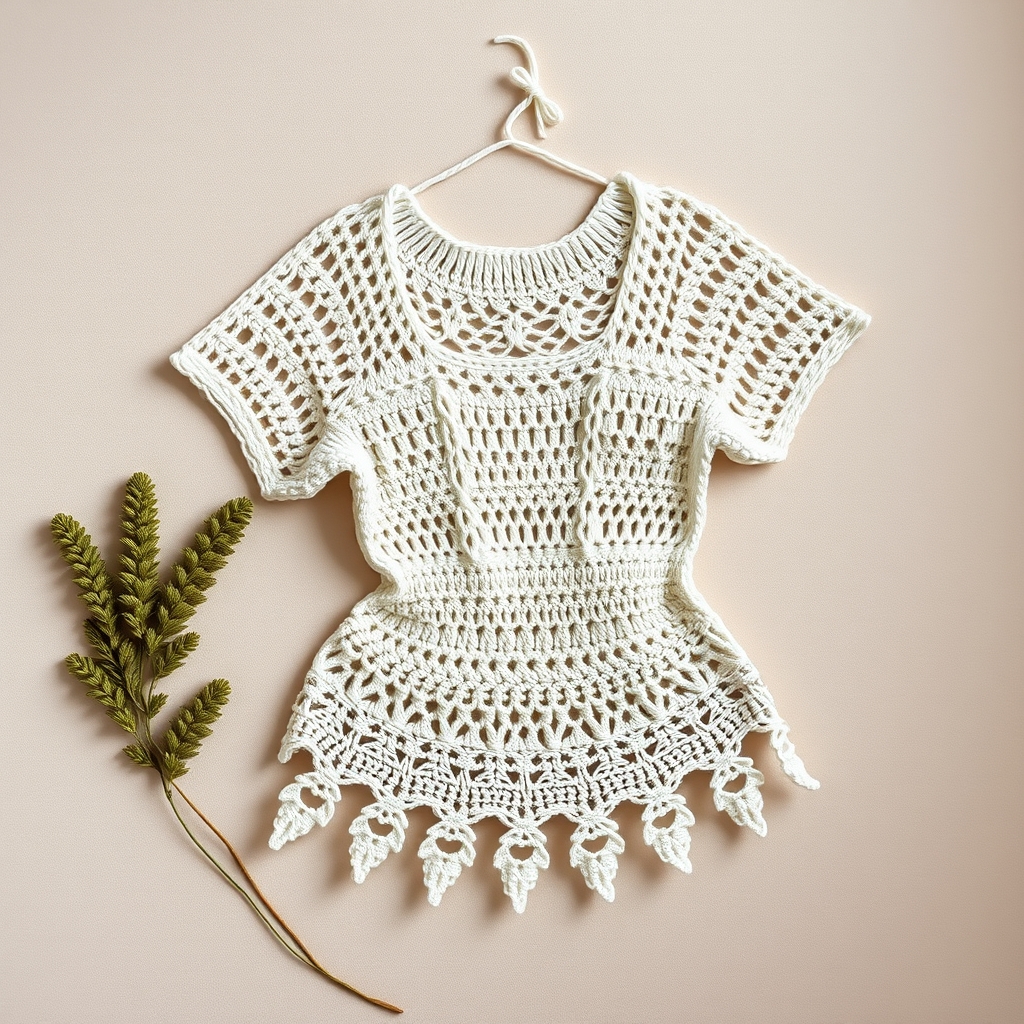
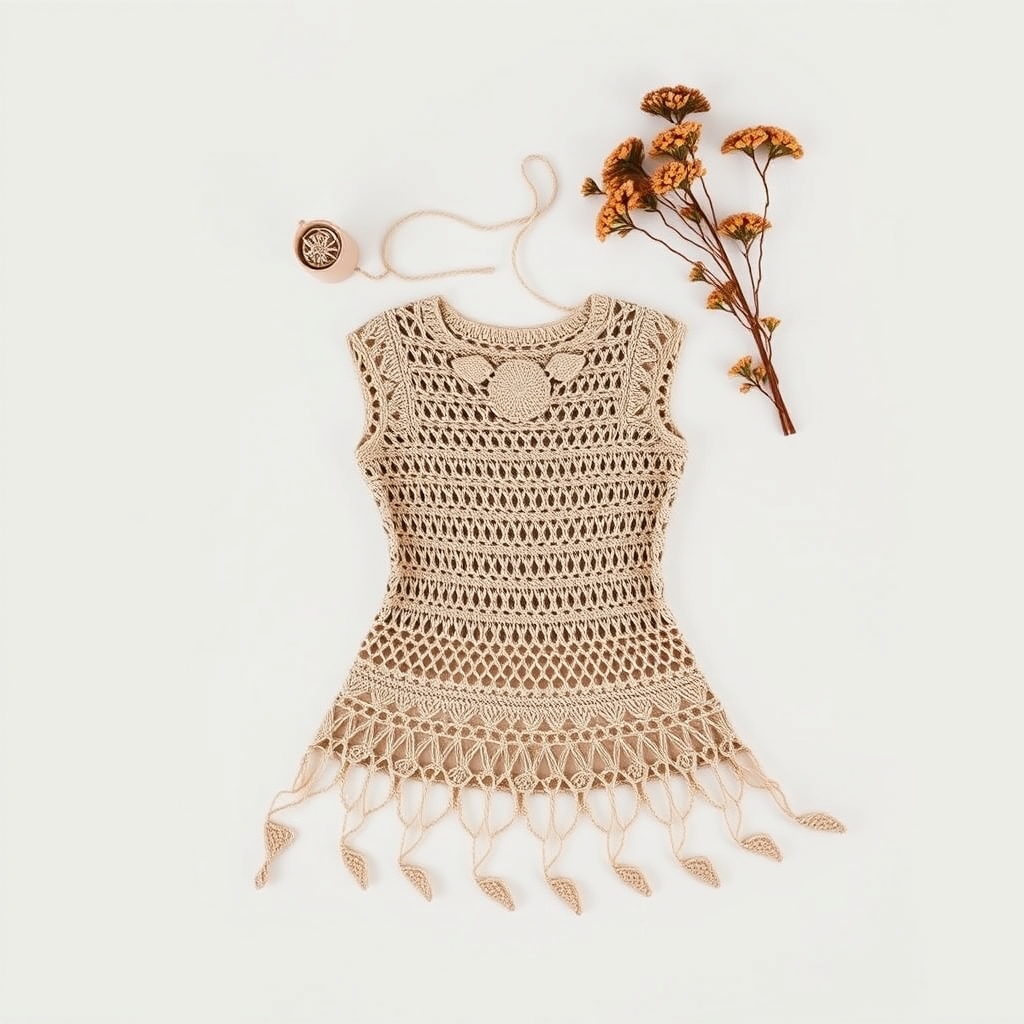
For a lightweight, warm-weather poncho, try a mesh or filet crochet design. These ponchos use openwork stitch patterns that create a breezy, draped fabric well suited to spring layering or summer evenings. The mesh construction also means the project uses less yarn and works up faster than a solid stitch pattern.
A simple mesh crochet poncho can be made with alternating chain spaces and double crochet clusters. For a more intricate look, try a filet crochet pattern that creates a geometric or floral motif within the mesh grid. Cotton or bamboo blend yarns work beautifully for this style because they hold their shape and drape well in openwork patterns.
6. Hooded Poncho
A hooded crochet poncho combines the ease of a poncho with the added warmth of a hood. This style is sometimes called a “poncho with a cowl” because the hood can also be worn pushed back as a draped collar. The construction is the same as a standard two-panel or triangle poncho, with a hood added at the neckline opening.
The hood is worked separately as a flat piece, then seamed along the top curve and attached to the neckline of the finished poncho. Most hooded poncho patterns use the same stitch throughout both the body and the hood for a cohesive look. This is a great project for intermediate crocheters who want to try garment construction with a small new skill added.
7. Child’s Poncho
A crochet poncho is one of the easiest garments to size down for kids. Because ponchos do not require precise measurements, no sleeve length, no bust circumference, you can scale most adult patterns down simply by using fewer rows, a smaller hook, or a lighter yarn weight. A child’s poncho is also a much quicker project, often finishable in a single evening.
For children, choose machine-washable yarns in fun colors. Acrylic or cotton-acrylic blends are practical for kids’ clothing because they can handle regular washing. Bright colors and simple colorwork look especially cute on small ponchos, try alternating stripes or working the bottom trim in a contrasting shade.
How Do You Choose the Right Yarn for Your Crochet Poncho?
The yarn you choose has a bigger impact on your finished crochet poncho than almost any other decision. Here is a quick guide to the most common yarn choices and when to use them.
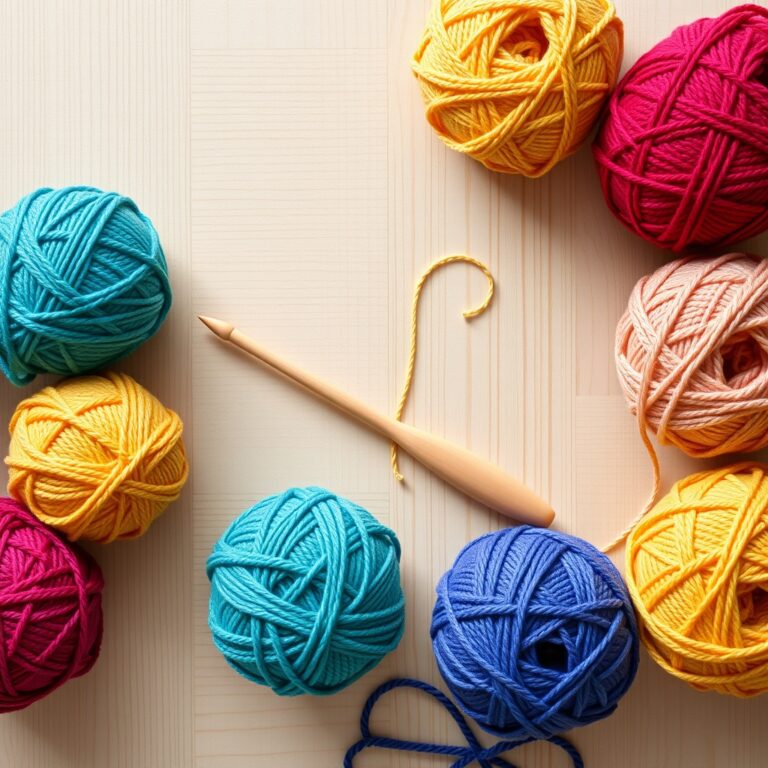
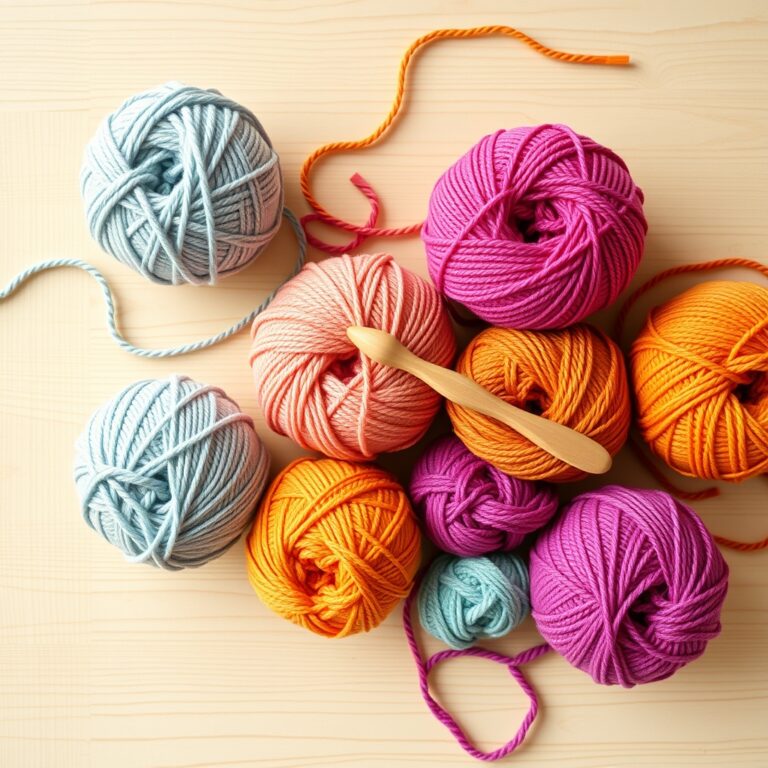
Worsted weight (category 4): This is the gold standard for crochet poncho projects. Worsted weight yarn is thick enough to work up quickly but thin enough to show stitch detail clearly. It is widely available, affordable, and comes in an enormous range of colors. If you are only going to buy one yarn for your poncho, make it a worsted weight.
DK weight (category 3): DK yarn produces a lighter, drapier crochet poncho that is ideal for three-season wear. The fabric is thinner and more flexible, which gives the poncho an elegant, flowy look. DK works especially well for lacy or mesh poncho designs.
Super bulky (category 6): Use super bulky yarn when you want a quick project and maximum warmth. A super bulky crochet poncho works up in record time but produces a heavier, stiffer fabric. Best for short, cowl-style ponchos rather than long, draped designs.
The Craft Yarn Council’s yarn weight system is the industry standard for categorizing yarn thickness. It is a helpful reference when substituting yarns in a pattern, if the pattern calls for worsted weight, any category 4 yarn should give you similar results, though you should always check your gauge.
For more pattern inspiration and yarn pairing ideas, browse the project database at Ravelry’s crochet poncho patterns collection.
Find the Right Size
One of the best things about a crochet poncho is that sizing is forgiving. Unlike a fitted sweater where an inch off the bust measurement matters, a poncho drapes and looks good across a range of body sizes. Still, a few basic guidelines will help you get the fit right.
Adult standard: Aim for a finished width of 28 to 36 inches across the front panel and a length of 24 to 32 inches from the shoulder to the hem. A neckline opening of 16 to 20 inches allows the poncho to slip over the head comfortably.
Plus size: Increase the panel width to 36 to 42 inches. The extra width provides more coverage and a flattering drape. You can also add length, a longer crochet poncho in a larger size creates an elegant, elongated silhouette.
Child (ages 4-10): Reduce the panel width to 18 to 24 inches and the length to 16 to 20 inches. A child’s poncho should hit around the hip for comfort and ease of movement.
Toddler (ages 1-3): Keep it small and simple, 14 to 18 inches wide and 12 to 16 inches long. Use soft, washable yarn and avoid long fringe or loose elements that could be a choking hazard.
When in doubt, make a gauge swatch with your chosen yarn and hook. Measure how many stitches and rows you get per inch, then do the math to figure out how many chains to start with for your target dimensions.
What Are the Best Tips for a Perfect Crochet Poncho?
These tips apply to almost every crochet poncho pattern, whether you are making a simple rectangle or a more complex motif-based design.
- Check your gauge before you start. A crochet poncho that is too tight will not drape properly, and one that is too loose will grow and stretch out of shape. Spend 15 minutes making a 4-inch gauge swatch, it saves hours of frustration later.
- Block your finished poncho. Blocking evens out your stitches, smooths the seams, and helps the poncho hold its shape. Soak the finished piece in cool water, pin it to the correct dimensions on blocking mats, and let it air dry.
- Weave in ends as you go. Ponchos have a lot of color changes and seam joins, which means a lot of loose tails. Weaving them in after every few rows or after each motif is much less overwhelming than facing a pile of 30 tails at the end.
- Use stitch markers at the neckline. When seaming the shoulders, it is easy to accidentally close the neckline opening. Place a stitch marker at each end of the neck gap so you know exactly where to start and stop seaming.
- Add a border for a polished finish. A simple round of single crochet or reverse single crochet around the hem and neckline gives your crochet poncho a clean, professional edge. It also helps prevent curling.
Frequently Asked Questions
How do I choose the right size for a crochet poncho?
Most crochet poncho patterns come in one-size-fits-most measurements by adjusting the number of rows or panel width. For adults, look for a finished width between 28 and 36 inches across the front. If the pattern includes multiple sizes, measure from your shoulder to your desired hem length and compare it to the schematic.
What is the best yarn for a crochet poncho?
Worsted weight (category 4) yarn is the most popular choice for crochet ponchos because it balances warmth, drape, and stitch definition. Acrylic and acrylic-blend yarns are affordable and easy to care for, while wool or alpaca blends offer superior warmth. Match your yarn to the season, cotton or bamboo blends work well for spring ponchos.
Can a beginner really crochet a poncho?
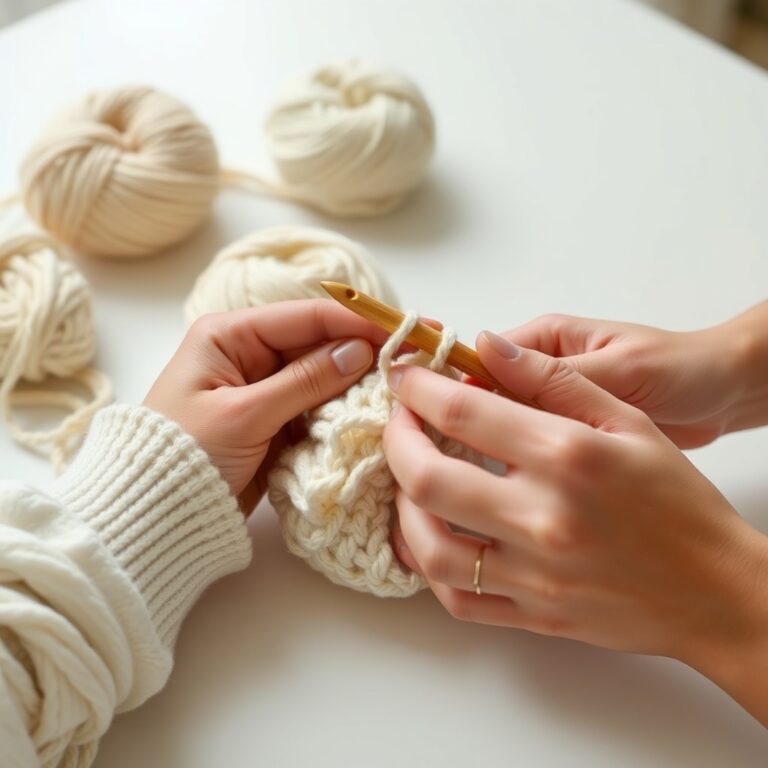
Absolutely. A crochet poncho is one of the best beginner garment projects because most poncho patterns involve simple rectangles or triangles with no complex shaping. If you know how to chain, single crochet, and double crochet, you can complete a basic poncho. Start with a two-panel rectangle poncho or a simple triangle shawl style.
How much yarn do I need to make a crochet poncho?
A standard adult crochet poncho typically requires 800 to 1,200 yards of worsted weight yarn, depending on the pattern and your gauge. Chunky yarn ponchos may use as little as 500 yards, while lacy openwork designs can require 1,500 yards or more. Always check the pattern’s yardage estimate and buy an extra skein to be safe.
How do I block a finished crochet poncho?
To block your crochet poncho, soak it in cool water with a gentle wool wash for 15 to 20 minutes. Gently squeeze out excess water, never wring. Lay the poncho flat on blocking mats or a clean towel, pin it to the correct dimensions, and let it air dry completely. Blocking evens out your stitches, improves drape, and helps the poncho hold its shape.
More Crochet to Explore
If you enjoyed this roundup, there are plenty of other wearable patterns to try next. A crochet shawl uses similar rectangular construction techniques in a lighter, more versatile design. If you want to expand your granny square skills, our granny square poncho pattern is the perfect companion project to this guide, it walks you through every step of a 16-square no-sew poncho.
For even more ideas and inspiration, bookmark our crochet patterns collection and check back regularly, we add new beginner-friendly patterns every month.
If you enjoyed this guide, you might also love our tutorial on Crochet Star Pattern. For each design below you’ll find an overview of the construction, the stitches it uses, and tips to make your own version.