How to Crochet an Octopus: Easy Amigurumi
Quick Answer
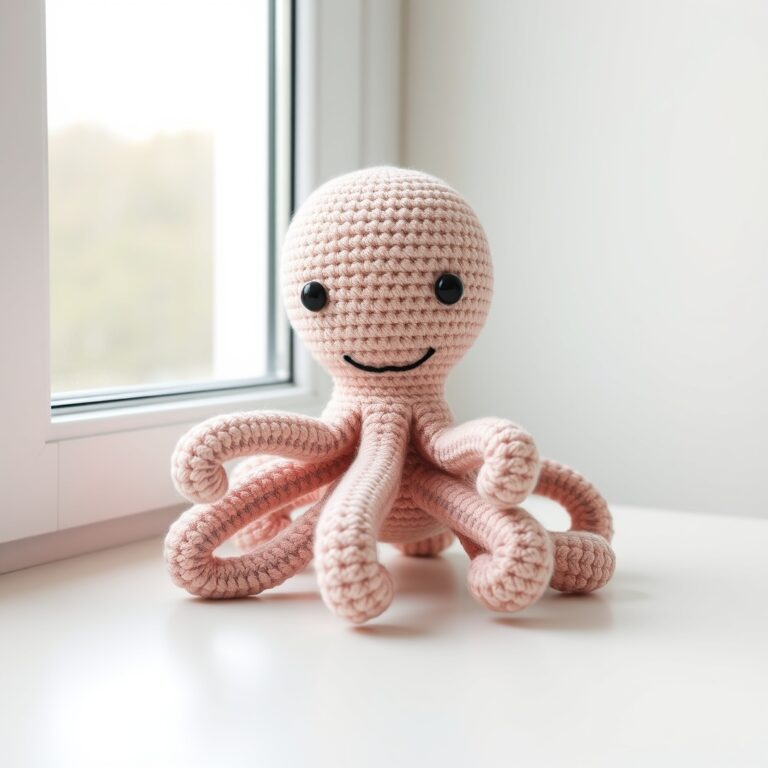
A crochet octopus is a fun and rewarding amigurumi project that even beginners can complete in about an hour. The magic ring technique creates a seamless round body, while simple single crochet stitches form the curly tentacles that give these little creatures their signature look. For more free amigurumi patterns, visit KnotToYarn.com.
Tip: Use safety eyes for children’s toys, they are much more secure than embroidered or button eyes.
At a Glance
- Skill level: beginner
- Time needed: 45-90 minutes per octopus
- Best yarn: smooth acrylic or cotton worsted weight
- Hook size: 3.5mm (E/4) or 4.0mm (G/6)
Common Mistakes → Quick Fixes
- Tentacles not curling: use a smaller hook and work tightly, loose stitches won’t curl naturally
- Body too floppy: stuff firmly and use poly-fil to give the octopus a round, plump shape
- Uneven color changes: change yarn at the end of a round, not mid-round, for cleaner transitions
Mini Glossary
Your octopus will feel right at home alongside the 19 sea creature designs in our free crochet ocean toys pattern collection.
If you enjoyed making an octopus, our free crochet jellyfish pattern is another fun sea creature that uses simple stitches and colorful tentacles.
MR (magic ring), sc (single crochet), inc (increase), dec (decrease), sl st (slip stitch), FO (fasten off), BLO (back loop only), FLO (front loop only)
A crochet octopus is one of the most delightful amigurumi projects you can tackle, whether you are brand new to the craft or looking for a fun weekend make. Making a crochet octopus brings joy at every stitch, from shaping the round little head to curling each playful tentacle. In this complete guide, you will learn everything you need to know about creating your very own crochet octopus, from choosing the right materials to mastering the finishing details that make each piece special.
Why a Crochet Octopus Is the Perfect Project?
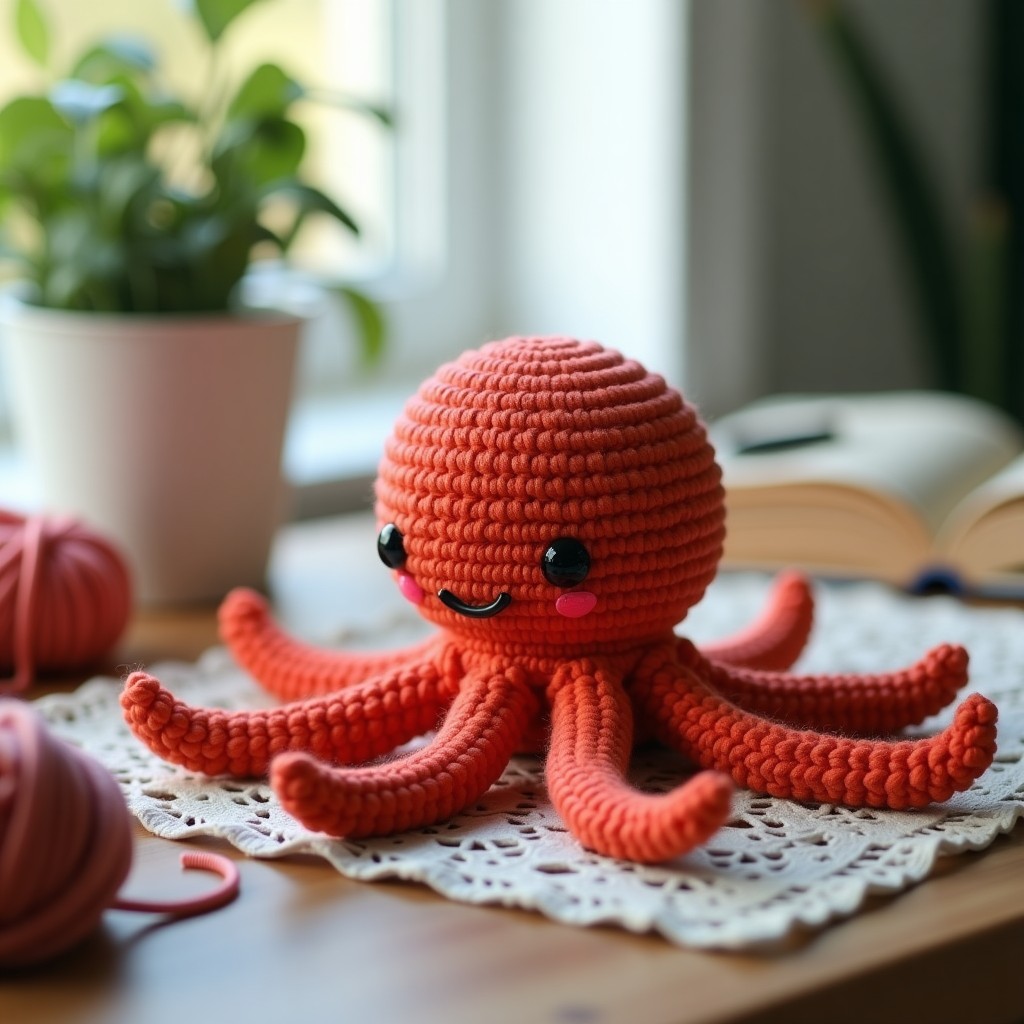
There is something undeniably charming about an amigurumi sea creature, and the octopus sits at the top of that list. Every little octopus has its own personality, especially once you add safety eyes, a sweet little smile, and those iconic curling tentacles. These adorable makes are popular as baby gifts, nursery decorations, and market-bag companions. They work up quickly, use very little yarn, and are forgiving enough for confident beginners. If you are just getting started with amigurumi, be sure to check out our guide on how to crochet for beginners before diving in.
According to a survey by the Craft Yarn Council, amigurumi has seen a 40% rise in popularity over the past five years, making it one of the fastest-growing segments in the fiber arts world. An octopus is a fantastic entry point into that trend.
Materials You Will Need
Gathering the right supplies before you begin ensures a smooth and enjoyable experience. Here is what you will need to complete your amigurumi octopus:
- Yarn: Worsted-weight cotton or acrylic yarn in your favorite colors. Choosing the best yarn for beginner crochet is essential, so opt for a smooth, easy-to-work-with fiber.
- Crochet hook: A 3.5 mm (E-4) or 4.0 mm (G-6) hook works well for worsted weight.
- Safety eyes: 6 mm or 8 mm plastic safety eyes with washers (or embroidery thread if you prefer embroidered features).
- Stuffing: Polyester fiberfill for a plush, squishy finish.
- Tapestry needle: For weaving in ends and sewing pieces together.
- Stitch marker: To keep track of your rounds.
Want a quick refresher on the stitches you will use? Review our single crochet stitch tutorial, it is the foundation of almost every amigurumi piece you will ever make.
💡 Pro Tip: When choosing yarn colors for your amigurumi, consider using a variegated or self-striping yarn for the tentacles. The color changes happen automatically and give your finished piece a playful, eye-catching look without any extra effort on your part.
Crochet Octopus Body: Step by Step
The body of your amigurumi is worked in continuous rounds, starting from the top of the head. Here is a simplified outline of the process:
- Round 1: Make a magic ring and crochet 6 single crochet (sc) stitches into it. Pull the ring closed and place a stitch marker in the first stitch.
- Rounds 2-5: Increase evenly in each round (12, 18, 24, 30 stitches) until the head reaches the desired width.
- Rounds 6-12: Work even in sc without increasing to build the height of the head.
- Rounds 13-15: Begin decreasing (sc2tog) in each round to shape the narrow neck area.
- Fasten off: Leave a long tail for sewing later.
If you run into unfamiliar abbreviations while following patterns, our crochet abbreviations for beginners guide is a handy reference to keep bookmarked.
Perfecting the Tentacles on Your Crochet Octopus
The tentacles are what give each octopus its signature look, and there are a few popular techniques to achieve that wonderful curly effect:
The Chain Method
This is the simplest approach. Chain 15-20 stitches, then work back along the chain with 2 or 3 sc in each chain stitch. The extra stitches force the tentacle to curl naturally. Make 8 tentacles and attach them evenly around the opening of the body.
The Spiral Method
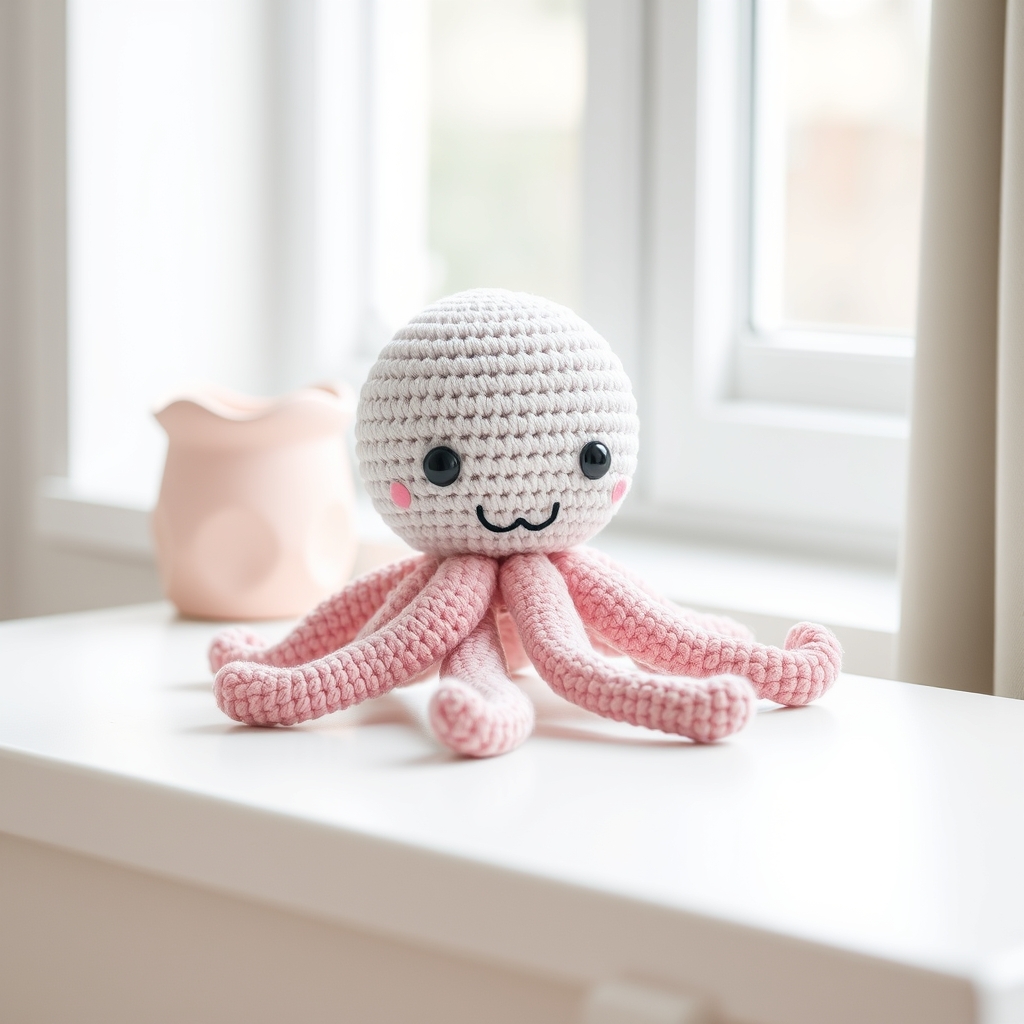
For more definition, begin each tentacle with a magic ring of 4 sc. Work 2 rounds even, then make 2 sc in every stitch for 3 more rounds. The rapid increases create a tight, beautiful spiral curl that looks stunning in contrasting colors.
Each tentacle gives your project character, so do not worry if they are not perfectly uniform, slight variations make the finished piece feel handmade and full of charm.
What Safety Guidelines Should You Follow When How to Crochet an Octopus: Easy Amigurumi?
Safety eyes are the quickest way to bring your amigurumi to life. Simply push the eye stems through the fabric between rounds 8 and 9 (where the head is at its widest), and snap the washers on the inside. If you are making this for a child under three, embroider the eyes instead for safety.
When it comes to stuffing, less is more at first. Add small amounts of fiberfill gradually, packing it firmly around the eye backs and in the head, but keeping the neck area softer. Proper stuffing makes your octopus hold its shape beautifully without looking lumpy.
What Are the Best Tips for the Best Crochet Octopus?
Here are a few final pointers to improve your next amigurumi octopus project:
- Use a beginner-friendly pattern with a detailed round-by-round count to avoid confusion.
- Count your stitches at the end of every round, amigurumi mistakes compound quickly if left unchecked.
- Block your finished piece lightly by steaming it to even out any tension issues.
- Experiment with different facial expressions by varying the placement of the safety eyes.
For further amigurumi inspiration, browse community galleries on sites like Ravelry, where thousands of crafters share their creative piece variations.
Frequently Asked Questions
How long does it take to make a crochet octopus?
Most crafters can complete a standard-sized project in about two to four hours. If you are a confident beginner, plan for a relaxed afternoon with plenty of breaks.
What size hook is best for a crochet octopus?
A 3.5 mm or 4.0 mm hook paired with worsted-weight yarn produces an amigurumi that is roughly 5 to 7 inches tall, which is a great size for gifts and display.
Can I sell crochet octopus amigurumi at craft fairs?
Yes, as long as you are using a pattern with a commercial license or designing your own. Always check the designer’s terms before selling items made from someone else’s pattern.
What is the best stuffing for a crochet octopus?
Polyester fiberfill is the most common and affordable choice. For a heavier, more lifelike feel, you can blend fiberfill with small glass beads or plastic pellets in the base of the tentacles.
Do I need to know any advanced stitches?
Not at all. The entire project relies on the single crochet stitch, increases (2 sc in one stitch), and decreases (sc2tog). If you can master those basics, you can absolutely make a beautiful octopus.
What Are the Best Yarn Colors for a Crochet Octopus?
Color choice makes a huge difference when you crochet an octopus. The classic crochet octopus features a bold body color with lighter or darker tentacles. Here are some color combinations that work beautifully for amigurumi octopus projects.
Bright pink with light pink tentacles is the most popular and iconic colorway for crochet octopuses. This cheerful combination is the standard for the Octopus for a Preemie project and looks absolutely adorable. The contrast between the bright body and softer tentacles adds depth and dimension.
Purple with lavender tentacles creates a regal, whimsical look. Deep purple for the head with lighter lavender tentacles gives the octopus a dreamy, ocean-fantasy quality that children and adults both love.
Teal and mint green is a refreshing, ocean-inspired combination that feels modern and unique. A bright teal head with soft mint tentacles evokes the colors of tropical waters and looks stunning as nursery decor.
Neutral tones like cream, beige, and soft gray work beautifully for a more sophisticated, non-gendered aesthetic. A cream body with light tan tentacles creates a gentle, calming piece that fits easily into any home decor style.
For a playful approach, try multicolored tentacles. Use three or four different colors within the tentacles to create a rainbow octopus. This technique is especially popular for children’s toys and makes the project even more fun to make and display.
How Do You Crochet Curly Tentacles That Look Great?
The tentacles are the most distinctive feature of any octopus, and getting the curl right makes a big difference in the finished result. The curl comes naturally from working a long chain and then filling it with stitches that cause the strip to spiral.
Start by chaining 20 to 25 stitches for each tentacle. Then work the first round with two single crochet stitches in each chain, which doubles the stitch count and forces the strip to curl inward. Continue with one single crochet in each stitch for two more rounds to build the tube.
The key to consistent curls is maintaining even tension across all eight tentacles. If one tentacle is tighter or looser than the others, it will curl differently and the octopus will look unbalanced. Work all tentacles in one sitting if possible so your hand tension stays consistent.
For extra curly tentacles, add a third increase round. For looser, wavy tentacles, reduce the number of increases in the first round. Experiment with a single tentacle first to find the curl intensity you like, then replicate it for all eight.
What Are the Most Common Mistakes When Making a Crochet Octopus?
- Tentacles are different lengths: Uneven tentacles make the octopus look lopsided. Count your rounds carefully for each tentacle and measure the finished length against the first tentacle you made. Consistent counting prevents length discrepancies.
- Head is overstuffed and round: A perfectly round head looks more like a ball than an octopus. The head should be slightly taller than it is wide, with a gentle egg shape. Add less stuffing to the top of the head and slightly more to the bottom to create this natural elongation.
- Tentacles curl in different directions: If some tentacles curl clockwise and others curl counterclockwise, the octopus looks messy. All tentacles should curl in the same direction, typically inward toward the face. The direction is determined by whether you are right-handed or left-handed and how you hold the work while stitching.
- Face features are placed too low or too high: The eyes and mouth should be positioned on the lower third of the head, roughly one-third of the way up from the bottom edge. Features placed too high give the octopus a startled expression, while features too low get hidden by the tentacles.
How Can You Customize Your Crochet Octopus?
Once you have the basic little octopus pattern mastered, there are endless ways to personalize your creation:
Give your octopus accessories like a tiny crochet hat, a bow tie, or a pair of round glasses. A small sailor hat made from navy blue and white yarn turns your octopus into a nautical character. A little beret in a contrasting color adds a French-inspired touch of personality.
Vary the tentacle style for different looks. Instead of the standard curled tentacles, try straight tentacles for a more realistic squid-like appearance, or make extra-long spiraling tentacles for a cartoonish, playful character. Short, stubby tentacles create a completely different look that some crafters prefer for baby toys.
Create a size set by using different hook sizes and yarn weights. Make a giant octopus with chunky yarn and a 6.0 mm hook for a large pillow. Use the standard pattern for a medium-sized toy. Then switch to a 2.5 mm hook and fingering weight yarn for a miniature keychain octopus. A family of octopuses in graduated sizes looks wonderful displayed together.
Embroider patterns on the tentacles. Tiny hearts, stars, or dots along the outer curve of each tentacle add a whimsical, designer touch. Use a contrasting yarn color and keep the embroidery simple so it does not overwhelm the overall design.
How Should You Care for Your Crochet Octopus?
Proper care keeps your octopus looking wonderful for years. Display it away from direct sunlight to prevent yarn fading. If the octopus collects dust, gently brush it with a soft clean toothbrush or use a lint roller to lift away particles.
For deeper cleaning, hand wash the octopus in cool water with a mild detergent. Do not wring or twist the fabric. Gently squeeze out excess water and roll the octopus in a clean towel to absorb additional moisture. Reshape the head and tentacles while damp, then lay the piece flat to dry completely.
If your octopus was made for a baby or young child, wash it regularly to keep it hygienic. Machine washable yarns make this much easier. Place the octopus in a mesh laundry bag on the gentle cycle with cold water, then air dry. Avoid the dryer, which can shrink, felt, or distort the crochet fabric and loosen the stuffing.
When storing your octopus long-term, place it in a breathable cloth bag or box. Avoid plastic bags, which can trap moisture and lead to mildew. Stuffing the tentacles loosely with tissue paper before storage helps them maintain their curl and shape until you are ready to display the octopus again.
If you enjoyed this guide, you might also love our tutorial on Crochet Lace Top Free Pattern. Each one comes with free patterns and step-by-step instructions suited to crocheters of all skill levels.