Solid Granny Square Pattern: 3 Easy Size Ideas
Solid Granny Square Pattern at a Glance
- Topic: solid granny square pattern
- Skill level: Beginner-friendly
- Main goal: crochet a classic granny square with no gaps between stitches
- Related topics: granny square blanket, corner-to-corner crochet, beginner crochet squares
Quick Answer
Solid Granny Square Pattern — A solid granny square pattern creates a dense, gap-free version of the traditional granny square by working stitches into every available space instead of skipping chain corners. The result is a sturdy, modern-looking square. Tip: Use a stitch marker at the beginning of each round to keep your place.
\nAt a Glance
- Skill level: Beginner-friendly
- Time needed: 20–30 minutes per square
- Best yarn: Worsted-weight cotton or acrylic
- Hook size: 5.0 mm (H-8)
Common Mistakes → Quick Fixes
- Losing stitch count in corners: Count the stitches in each corner cluster after every round.
- Accidentally increasing or decreasing: Place a stitch marker at the start of each round and count your total stitches.
Mini Glossary
CH — chain; DC — double crochet; SP — space; SL ST — slip stitch.
 KnotToYarn
Subscribe to KnotToYarn!
Get the best free crochet patterns, tutorials & tips delivered straight to your inbox. Join our growing community!
Solid Granny Square Pattern at a glance
- Topic: solid granny square pattern
- Skill level: beginner
- Main goal: help the reader complete the technique, fix common mistakes, and know the next useful crochet step
- Related topics: crochet hooks, yarn choice, pattern reading, tension, stitch control
What you will learn?
- the quick answer
- why beginners struggle
- step-by-step fixes or methods
- common mistakes
- helpful next steps
# Solid Granny Square Pattern (Beginner-Friendly + Easy to Scale)
If you want a crochet project that teaches foundational skills without feeling boring, this solid granny square pattern is one of the best places to start. It is quick, flexible, and useful in a way that very few beginner projects are. Once you understand the shape and rhythm of one square, you can use the same logic to make blankets, bags, cardigans, cushion covers, and all kinds of patchwork-style crochet pieces.
What makes this version especially beginner-friendly is that it uses a simple chain start instead of a magic circle. That means complete beginners can focus on building the square shape cleanly without first having to master a trickier center-start technique. The square still looks neat, but the setup feels much less intimidating.
- Solid Granny Square Pattern at a glance
- What you will learn
- Why a solid granny square pattern is so useful for beginners
- What you need for this solid granny square
- Abbreviations used in the pattern
- Special stitches and the corner trick explained simply
- Getting started: slip knot and foundation chain
- Round 1: building the first square shape
- How to keep your square neat while you work
- Why the hdc corner trick is worth learning
- How to make the solid granny square bigger
- Common beginner mistakes and how to avoid them
- What to make once you master one solid granny square
- FAQ
- Final thoughts on this solid granny square pattern
- Next steps
- Related beginner-friendly guides
- Bottom line
- Solid Granny Square Pattern reference
- Solid Granny Square Pattern tips
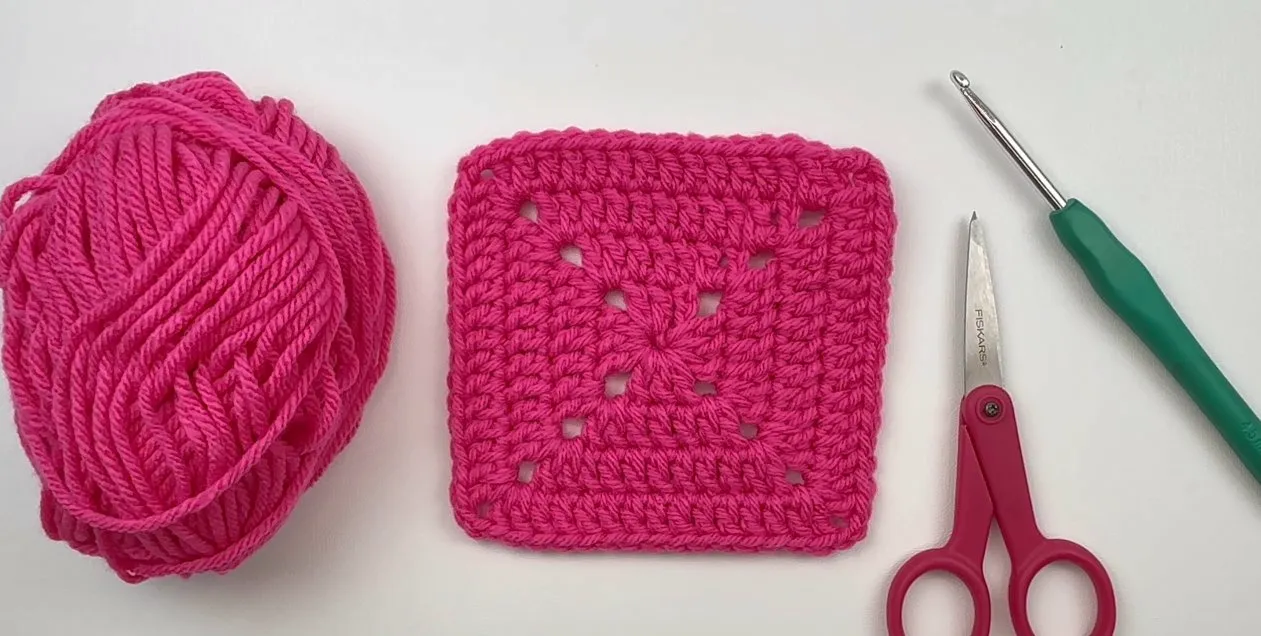
Why a solid granny square pattern is so useful for beginners?
A solid granny square pattern is a great learning project because it gives you fast visual feedback. Every new round shows whether your corners are opening correctly, whether your edges are staying straight, and whether your stitch count is still on track. That is incredibly useful for beginners because mistakes do not stay hidden very long.
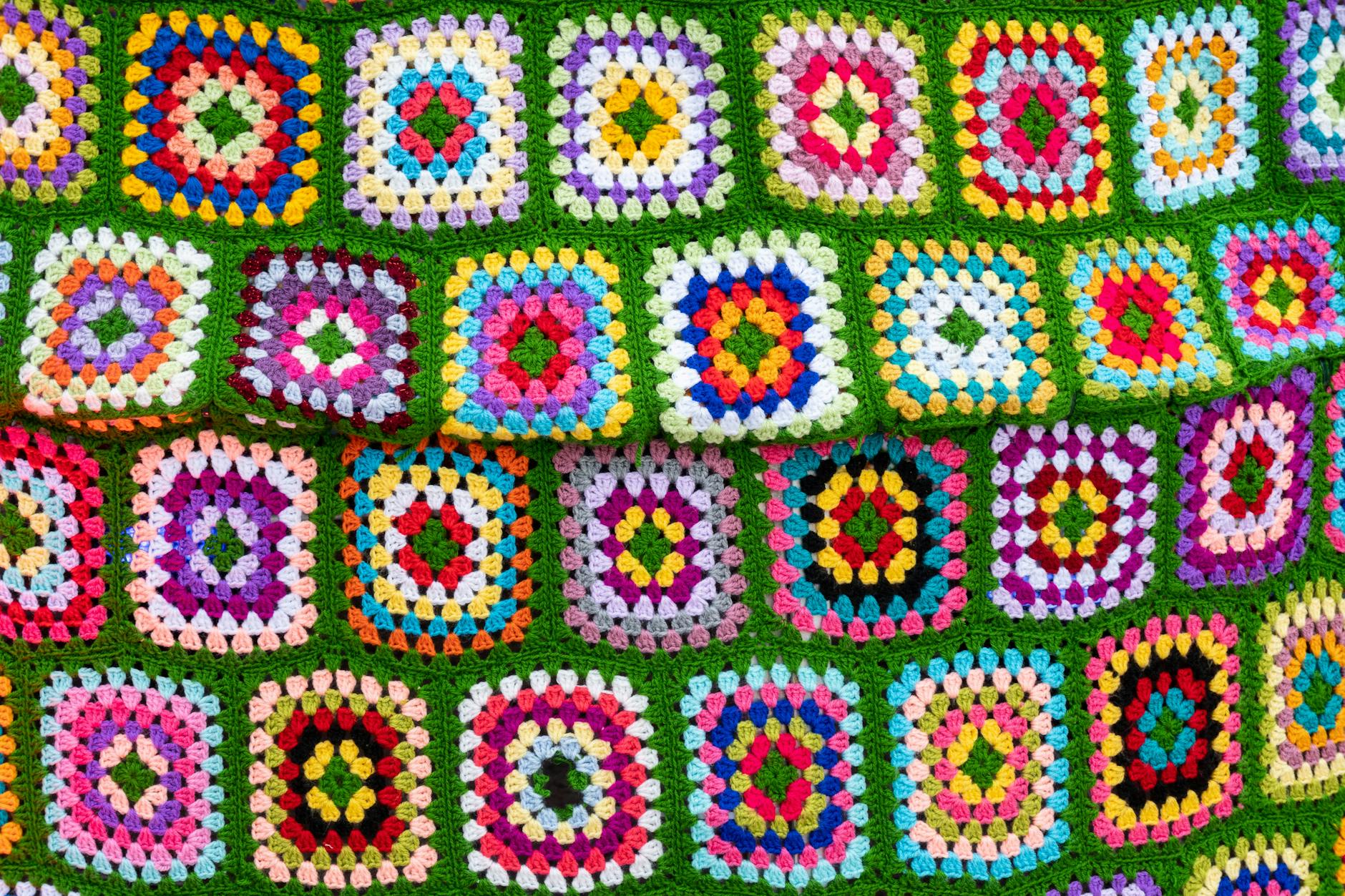
It is also more versatile than many people realize. Once you make one good granny square, you are not just learning a single project. You are learning a building block. That means the effort you put into understanding this pattern keeps paying off later when you move into larger crochet pieces.
What Materials Do You Need for this solid granny square?
This pattern is refreshingly simple when it comes to supplies. You do not need a complicated yarn setup, multiple specialty tools, or a strict gauge target to get started.
You will need:
- Worsted weight acrylic yarn in any color you like
- 4.5 mm crochet hook
- Scissors
- Tapestry needle
The pattern is adjustable, and the gauge is not critical, which takes a lot of pressure off beginners. That means you can focus on the structure of the square and the feel of the stitches rather than obsessing over hitting an exact measurement from the very first attempt.
How Do You Abbreviations used in the?
These are the abbreviations used in the PDF instructions:
- ch = chain
- sl st = slip stitch
- dc = double crochet
- hdc = half double crochet
- yo = yarn over
- st(s) = stitch(es)
- sp = space
- rep = repeat
- rnd = round
- ch-sp = chain space
- RS = right side
- beg = beginning
If you are still getting used to reading crochet abbreviations, keep this list nearby the first time you work through the pattern. After a round or two, most of these will start feeling familiar.
How Do You Special stitches and the corner trick explained simply?
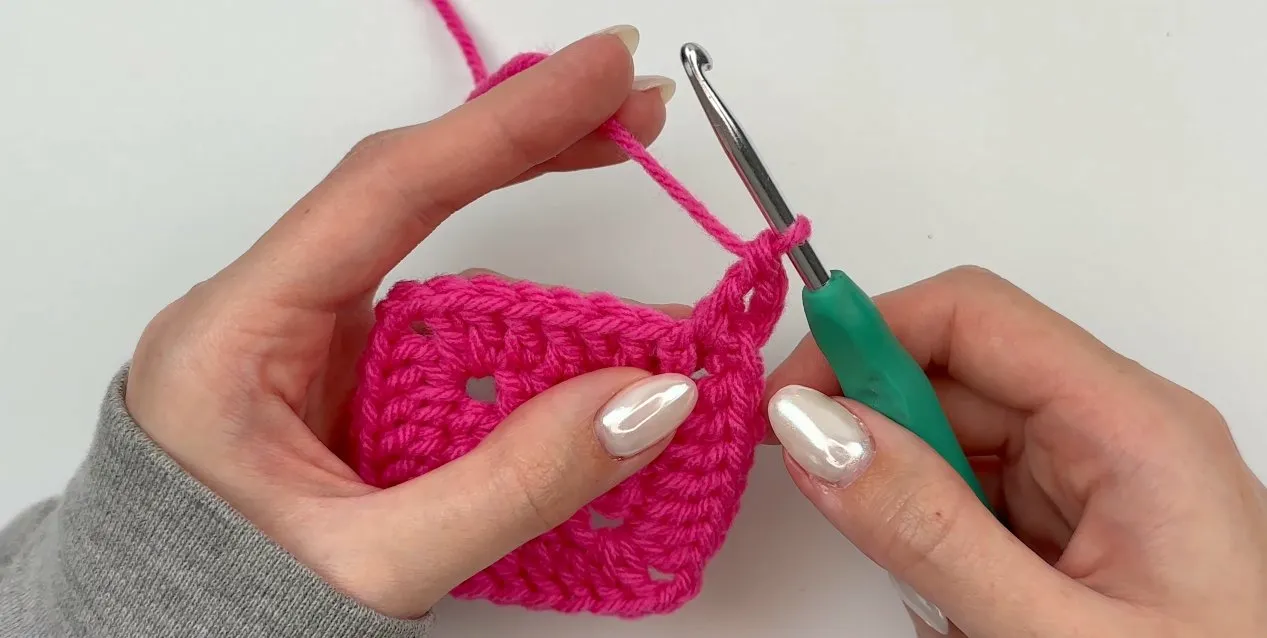
This solid granny square uses very standard stitches, but one technique makes this version look especially neat: the final corner uses hdc instead of ch-2. That sounds like a small detail, but it helps the square stay cleaner and more polished at the join.
The ch-3 at the beginning of each round counts as one double crochet throughout the pattern. At the end of the round, instead of making a ch-2 for the final corner, you work one half double crochet into the top chain of the starting ch-3. That hdc creates the same functional space as a chain corner, and it helps keep the square more gap-free and visually balanced.
How Do You Get Started?
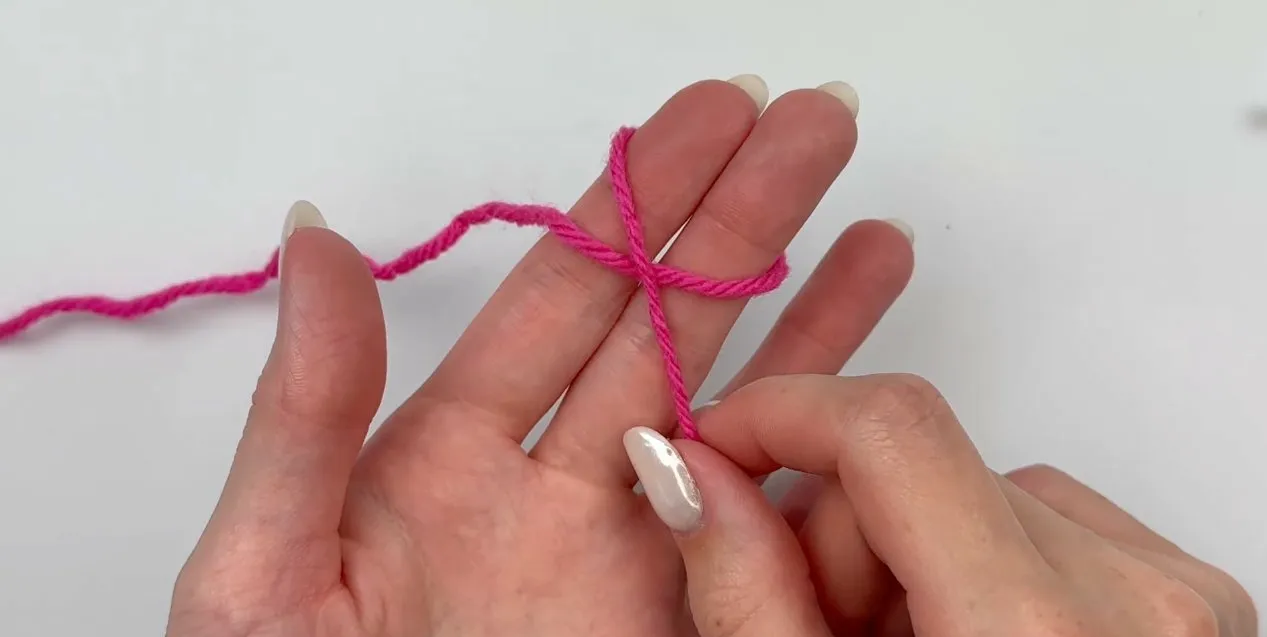
The pattern begins with a slip knot and a short chain start. This is one reason it feels so approachable for beginners. You are not dealing with a magic circle or trying to keep a fragile loop under control from the start. Instead, you begin with a basic chain setup and join it into a ring.
First, make a slip knot and place it on your hook. Then chain 4. These four chains create the center ring of the square. After that, join the final chain back to the first chain with a slip stitch to form the ring. Before you join, check that the chain is not twisted. That tiny check prevents unnecessary confusion in the first round.
How Do You Round 1: building the first square shape?
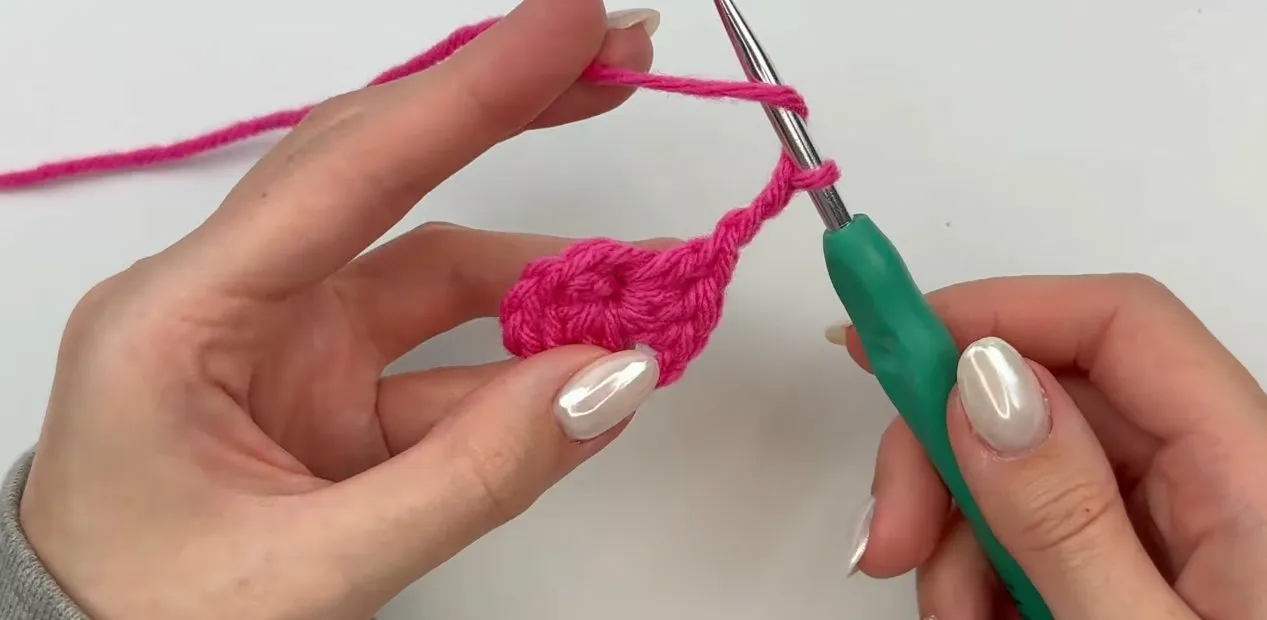
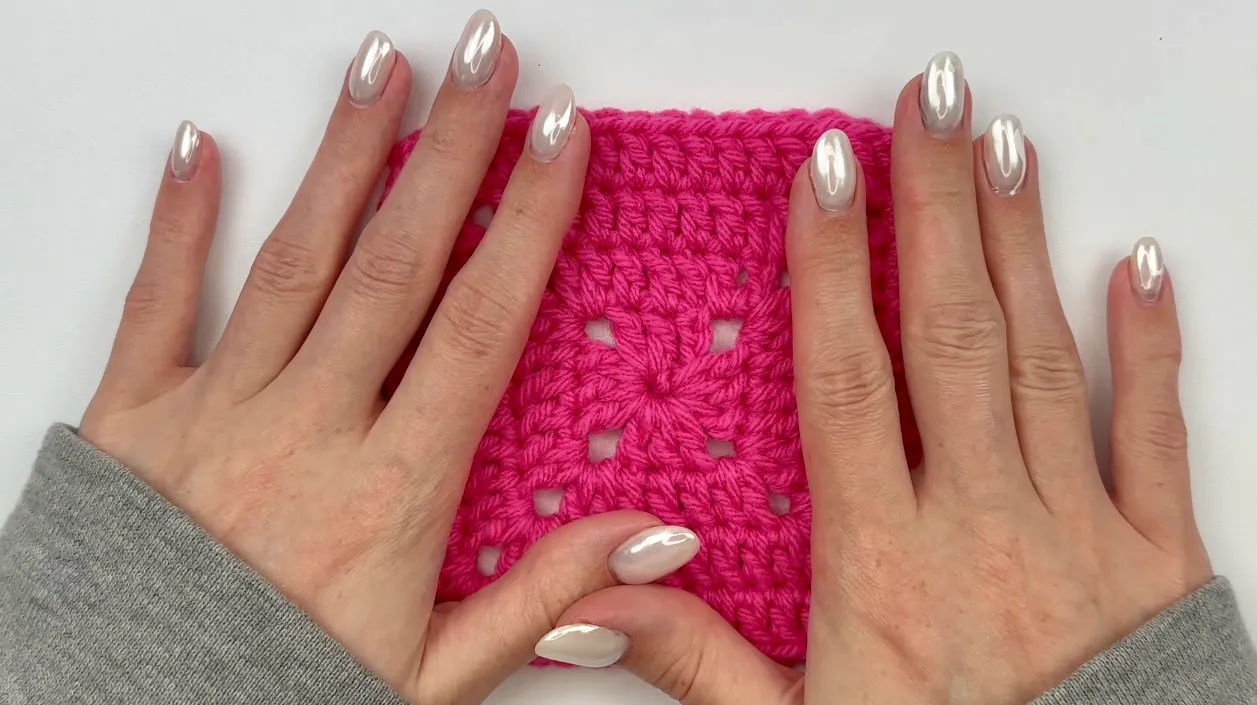
All stitches in Round 1 are worked into the center of the ring rather than into the individual chains. That detail matters, because beginners sometimes start placing stitches into the chain tops, which changes the whole look of the square and makes the center much less tidy.
Start with ch 3, which counts as your first double crochet. Then work 2 dc into the center ring. At that point, you have the first cluster of 3 double crochet stitches if you count the starting chain.
Next, ch 2 to form the first corner space. Then make 3 dc into the center again. Continue that pattern until you have four clusters of 3 dc, with a corner space between each one. This first round creates the base structure of the square, so it is worth slowing down and making sure each side and corner looks balanced.
For the final corner, instead of chaining 2, work 1 hdc into the top chain of the starting ch-3. This hdc acts as the final corner space and helps the round look more finished.
How to keep your square neat while you work?
A lot of beginners can crochet the stitches themselves, but the square still ends up looking loose, skewed, or strangely uneven. Usually the problem is not the basic stitch. It is the way the corners and turning logic are being read.
The easiest way to stay on track is to stop at the end of each round and check for four clear corners. If one corner looks too tight or too open compared with the others, fix it immediately before moving on. Granny squares are forgiving, but they also show imbalance very quickly, which makes frequent checks especially helpful.
Another helpful habit is pushing your stitches gently along the center ring during Round 1 so there is enough room for all of them. Beginners often think the stitches will not fit, but they usually do once you nudge them into place with a little patience.
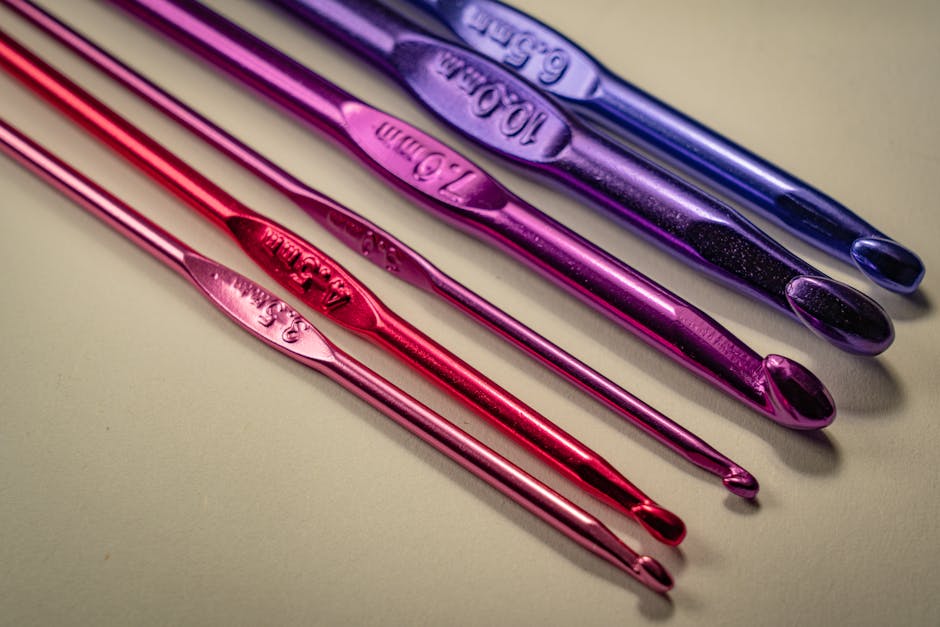
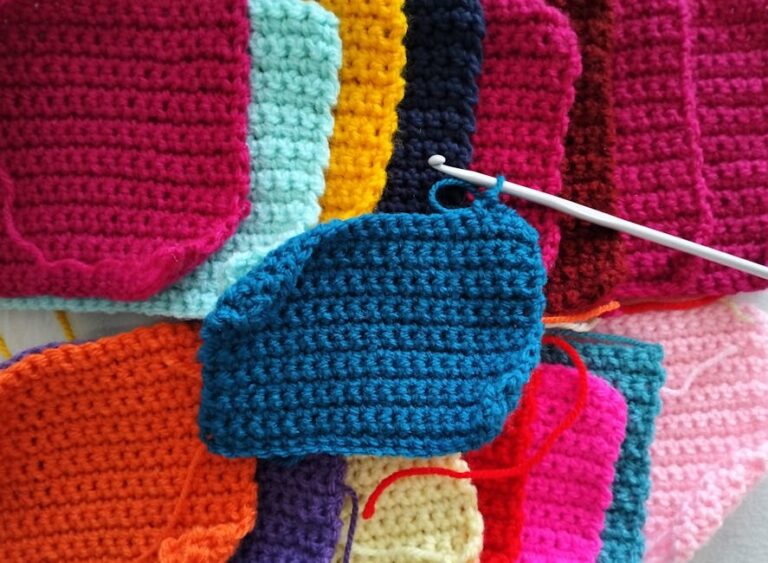
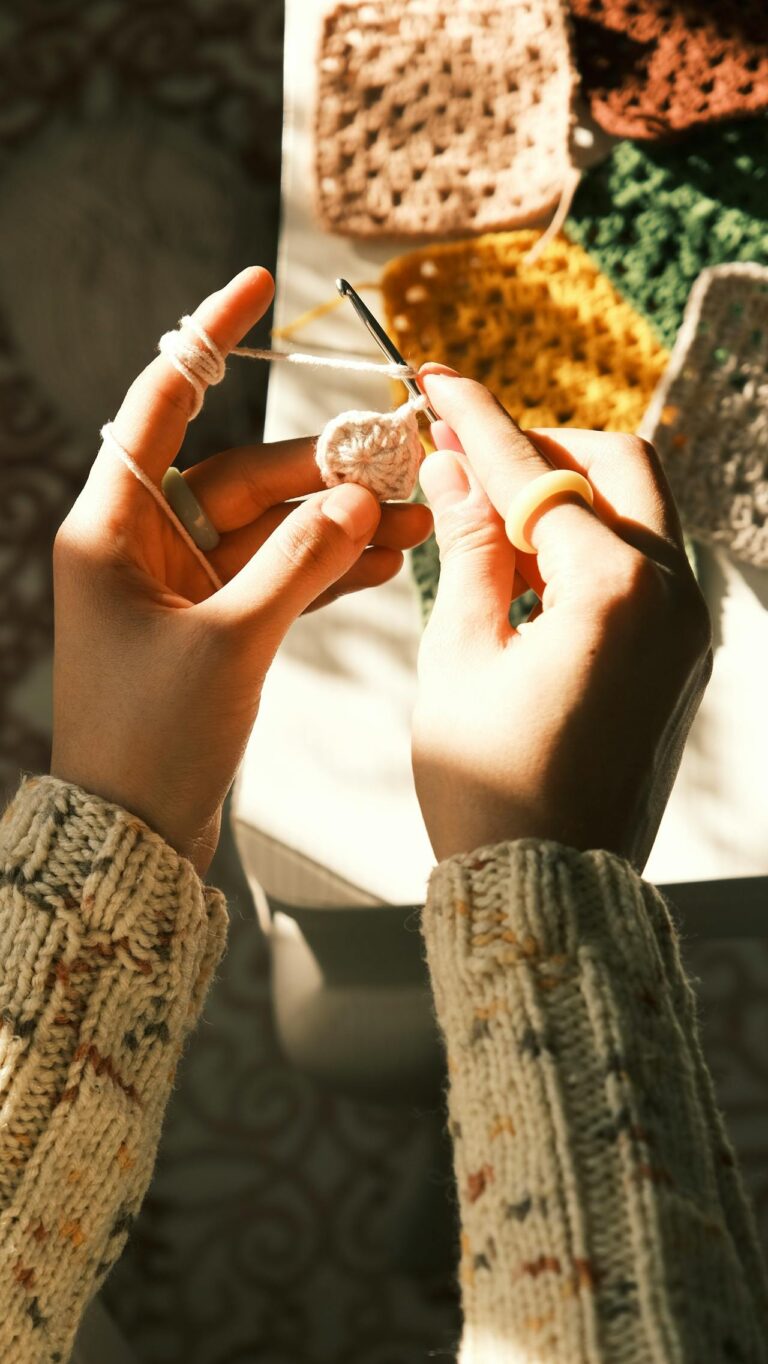
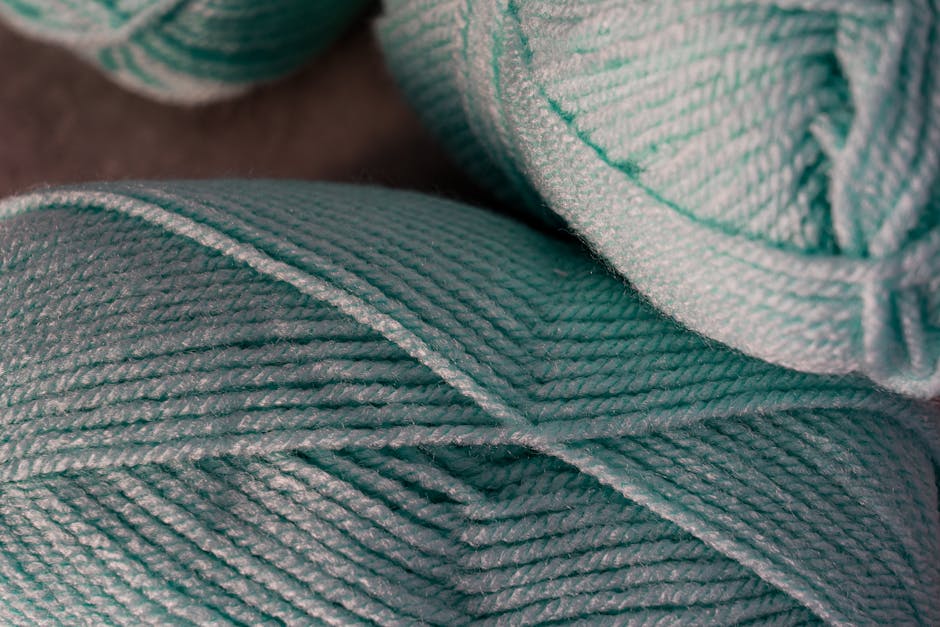
The image above illustrates this pattern step in detail.
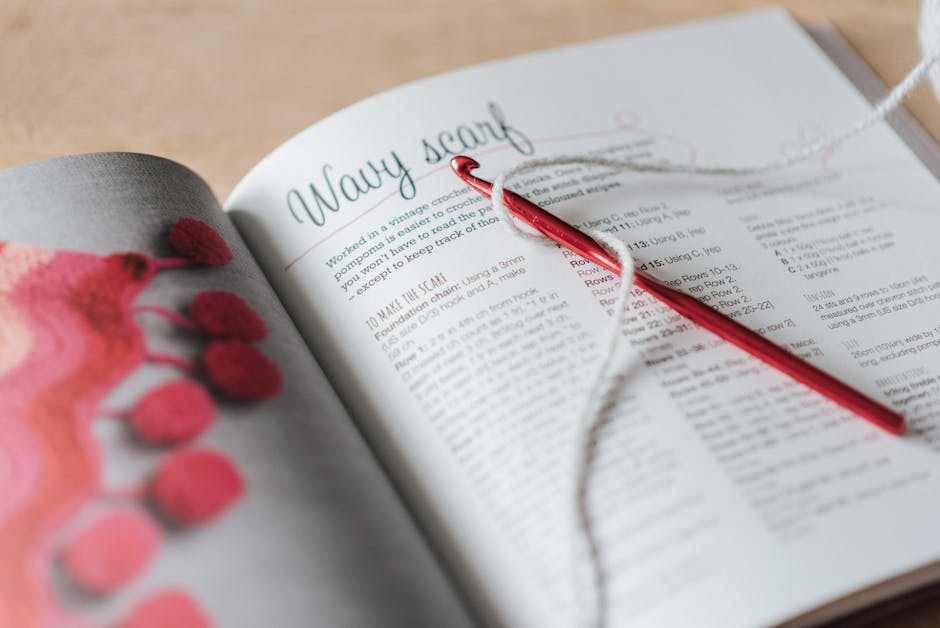
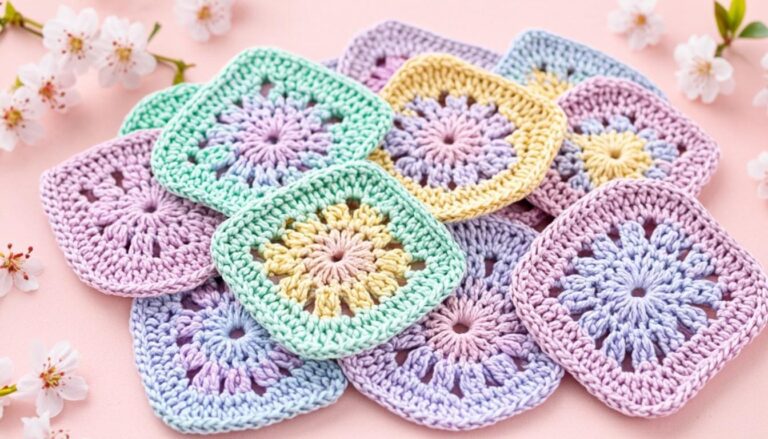
Here you can see how the stitch work comes together in this section.
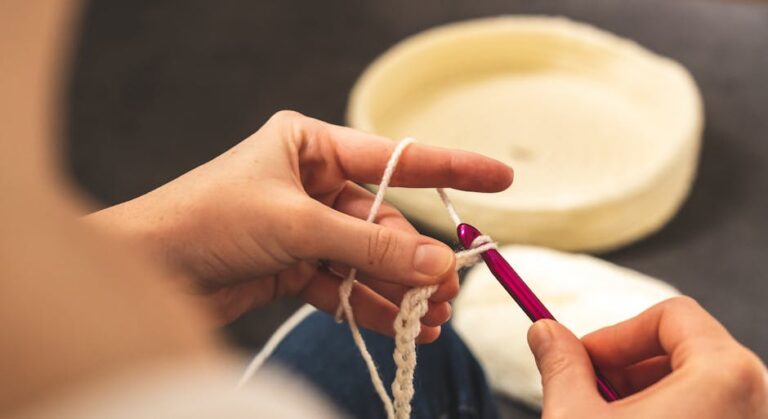
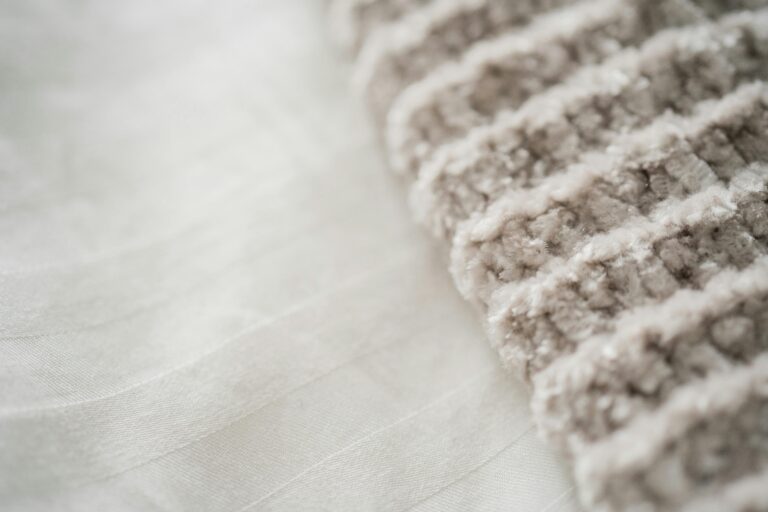
This close-up shows the texture and technique used for this design.
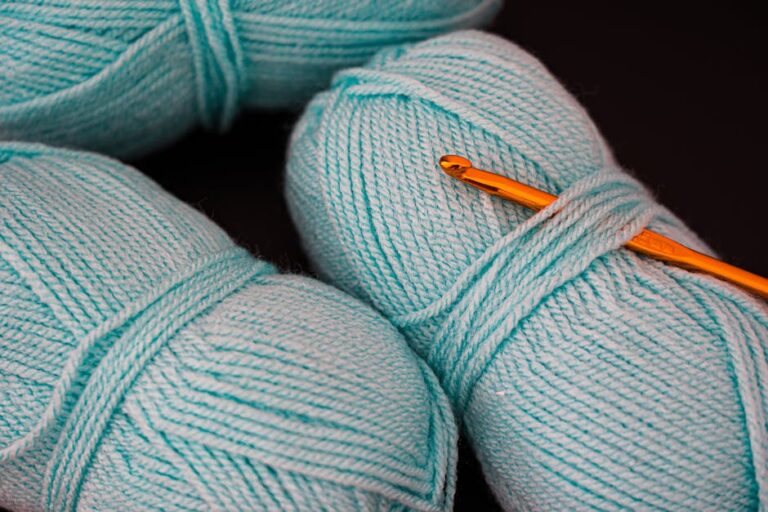
Notice the color transitions and stitch definition shown above.
Why the hdc corner trick is worth learning?
The hdc corner trick is one of those small adjustments that can make your crochet look more polished without making the pattern harder. Instead of leaving a larger chain gap at the join, the half double crochet creates a cleaner transition that still leaves the space you need for the next round.
That means the square looks a little more seamless, especially if you plan to make many squares and join them together in a larger project. Small neatness improvements matter more when repeated across dozens of motifs, so it is worth learning the trick now rather than ignoring it.
How to make the solid granny square bigger?
One of the best things about a solid granny square pattern is that it is infinitely scalable. Once you understand the corner structure, you can keep adding rounds until the square reaches the size you want. That makes the pattern ideal for both quick practice squares and larger finished projects.
If you only want a small motif, stop after a few rounds. If you want a cushion front, bag panel, baby blanket, or even a cardigan component, keep going. The square grows with your project goals, and that flexibility is exactly why granny squares remain such an iconic beginner crochet format.
How Can Beginners Master Common beginner mistakes and how to avoid them?
One of the most common mistakes is forgetting that the starting ch-3 counts as one double crochet. That throws off stitch counts and can make the square look unbalanced very quickly. If your counts seem wrong, that is the first thing to check.
Another issue is misunderstanding where the first double crochet of the next round should go. In this pattern, the first dc of the new round goes into the space created by the hdc from the previous round, not into a regular stitch top. Missing that detail can make the edges and corners look strange.
Beginners also sometimes join the foundation chain while it is twisted. That makes the center ring awkward from the start and can affect the rest of Round 1. The easiest fix is simply to pause before the slip stitch join and make sure the chain is lying flat.
What to make once you master one solid granny square?
The beauty of this pattern is that one square can lead to so many other projects. You can use it as a coaster, a small decorative patch, or a practice sample. But once you make a few of them consistently, you can start joining them into larger designs such as blankets, patchwork tote bags, pillow covers, and wearable crochet pieces.
That is why this pattern is more than just a beginner exercise. It becomes part of your long-term crochet toolbox. Many larger projects are simply combinations of smaller motifs, and the solid granny square is one of the most adaptable motifs you can learn.
What Is FAQ?
Is this solid granny square pattern good for complete beginners?
Yes. This version is especially beginner-friendly because it uses a simple chain-ring start instead of a magic circle. That makes the setup easier, and the round structure is repetitive enough that it becomes clearer very quickly.
Why is my granny square not looking square?
Usually that happens because the corners are not being worked consistently or because the stitch count is drifting. Check that each round has four defined corners and that the starting ch-3 is being counted properly.
Can I use a different yarn weight?
Yes, but your hook should match the yarn weight. The overall look and size of the square will change, but the structure of the pattern still works.
What is the easiest way to make the square larger?
Just keep repeating the round logic and adding new rounds until you reach the size you want. That is what makes this pattern so useful for different projects.
How Do You Final thoughts on this solid granny square?
A solid granny square pattern is one of the smartest crochet foundations a beginner can learn because it teaches rhythm, corners, counting, and shaping in a way that stays manageable. It is simple enough to repeat, but useful enough to keep showing up in bigger and more exciting projects later.
KnotToYarn
Subscribe to KnotToYarn!
Get the best free crochet patterns, tutorials & tips delivered straight to your inbox. Join our growing community!
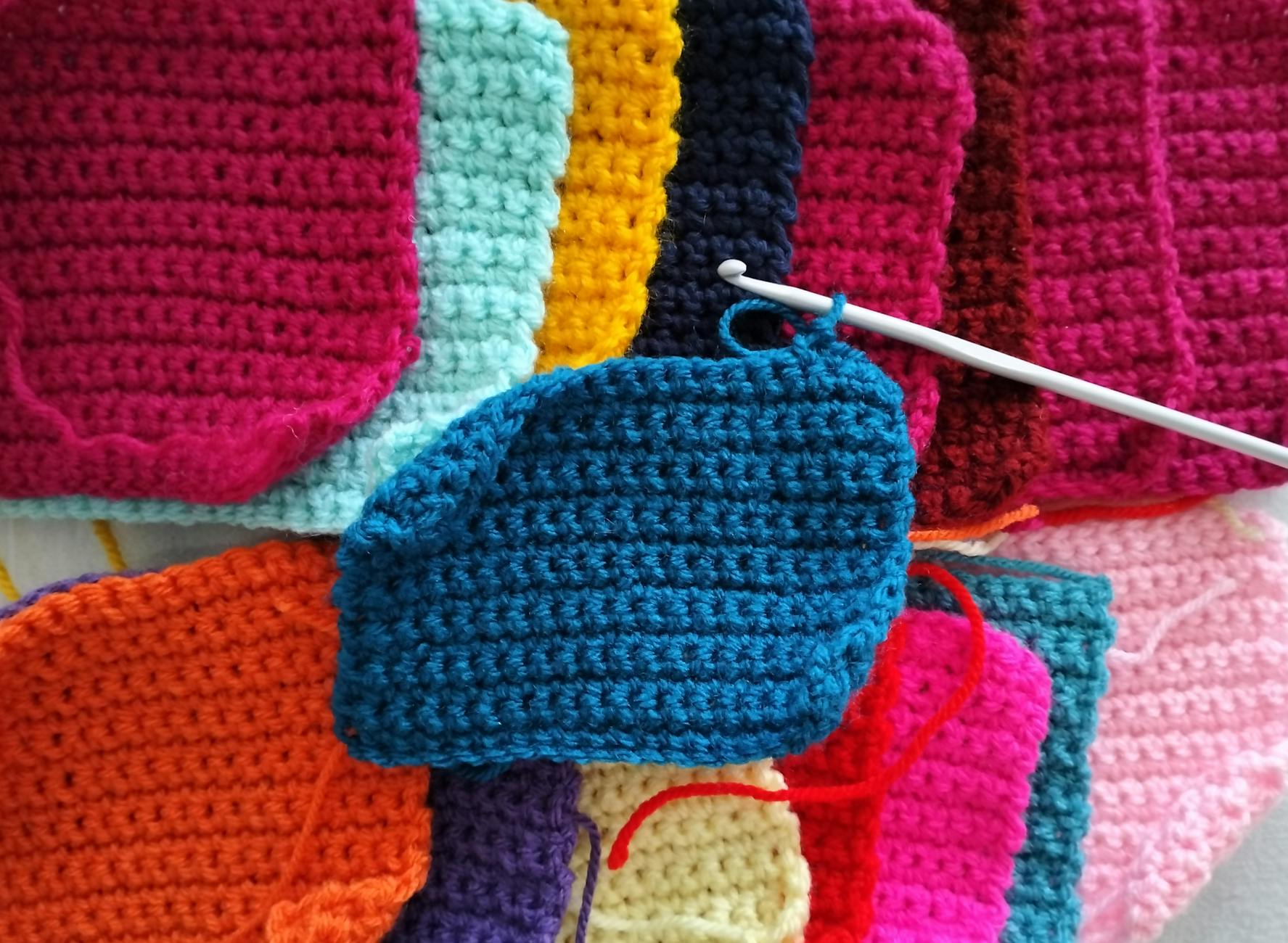
If you want one technique that opens the door to blankets, bags, patchwork wearables, and decorative crochet pieces, this is it. The square may look basic, but once you make a few of them neatly, you start to understand why it remains one of the most loved crochet building blocks.
What Is Next steps?
If you want to keep building on this skill, your best next move is to make several squares in a row and compare how your corners, tension, and joins improve. Repetition is what makes granny squares feel automatic.
This solid granny square pattern tutorial is especially useful for beginners because it teaches corners, stitch counting, and repeat-based crochet structure in a way that can be reused far beyond a single square. Once you understand this solid granny square pattern clearly, it becomes much easier to build larger patchwork projects with confidence.
This solid granny square pattern tutorial is especially useful for beginners because it teaches corners, stitch counting, and repeat-based crochet structure in a way that can be reused far beyond a single square. Once you understand this solid granny square pattern clearly, it becomes much easier to build larger patchwork projects with confidence.
How Can Beginners Master Related beginner-friendly guides?
What Is Bottom line?
If you want better results with solid granny square pattern, keep the setup simple, check the most likely cause first, and use one closely related crochet guide as the next step so your practice keeps building in the right direction.
How Do You Solid Granny Square reference?
For a reliable outside reference related to solid granny square pattern, review the Craft Yarn Council guide.
How Do You Solid Granny Square tips?
Use this section as a quick reminder of the practical details that matter most when working on solid granny square pattern.
Frequently Asked Questions
What is a solid granny square pattern?
A solid granny square pattern is a variation of the classic granny square where stitches are worked into every space, creating a dense fabric with no holes. It is ideal for blankets, bags, and other projects that need a sturdier texture.
Is a solid granny square pattern suitable for beginners?
Yes, the solid granny square is very beginner-friendly. If you already know the basic granny square, the solid version is a simple adjustment—just work into every space instead of skipping corners.
For contemporary designs, see our guide on modern granny square patterns with 7 gorgeous free designs.
If you hate seaming squares together, try our granny square join as you go tutorial for seamless results.
Want something different? Our granny square hexagon patterns create gorgeous honeycomb layouts.
Want something different? Our granny square hexagon patterns create gorgeous honeycomb layouts.
What materials do I need for a solid granny square pattern?
You need worsted-weight yarn in your preferred colors, a 5.0 mm (H-8) crochet hook, and a yarn needle for weaving in ends. Stitch markers are helpful but optional.
If you enjoyed this guide, you might also love our tutorials on Crochet Baby Lovey Patterns, Granny Square Bolero Patterns, and Granny Square Infinity Scarf Patterns. Each one comes with free patterns and step-by-step instructions perfect for crocheters of all skill levels.