Crochet Border Patterns: 7 Stunning Easy Edging Designs
Crochet Border Patterns at a Glance
- Topic: crochet border patterns
- Skill level: beginner to intermediate
- Main goal: help the reader choose and apply beautiful edging designs to finish crochet projects
- Related topics: blanket edging, scallop border, shell stitch border, picot edging, lace trim
Quick Answer
Crochet border patterns are decorative edging stitches added around the edges of blankets, scarves, and other projects to give them a polished, professional finish. At KnotToYarn.com, we believe the right border can transform any simple project into a stunning handmade piece worth showing off.
\nTip: Always work your border with the same yarn weight you used for the main project to keep the gauge consistent.
At a Glance
- Skill level: beginner to intermediate
- Time needed: 30 minutes to 2 hours depending on project size
- Best yarn: same weight as your main project (worsted, DK, or bulky)
- Hook size: same size used for main project or one size smaller for tighter edging
Common Mistakes → Quick Fixes
- Wavy borders: add fewer stitches per inch — skip every few stitches along the edge
- Curled edges: switch to a larger hook or add an extra chain between stitches
- Uneven spacing: place stitch markers evenly around the edge before starting your border
Mini Glossary
SC (single crochet), DC (double crochet), HDC (half double crochet), CH (chain), SL ST (slip stitch), SCALLOP (shell-shaped arc), PICOT (tiny decorative loop), SP (space), ST (stitch)
 KnotToYarn
Subscribe to KnotToYarn!
Get the best free crochet patterns, tutorials & tips delivered straight to your inbox. Join our growing community!
The right crochet border patterns can turn an ordinary blanket or scarf into something truly special. Whether you are finishing a granny square blanket or adding the final touch to a cozy wrap, choosing the perfect edging makes all the difference. In this guide, we will walk you through seven stunning designs that work beautifully on any project.
Why does Crochet Border Patterns matter?
A well-chosen border does more than just frame your work. It hides uneven edges, adds structure, and gives your project a clean, finished look. Many crocheters spend hours on the main body of a piece but rush the edging — and it shows. Learning a few reliable crochet border patterns ensures your finished projects always look polished and professional.
If you are new to finishing techniques, start by reviewing the basics of the single crochet stitch and the double crochet stitch, since these two stitches form the foundation of most edging designs.
How to Prepare Your Edges Before Adding a Border?
Before diving into decorative crochet border patterns, it is important to prep your edges properly. Uneven stitch counts along the sides of a blanket or scarf are one of the most common reasons borders turn out wavy or ruffled.
Start by working a single round of single crochet evenly around the entire edge of your project. Place approximately one single crochet stitch for each row along the sides and one stitch for each stitch across the top and bottom. This base round acts as a foundation and makes it much easier to attach any decorative border on top.
For detailed guidance on reading pattern instructions that accompany many edging designs, check out our guide on how to read a crochet pattern. The Craft Yarn Council also offers excellent resources on standard abbreviations and stitch techniques.
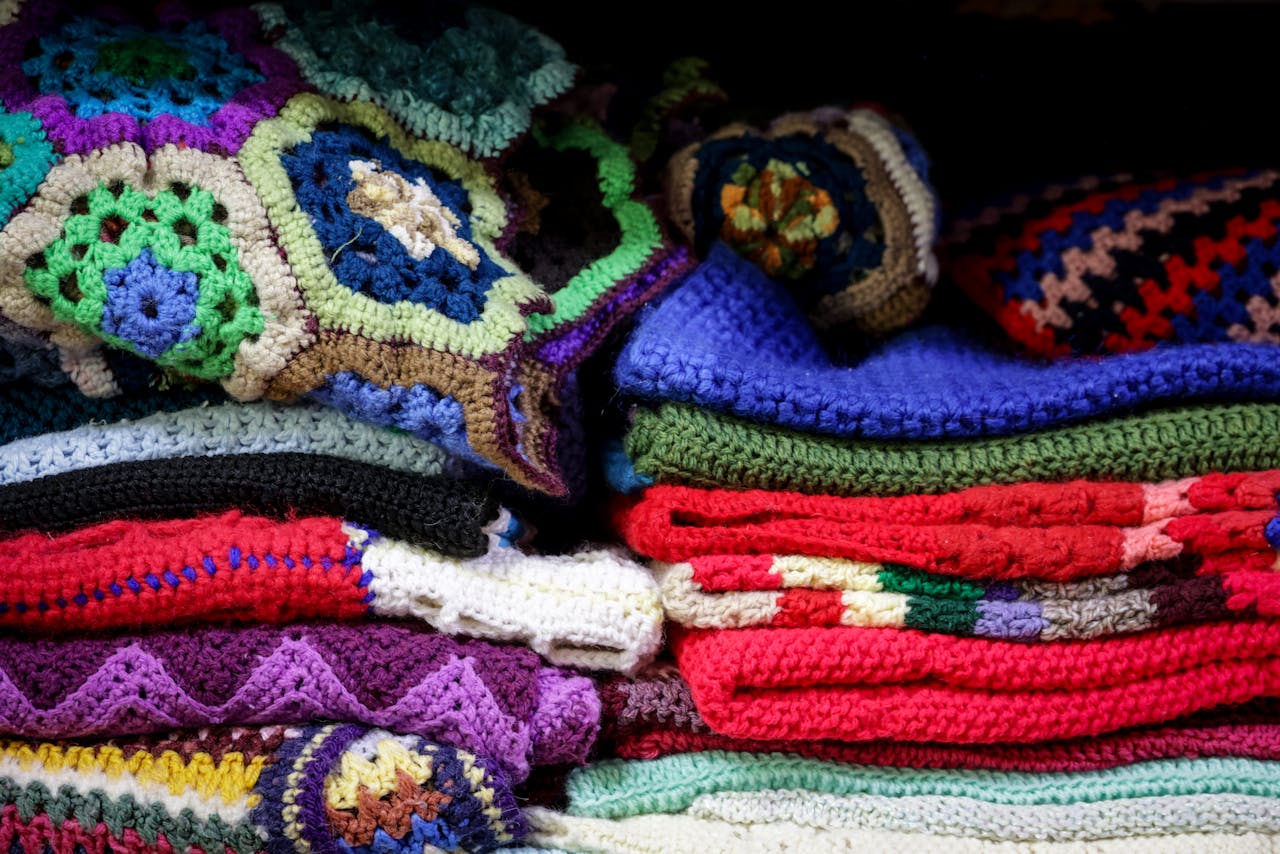
7 Stunning Crochet Border Patterns to Try
1. Simple Single Crochet Border
The simplest of all crochet border patterns is a basic single crochet edge. Just work one or two rounds of single crochet around the perimeter, and you already have a clean, neat frame. This is perfect for beginners who want a quick finish without complicated stitch combinations.
For a slightly more polished look, try working one round of single crochet followed by a round of reverse single crochet (also called the crab stitch). The reverse single crochet creates a corded, twisted edge that looks professional on crochet blankets and scarves alike.
2. Shell Stitch Border
The shell stitch border is one of the most popular crochet border patterns for a reason. It creates a beautiful scalloped edge using groups of double crochet stitches worked into the same stitch or space. A typical shell might be five double crochet stitches worked together, with a chain stitch or two between shells.
This border works especially well on half double crochet blankets and afghans. The flowing, rounded shape of the shells softens the straight lines of geometric patterns and adds a lovely feminine touch.
3. Picot Edging
Picot edging is a delicate, lacy option among crochet border patterns. A picot is created by chaining three (or more) stitches, then working a slip stitch back into the first chain to form a tiny loop. Repeat this along the entire edge for a dainty, decorative finish.
Picot borders look stunning on baby blankets, shawls, and delicate accessories. They add visual interest without bulk, making them ideal for lightweight projects made with DK or sport-weight yarn.
4. Scallop (Fan) Border
Similar to the shell stitch, the scallop border uses clusters of stitches to create arc shapes along the edge. The difference is that scallops are typically wider and more dramatic than shells. You can create scallops using half double crochet or double crochet clusters for a bolder look.
Scallop crochet border patterns are versatile and work well on blankets of all sizes. They also look beautiful on the edges of crochet scarves and table runners.
5. Lace Trim Border
For an elegant, vintage-inspired finish, try a lace trim border. These crochet border patterns use openwork techniques — chains, double crochets, and treble crochets arranged in patterns — to create a delicate, airy edge. Lace borders pair beautifully with solid-color blankets where the intricate stitchwork really stands out.
Browse thousands of free lace border designs on Ravelry for inspiration and downloadable charts.
6. Bobble Border
The bobble border adds playful, three-dimensional texture to any project. Bobbles are created by working multiple incomplete double crochet stitches into the same stitch, then completing them together. When spaced evenly around the edge, they create a fun, popcorn-like border that kids and adults both love.
This is one of those crochet border patterns that looks especially impressive on baby items and throw pillows. Use a contrasting color for the bobble round to make the texture pop even more.
7. Granny Stripe Border
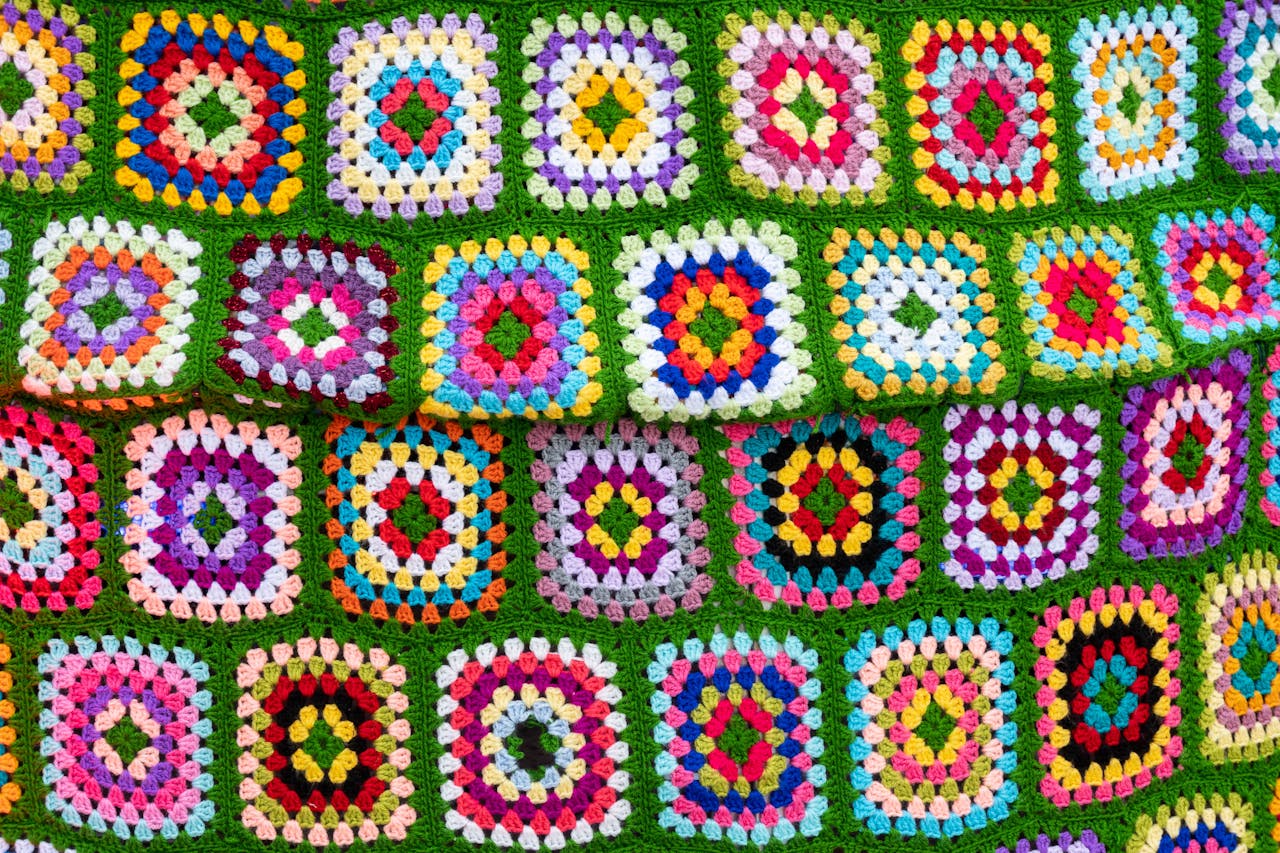
If you love the classic granny square look, a granny stripe border is the perfect finishing touch. Work a series of three double crochet clusters separated by chain spaces along the edge, just like the sides of a traditional granny square. This border ties together projects made with granny motifs and gives a cohesive, coordinated look.
The granny stripe is one of the easiest crochet border patterns for beginners because it uses only the double crochet stitch and chain stitches, which most crocheters already know.
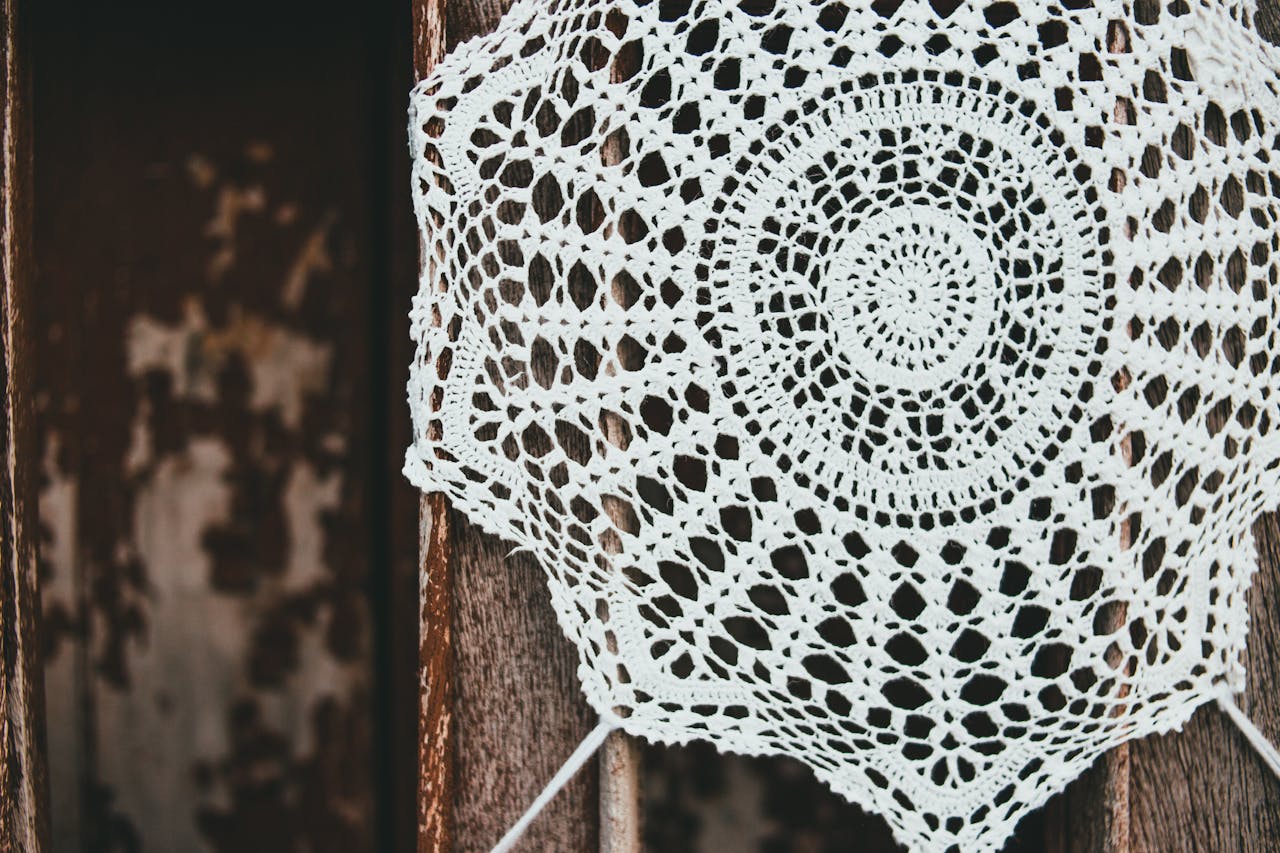
What Are the Best Tips for Perfect Crochet Border Patterns Every Time?
No matter which edging design you choose, these tips will help your crochet border patterns look their absolute best:
Count your stitches: Before starting a decorative border, divide your edge into four equal sections and mark each corner. This ensures your pattern repeats evenly all the way around.
Block your project first: Blocking your blanket or scarf before adding the border evens out the stitches and gives you a clean, flat edge to work with.
Use stitch markers: Place markers at regular intervals along the edge to keep your stitch count consistent, especially on long projects like large afghans.
Match your gauge: If your border stitches are much tighter or looser than your main project, the border will pucker or ripple. Adjust your hook size as needed to maintain consistent tension throughout.
KnotToYarn
Subscribe to KnotToYarn!
Get the best free crochet patterns, tutorials & tips delivered straight to your inbox. Join our growing community!
Frequently Asked Questions
How do I keep my crochet border from being wavy?
A wavy border usually means you have too many stitches per inch. Try skipping every few stitches along the edge, or switch to a larger hook size. Working a foundation round of single crochet first can also help distribute stitches more evenly across the entire perimeter.
What is the easiest crochet border for beginners?
The single crochet border is the easiest option for beginners. Work one or two rounds of single crochet around the entire edge of your project. For a slightly fancier look, try the reverse single crochet (crab stitch) as a second round.
Can I add a border to any crochet project?
Yes, you can add crochet border patterns to almost any project including blankets, scarves, shawls, dishcloths, and even garments. The key is to choose a border style that complements the weight and style of your main piece.
How many rounds should a crochet border have?
Most crochet border patterns use one to four rounds. A simple single crochet border might need just one or two rounds, while a complex lace or shell border could use three or more. Always follow your specific pattern instructions for the best results.
Should the border match the main project color?
Not necessarily. Using a contrasting color for your border can create a bold, eye-catching finish. Alternatively, a border in a lighter or darker shade of the same color family gives a subtle, sophisticated look. Both approaches work beautifully depending on your personal style preference.
How Do You Calculate the Right Number of Stitches for Your Border?
One of the most common challenges when adding a crochet border pattern is getting the stitch count right. If your border has too many stitches, it will ruffle and wave. If it has too few, it will pucker and pull the edge inward. Achieving a flat, even border requires a bit of math, but the process is straightforward once you understand the basics.
Start by measuring the total perimeter of your project in inches using a flexible measuring tape or a ruler. Then work a small test swatch with your chosen border stitch using the same yarn and hook. Measure how many stitches fit into one inch of the test border. Multiply the perimeter measurement by your stitches-per-inch to get your target stitch count.
For example, if your blanket edge measures 180 inches around and your border stitch works up at four stitches per inch, you need approximately 720 stitches total. In practice, you will want to adjust this number slightly to land on a clean stitch multiple for your chosen crochet border pattern. If your border pattern repeats every eight stitches, round your total to the nearest multiple of eight, such as 720 or 728.
When working along the sides of rows, the general rule is to work one border stitch into the end of each row. However, if your rows are tall stitches like double or treble crochet, you may need to work two or three border stitches into the side of each row to prevent the border from pulling. Always crochet a foundation round of single crochet evenly around the entire piece first, adjusting stitch placement as needed, then begin your decorative border on top of that foundation round. This approach gives you a consistent base to work from and makes stitch counting much easier.
What Are the Best Tips for Flawless Crochet Borders?
These professional tips will help your crochet border pattern look polished and even, no matter which design you choose:
- Use stitch markers at the corners: Place a stitch marker at each corner of your foundation round so you always know exactly where to place increases. This prevents the common mistake of accidentally adding too many or too few stitches near corner turns, which causes the border to twist or cup.
- Block before and after: Block your main project before adding the border to ensure the edge is even and flat. After completing the border, block again to set the stitches and create clean, crisp lines. Double blocking is the professional secret to borders that look perfectly tailored.
- Match your hook size: If your border looks looser or tighter than the main fabric, switch to a different hook size for just the border rounds. A hook that is a half-millimeter smaller can tighten up a border that is too loose, while a slightly larger hook can relax a border that is pulling.
- Change colors cleanly: When adding a contrasting color border, work the last stitch of the previous round in the new color to create a smooth transition. This technique eliminates the awkward jog that appears when you simply tie on a new color at the beginning of a round.
- Weave in ends as you go: For multi-color borders, weave in the tails from each color change before starting the next round. Working over the tails as you crochet can create visible bumps on the right side of the work, so taking the time to weave them in separately produces a much cleaner result.
For more crochet edging ideas and finishing techniques, visit our crochet stitches guide and expand your repertoire of border and trim options.