Main goal: help the reader crochet beautiful, functional coasters
Related topics: crochet basket, easy crochet patterns, best yarn for beginner crochet
Quick Answer
Crochet coaster patterns are among the fastest and easiest projects you can make — most take under an hour and use only scrap yarn. They protect surfaces and add a handmade touch to any room. Find more quick project ideas at KnotToYarn.com.
\n
Written by an experienced crocheter — Every pattern and technique shared on KnotToYarn has been tested and verified. We focus on clear, actionable instructions so you can finish each project with confidence, whether it is your first day or your hundredth.
Tip: Use cotton yarn for coasters — it absorbs moisture well and is machine washable.
At a Glance
Skill level: beginner
Time needed: 30-60 minutes each
Best yarn: medium-weight cotton
Hook size: 4.0mm – 5.0mm
Common Mistakes → Quick Fixes
Coaster curls up: add one or two more rounds or block flat after finishing
Too flimsy: hold two strands of yarn together or add a fabric backing
Drinks slide off: use a textured stitch like the bobble or cluster stitch
Mini Glossary
SC — single crochet, HDC — half double crochet, DC — double crochet, mr — magic ring, sl st — slip stitch, ch — chain, FO — fasten off
A crochet coaster is one of the most rewarding beginner projects you can start with. Whether you are brand new to crochet for beginners or looking for a quick weekend craft, a handmade coaster protects your furniture while letting you practice essential stitches. In this guide, you will discover seven beautiful and easy crochet coaster patterns, expert tips on choosing the best yarn for beginner crochet, and answers to common questions so you can finish your first set with confidence.
KnotToYarn
Subscribe to KnotToYarn!
Get the best free crochet patterns, tutorials & tips delivered straight to your inbox. Join our growing community!
A crochet coaster is the perfect marriage of function and creativity. Unlike larger projects such as blankets or garments, a single coaster finishes in a single sitting — most patterns take just 30 to 60 minutes. That makes it an ideal project when you want instant gratification or a low-pressure way to practice new stitches.
Coasters are also incredibly practical. A well-made coaster absorbs condensation from cold glasses and shields wooden tables from hot mugs. Because they are small, you can experiment with bold color combinations, textured stitches, and different yarn weights without committing to a large stash. If you enjoy quick makes, be sure to explore the easiest crochet projects for beginners for more inspiration.
What Is Best Yarn for a Crochet Coaster?
Choosing the right yarn is critical for a successful crochet coaster. Cotton yarn is widely considered the best option because it is absorbent, durable, and machine washable. Look for a medium-weight (worsted-weight) cotton yarn in a tight twist — this helps your finished piece hold its shape through repeated use and washing.
Bamboo blends and linen yarns also work beautifully. Avoid fuzzy or super-bulky acrylics, as they tend to let moisture seep through to the table. For a stiff, flat coaster, try holding two strands of a lighter cotton yarn together. This creates a dense fabric that grips glasses and protects surfaces effectively.
Pro Tip: Yarn Weight Matters
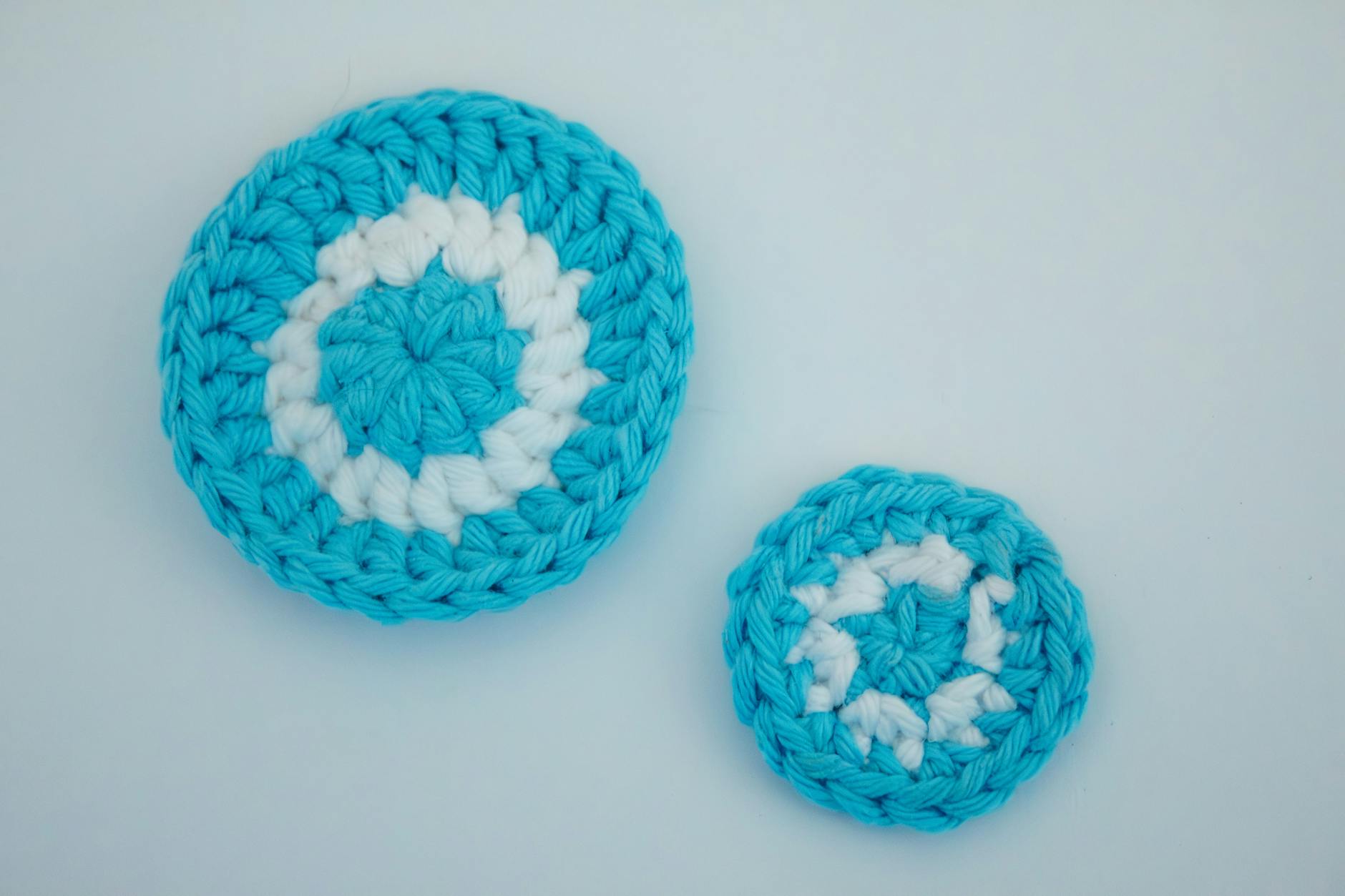
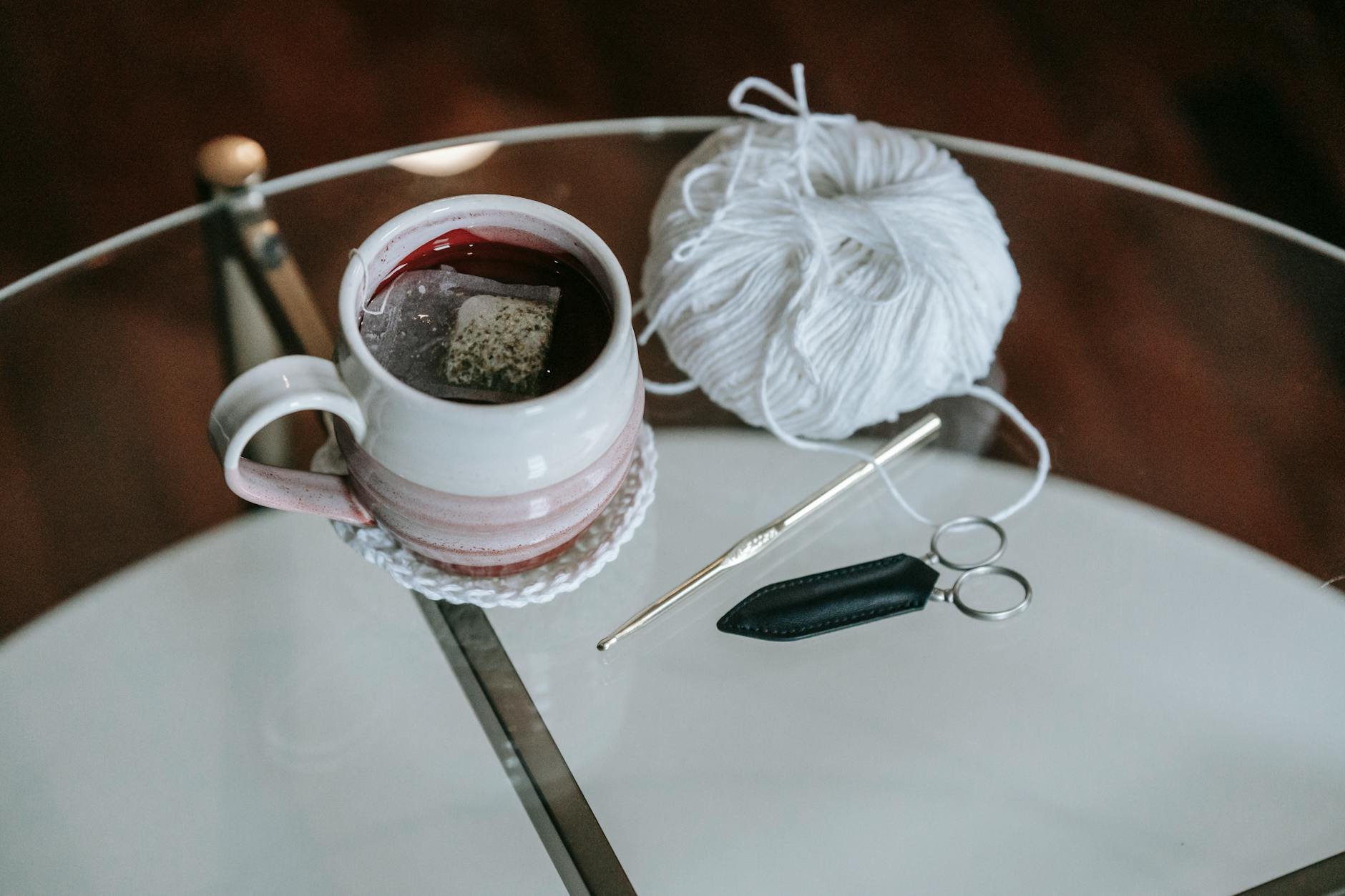
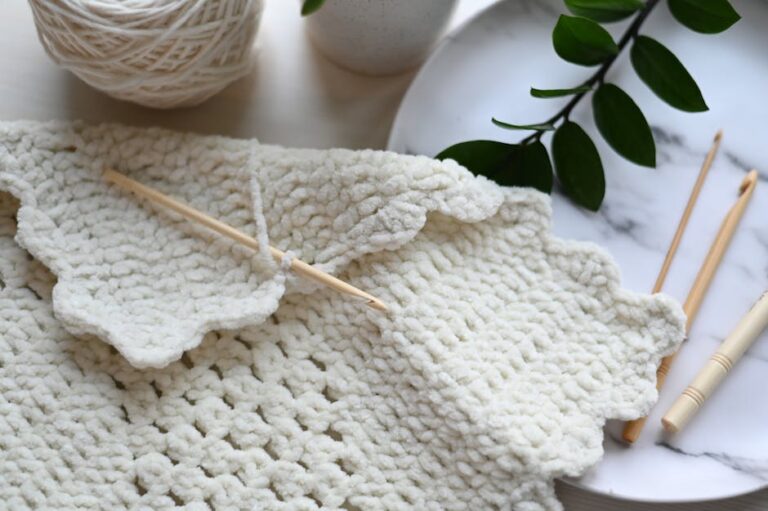
crochet coaster crochet project detail. Photo by Belén Montero I presetspix.etsy.com via Pexels.
The image above illustrates this pattern step in detail.
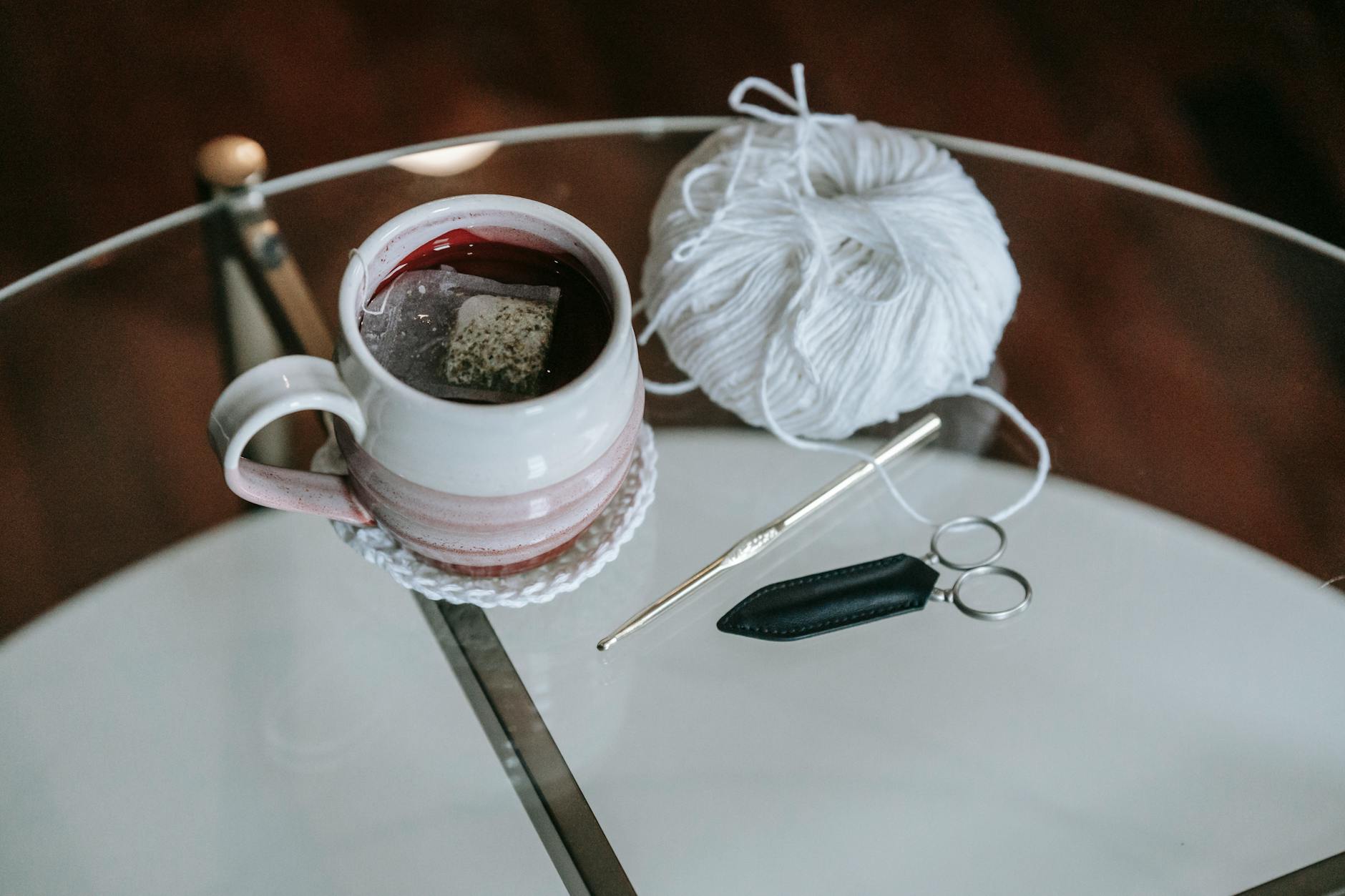
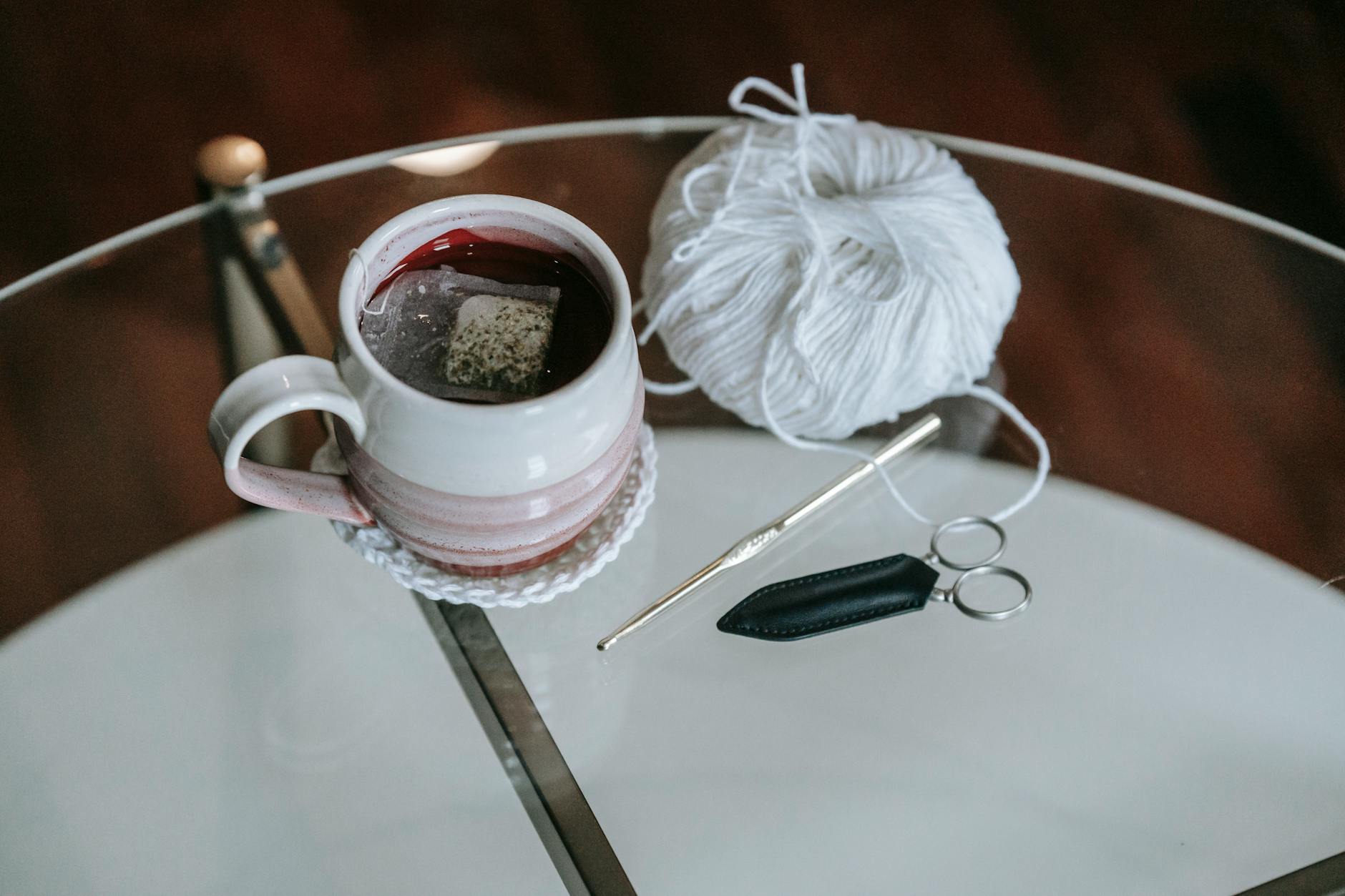
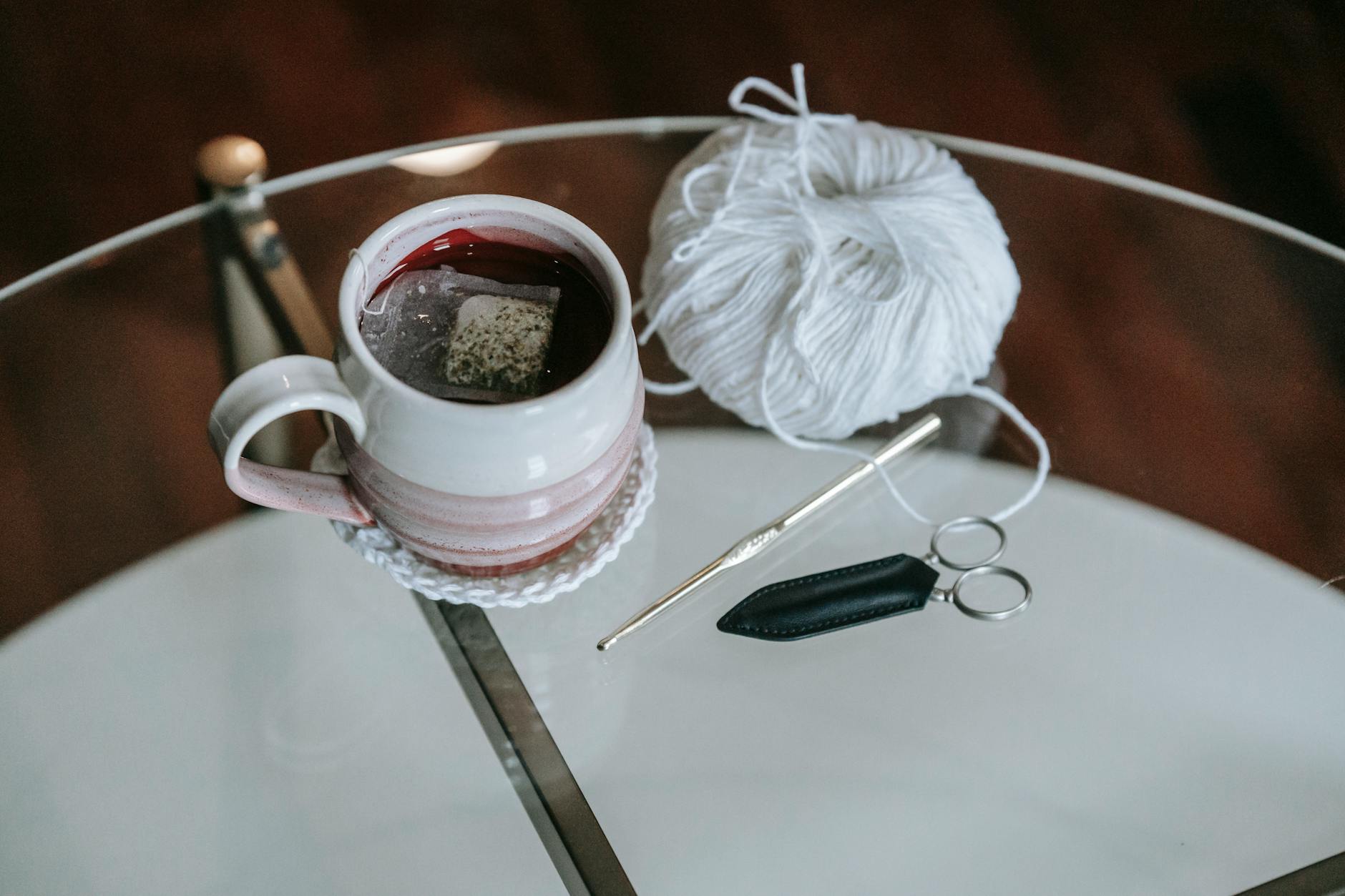
crochet coaster crochet project detail. Photo by Miriam Alonso via Pexels.
For a standard-size crochet coaster (4 to 5 inches across), use a 4.0mm to 5.0mm hook with worsted-weight cotton. If your piece turns out too small, switch to a 5.5mm hook or add an extra increase round.
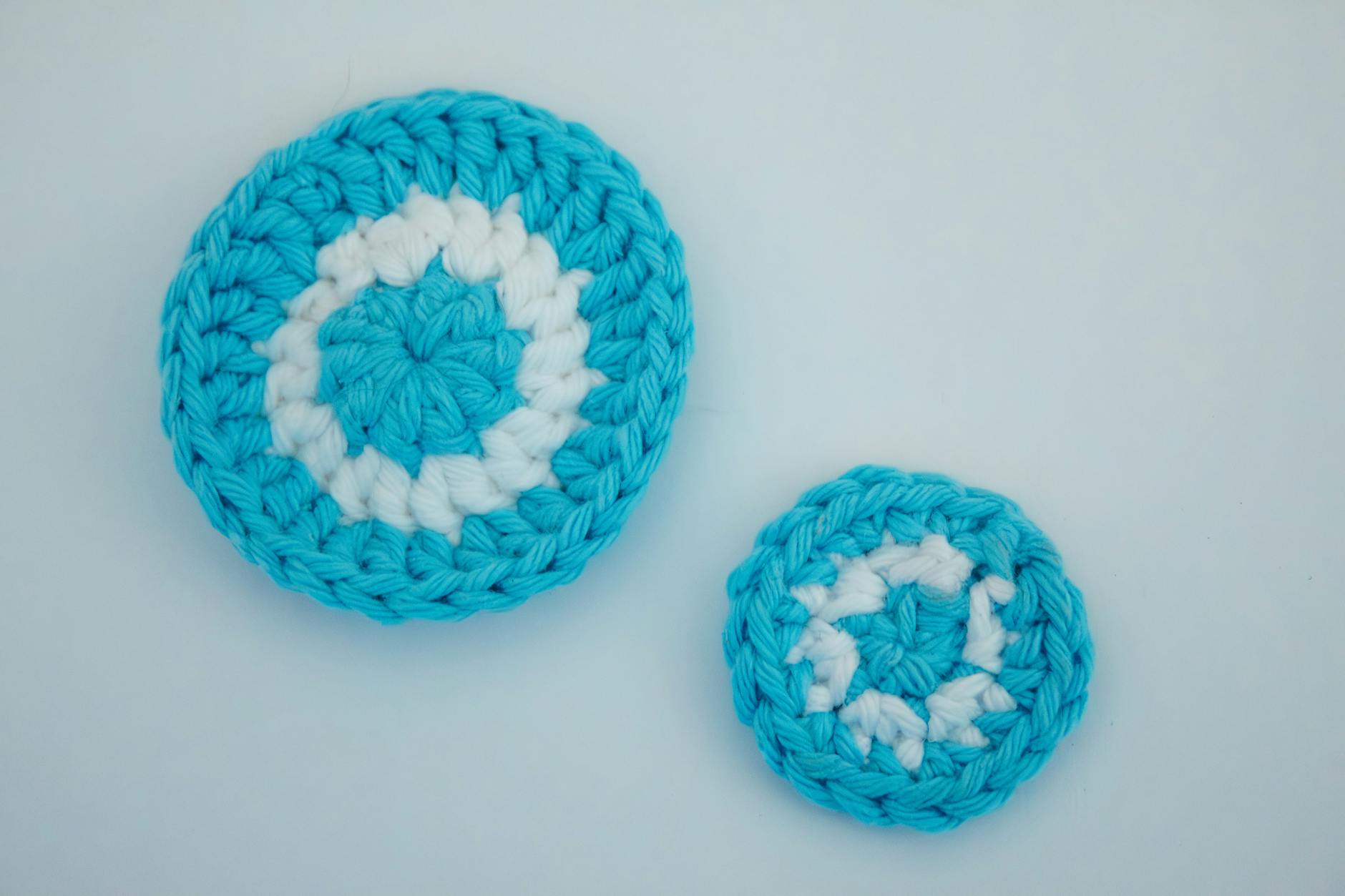
Here you can see how the stitch work comes together in this section.
This close-up shows the texture and technique used for this design.
7 Easy coaster patterns to Try
1. Classic Single Crochet Circle
This is the most straightforward crochet coaster pattern and an excellent way to master the single crochet stitch. Start with a magic ring, work 6 SC into the ring, then increase by 6 stitches each round until you reach roughly 4.5 inches across. The resulting piece is flat, sturdy, and perfect for everyday use.
2. Granny Square Coaster
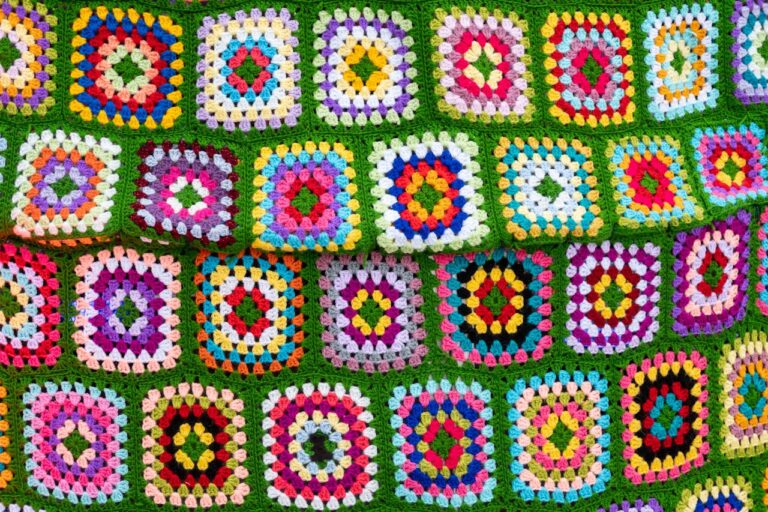
The granny square is an iconic motif, and it translates perfectly into a crochet coaster. Work three or four rounds of double crochet clusters separated by chain spaces, then finish with a contrasting border round. Each coaster in a set can feature a different color for a playful, mismatched look.
3. Bobble Stitch Coaster
If you want a textured crochet coaster that keeps drinks from sliding, the bobble stitch is your friend. Alternate rows of single crochet with bobble clusters (typically 5 DC worked into one stitch, leaving the last loop of each before pulling through all at once). This creates a thick, padded surface that looks gorgeous in variegated yarn.
4. Mandala-Style Coaster
A mandala-inspired crochet coaster uses a combination of DC, HDC, and picot stitches arranged in radiating rounds. Start from the center and work outward, changing colors every one or two rounds. The result is a decorative piece that doubles as a small work of art for your coffee table.
5. Ripple or Chevron Coaster
For something a little different, try a ripple-stitch coaster. Work a short foundation chain (about 20 stitches), then increase and decrease across rows to create a gentle wave. This rectangular shape is especially good for wine glasses and mugs with wide bases.
6. Mesh or Filet Coaster
A filet crochet coaster uses a grid of double crochet and chain spaces to create openwork designs. You can spell out initials, form geometric shapes, or keep it simple with an all-over mesh pattern. Pair it with a solid cotton backing for extra stability.
7. Chunky One-Hour Coaster
Short on time? Grab a super-bulky yarn and a 9.0mm hook. Work a flat circle in half double crochet, increasing evenly. You can finish a chunky coaster in about 20 minutes. Although chunkier coasters are less absorbent, they make excellent decorative pieces for plant pots and candle holders.
How to Keep your coaster Flat?
One of the most common frustrations for beginners is a crochet coaster that curls at the edges. This usually happens when your increases do not match the natural growth rate of the stitches. The fix is simple: if the edges ruffle, you have too many increases — remove a round. If the edges curl upward, add one more increase round or switch to a slightly larger hook.
Blocking is another effective technique. After you finish your coaster, dampen it lightly, pin it flat on a blocking mat or towel, and let it dry completely. This sets the shape and gives your piece a polished, professional finish. For more help with common issues, visit the Craft Yarn Council for stitch standards and resources.
What Is Crochet Coaster Sets Make Great Gifts?
Because a single crochet coaster works up so quickly, making a coordinated set of four or six is surprisingly fast. Pair them with a nice mug, some artisan tea, or a candle for an easy, handmade gift. Neutral tones like cream, sage, and charcoal appeal to almost any decor style, while bright color palettes add a cheerful pop to kitchens and dining rooms.
For craft fair vendors, a coaster set is a reliable best-seller. They are small, affordable, and easy to package. Consider offering seasonal colorways — think warm oranges for autumn, pastels for spring, and reds and greens for the holidays. Browse thousands of coaster designs for inspiration on Ravelry.
Frequently Asked Questions
How many chains do I need for a crochet coaster?
For a round crochet coaster, you typically start with a magic ring rather than a chain. However, if you prefer the chain-ring method, chain 4 and join with a slip stitch to form a ring. If you are making a rectangular version, chain about 20 to 25 stitches for a standard mug size, then work rows until the piece is roughly square.
Can I use acrylic yarn for a crochet coaster?
You can, but cotton is strongly recommended. Acrylic yarn repels water rather than absorbing it, which means condensation can pool on top and eventually drip onto your furniture. A cotton coaster absorbs moisture and is far more practical for everyday use with cold drinks.
How do I wash a crochet coaster?
Most cotton coasters are machine washable. Place them in a laundry bag, wash on a gentle cycle with cold water, and lay flat to dry. Avoid high heat, which can shrink or distort the shape. If your piece contains wool or delicate fibers, hand wash in cool water and reshape while damp.
KnotToYarn
Subscribe to KnotToYarn!
Get the best free crochet patterns, tutorials & tips delivered straight to your inbox. Join our growing community!
What size should a crochet coaster be?
The ideal diameter for a round crochet coaster is between 4 and 5 inches. This fits standard mugs and glasses with a small border of protection all around. For oversized mugs or pint glasses, aim for 5.5 to 6 inches. Always measure your favorite mug before starting so your piece is proportioned correctly.
Why does my crochet coaster ruffle instead of lying flat?
Ruffling occurs when you have too many stitches in a round. To fix this, either reduce the number of increases in the next round or remove the last round entirely. A well-balanced crochet coaster should have just enough increases to keep the fabric flat without any waviness at the edges.
Proper care keeps your crochet coaster collection looking beautiful and functioning well for years. The care method depends entirely on the yarn you used, so always check the yarn label before washing your finished pieces.
Cotton coasters: These are the easiest to care for and the most practical for daily use. Machine wash cotton coasters in warm water with a mild detergent. Tumble dry on low or lay them flat to reshape. Cotton actually becomes more absorbent with each wash cycle, making it the ideal fiber for coasters that will see frequent use with cold drinks.
Acrylic coasters: Wash acrylic coasters in cool water on a gentle cycle to prevent stretching and distortion. Avoid high heat in the dryer, as acrylic fibers can warp or melt. Lay flat to dry for the best results. Acrylic is fade-resistant, so your coasters will maintain their vibrant colors through many washes.
Wool coasters: Hand wash in cool water using a gentle wool wash or baby shampoo. Roll in a clean towel to remove excess water, then reshape and dry flat. Never machine wash or tumble dry wool coasters. Wool has natural moisture-wicking properties that make it surprisingly effective at protecting surfaces from condensation, but it requires more careful maintenance.
For stubborn stains on any fiber, spot-treat with a small amount of gentle soap and cold water. Avoid bleach or harsh chemical cleaners, which can weaken fibers and cause color fading. If your coasters have lost their shape after washing, re-block them by pinning them flat and misting with water until they dry completely in the correct shape.
What Are the Best Ways to Package Crochet Coasters as Gifts?
Handmade crochet coaster sets make wonderful gifts for housewarmings, birthdays, holidays, and hostess thank-yous. The way you package them can elevate the perceived value of your handmade gift and make the recipient feel truly special.
Stacked and tied with twine: Stack four to six coasters neatly, wrap a piece of baker’s twine or ribbon around the stack, and tuck in a small crochet flower or dried sprig of lavender. This simple presentation looks elegant and rustic, especially when placed inside a kraft paper gift box.
Mason jar presentation: Roll or fold a set of coasters and place them inside a clean mason jar. Tie a tag around the jar neck with care instructions and a personal note. This works especially well for cotton coasters that can be stored compactly.
Paired with matching items: Create a gift set by pairing your coasters with a crocheted dishcloth, a small candle, or a bag of gourmet coffee beans. Coordinated gift sets show extra thoughtfulness and feel more substantial than a single item alone.
Fabric gift pouch: Sew a simple drawstring pouch from cotton fabric and place your coasters inside. The pouch doubles as storage, so your recipient can keep their coasters protected when not in use. Choose a fabric pattern that complements the colors of your crochet work.
For more handmade gift inspiration, check out our guide to handmade crochet gift ideas and discover projects that pair perfectly with your coaster sets.
If you enjoyed this guide, you might also love our tutorials on , and Crochet Top Pattern Guide. Each one comes with free patterns and step-by-step instructions perfect for crocheters of all skill levels.
POILU LAK
Passionate crochet designer and instructor with years of experience creating beginner-friendly patterns, tutorials, and guides that help crafters build real skills from day one.
This easy beanie crochet pattern is designed for beginners: simple stitches, minimal counting, and a fit you can adjust as you go. You can make it as a cla
Home › Free Patterns › 11 Easy Crochet Towel Holder Patterns for Your Kitchen Table of Contents Toggle Crochet Towel Holders at a Glance Quick Answer At a Glance Common Mistakes to Quick Fixes Mini Glossary Why Every Kitchen Needs a Crochet Towel Holder Choosing the Right Materials 11 Practical Crochet Towel Holder Patterns 1….
Home › Free Patterns › Granny Square Afghan: 7 Gorgeous Blanket Layout Patterns What Is Granny Square Afghan at a Glance? The image above illustrates this pattern step in detail. Topic: granny square afghan Skill level: beginner to intermediate Main goal: help the reader design and assemble a gorgeous granny square afghan using professional layout…
Home › Free Patterns › Why Are My Crochet Edges Uneven? 7 Beginner Fixes That Work Why Are My Crochet Edges Uneven at a Glance? Topic: why are my crochet edges uneven Skill level: Beginner-friendly Main goal: diagnose and fix uneven edges in crochet projects Related topics: how to fix crochet tension, crochet gauge, counting…
Home › Free Patterns › 7 Gorgeous Handmade Crochet Gift Ideas for Mom Birthday Table of Contents Toggle Handmade Crochet Gift Ideas for Mom Birthday at a Glance Quick Answer At a Glance Common Mistakes to Quick Fixes Mini Glossary Why Handmade Crochet Gift Ideas for Mom Birthday Are So Special 7 Gorgeous Handmade Crochet…
Home › Free Patterns › 9 Adorable Crochet Booties Pattern for Beginners If you want to make a crochet booties pattern for beginners, you are in the right place. These cute baby shoes are quick to make and perfect for gifting. Table of Contents At a Glance Quick Answer Common Mistakes to Quick Fixes Mini…
 KnotToYarn