Crochet Yarn Guide: 5 Essential Fiber Types
What Is Crochet Yarn at a Glance?
- Topic: crochet yarn
- Skill level: all levels
- Main goal: help the reader choose and use the right yarn for their projects
- Related topics: best yarn for beginner crochet, crochet hook sizes, crochet thread
Quick Answer
Crochet yarn comes in many weights, fibers, and textures — choosing the right one makes the difference between a project you love and one that frustrates you. Worsted weight acrylic is the best starting point for most beginners. Learn more about yarn selection at KnotToYarn.com.
\nTip: Always buy an extra skein of yarn for your project — dye lots can vary even within the same brand.
At a Glance
- Skill level: all levels
- Common weights: lace, fingering, DK, worsted, bulky, super bulky
- Best for beginners: worsted weight acrylic or acrylic-cotton blend
- Key factors: weight, fiber content, dye lot, yardage
Common Mistakes → Quick Fixes
- Wrong yarn weight: always check your pattern’s recommended weight before buying
- Running out mid-project: buy 10-15% more yardage than the pattern calls for
- Dye lot mismatch: check that all skeins have the same dye lot number
Mini Glossary
Worsted — medium-weight yarn (size 4), DK — double knitting/light weight (size 3), Bulky — thick yarn (size 5), Ply — number of strands twisted together, Dye lot — batch color code, Frogging — ripping out stitches
Finding the right crochet yarn can feel overwhelming when you’re standing in the yarn aisle staring at hundreds of options. Whether you’re picking up your first hook or you’ve been stitching for years, understanding yarn weight, fiber content, and quality can completely transform your results. This guide breaks down everything you need to know about choosing and using crochet yarn so every project turns out beautifully.
 KnotToYarn
Subscribe to KnotToYarn!
Get the best free crochet patterns, tutorials & tips delivered straight to your inbox. Join our growing community!
What Should You Know About Crochet Yarn Weights?
The Craft Yarn Council categorizes yarn into seven standard weight categories, numbered from 0 (lace) to 7 (jumbo). Each weight works best with specific crochet hook sizes and project types. Here’s a quick breakdown of the most popular weights used in everyday crafting.
Weight 0 — Lace: Extremely thin yarn perfect for delicate doilies, shawls, and fine accessories. It requires small hooks and produces lightweight, intricate work.
Weight 3 — DK (Double Knitting): A versatile lightweight yarn that sits between fingering and worsted. It’s ideal for baby blankets, lightweight garments, and amigurumi toys.
Weight 4 — Worsted: The most widely used crochet yarn weight. Worsted weight works wonderfully for afghans, scarves, hats, and virtually any beginner project. If you’re just getting started with how to crochet, this is the weight to reach for first.
Weight 5 — Bulky: Thick, plush yarn that works up quickly. Great for cozy blankets, chunky cowls, and home decor items that need a soft, substantial feel.
Weight 6 — Super Bulky: Extra-thick yarn perfect for statement pieces like oversized scarves and quick blankets. Projects finish fast, but the texture is bold and dramatic.
What Is Natural vs. Synthetic Crochet Yarn Fibers?
Your choice of fiber is just as important as weight. Each material brings different qualities to your finished piece, from softness and drape to durability and care requirements.
Acrylic is the most affordable and beginner-friendly crochet yarn on the market. It’s easy to work with, comes in virtually every color imaginable, and is machine washable. If you’re new to crafting, starting with the best yarn for beginners typically means choosing a quality acrylic or acrylic-blend skein.
Cotton produces crisp, structured stitches with beautiful stitch definition. It’s the go-to choice for dishcloths, market bags, and summer garments. Cotton holds its shape well but lacks the elasticity of wool.
Wool offers warmth, elasticity, and a luxurious feel. Merino wool is soft enough for wearable garments, while sturdy wool blends work well for winter accessories. Wool does require gentle washing, so keep care requirements in mind.
Blends combine the best qualities of multiple fibers. An acrylic-cotton blend gives you softness with structure, while a wool-acrylic blend adds warmth without the price tag of pure wool. Blends are excellent all-purpose choices for any crochet yarn stash.
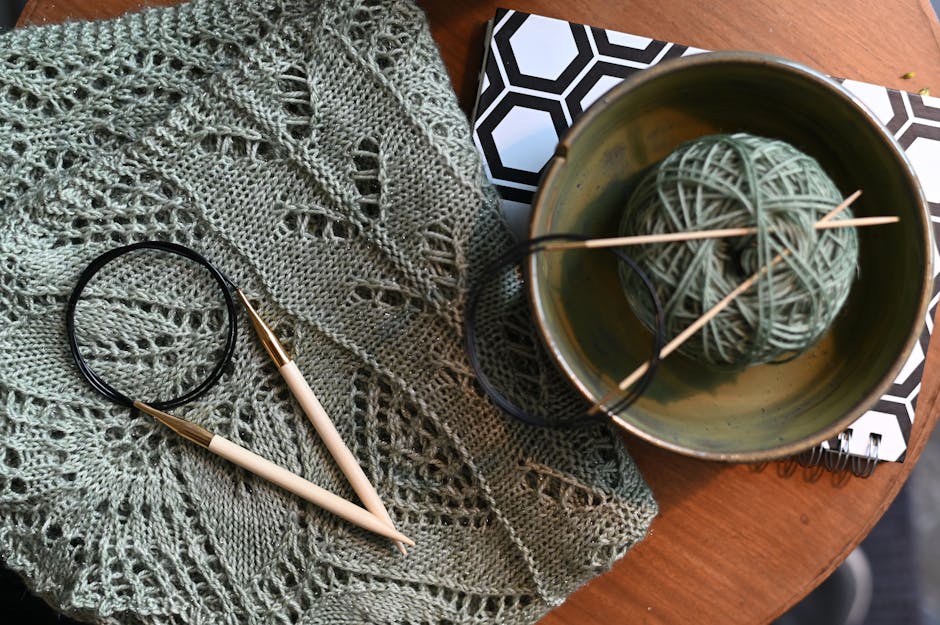
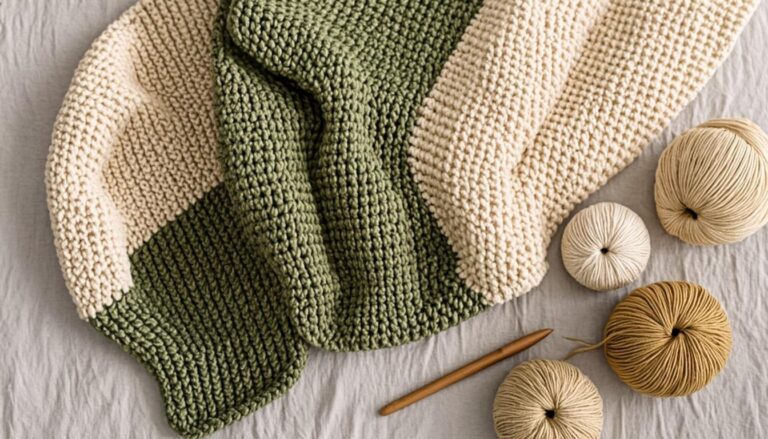
The image above illustrates this pattern step in detail.
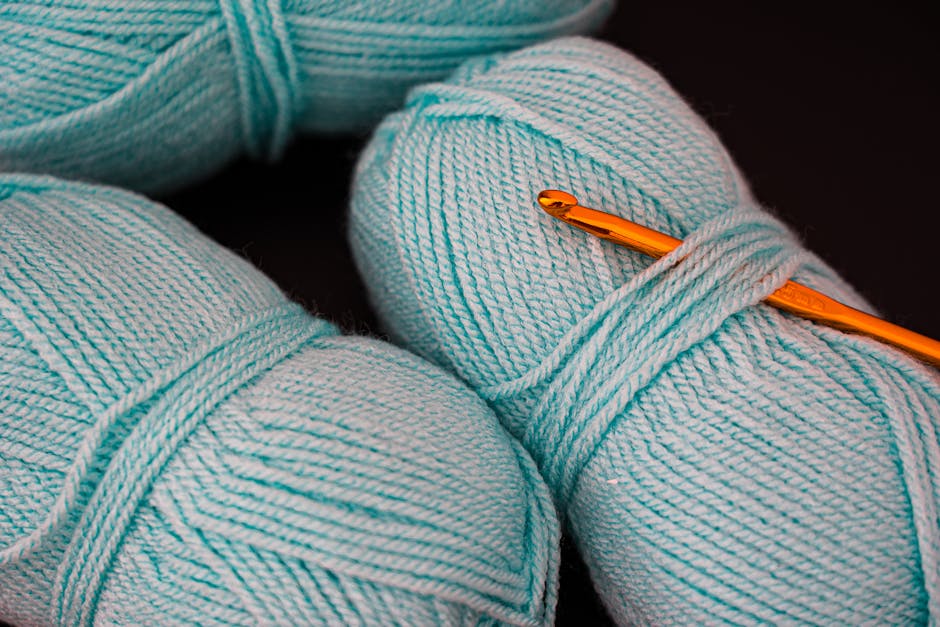
Here you can see how the stitch work comes together in this section.
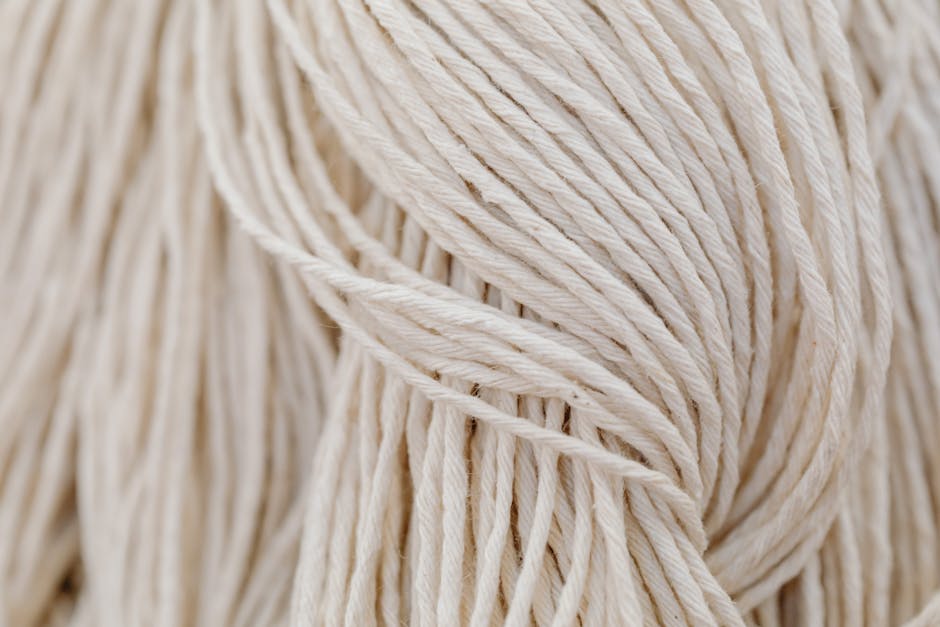
This close-up shows the texture and technique used for this design.
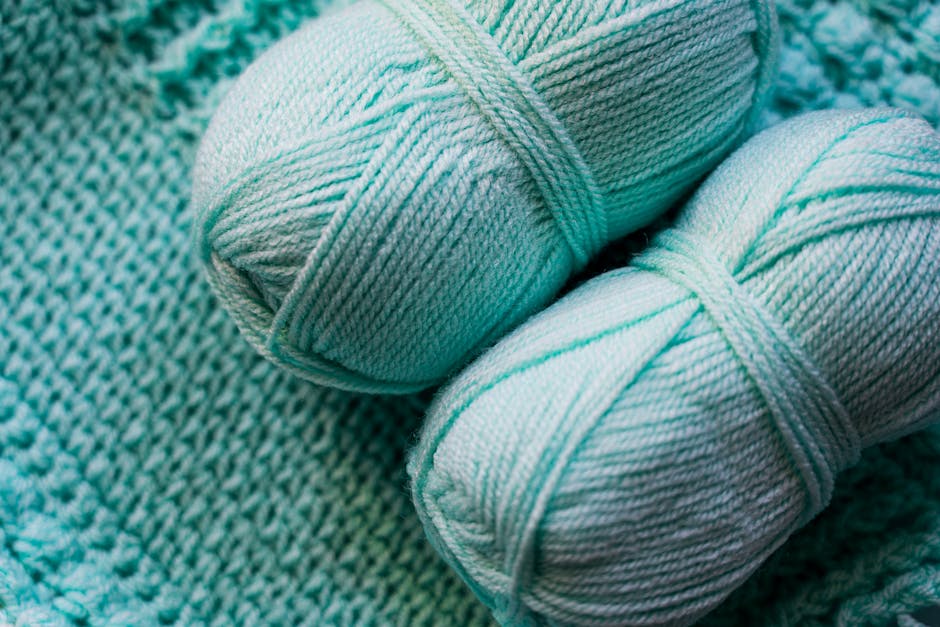
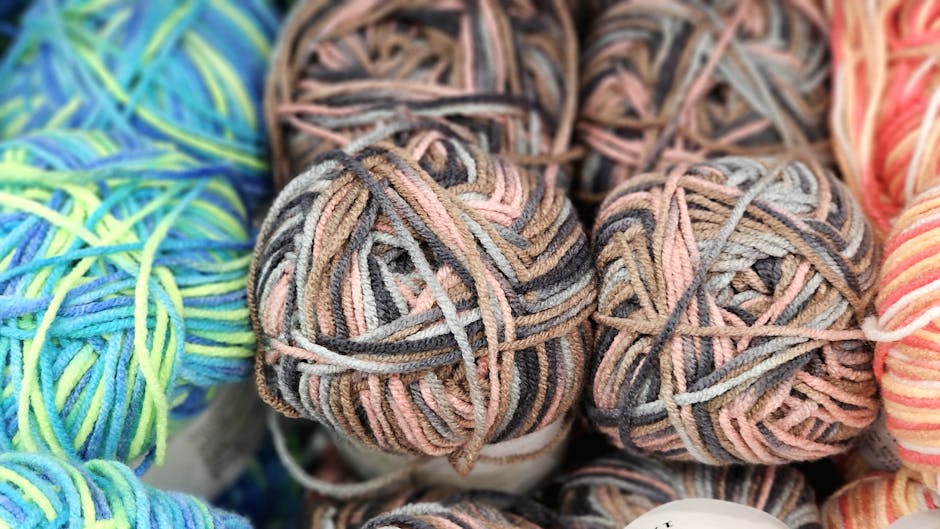
Notice the color transitions and stitch definition shown above.
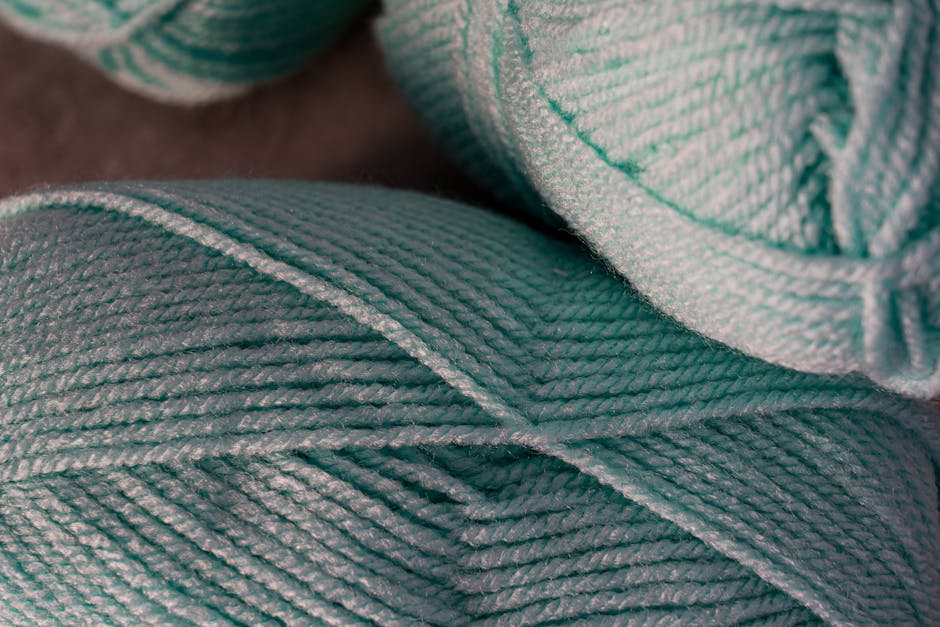
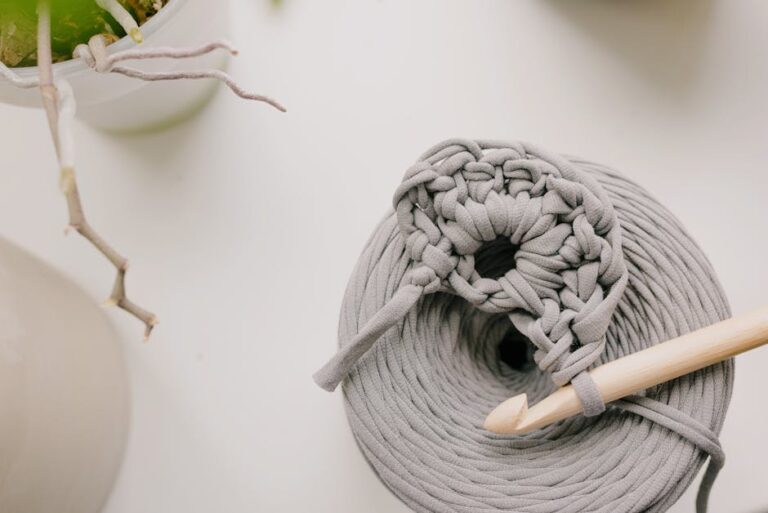
Another view highlighting the shape and structure of this piece.
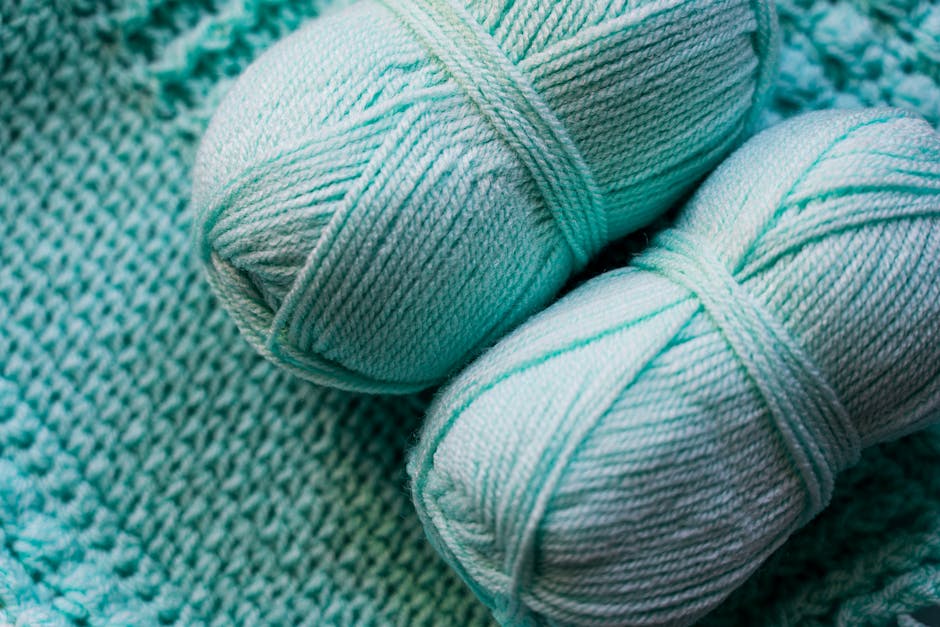
The detail in this image demonstrates the key technique for this pattern.
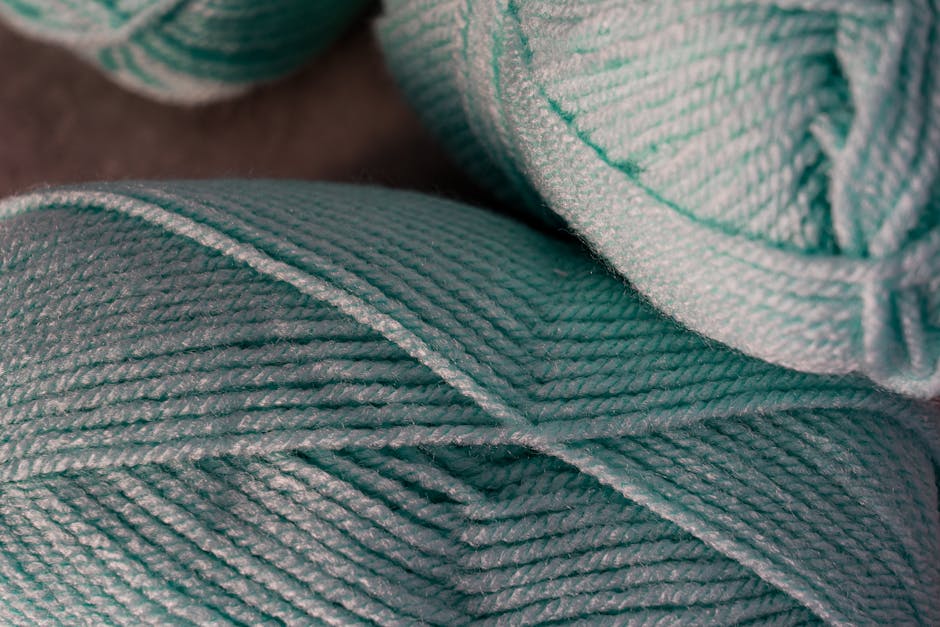
This step shows how each round builds on the previous one.
How to Read a Yarn Label Like a Pro?
Every skein of crochet yarn carries essential information that helps you make smart purchasing decisions. Here’s what to look for on the label before you head to the checkout line.
Weight category symbol: A small icon with a number (0-7) tells you the standard weight. Match this to your pattern’s recommendation for the best results.
Dye lot number: This is critical when buying multiple skeins for one project. Even the same color can look noticeably different between dye lots. Always check that every skein shares the same batch number.
Yardage and grams: The label shows both weight in grams and length in yards or meters. Calculate your total yardage needs before shopping and buy 10-15% extra to account for tension variations and mistakes.
Recommended hook size: Most labels suggest a hook size range. Use this as a starting point, then adjust based on your personal gauge and the specific pattern you’re following.
Fiber content and care: The label lists all materials and provides washing instructions. This matters enormously if you’re making a gift or a wearable item that will need regular laundering.
How Do You Crochet Yarn Buying Tips That Save Money?
Building a beautiful crochet yarn collection doesn’t have to drain your wallet. These practical tips help you shop smarter and get more value from every purchase.
Buy in bulk during sales: Craft stores run seasonal promotions, especially around holidays. Stock up on neutral worsted weight basics when prices drop, and you’ll always have project-ready yarn on hand.
Check mill end sections: Many yarn retailers sell mill ends — discontinued colors, overruns, or slightly imperfect skeins — at deep discounts. These are perfect for practice projects, scrap blankets, and colorwork experimentation.
Join a local crafting community: Yarn swaps and group buys through Ravelry or local crochet groups can connect you with fellow crafters who are happy to trade or sell yarn from their stashes.
KnotToYarn
Subscribe to KnotToYarn!
Get the best free crochet patterns, tutorials & tips delivered straight to your inbox. Join our growing community!
Invest in quality for special projects: While budget crochet yarn is perfect for everyday practice, splurge on premium fibers for heirloom gifts, wedding items, and garments you’ll wear for years. The difference in drape, softness, and longevity is remarkable.
Crochet Thread vs. Crochet Yarn: What’s the Difference?
Many crafters confuse crochet yarn with crochet thread, but they serve completely different purposes. Yarn refers to the thicker material used for most wearable and decorative projects, while thread is a much finer material used for delicate lacework and doilies. For a detailed comparison, check out our guide to crochet thread sizes, types, and uses.
Thread is typically labeled with a number system where higher numbers indicate finer thread. Size 10 crochet thread is the most common and works well for table runners, edgings, and decorative snowflakes. If you’re working on filet crochet or Irish lace motifs, thread is your material of choice.
Frequently Asked Questions
What is the best crochet yarn for beginners?
Worsted weight acrylic or acrylic-cotton blend crochet yarn is the best choice for beginners. It’s affordable, easy to find, comes in many colors, and is forgiving to work with. Medium weight (size 4) paired with a 5.0mm or 5.5mm hook gives new crocheters the best learning experience.
How much crochet yarn do I need for a blanket?
The amount depends on blanket size, yarn weight, and stitch pattern. A typical throw blanket (50 by 60 inches) in worsted weight requires approximately 1,500 to 2,000 yards of crochet yarn. Always purchase 10-15% more than your calculation to ensure you have enough for borders and tension adjustments.
Can I use knitting yarn for crochet projects?
Absolutely. Yarn is yarn — there’s no difference between knitting yarn and crochet yarn in terms of the material itself. The only consideration is that crochet tends to use slightly more yarn than knitting for the same project area, so plan your yardage accordingly.
How do I store crochet yarn properly?
Store your crochet yarn in a cool, dry place away from direct sunlight. UV exposure can fade colors over time. Use clear plastic bins, hanging organizers, or yarn bowls to keep skeins tangle-free. Avoid storing near heat sources or in humid areas where mildew could develop.
What does ply mean in crochet yarn?
Ply refers to the number of individual strands twisted together to create the finished crochet yarn. A 4-ply yarn, for example, is made from four strands. However, ply count doesn’t directly correspond to yarn weight — a 4-ply yarn can be fingering weight in one brand and worsted weight in another. Always check the weight category symbol on the label.
How Do You Care for Different Yarn Fibers?
Proper care extends the life of your finished crochet yarn projects significantly. Different fibers require different washing and storage methods, and treating them correctly keeps your handmade items looking beautiful for years.
- Acrylic: Machine washable on a gentle cycle with cool water. Tumble dry on low heat. Avoid high temperatures, which can cause acrylic to melt or lose its shape. Acrylic garments hold their color well through many wash cycles.
- Cotton: Machine washable in warm water, but avoid high heat when drying. Cotton can shrink in the dryer, so lay cotton items flat to dry or use a low heat setting. Cotton actually becomes softer with each wash, making it ideal for items like dishcloths that get frequent use.
- Wool: Hand wash in cool water using a gentle wool wash or baby shampoo. Never wring or twist wool items. Instead, press out excess water between clean towels and reshape the garment before drying flat on a towel. Wool is prone to felting if exposed to agitation and heat.
- Blends: Always follow the care instructions for the most delicate fiber in the blend. A wool-acrylic blend, for example, should be treated more like wool to prevent shrinkage. When in doubt, hand washing is always the safest option.
What Are the Best Yarn Substitution Strategies?
Sometimes the exact crochet yarn a pattern calls for is unavailable, discontinued, or outside your budget. Knowing how to substitute yarns is a valuable skill that every crocheter should develop. The key principle is to match the yarn weight and drape rather than the exact fiber content.
Start by checking the pattern’s recommended yarn weight and the finished gauge. If the pattern calls for worsted weight cotton and you want to use acrylic, that substitution usually works fine as long as you match the weight category. However, be aware that the finished fabric will have different properties. Acrylic creates a softer, more pliable drape, while cotton produces a stiffer, more structured fabric. These differences can affect how a garment fits and hangs on the body.
When substituting, always crochet a gauge swatch using the new yarn. Compare your swatch to the pattern’s gauge measurements. If your stitches per inch differ, adjust your hook size up or down until you match the pattern’s specifications. This small step prevents the frustration of completing an entire project only to find it is the wrong size.