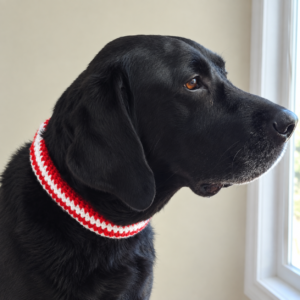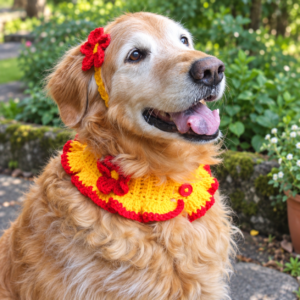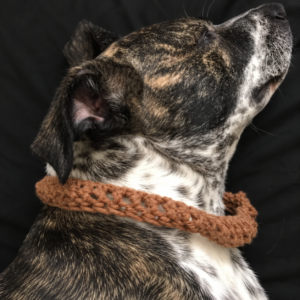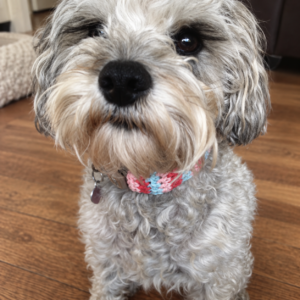
How to Crochet a Pet Collar: Free Step-by-Step Pattern
Want to add a handmade touch to your furry friend’s daily wardrobe? This free crochet pet collar pattern is the perfect beginner-friendly project that combines practicality with adorable style. Whether you have a tiny kitten, a playful puppy, or even a small rabbit, a crocheted collar is a thoughtful way to show your pet some extra love while flexing your creative muscles.
Unlike store-bought collars that can feel stiff and impersonal, a handmade crochet pet collar is soft, lightweight, and completely customizable. You can choose your pet’s favorite colors, adjust the width for comfort, and add personal touches like tiny bows, contrasting borders, or even a small charm. The pattern we are sharing today is designed to be approachable for crocheters of all skill levels while still producing a polished, professional-looking result that will have friends and fellow pet parents asking where you bought it.

Why Make a Crochet Pet Collar?
A crochet pet collar is much more than a simple accessory. It is a reflection of the bond between you and your pet, crafted stitch by stitch with care and intention. When you make something by hand, every loop and knot carries meaning — and your pet gets to wear that love every single day. Beyond the sentimental value, crocheted collars offer genuine practical benefits that make them worth the effort.
First, they are incredibly comfortable. The yarn forms a soft, flexible band that molds gently to your pet’s neck without the stiffness of nylon or leather. Cotton and acrylic blends are particularly well-suited because they are breathable, hypoallergenic, and easy to wash. Second, they are fully customizable in ways that off-the-shelf products simply cannot match. You control the exact length, width, color, stitch pattern, and embellishments, making it easy to create a collar that perfectly suits your pet’s personality and your own aesthetic preferences.
For pet owners who enjoy crafting, this project also doubles as a wonderful gift idea. A handmade crochet pet collar paired with a matching leash charm or bandana makes a thoughtful present for any pet lover in your life. The project is small enough to complete in a single afternoon, making it perfect for crafters who want quick but satisfying results.
Materials You Will Need
Before diving in, gather everything you need for a smooth and enjoyable crocheting experience. Having your supplies ready before you start means fewer interruptions and a more relaxed creative process. Here is what you will need for this crochet pet collar pattern:
- Yarn: Choose a soft, durable yarn in a pet-friendly fiber. Cotton or acrylic blends work beautifully because they are washable, gentle on sensitive skin, and hold up well to daily wear. Medium (worsted) weight yarn in a solid or variegated color is ideal for this project.
- Crochet Hook: A 4mm (G-6) or 5mm (H-8) hook works well with worsted weight yarn. The exact size depends on your tension and how dense you want the fabric to be. If you tend to crochet tightly, go up a hook size for a softer drape.
- Buckle or Clasp: A small side-release buckle or snap clasp is essential for securing the collar safely around your pet’s neck. You can find these at any craft store or repurpose one from an old collar.
- D-Ring: A metal D-ring allows you to attach a leash or ID tag to the collar. This small hardware piece adds real functionality to your handmade creation.
- Tapestry Needle: A blunt-tipped tapestry needle is needed for weaving in loose yarn ends and sewing the buckle in place at the end of the project.
- Scissors: A good pair of sharp scissors for trimming yarn cleanly.
- Stitch Markers (Optional): Helpful for keeping track of your stitch count, especially if you are working a longer collar for a larger pet.

How to Measure Your Pet for the Perfect Fit
Getting the right fit is one of the most important steps in making a crochet pet collar that your furry friend will actually enjoy wearing. A collar that is too tight will be uncomfortable and could restrict breathing, while one that is too loose may slip off or catch on objects. The goal is a snug but comfortable fit that allows you to slide two fingers between the collar and your pet’s neck.

Use a flexible measuring tape or a piece of string to measure around the middle of your pet’s neck, where a collar would naturally sit. Add about one to two inches of ease to this measurement for comfort — this gives your pet room to breathe and move without the collar feeling restrictive. If your pet is between sizes or still growing, err on the side of slightly larger, as you can always add an extra buttonhole or adjustment loop later.
Write down your measurements before you start crocheting. For reference, most cats need a collar between 8 and 12 inches, while small to medium dogs typically need 10 to 18 inches. Always measure your individual pet rather than relying on breed averages, as there can be significant variation even within the same breed.
Step-by-Step Crochet Pet Collar Instructions
Step 1: Create the Foundation Chain
Begin by making a foundation chain that matches your desired collar length plus a small amount of extra length for the buckle attachment. For example, if your pet needs a 12-inch collar, chain about 45 to 50 stitches with a 5mm hook and worsted weight yarn — adjust based on your gauge. The chain should feel firm but not stiff, with each chain stitch being consistent in size.

Avoid chaining too loosely, as this will create a flimsy base that stretches out over time. Likewise, chaining too tightly will make the collar difficult to work with in subsequent rows. If your foundation chain feels uneven, pull it out and start over — a solid foundation is crucial for a neat finished product.
Step 2: Work the First Row in Single Crochet
Work a row of single crochet stitches across the entire foundation chain. This creates a stable, dense fabric that forms the structural base of your collar. Single crochet is ideal for pet collars because it produces a tight, durable stitch that holds its shape well through regular wear and washing. Make sure to work into every chain stitch, maintaining even tension throughout the row.

Step 3: Add Decorative Rows
Once your base row is complete, you can add one or more decorative rows to build up the collar’s width and add visual interest. Half-double crochet creates a lovely textured fabric that is slightly taller than single crochet, giving the collar a nice drape without being too loose. For a more decorative look, try adding a row of shell stitches or a simple picot edging along one edge.
You can also experiment with color changes at this stage. Switching to a contrasting color for the final one or two rows creates a striking two-tone effect that makes the collar look professionally designed. If you are feeling adventurous, try a simple stripe pattern by alternating colors every few rows.

Step 4: Attach the Hardware
After completing your crocheted band, it is time to attach the buckle and D-ring. Using your tapestry needle and a length of yarn, sew one side of the buckle securely to one end of the collar. Weave the yarn through the last few rows of stitches multiple times to ensure a strong, durable attachment. Repeat this process for the other side of the buckle on the opposite end of the collar.
For the D-ring, position it about one to two inches from the buckle on one end. Sew it in place using the same wrapping technique, making sure it is firmly anchored. The D-ring should lie flat against the collar and not twist or wobble when the collar is worn. Double-check all your attachments by giving them a gentle but firm tug before letting your pet wear the collar.

Step 5: Finishing Touches
Use your tapestry needle to carefully weave in all loose yarn ends along the inside of the collar so they are hidden and will not irritate your pet’s skin. Take your time with this step — neatly woven ends make the difference between a collar that looks handmade and one that looks professionally crafted. Trim any remaining yarn tails close to the fabric.
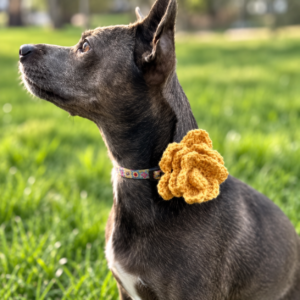
If you want to add extra flair, now is the time to attach embellishments. A tiny crocheted flower, a small bow made from ribbon, or a few sewn-on buttons can transform a simple collar into something truly special. Just be mindful of choking hazards — anything attached to the collar should be securely fastened and small enough not to pose a risk if your pet manages to chew on it.

Customization Ideas for Your Pet Collar
One of the greatest joys of making your own crochet pet collar is the ability to personalize every detail. Here are some creative ways to make each collar unique and perfectly suited to its wearer.
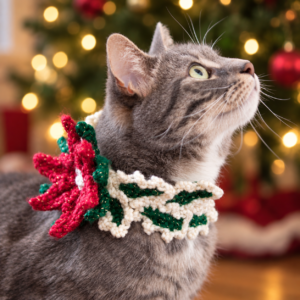
Color palettes: Match the collar to your pet’s fur color for a complementary look, or go bold with a contrasting shade that makes a statement. Pastels work beautifully for spring and summer, while deeper jewel tones are perfect for fall and winter. You can even make seasonal collars — think red and green for the holidays, orange and black for Halloween, or pastel pinks and blues for a birthday celebration.
Stitch patterns: Beyond the basic single crochet, try incorporating different stitch patterns into your collar design. A ribbed stitch created by working in the back loops only gives a stretchy, comfortable fit. A simple lace pattern with chain-spaced eyelets adds breathability for warmer weather. The moss stitch (also known as linen stitch) creates a beautiful woven texture that looks elegant and sophisticated.
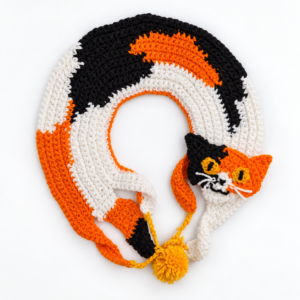
Embellishments: Small crocheted motifs like stars, hearts, or paw prints can be sewn onto the collar for an adorable personalized touch. For a more subtle decoration, try adding a picot border along the edges or working the final row in a contrasting color. If you are making the collar as a gift, consider embroidering the pet’s initial on a small patch and attaching it to the collar.
Pro Tips for a Perfect Pet Collar
After making several of these collars, we have picked up some tips that will help you get the best results every time. These small details can make a big difference in the quality and longevity of your finished crochet pet collar.
- Block your collar before attaching hardware: Gently wash and lay the collar flat to dry, shaping it to the correct length and width. Blocking evens out your stitches and gives the collar a polished, professional appearance that is hard to achieve otherwise.
- Use a safety breakaway buckle for cats: If you are making this collar for a cat, always use a breakaway buckle that releases under pressure. This is an important safety feature that prevents dangerous situations if the collar gets caught on a branch, fence, or furniture.
- Reinforce high-stress areas: The area around the buckle and D-ring experiences the most stress when the collar is worn. Add extra stitching or a small patch of fabric at these points to prevent the yarn from stretching or wearing thin over time.
- Make it washable: Choose machine-washable yarn and secure all ends thoroughly so the collar survives regular laundering. A dirty pet collar is inevitable, so designing it to be easy to clean from the start saves you headaches later.
- Make a matching leash or bandana: Extend the project by crocheting a matching leash handle wrap or a small bandana that attaches to the collar. A coordinated set makes your pet look extra stylish on walks and outings.
Frequently Asked Questions
Is a crochet pet collar safe for everyday wear?
Yes, a crochet pet collar can be perfectly safe for daily use as long as you choose the right materials and hardware. Use sturdy yarn that will not easily stretch or break, attach a secure buckle, and for cats, always use a breakaway clasp that releases under pressure. Inspect the collar regularly for signs of wear, loose stitches, or weakened areas, and replace it when needed. Avoid adding small dangling embellishments that could become choking hazards.
What type of yarn is best for pet collars?
Cotton and acrylic blends are the best choices for pet collars because they combine softness with durability. Cotton is breathable and gentle on sensitive skin, while acrylic adds strength and helps the collar maintain its shape through washing. Avoid extremely fuzzy or novelty yarns that could pill excessively or trap pet hair. Worsted weight yarn in a smooth, tightly spun construction gives the cleanest results for this type of project.
How do I adjust the collar size for a growing pet?
For puppies and kittens who are still growing, consider adding an adjustable slider or making the collar with buttonholes at multiple positions. This way you can lengthen the collar as your pet grows without having to crochet an entirely new one. Alternatively, make the collar slightly longer than needed and fold or cinch the excess until it fits properly.
Can I sell crochet pet collars?
Absolutely. Handmade crochet pet collars are popular items at craft fairs, online marketplaces, and on platforms like Etsy. If you plan to sell them, focus on creating consistent sizing, using high-quality materials, and offering a range of attractive color combinations. Photograph your collars on a pet or a stuffed animal stand to show customers how they look when worn, and include clear sizing guidelines in your product listings.
How long does it take to crochet a pet collar?
Most crocheters can complete a simple pet collar in about one to three hours, depending on the complexity of the stitch pattern and the collar width. A basic single-crochet collar is the quickest option, while collars with decorative stitch patterns, color changes, or embellishments may take a bit longer. This makes it an ideal weekend or evening project that delivers satisfying results without a huge time commitment.