
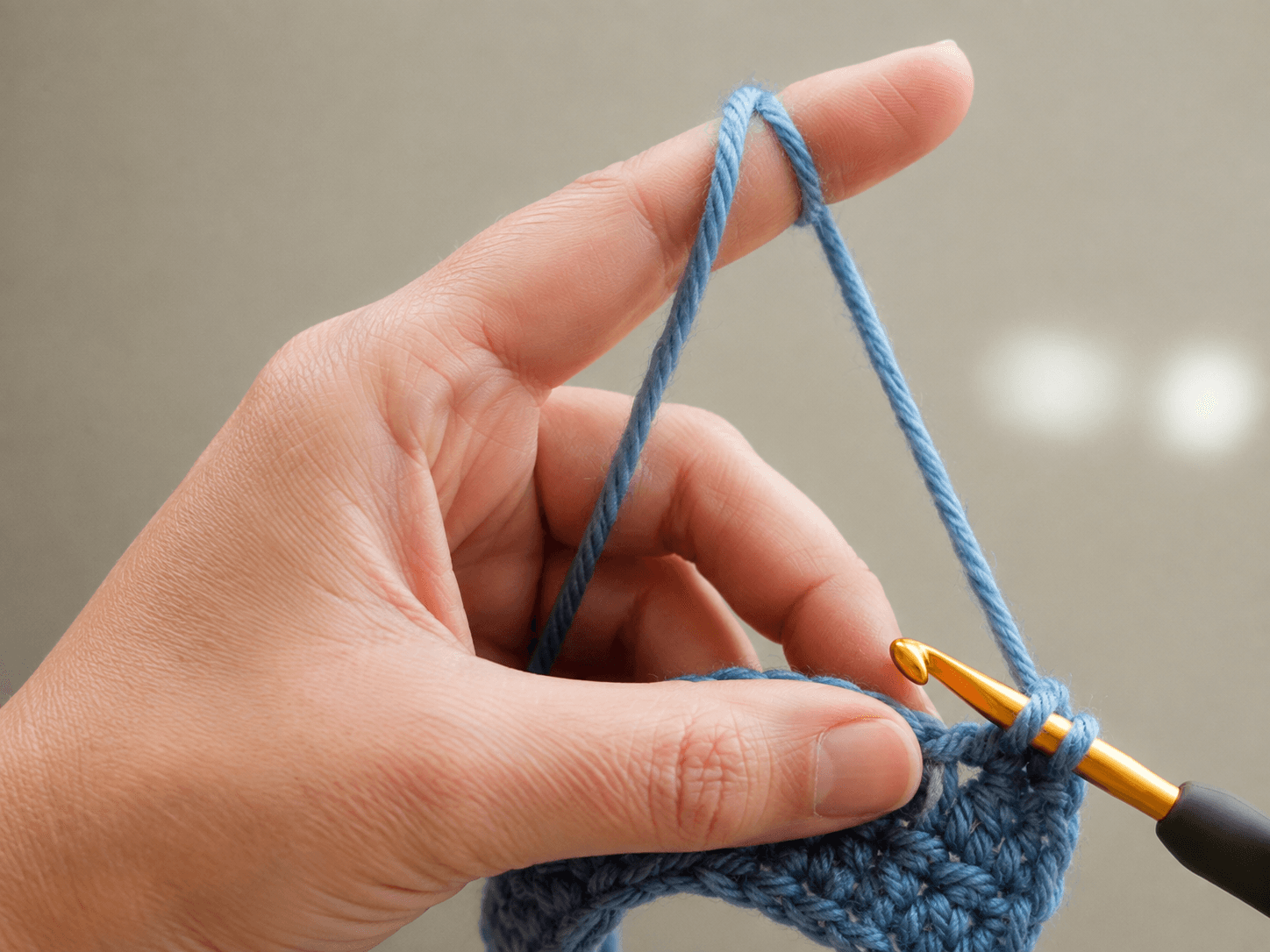
How To Fix Crochet Tension: Fixing crochet tension comes down to how you hold the yarn and hook, the size of your hook relative to your yarn, and practice. Most beginners crochet too tightly, switching to a larger hook and consciously relaxing your grip is the fastest fix. Tip: Wrap the yarn over your non-dominant index finger once or twice for more consistent tension control.
Helpful next steps
How Does Crochet Hook Material Affect Your Tension?
The material your crochet hook is made from plays a surprisingly large role in your tension. Different materials have different amounts of friction, which affects how smoothly the yarn slides through your stitches.
Aluminum hooks are smooth and allow yarn to glide easily. They are a great choice for beginners who tend to crochet too tightly because the slick surface helps loosen the natural grip of the stitches. Aluminum is also lightweight, which reduces hand fatigue during long crochet sessions.
Ergonomic hooks with padded or contoured handles are ideal if tension issues are causing hand or wrist pain. The larger grip encourages a more relaxed hold, which often translates to more even tension. These hooks are especially helpful for crafters who crochet for several hours at a stretch.
Bamboo hooks have a slightly rougher surface that grips the yarn a bit more. This can be helpful for crocheters who tend to work too loosely, as the extra friction helps maintain tension. Bamboo is also warm to the touch and comfortable for extended use.
Steel hooks are used for fine thread crochet and have a very smooth, polished surface. If you are working with thin cotton thread and finding your tension too tight, switching to a steel hook with a slightly larger size can help the stitches form more easily.
What Role Does Yarn Type Play in Crochet Tension?
The yarn you choose directly impacts your ability to maintain consistent tension. Different fibers behave differently in your hands, and understanding these differences helps you make better choices for your skill level.
Smooth, tightly spun yarns like mercerized cotton and quality acrylics are the easiest to work with for consistent tension. The smooth surface allows stitches to slide evenly, making it easier to detect and correct tension problems as you work.
Textured or novelty yarns like boucle, eyelash, or thick-and-thin yarns make it much harder to maintain even tension. The irregular surface hides your stitches, making it difficult to see whether your loops are consistent. Save these yarns for projects where precision matters less, like scarves or decorative items.
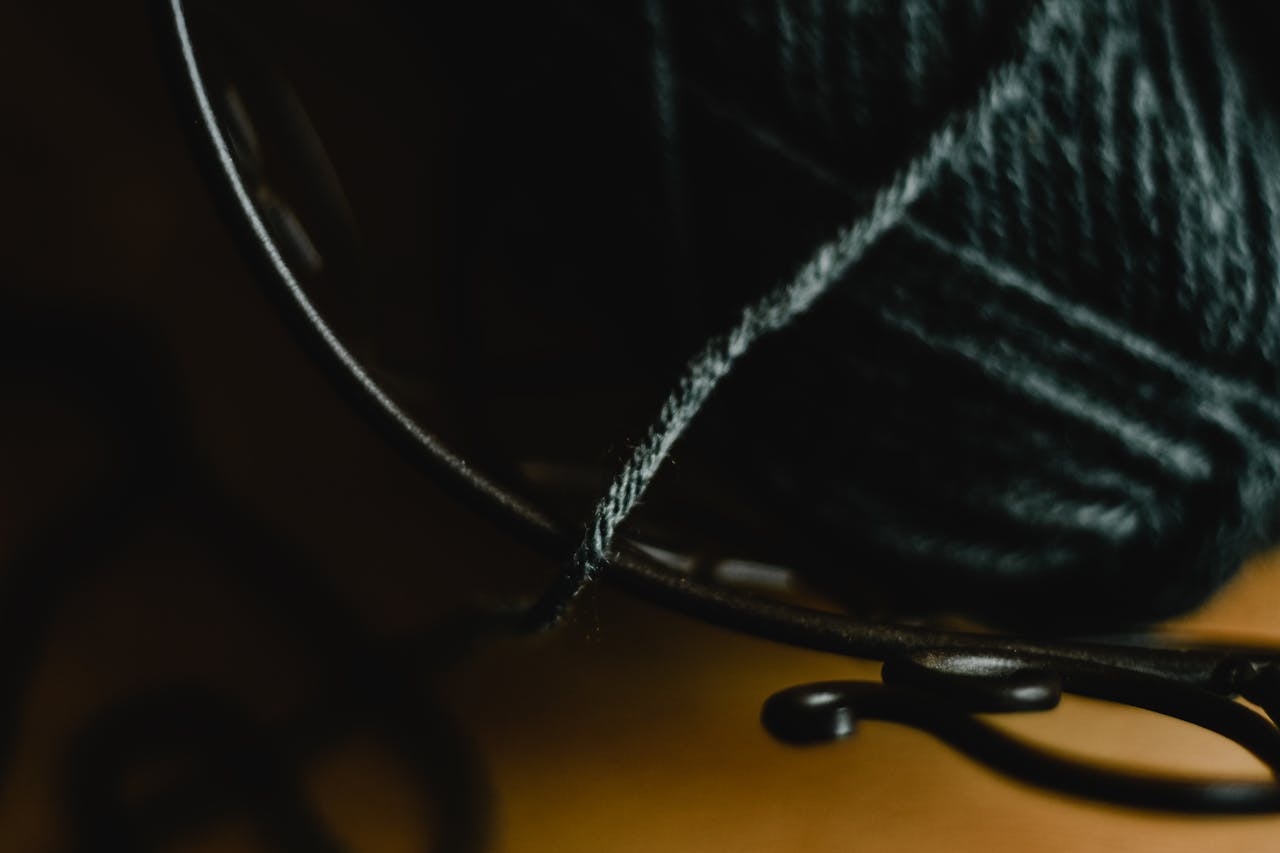
Dark-colored yarns make it harder to see your stitches, which can lead to inadvertent tension changes. When practicing or working on a project that requires precision, choose light or bright colors that make stitch detail easy to see.
Splitty yarns that separate into individual plies while you work can cause frustrating tension inconsistencies. If your yarn splits frequently, try working more slowly, using a hook with a more rounded tip, or switching to a different yarn brand.
How Do You Measure Your Crochet Tension Accurately?
Measuring your even tension correctly is essential for any project that needs to fit a specific size. The standard method is to make a gauge swatch of at least 4 by 4 inches using the yarn and hook specified in your pattern.
Crochet the swatch using the same stitch pattern as your project. If the pattern uses single crochet, make your swatch in single crochet. If it uses a combination of stitches, include those in your swatch. Lay the finished swatch flat without stretching it.
Place a ruler or measuring tape horizontally across the center of the swatch and count how many stitches fit within 4 inches. Then measure vertically and count the number of rows. Compare your counts to the pattern’s gauge specification.
If you have more stitches per inch than the pattern calls for, your tension is too tight. Go up a hook size and try again. If you have fewer stitches per inch, your tension is too loose. Go down a hook size. Repeat until your gauge matches the pattern.
What Are Some Quick Tension Exercises for Beginners?
If your crochet tension is inconsistent, these simple exercises can help you develop more even, controlled stitching:
The 20-row test: Chain 30 and work 20 rows of single crochet, counting your stitches at the end of every single row. This builds the habit of regular stitch counting and trains your hands to maintain a consistent rhythm.
The hook switch drill: Crochet the same swatch three times using three different hook sizes, such as 4.0 mm, 5.0 mm, and 6.0 mm. Compare the results side by side. Seeing how dramatically hook size affects fabric density helps you understand tension in a tangible way.
The relaxation pause: After every 10 stitches, pause and consciously relax your hands. Drop the hook, shake out your fingers, and pick it back up. This simple habit prevents the death grip that sneaks in during long sessions and causes progressively tighter tension.
The mirror check: Crochet a small sample while sitting in front of a mirror. Watch how you hold the hook and yarn. Many crocheters are surprised to see how tightly they grip their hook without realizing it. Adjusting your grip based on what you see in the mirror can lead to immediate tension improvements.
How Does Tension Affect Different Crochet Projects?
The impact of your tension varies depending on the type of project you are making. Understanding these differences helps you prioritize your tension management where it matters most.
Wearable garments are the most tension-sensitive projects. A difference of even half a stitch per inch can change a sweater’s bust measurement by several inches. Always swatch carefully for garments and block your finished pieces for the best fit.
Amigurumi requires tight, consistent tension so the stuffing does not show through the stitches. If your tension is too loose, the fabric gaps and the polyfill peeks through. Use a hook one size smaller than recommended for the yarn to achieve the tight fabric amigurumi requires.
Blankets and afghans are more forgiving of tension variations, especially if they use simple stitch patterns. However, if you are making motifs that need to be joined, consistent tension across all pieces is still important for successful assembly.
Lace and filet crochet demand excellent tension control because the open spaces need to be uniform for the pattern to read clearly. Practice with smooth yarn and an appropriate hook size before attempting complex lace patterns.