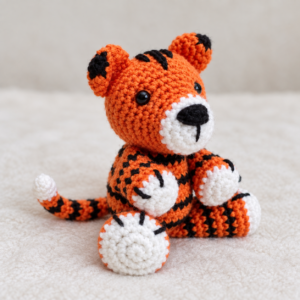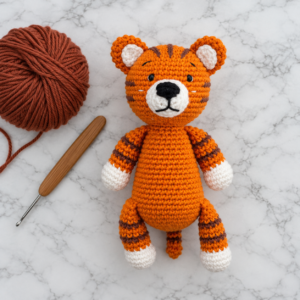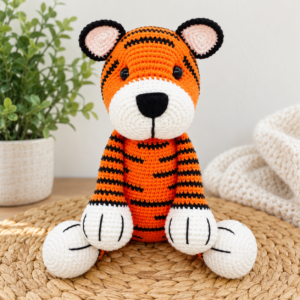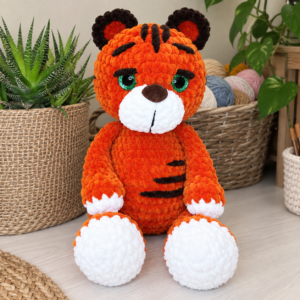
7 Cute Crochet Tiger Amigurumi Free Patterns
Crochet Tiger Amigurumi at a Glance
- Topic: crochet tiger amigurumi
- Skill level: Beginner to Intermediate
- Main goal: help the reader create adorable stuffed crochet tigers
- Related topics: amigurumi techniques, color changing in crochet, striped patterns, toy stuffing
Quick Answer
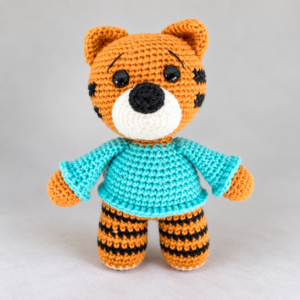
Crochet tiger amigurumi patterns are wonderful projects that combine basic stitches with striking orange and black stripes to create realistic or cartoon-style stuffed tigers. Most patterns are suitable for beginners and use simple single crochet with color changes for the signature tiger stripes.
Tip: Use the carried yarn method for stripe color changes to reduce the number of ends you need to weave in later.
At a Glance
- Skill level: Beginner to intermediate
- Time needed: 4–10 hours per tiger
- Best yarn: Worsted weight acrylic or cotton in orange, black, white, and cream
- Hook size: 3.5mm–4.0mm (US E-4 to G-6)
Common Mistakes to Quick Fixes
- Sloppy color changes showing through: Carry the unused color along the inside of the piece and crochet over it to keep transitions neat.
- Stripes not lining up on body parts: Plan your stripe repeat and count rows carefully before starting each body part to ensure they match up during assembly.
- Over-stuffing causing shape distortion: Stuff in small increments, testing the shape frequently. Stop before it feels rock-hard.
Mini Glossary
Amigurumi — the Japanese art of knitting or crocheting small stuffed toys and creatures. Carrying yarn — a technique where the unused color is laid along the top of the previous row and worked over. Bobble stitch — a textured stitch that creates a raised bump, often used for tiger paws or noses. Mattress stitch — an invisible seaming technique used to join amigurumi pieces.
Why Crochet Tiger Amigurumi Makes an Amazing Crochet Project
There is something universally appealing about handmade stuffed animals, and crochet tiger amigurumi is one of the most charming projects you can take on. Tigers are beloved around the world for their striking appearance and powerful presence, and translating those qualities into a soft, huggable crochet version is incredibly rewarding. The bold orange and black stripes that define a tiger also happen to be one of the most fun colorwork challenges in amigurumi.
One of the great things about tiger patterns is that they range from very simple to quite detailed. Beginner-friendly patterns often use minimal shaping with embroidered or appliqued stripes, while more advanced designs incorporate intarsia colorwork, textured bobble stitches for the nose and paws, and even posable wire armatures. This means you can find a pattern that matches your current skill level and still have room to grow.
Tiger amigurumi also makes wonderful gifts for all ages. Children love them as cuddly companions, while adults appreciate them as unique desk decor or collectible items. If you are looking for more ideas for handmade crochet gifts, a tiger is a standout choice that shows real thoughtfulness and craftsmanship.
Choosing the Right Yarn for Your Crochet Tiger Amigurumi
Selecting the right yarn is one of the most important decisions when starting any crochet tiger amigurumi project. The yarn you choose will determine how your finished tiger looks, feels, and holds up over time. Let us walk through the key considerations.
Fiber type: Acrylic yarn is the most popular choice for amigurumi tigers because it is affordable, widely available, and comes in every shade of orange you could want. It is also soft enough for children to cuddle. Cotton yarn creates a firmer, more durable fabric with excellent stitch definition, which is ideal if you want crisp, clean stripes. A cotton-acrylic blend offers a nice middle ground with both durability and softness. For more guidance, see our best yarn for beginner crochet recommendations.
Color selection: A classic tiger needs three main colors: orange for the body, black for stripes and features, and white or cream for the muzzle, belly, and inner ears. Look for yarns from the same brand and product line to ensure consistent weight and texture across all colors. Using mismatched yarn weights can create subtle size differences between striped sections that disrupt the overall look.
Hook size: For amigurumi, always use a hook one to two sizes smaller than your yarn recommends. This creates a tight, dense fabric that prevents stuffing from peeking through the stitches. For standard worsted weight yarn, a 3.5mm or 4.0mm hook works perfectly. If you find your crochet tension tends to be loose, go down another half size for even tighter stitches.
Mastering Color Changes for Tiger Stripes
The most distinctive feature of any crochet tiger amigurumi is the stripes. Getting clean, even stripes is the skill that separates an average-looking tiger from a truly professional one. There are three main techniques for creating stripes in amigurumi, and each has its own advantages.
Technique 1: Carrying the yarn. This is the most common method for amigurumi stripes. When you are ready to switch colors, simply drop the current color, pick up the new color, and crochet over the strand of the old color that runs along the inside of your work. This method is fast, reduces the number of ends to weave in, and creates a neat appearance on the outside. The downside is that the carried yarn adds slight bulk inside the piece.
Technique 2: Cutting and joining. For each color change, cut the old color leaving a short tail, and join the new color with a slip stitch or by simply pulling it through the last loop of the previous stitch. This produces the cleanest possible stripes with no bulk, but it means you will have many more ends to weave in at the end. This method works best for pieces with few color changes or where the inside will be visible.
Technique 3: Surface slip stitch stripes. Instead of changing colors while working the piece, you complete the entire piece in orange and then add black stripes afterward using surface slip stitches. This is the easiest method for beginners because it requires no in-round color changes at all. The stripes sit on top of the fabric, creating a slightly raised texture that can look very stylish and modern. If you want to learn more about color techniques, our guide on how to change yarn color in crochet covers the full process.
Assembly Tips for a Polished Crochet Tiger
The way you assemble your crochet tiger amigurumi can make or break the final result. Even perfectly stitched pieces can look amateurish if they are attached poorly. Here are the key assembly techniques that will give your tiger a professional, polished finish.
Pin before you sew. Before attaching any piece — legs, arms, tail, ears, or muzzle — pin it in place with sewing pins. Step back and look at the tiger from all angles to check that everything is symmetrical and positioned correctly. This is especially important for the eyes and ears, which need to be perfectly aligned. Only once you are satisfied with the positioning should you thread your yarn needle and begin sewing.
KnotToYarn
Subscribe to KnotToYarn!
Get the best free crochet patterns, tutorials & tips delivered straight to your inbox. Join our growing community!
Use the mattress stitch for invisible seams. The mattress stitch creates a nearly invisible join between two pieces by working through the horizontal bars of stitches on each piece. This is ideal for joining the head to the body or closing the bottom of a piece after stuffing. For a detailed tutorial on joining techniques, see our guide on how to join crochet seamlessly.
Shape while stuffing. The way you distribute stuffing affects the final shape of your tiger. Use small amounts of fiberfill and pack it firmly into small areas like the muzzle and paws. For the body, stuff firmly but leave a little give so the tiger remains soft and huggable. If your tiger looks lumpy, gently massage and squeeze the piece to redistribute the stuffing evenly before closing the opening.
Frequently Asked Questions About Crochet Tiger Amigurumi
Is crochet tiger amigurumi suitable for beginners?
Yes, many crochet tiger amigurumi patterns are designed specifically for beginners. Look for patterns labeled as beginner-friendly that use basic single crochet stitches with simple stripe patterns. Start with a small, simple tiger that has minimal separate pieces before attempting a large detailed design. The key skills you need are the single crochet stitch, working in the round, increasing, decreasing, and basic color changing — all of which are covered in our free crochet patterns for beginners collection.
How do I make the tiger stripes look even?
Even tiger stripes come down to consistent row counting and clean color changes. Count every row as you complete it, and use a row counter or tally marks on paper to track your stripe pattern. When changing colors, make sure your last stitch before the change is completed in the old color, and your first stitch after the change is started with the new color. Carrying the unused yarn along the inside also helps keep the stripe edges neat and prevents the old color from peeking through.
What safety considerations apply to tiger amigurumi for children?
If the tiger is intended for a child under three years old, embroider the eyes, nose, and mouth instead of using safety eyes or plastic buttons. Safety eyes can pull out with enough force and become a choking hazard. Use 100% cotton yarn for embroidered features to keep them secure. Also avoid any small embellishments like beads, sequins, or wire armatures that could come loose. Make sure all ends are woven in securely with knots for extra safety.
Can I sell crochet tiger amigurumi that I make from free patterns?
This depends on the specific license of the pattern you are using. Many free amigurumi patterns allow you to sell finished items made from the pattern as long as you credit the designer. However, some designers restrict commercial use or require you to purchase a commercial license. Always read the pattern terms carefully before selling finished items. When in doubt, reach out to the designer directly — most are happy to grant permission with proper attribution.
Additional resource: For hundreds of free amigurumi patterns including tigers and other animals, visit AllFreeCrochet’s Amigurumi Patterns collection for inspiration and tutorials.