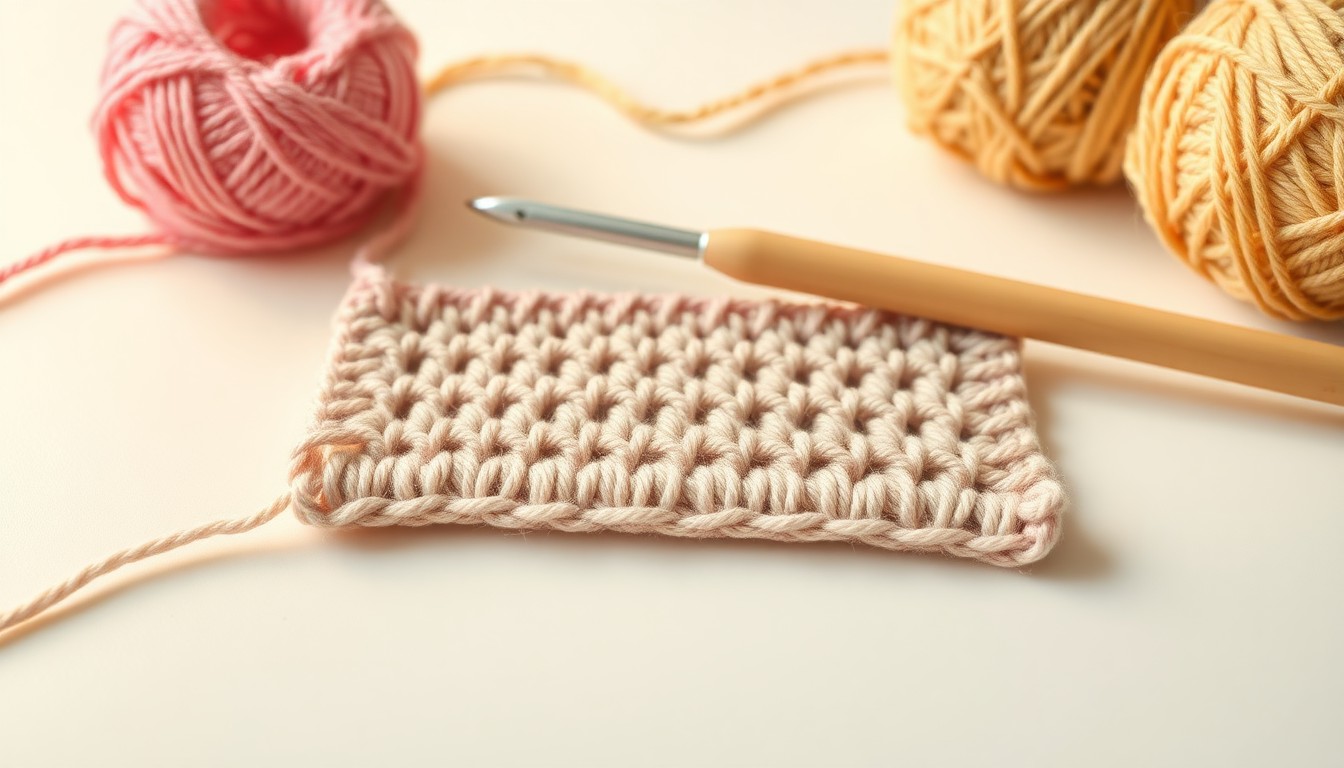
Single Crochet Stitch (SC) Tutorial: 6 Easy Steps for Beginners
What you will learn
- the quick answer
- why beginners struggle
- step-by-step fixes or methods
- common mistakes
- helpful next steps
If you’re learning crochet, the single crochet stitch is the most important beginner stitch to master. It’s the foundation for simple projects like washcloths, scarves, and easy blankets—so once you get this right, everything else becomes easier.
In this tutorial, I’ll walk you through the single crochet stitch step by step, with beginner checkpoints to help you avoid the most common mistakes (tight tension, uneven edges, and missing stitches).
Single Crochet Stitch at a glance
- Topic: single crochet stitch
- Skill level: beginner
- Main goal: help the reader complete the technique, fix common mistakes, and know the next useful crochet step
- Related topics: crochet hooks, yarn choice, pattern reading, tension, stitch control
Quick answer
Single crochet stitch (SC) is a beginner crochet stitch used for dense, sturdy fabric like washcloths, edging, and beginner swatches. Rhythm: insert → YO → pull up a loop (2 loops) → YO → pull through both loops. The most common beginner mistake is missing the last stitch (it hides near the turning chain)—use a stitch marker on the last stitch and always crochet into it.
Tip: if your edges look messy, mark the last stitch of each row with a stitch marker until your stitch count stays consistent.
At a glance
- Skill level: Beginner
- Abbreviations: ch, SC, YO
- Turning chain: Usually ch 1 at row start; often does NOT count as a stitch (stay consistent with your pattern).
- Best practice yarn: medium weight (#4), light color
Common mistakes → quick fixes
- Tight stitches: loosen grip; size up 0.5 mm if needed.
- Crooked edges: count stitches; mark the last stitch.
- Wrong height: repeat the rhythm slowly and pull through the right number of loops.
Mini glossary
ch (chain), SC (Single crochet stitch), YO (yarn over), turning chain, stitch marker, tension, loops, stitch count.
Single crochet at a glance
If you want the short version before you start, use this quick reference. It’s especially helpful when you come back later and just need a reminder of the rhythm.
Tip: keep this section bookmarked—most beginner issues with the single crochet stitch come from tension and missing the last stitch of a row.
| Skill level | Beginner |
|---|---|
| Main stitch | Single crochet (SC) |
| Abbreviations | ch, sc, YO |
| Best yarn to practice | Medium weight (#4), light color |
| Hook size | 5.0–5.5 mm (or yarn label) |
| Beginner checkpoint | Count stitches; mark the last stitch of each row |
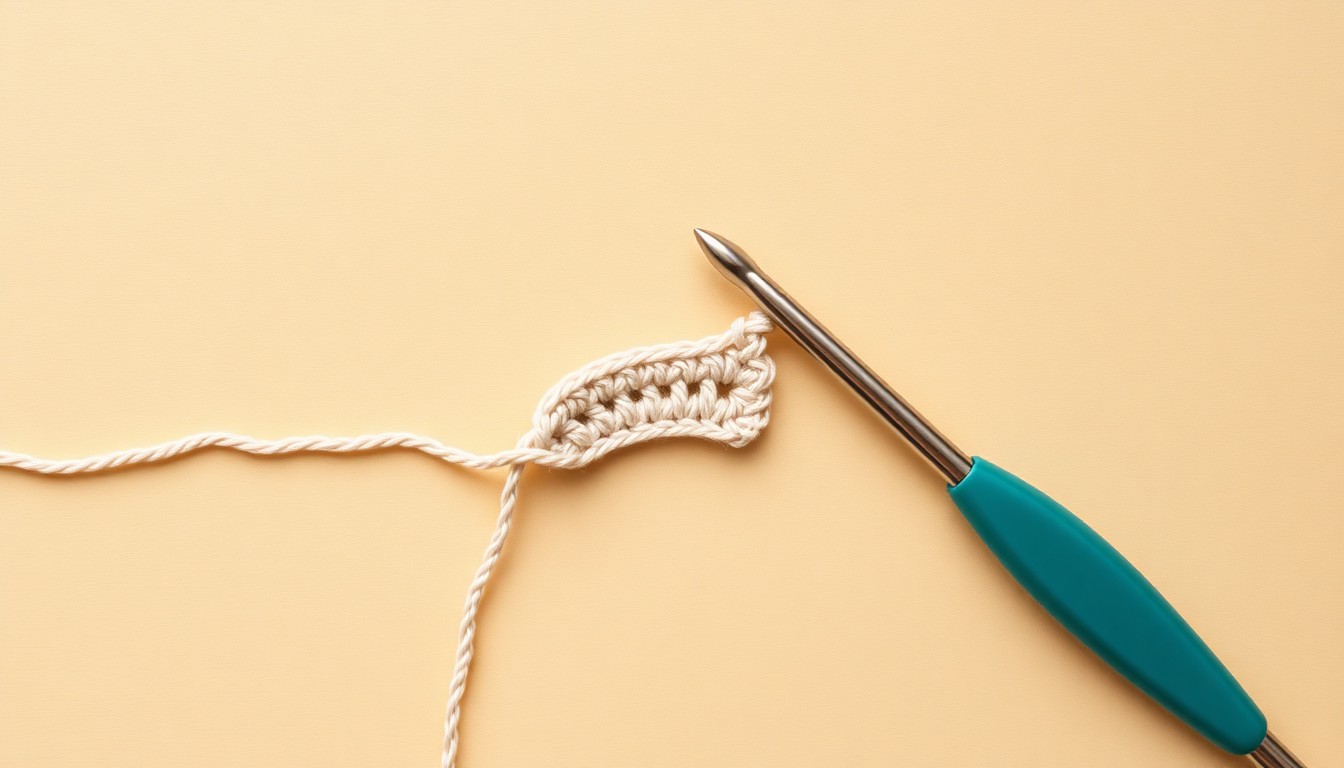
What is the single crochet stitch?
The single crochet (SC) stitch is a basic crochet stitch that creates a dense, sturdy fabric. It’s commonly used for beginner projects because it’s simple, consistent, and forgiving once you learn the rhythm.
Tip: single crochet fabric can feel stiff if you crochet too tightly. If your hook struggles to go into stitches, loosen your grip or size up your hook slightly.
What you need (beginner checklist)
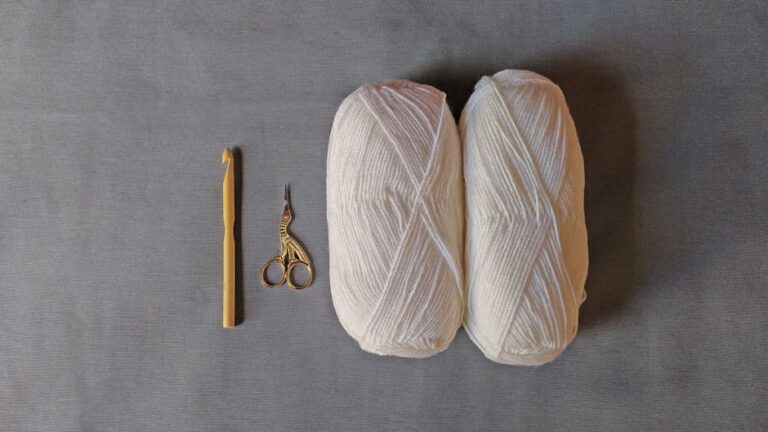
Before you start, grab a smooth yarn that makes stitches easy to see. Medium weight (#4) yarn is ideal for practice because it’s not too thin or too bulky.
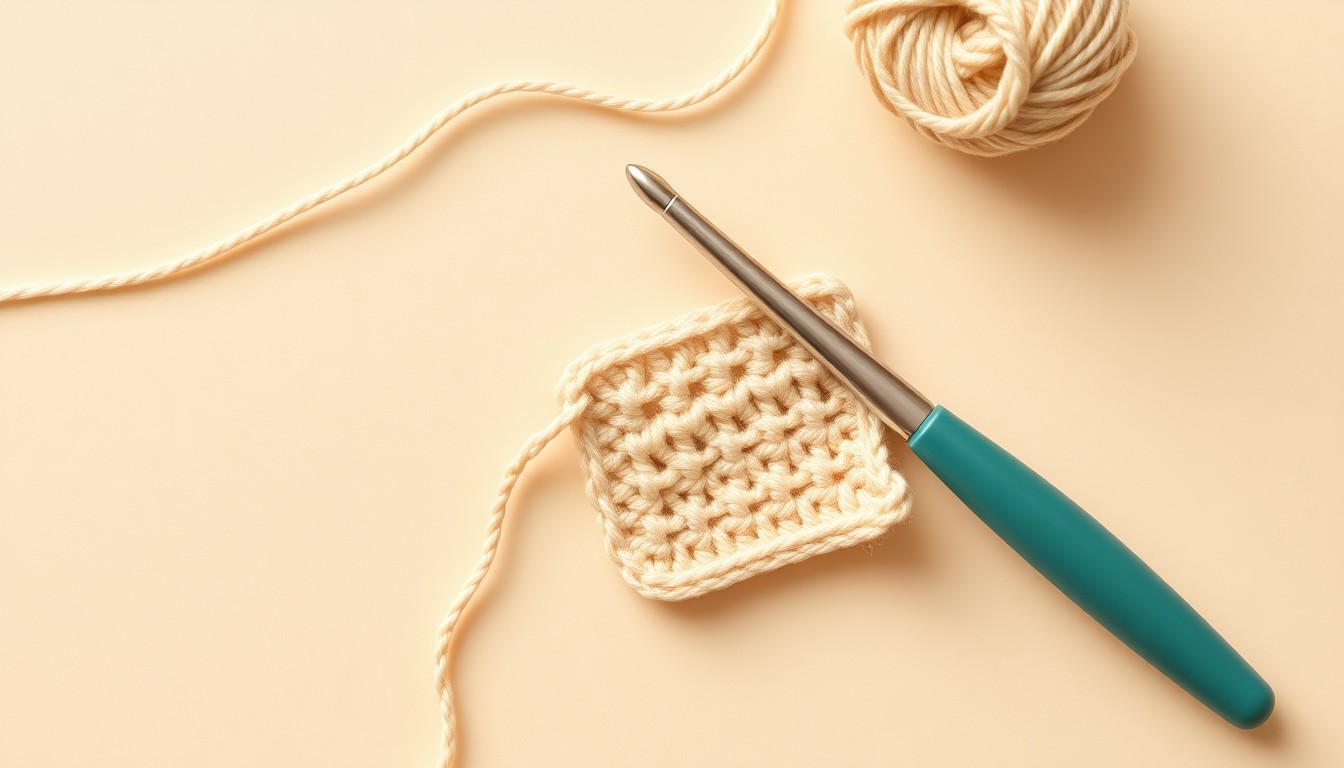
Checkpoint: use a light color for your first practice swatch. Dark yarn hides stitch anatomy and makes learning harder.
- Medium weight yarn (#4) in a light color
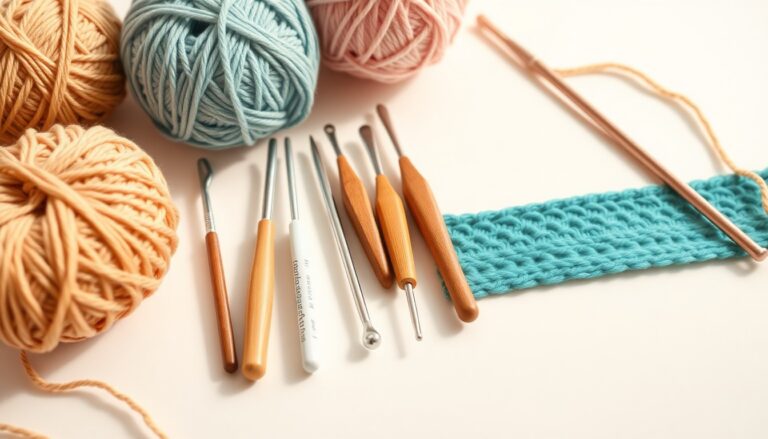
- 5.0 mm–5.5 mm crochet hook (or whatever your yarn label suggests)
- Scissors
- Yarn needle (for weaving ends)
- 2 stitch markers (optional but helpful)
Single crochet stitch (SC): 6 easy steps
Step 1) Make a slip knot and chain a foundation
Start by making a slip knot and chaining a small foundation chain (try 16–21 chains for practice). You want the chain to be even and not overly tight.
Tip: if you always struggle with Row 1, your starting chain is too tight. A quick fix is to go up one hook size just for the chain.
Step 2) Find the stitch to insert your hook
Count from the hook and insert into the correct chain based on your pattern. For most practice swatches, you’ll insert into the 2nd chain from the hook to start your first single crochet row.
Checkpoint: you should see a neat row of “V” shapes along the top of your foundation chain. Consistently choosing the same part of the chain will make your edge cleaner.
Step 3) Insert the hook and yarn over (YO)
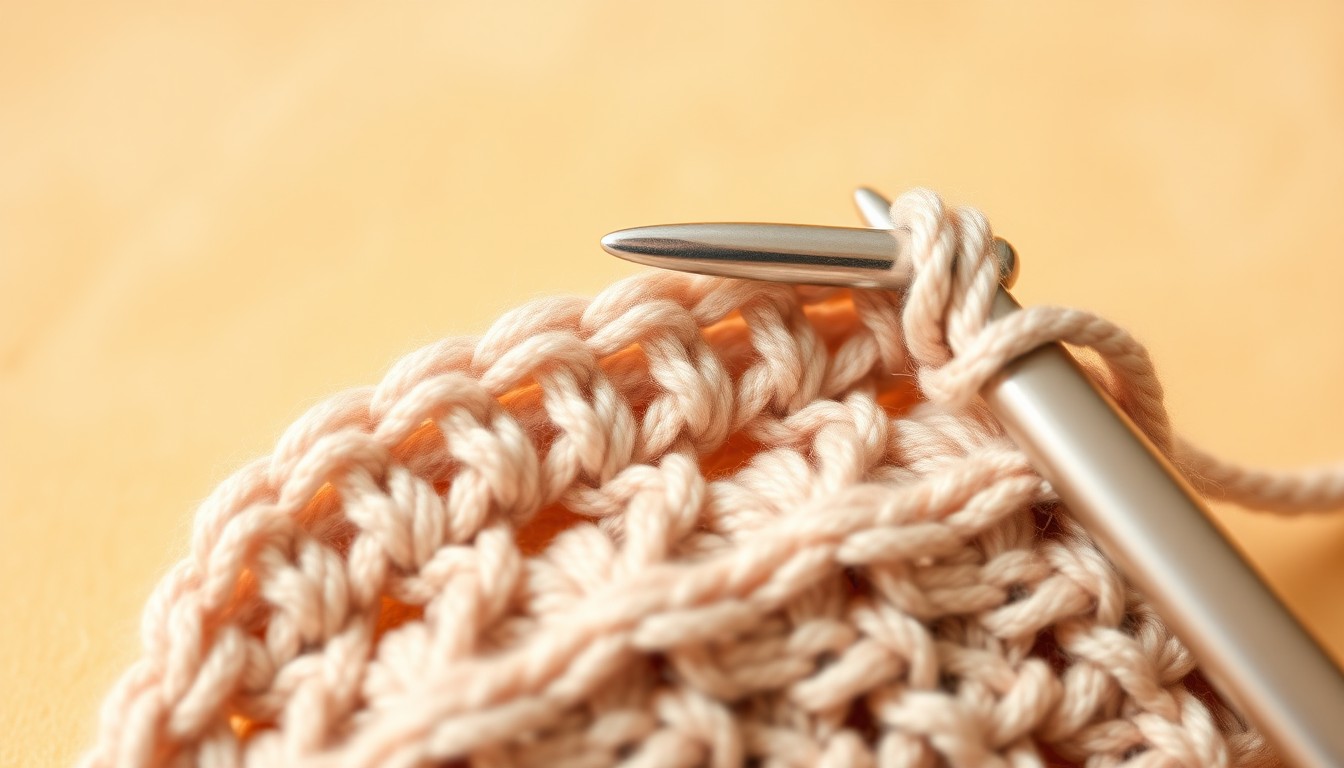
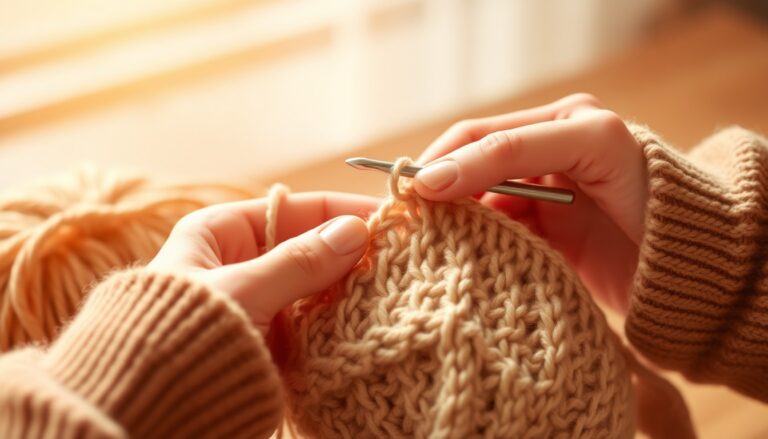
Insert your hook into the stitch, then yarn over (wrap the yarn over the hook from back to front). Keep your yarn tension steady so the loop is easy to pull through.
Tip: if the yarn keeps slipping off your hook, rotate your hook slightly downward as you pull the loop through.
Step 4) Pull up a loop (2 loops on hook)
Pull the yarn through the stitch. You should now have 2 loops on your hook. Try to keep both loops similar in size, not tight and uneven.
Checkpoint: if pulling up the loop feels hard, your insertion point may be too tight. Loosen the previous stitch slightly or size up your hook.
Step 5) Yarn over again
Yarn over one more time. This sets you up to complete the stitch in one smooth motion.
Tip: beginners often yank the working yarn here. Instead, keep the yarn feed consistent and move your hook—not your whole hand.
Step 6) Pull through both loops to finish the single crochet
Pull the yarn through both loops on your hook. That completes one single crochet stitch. Repeat across the row until you reach the end.
Checkpoint: at the end of the row, your stitch count should match your expected count. If it doesn’t, you likely skipped the first or last stitch—use a stitch marker on edge stitches while you learn.
Common single crochet mistakes (and how to fix them)
Your edges are crooked
This usually happens when you accidentally skip the first or last stitch of each row. Beginners often miss the last stitch because it’s easy to hide.
Fix: place a stitch marker in the first stitch of each row and always crochet into the marked stitch when you come back.
Your stitches are too tight
Tight stitches make crocheting frustrating because inserting the hook becomes difficult. It can also cause your fabric to curl and distort.
Fix: relax your grip, slow down, and try a slightly larger hook. Tension consistency matters more than force.
Helpful reference (crochet abbreviations)
If you ever get stuck on pattern abbreviations (like SC, ch, YO), use this quick reference: Craft Yarn Council crochet abbreviations.
Tip: always check whether a pattern uses US or UK terms—this one detail can completely change the stitch name.
FAQ: single crochet stitch
What does SC mean in crochet?
SC stands for single crochet. It’s one of the most common crochet stitches and a beginner essential.
Tip: different countries use different terms. In UK patterns, the US single crochet is often called double crochet (DC). Always check the pattern’s terminology.
How many chains do I need for single crochet?
For practice, chain 16–21. For a real project, follow your pattern’s foundation chain count and recommended hook size.
Checkpoint: keep the chain loose enough that you can easily insert your hook into each chain.
Related guides on KnotToYarn
More tutorials and patterns to keep going:
Next steps
Once the single crochet stitch feels comfortable, you’ll be ready for taller stitches and more open fabrics.
Next, learn the half double crochet (HDC), and bookmark our Beginner Crochet hub for the full learning path.
Related beginner-friendly guides
FAQ
Why is single crochet hard at first?
Single crochet feels awkward at first because the stitches are compact, so beginners often struggle with hook insertion and tension.
How do I make single crochet more even?
Counting rows, watching the edge stitches, and keeping a steady hand rhythm usually improves single crochet quickly.
Single Crochet Stitch FAQ
What is the easiest way to improve single crochet stitch?
Beginners improve faster when they simplify the process, practice in shorter focused sessions, and move to the next related skill only after the basics feel stable. This reduces frustration and makes the result more consistent.
Why do beginners struggle with single crochet stitch?
Beginners improve faster when they simplify the process, practice in shorter focused sessions, and move to the next related skill only after the basics feel stable. This reduces frustration and makes the result more consistent.
What should I do next after learning single crochet stitch?
Beginners improve faster when they simplify the process, practice in shorter focused sessions, and move to the next related skill only after the basics feel stable. This reduces frustration and makes the result more consistent.
Single Crochet Stitch common mistakes
The most common mistakes usually come from rushing, skipping stitch counts, changing several variables at once, or using materials that hide the stitch shape. A simpler setup and slower repetition usually creates a much cleaner result.
Single Crochet Stitch tips that help most
- Use clear beginner-friendly materials
- Check your stitch count often
- Repeat the same method long enough to judge the result
- Use related tutorials to reinforce the next step naturally
- Keep practice pieces small enough to finish
Final advice on single crochet stitch
You do not need to master everything at once. The best progress usually comes from cleaner repetition, better observation, and moving one step at a time through the skill cluster.
Bottom line
If you want better results with single crochet stitch, keep the setup simple, check the most likely cause first, and use one closely related crochet guide as the next step so your practice keeps building in the right direction.